China Bans Yoke Steering Wheels from 2027: Impact on Vehicle Safety and Design
China’s Ministry of Industry and Information Technology announced a ban on yoke steering wheels, effective January 1, 2027. The updated GB 11557-202X standard eliminates provisions for these half-wheel designs due to higher injury risks and failure to meet impact testing criteria.
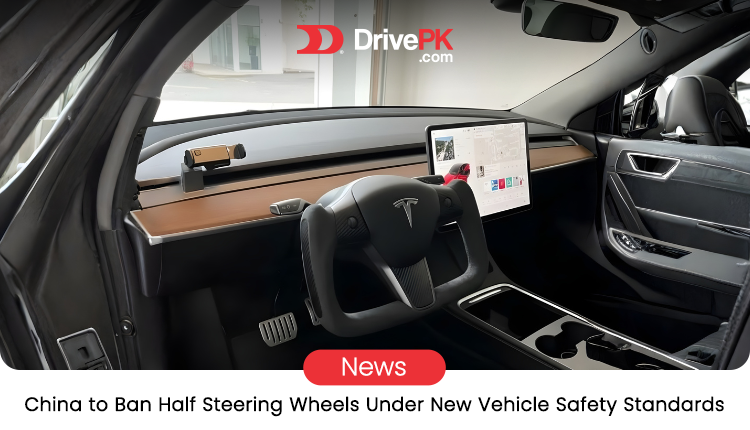
Table of Contents
- What Exactly Is a Yoke Steering Wheel?
- Why the Ban? Safety Comes First
- How This Affects Car Makers and Models
- Global Ripple Effects and Pakistan's Auto Scene
- Driver Opinions and Real-World Use
- Looking Ahead: Safer Roads Worldwide
China's auto regulators have decided to end the use of yoke steering wheels in new cars. From January 1, 2027, all vehicles must stick to traditional designs under the updated GB 11557-202X standard. This comes from the Ministry of Industry and Information Technology, or MIIT. They say these half-wheels pose too many risks in crashes.
The old rules from 2011 allowed some leeway for new tech. But with electric cars booming, officials revisited them. Now, the standard aligns with UN R12 guidelines, which set strict limits on forces during collisions. It also demands better control over how the steering column moves in an accident and ends exemptions from tests involving human-like dummies.
Yoke wheels can't pass because key test points on the rim simply don't exist on them. Plus, there's worry about airbags not deploying properly and how they handle in real driving.
Existing models get a short grace period to switch over. But new ones must comply straight away. This affects big names like Tesla and Lexus, which use yokes in some EVs.
What Exactly Is a Yoke Steering Wheel?
A yoke steering wheel looks more like an airplane control than a round car wheel. It's flat on top, curved at the bottom, and meant to feel futuristic.
Tesla popularized it in models like the refreshed Model S and Cybertruck. Lexus tried it in the RZ SUV with steer-by-wire tech, where there's no physical link to the wheels.
The idea was to give better views of screens and make autonomous driving easier someday.
But in practice, many drivers find them awkward. Turning sharp corners or parking means grabbing air where the top should be. And in emergencies, that missing rim could mean less control.
Chinese makers jumped on the trend too, but now they'll have to rethink.
Why the Ban? Safety Comes First
Regulators dug into data showing 46 percent of driver injuries involve the steering system. In a crash, a full wheel acts as a buffer. With a yoke, your body might slam straight into the dashboard.
The new rules require tests at 10 points around the rim, including the top midpoint. Yokes lack that top part, so they fail automatically. Airbag issues added to its deployment might not protect as well without the full structure.
MIIT also tightened force limits to 11,110 newtons horizontally, matching global standards. And steering columns can't displace too much, preventing them from jabbing the driver.
This isn't China's first crackdown. They recently banned flush door handles for similar safety reasons, like trapping people in power failures.
It's a push for proven designs over flashy ones, especially as EVs bring new risks.
How This Affects Car Makers and Models
Manufacturers have less than a year to adapt. Tesla already offers wheels as an option in some markets, so they could make it standard in China. Lexus might drop the yoke from future RZs.
Chinese brands face redesigns, too. Since China is the world's biggest auto market, this could ripple globally. Why build two versions when one works everywhere?
Costs will rise for changes, but safety upgrades might boost trust. A transition period helps ease it for approved models.
In Pakistan, where we import many Chinese EVs, this means future models arriving here will likely have traditional wheels. Think about brands like BYD or MG they'll follow suit to sell in China first.
Global Ripple Effects and Pakistan's Auto Scene
China's rules often influence worldwide standards. If yokes get phased out there, other countries might follow if the data backs the risks.
In the US and Europe, yokes aren't common yet, but Tesla pushes them. NHTSA has looked into complaints about handling. This ban might speed up shifts back to rounds.
For Pakistan, with rising EV interest amid fuel costs, safer imports are a plus. Rawalpindi drivers deal with busy roads and reliable steering matters. Recent auto financing growth here shows more people buying. But we might see fewer gimmicky features.
It ties into broader trends like M-Tag mandates in Islamabad for better regulation.
Driver Opinions and Real-World Use
Many who tried yokes say they're fine on highways but tricky in cities. U-turns require two hands, and fatigue sets in.
Others love the open feel and tech vibe.
But safety data won out.
On forums like Reddit, users debate whether it's progress or a fad. China’s move might end the argument.
Looking Ahead: Safer Roads Worldwide
This ban highlights how regs evolve with tech. As EVs grow, expect more focus on practical safety.
In Pakistan, watch for similar updates. For now, stick to what works. Wheels have proven themselves.
If you're shopping, check steering feel. Safety first, always.
For more updates, visit DrivePK.com
Tags
Share this article
About the Author

Najeeb Khan
Automotive enthusiast and writer
Comments (0)
Login Required
You need to be logged in to comment on this article.
No comments yet. Be the first to share your thoughts!
Related Articles
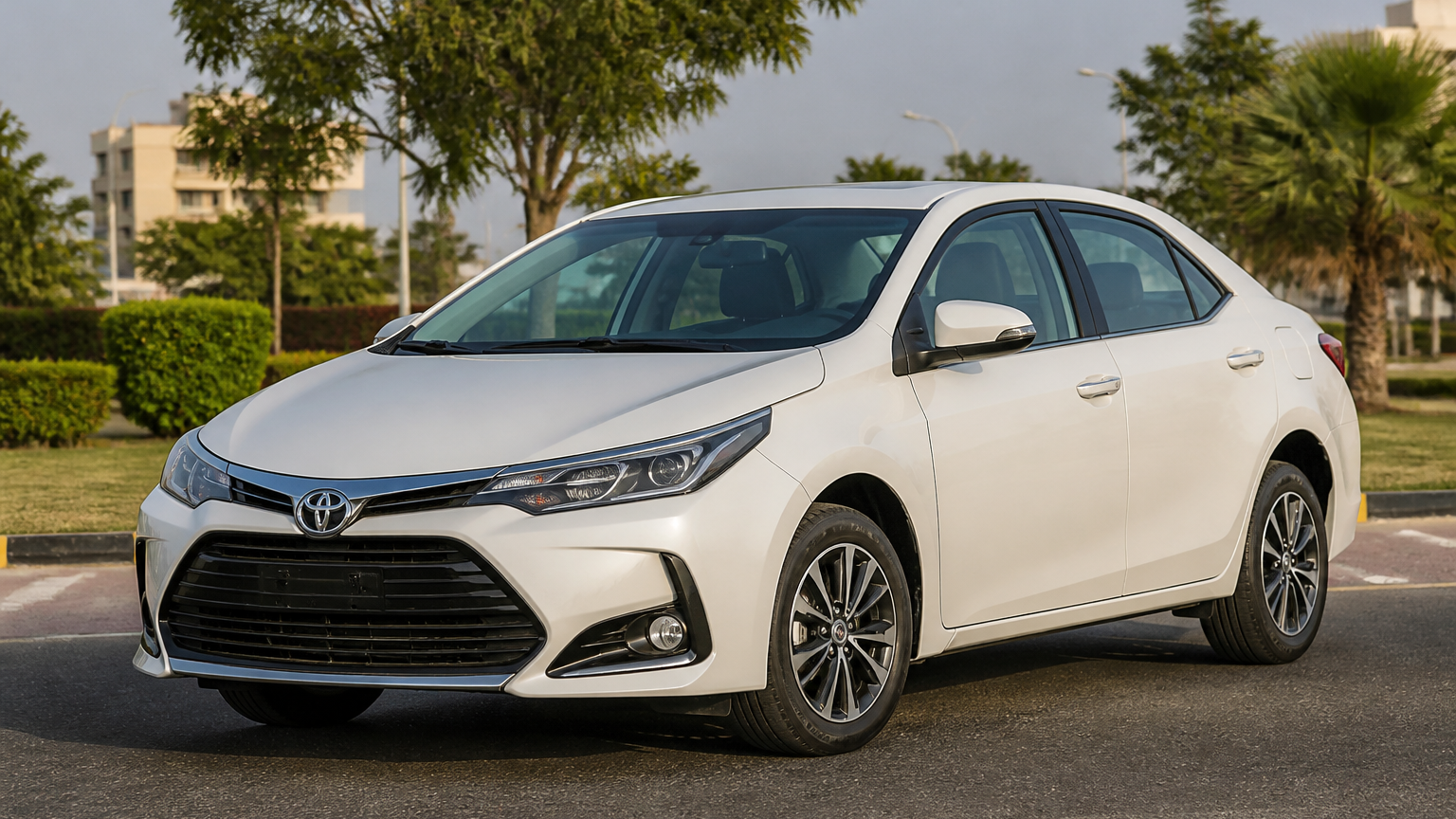
Toyota Corolla Discontinued Before Pakistan Facelift
Pakistan’s pre-facelift Toyota Corolla is reportedly discontinued, hinting at a facelift. Prices, bookings, specs and launch timing remain unconfirmed.
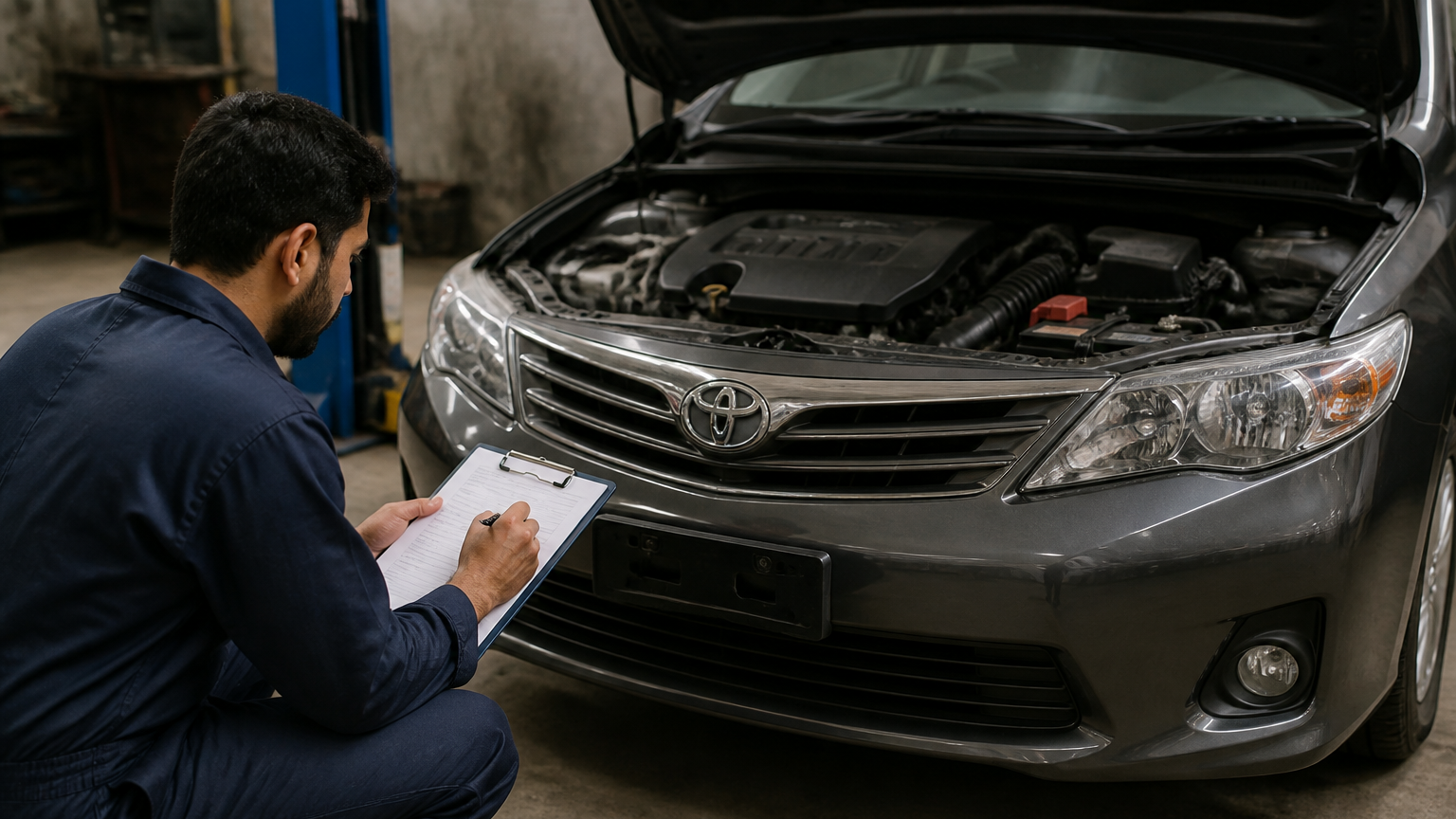
DrivePK Car Inspection Reports: Buy with Confidence
Buying a used car in Pakistan? A pre-purchase inspection can reveal hidden damage, engine issues and red flags before you pay—but it’s not enough alone.
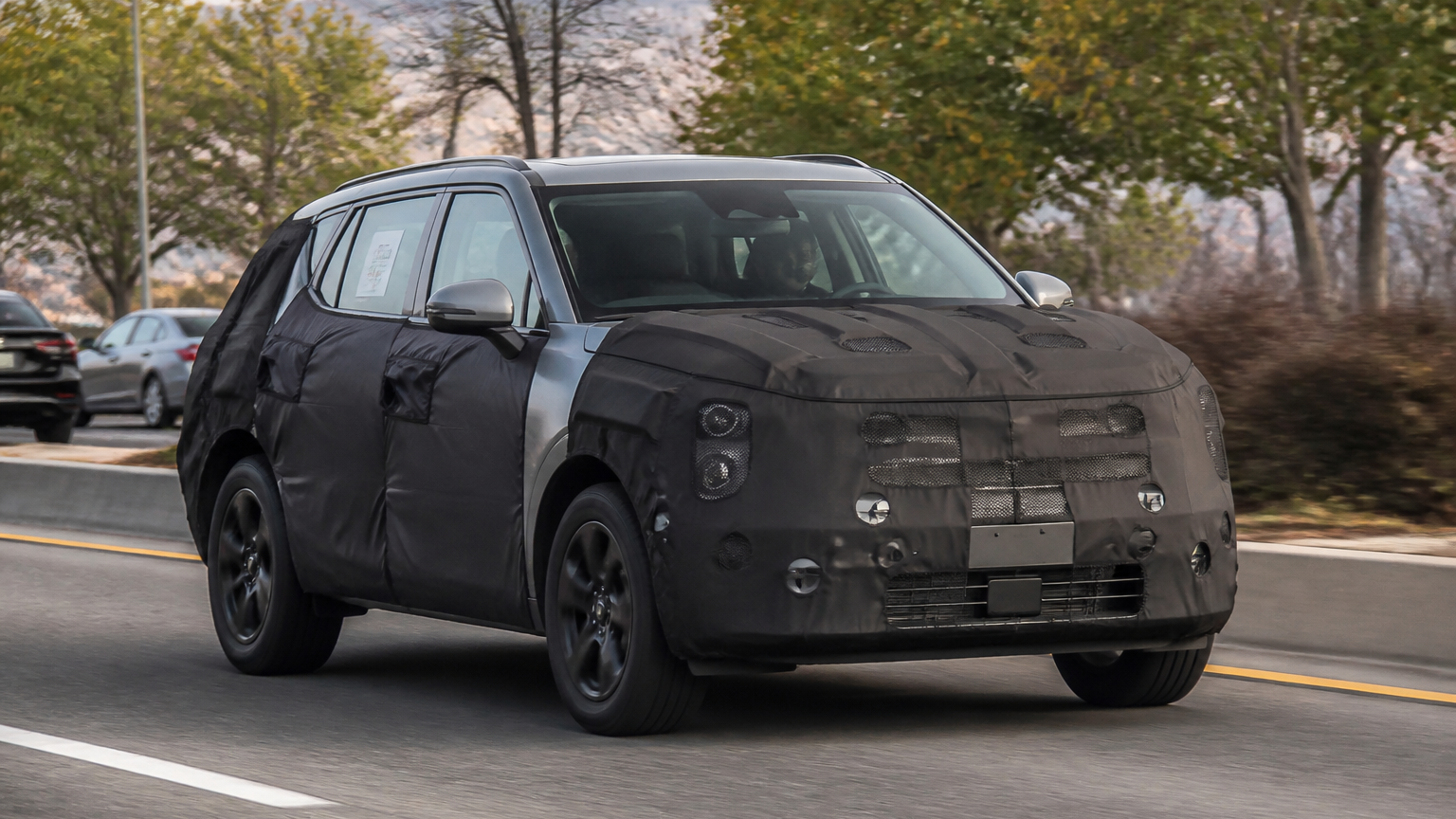
2028 Kia Sportage: Major Design Changes Spotted
Kia’s next Sportage may get a bolder, boxier redesign, with an upright profile, sharper lines, wider grille and split headlights hinted by spy shots.