China's First Liquid Solid-State Battery Line Launches in Jiangsu
China’s first liquid solid-state battery production line is now operational in Jiangsu, run by Hylic. With 5 billion yuan investment and 10 GWh capacity, it features Six-in-One tech for scooters, e-bikes, EVTOLs, and cars, reaching 360 Wh/kg energy density. This boosts safer, efficient power.
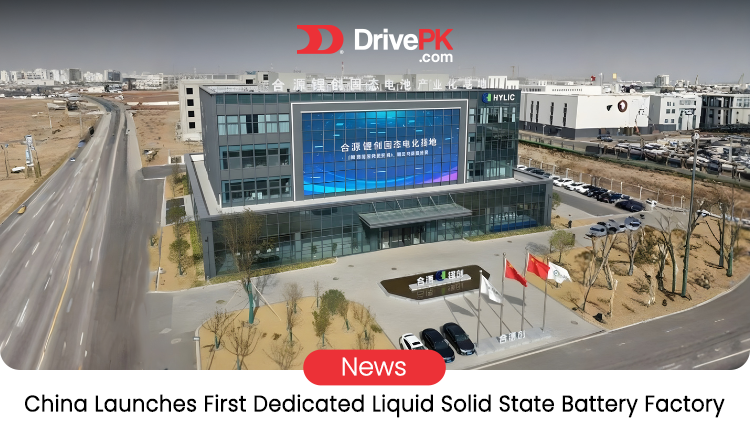
Table of Contents
- What Makes This Production Line Special?
- Meet Hylic: The Company Behind It
- The Big Investment and Phased Rollout
- Introducing the Six-in-One Battery Tech
- Real-World Applications: From Scooters to Skies
- Energy Density: The Game Changer
- China's Push in Battery Innovation
- Conclusion
China just hit a big win in battery innovation. In Jiangsu province, the country's first dedicated production line for liquid solid-state batteries started running. It's run by Hylic, a company that's pushing hard on next-gen energy solutions. This move could change how we power everything from scooters to cars and even flying vehicles.
What Makes This Production Line Special?
This isn't just another factory. It's built for liquid solid-state batteries, which mix liquid and solid tech for better performance. Solid-state batteries promise more safety and power than traditional ones. They don't catch fire as easily and hold more energy. Hylic's line in Jiangsu is the first in China focused only on this type.
The setup aims to crank out batteries that last longer and cost less. And it's not small-scale. With plans for 10 GWh annual capacity, it could supply power for thousands of electric vehicles or huge energy storage systems.
Meet Hylic: The Company Behind It
Hylic, or Heyuan Lithium Innovation, started in 2023 in Suzhou. They're all about solid-state lithium-ion batteries. Their focus? Energy storage, mobility like e-bikes, and consumer gadgets. In a short time, they've built this massive facility.
Founded by experts in battery tech, Hylic wants to solve real problems. Think safer batteries for daily use. They're not chasing hype; they're delivering practical stuff. This Jiangsu plant shows they're serious about scaling up.
The Big Investment and Phased Rollout
Building this didn't come cheap. Total investment hits 5 billion yuan, about $700 million. It's split into three phases. Phase one is already online, testing the waters with initial production.
Phases two and three will ramp things up. By the end, that 10 GWh capacity means they can produce enough to power a small city. It's smart planning: start small, learn, then go big. This approach cuts risks and lets them tweak tech along the way.
Jobs will come too. Factories like this create work in manufacturing, engineering, and supply chains. For Jiangsu, it's a boost to the local economy.
Introducing the Six-in-One Battery Tech
At the launch, Hylic showed off its Six-in-One technology. It's not as fancy as it sounds, but it's clever. This system packs six key features into one battery: high energy density, top safety, long life, fast charging, wide temperature range, and low cost.
Why six? Because batteries often trade one thing for another. More power might mean less safety. Hylic claims they've balanced it all. For users, that means reliable power without worries.
Tests show these batteries handle extreme conditions. Hot or cold, they keep going. And lifespan? Up to thousands of cycles before fading. That's huge for electric vehicles, where battery swaps cost a fortune.
Real-World Applications: From Scooters to Skies
Hylic didn't just talk tech; they unveiled products. For electric scooters and e-bikes, they've got lightweight batteries that pack a punch. Imagine riding farther without recharging every few miles.
Then there's EVTOL aircraft those electric vertical takeoff and landing vehicles, like flying taxis. Hylic's batteries hit energy densities up to 360 Wh/kg. That's dense enough to lift people safely.
Passenger cars get solutions too. Higher density means longer range on a single charge. No more range anxiety on road trips. These aren't concepts; they're ready for production.
Energy storage for homes or grids? Covered. Hylic's tech stores solar or wind power efficiently. In a world pushing green energy, this fits right in.
Energy Density: The Game Changer
Let's talk numbers. Traditional lithium-ion batteries top out around 250-300 Wh/kg. Hylic's reach 360 Wh/kg. That's more energy in less weight.
Lighter batteries mean better efficiency. For EVs, it translates to longer drives. For drones or EVTOLs, more flight time. Safety jumps to solid-state reduces leak risks.
But it's not perfect. Challenges like scaling production remain. Hylic's line tackles that head-on.
China's Push in Battery Innovation
China undoubtedly leads in batteries. They make most of the world's supply. This Hylic plant adds to that edge. It's part of a larger plan: to dominate clean energy technology.
Government support helps. Policies push R&D in batteries. Companies like Hylic thrive because of it. Globally, this means cheaper, better batteries for everyone.
But competition is fierce. The US and Europe are catching up. China’s speed gives it the lead for now.
And that's why this matters. Safer, stronger batteries power the future. From your phone to the grid, innovations like this keep things moving.
Conclusion
Hylic's Jiangsu line is a step forward. With solid investments and smart tech, they're set to deliver. Watch this space, battery tech is evolving fast.For more updates, visit DrivePK.com
Tags
Share this article
About the Author

Najeeb Khan
Automotive enthusiast and writer
Comments (0)
Login Required
You need to be logged in to comment on this article.
No comments yet. Be the first to share your thoughts!
Related Articles
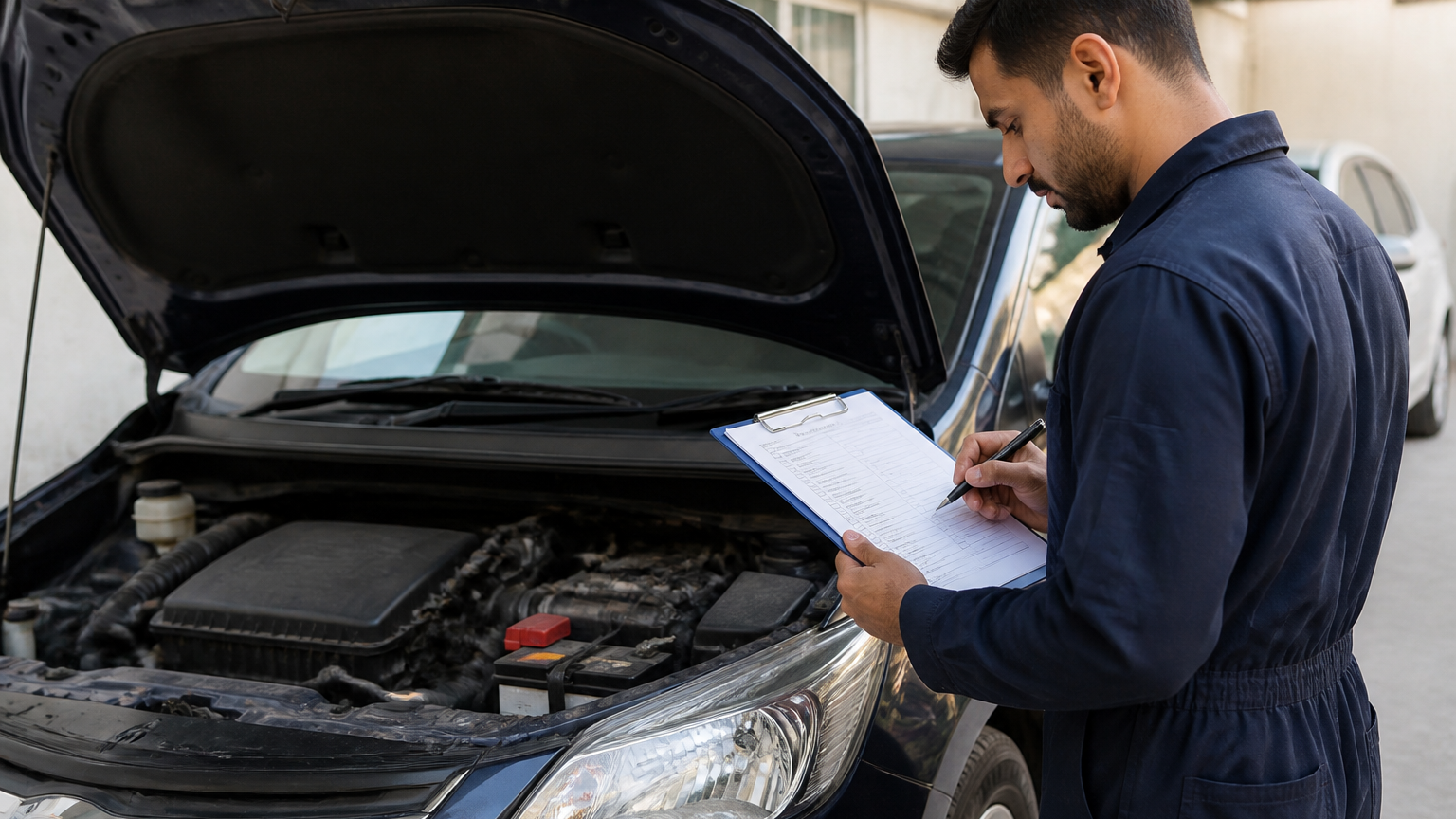
DrivePK Car Inspection Report: Buy Used Cars Safely
Buying a used car in Pakistan? A DrivePK inspection report reveals hidden faults, supports smarter negotiations, and helps you avoid costly mistakes.
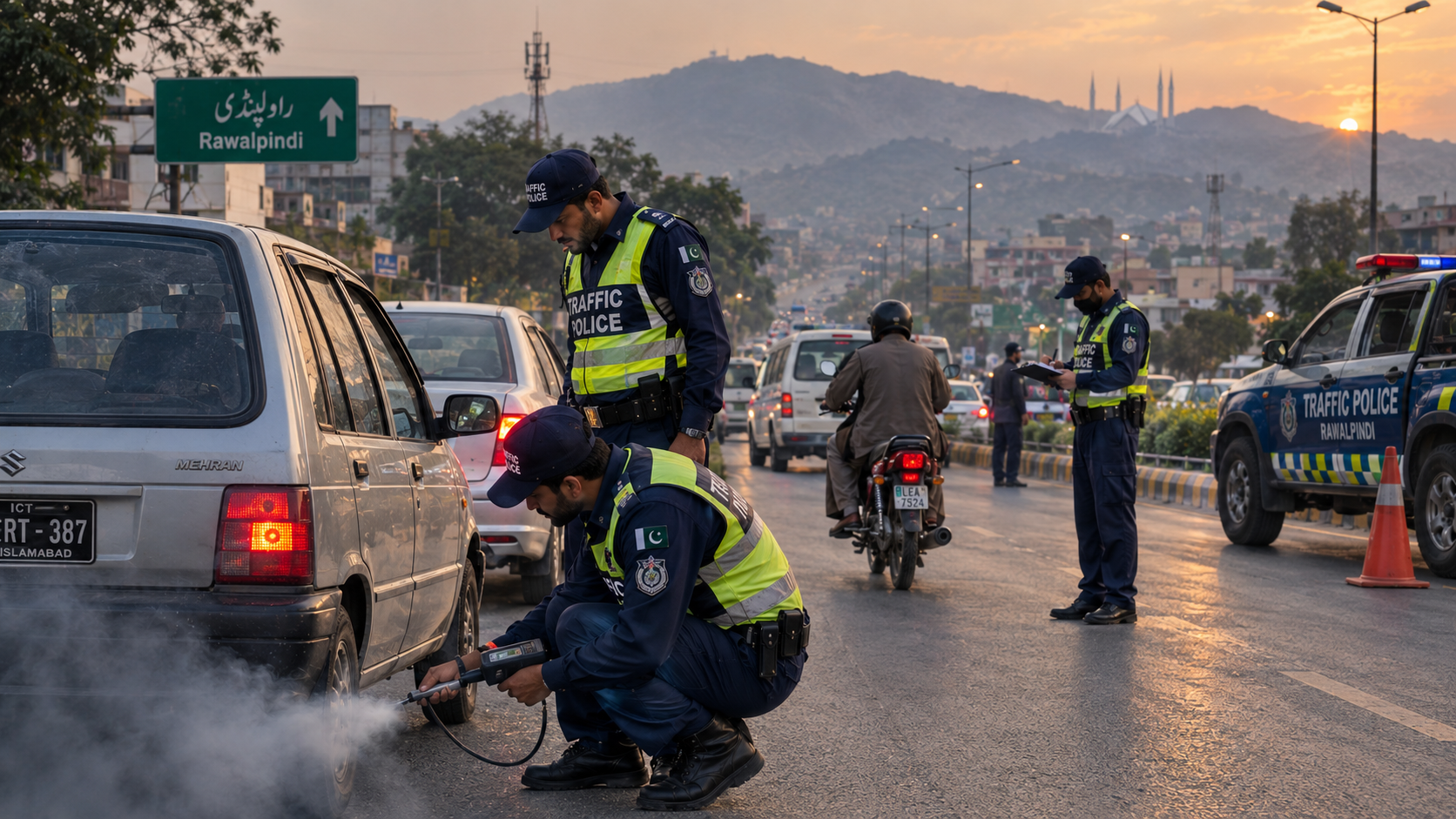
Rawalpindi to Impound Smoke-Emitting Vehicles
Rawalpindi Traffic Police is gearing up for a citywide crackdown on smoke-belching vehicles, with inspections, fines and delays for commuters.
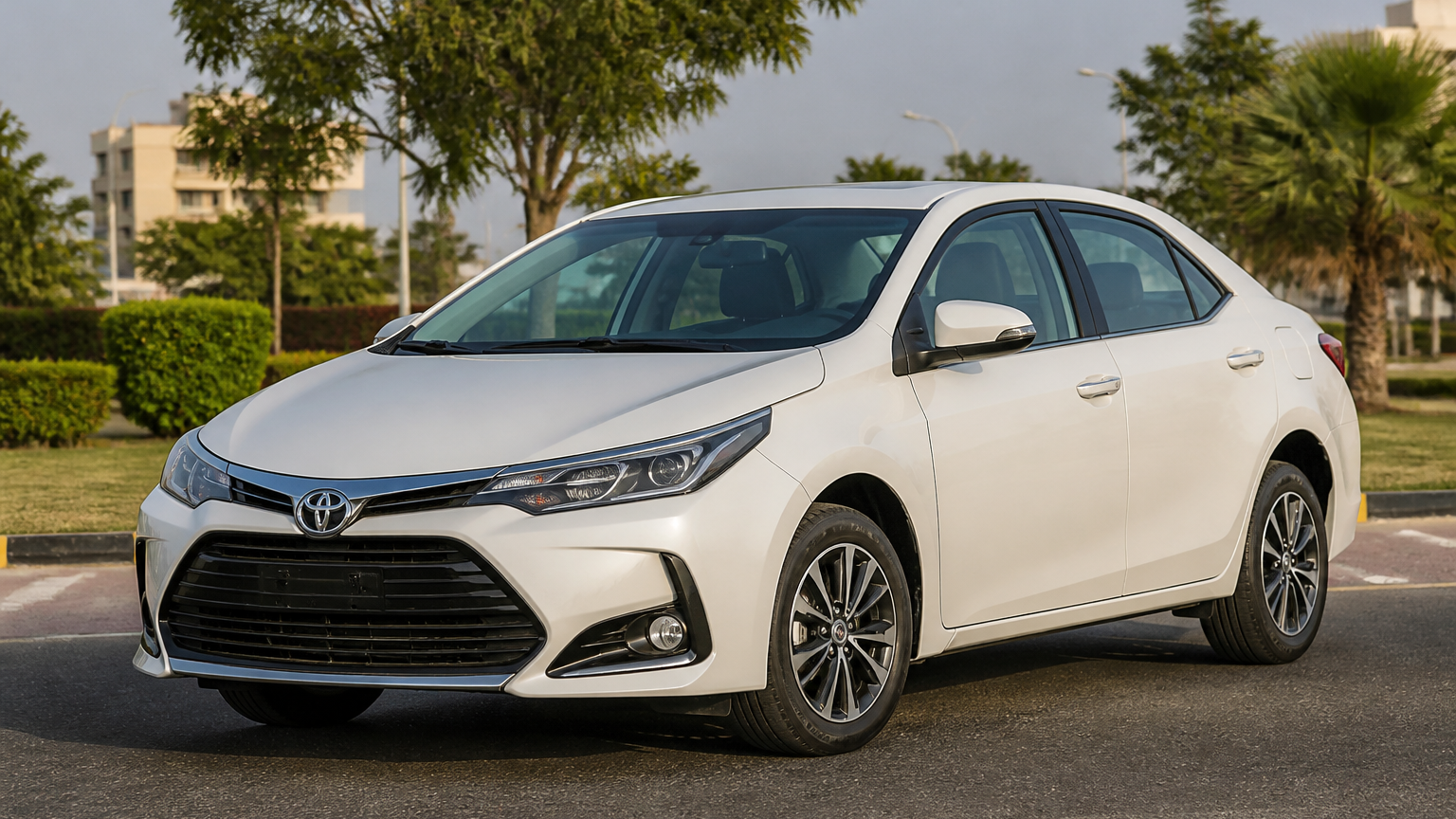
Toyota Corolla Discontinued Before Pakistan Facelift
Pakistan’s pre-facelift Toyota Corolla is reportedly discontinued, hinting at a facelift. Prices, bookings, specs and launch timing remain unconfirmed.