China's Humanoid Robots Enter Car Factories
China’s car factories are testing humanoid robots for tricky, flexible tasks—not replacing robotic arms—offering clues to automation’s next frontier.
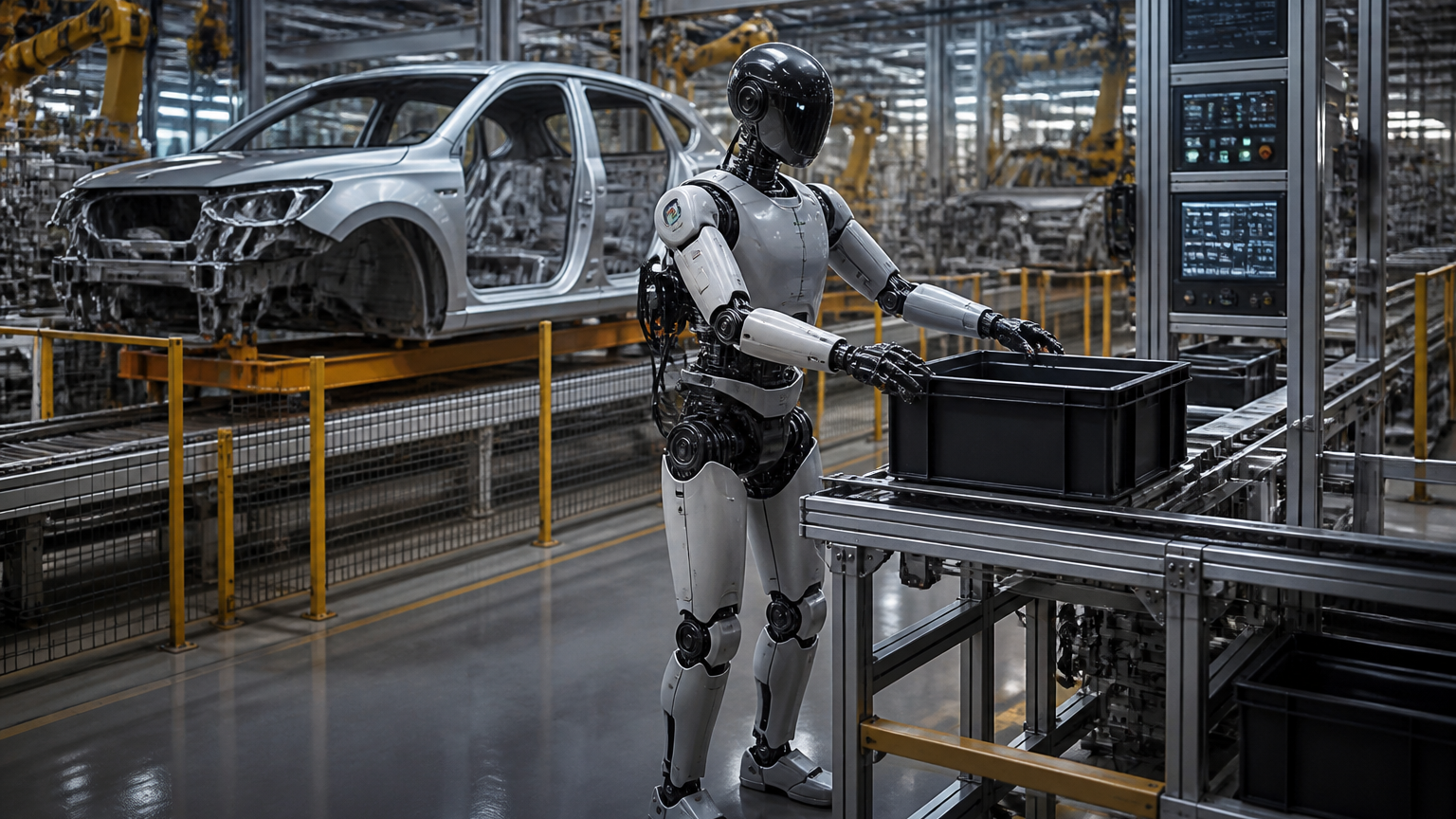
Table of Contents
- China Already Has a Huge Robot Base
- Why Car Makers Want Human-Shaped Robots
- What Chinese Carmakers Are Testing
- Why High Accuracy Still May Not Be Enough
- What It Could Mean for Pakistan
- Explore DrivePK services
Humanoid robots are starting to appear in Chinese car factories, but they are not there to replace the robotic arms already doing welding, painting and stamping. According to source reports, the new machines are being tested for smaller jobs that need more flexibility, like handling mixed parts, folding boxes and working in spaces made for human hands.
That matters for readers in Pakistan because it shows where the next wave of factory automation may go. The first target is not the whole car line. It is the awkward work that ordinary robots still struggle with.
China Already Has a Huge Robot Base
According to source reports, China installed around 354,000 industrial robots in 2025, which was said to be nearly 59% of global installations. The country’s operational industrial robot stock has also crossed 2 million.
But those are industrial robots in general, not humanoid robots alone. Most are the familiar machines already used in car plants: welding arms, paint systems, stamping presses, inspection gear, conveyors, AGVs and AMRs.
In simple terms, those machines already do the heavy repeat work. They weld body panels, spray paint in closed cells, stamp metal parts and move seats, batteries and dashboards around the plant.
Why Car Makers Want Human-Shaped Robots
The reason humanoid robots are getting attention is not that factories suddenly need another welder. It is because some jobs are still messy and hard to automate.
Loose cables, rubber seals, boxes, connectors and parts that are not always in the same place are harder for fixed machines to handle. A robot arm is great when the task never changes. But when the object shifts, bends or needs several small movements, the job becomes much harder.
A humanoid robot may fit better because factories are already built around human-shaped workstations, tools and shelves. In theory, that means a maker can test the robot without redesigning the whole line.
What Chinese Carmakers Are Testing
According to source reports, Xiaomi has tested humanoid and embodied AI systems for threaded insert nuts, centre-console side-cover sorting and folding reusable logistics boxes. The company also said one dual-side manipulation task improved from 90.2% to 98%.
That is a useful gain, but it is still a test result, not proof of full-scale mass production.
Other automakers are also trying different jobs. According to source reports, BYD has tested UBTECH’s Walker S1 for logistics and material handling, while also using other unmanned systems in its plants. NIO has tested robots for door locks, seat belts, headlight covers and vehicle badge placement. Geely and its brands have tested them for EV charging connectors and material handling.
Why High Accuracy Still May Not Be Enough
A factory can build a vehicle about every minute in a fast line. At that speed, even a small delay can hurt output. So a robot that works well in a demo must also prove it can run all day, every day.
That brings up the real problems: heat, joint wear, battery life, repair costs and the risk of slow movement or repeated mistakes. Soft parts are also tough. Cables, fabric, rubber and interior trim do not behave like rigid metal.
So a 95% success rate may sound high, but on a car line it can still be too low if the remaining errors stop production.
What It Could Mean for Pakistan
For Pakistan, the big point is not that factories will soon be filled with humanoid robots. The source reports point to task support, not instant worker replacement. The first uses are more likely to be inspection, logistics and awkward assembly tasks.
There is no confirmed Pakistani automaker deployment, local price estimate or launch timeline in the source material. Any wider use here would depend on robot cost, imported equipment, plant investment, technical training and after-sales support.
For now, Pakistan’s more realistic near-term steps are still conventional automation, worker training and digital quality control. Readers should watch for verified announcements from local automakers, not assume that humanoid robots are coming soon.
China’s trials are a strong signal of where factory tech is heading, but they are not the same as a finished production solution. The real test will be speed, reliability and cost over long runs, not just a good demo.
Background reading: Xiaomi’s EVs Hit a High Note in China’s Market | China is Back on Top And Pakistan’s Car Market Will Never Look the Same
Explore DrivePK services
Buying or selling a vehicle? Explore DrivePK services, including car inspection, Sell It For Me and Featured Listings, and choose the option that fits your needs.
For more updates, visit DrivePK.com
Tags
Share this article
About the Author

Dr Khan
Automotive Expert & Content Strategist
Comments (0)
Login Required
You need to be logged in to comment on this article.
No comments yet. Be the first to share your thoughts!
Related Articles
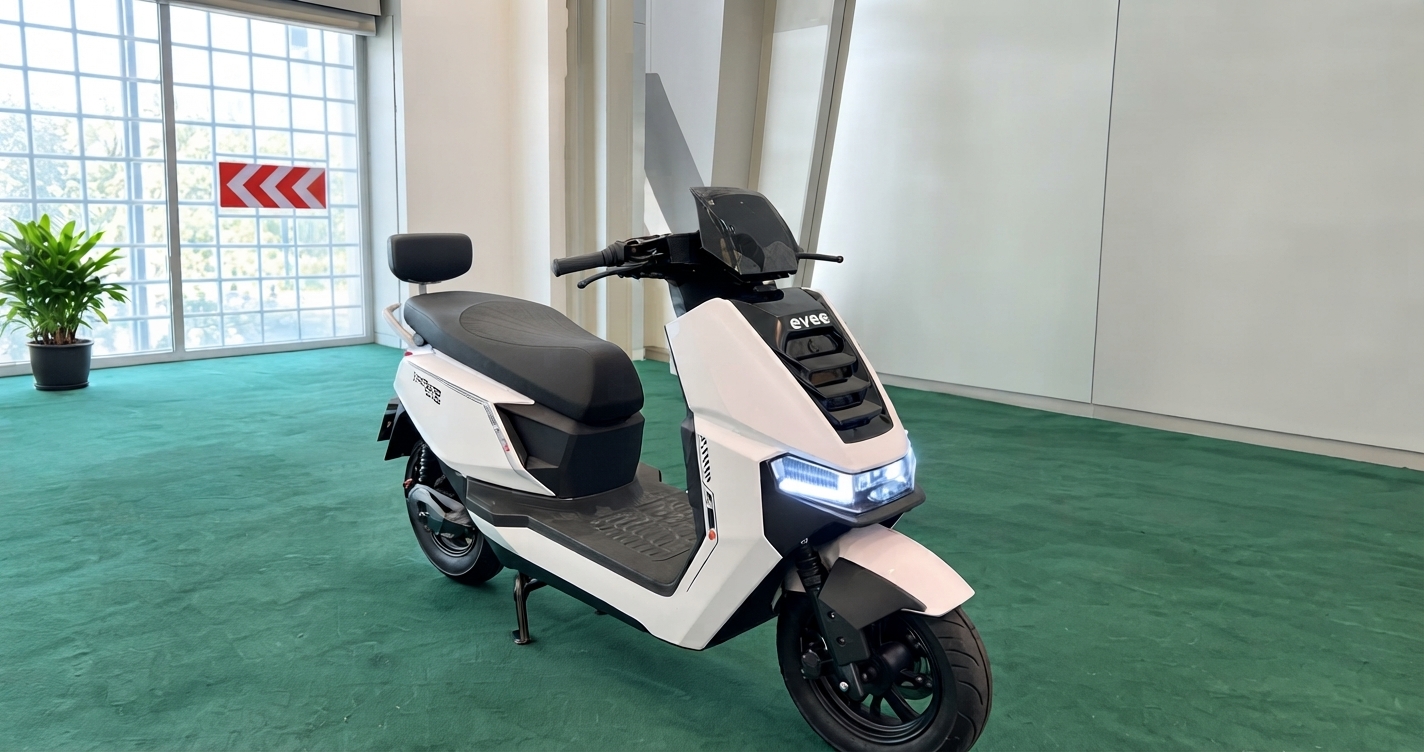
EVEE S1 Air Self Drive, Pakistan Auto Show Lahore
Many expected flying cars at PAPS 2026. None appeared. The show stayed on the ground with cars, bikes and one experimental self-driving scooter from EVEE. Here is the clear, verified picture from official coverage.
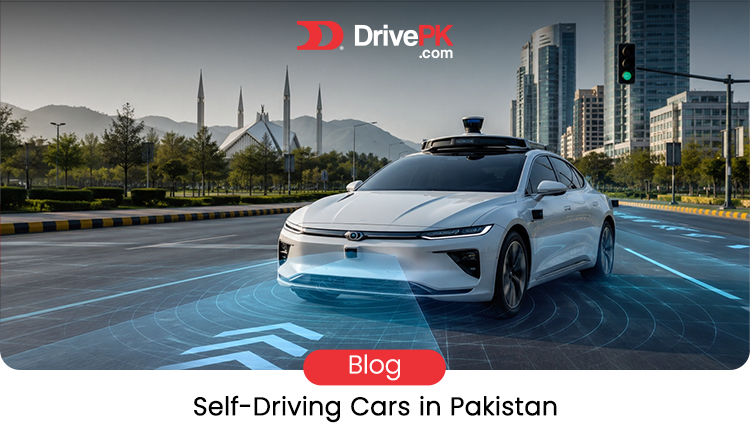
Self-Driving Cars in Pakistan: When Will It Happen?
Self-driving cars exist globally, but Pakistan faces real barriers, such as chaotic traffic, no legal framework, poor road markings, and limited 5G. Here's an honest, stage-by-stage look at when autonomous vehicles could realistically reach Pakistani roads and what needs to change first.