EU Hybrid Import Limits: What Pakistan Gains
EU will cap qualifying hybrid imports from Dec 2026, but Pakistani-origin hybrids are exempt—without promising cheaper cars for local buyers.
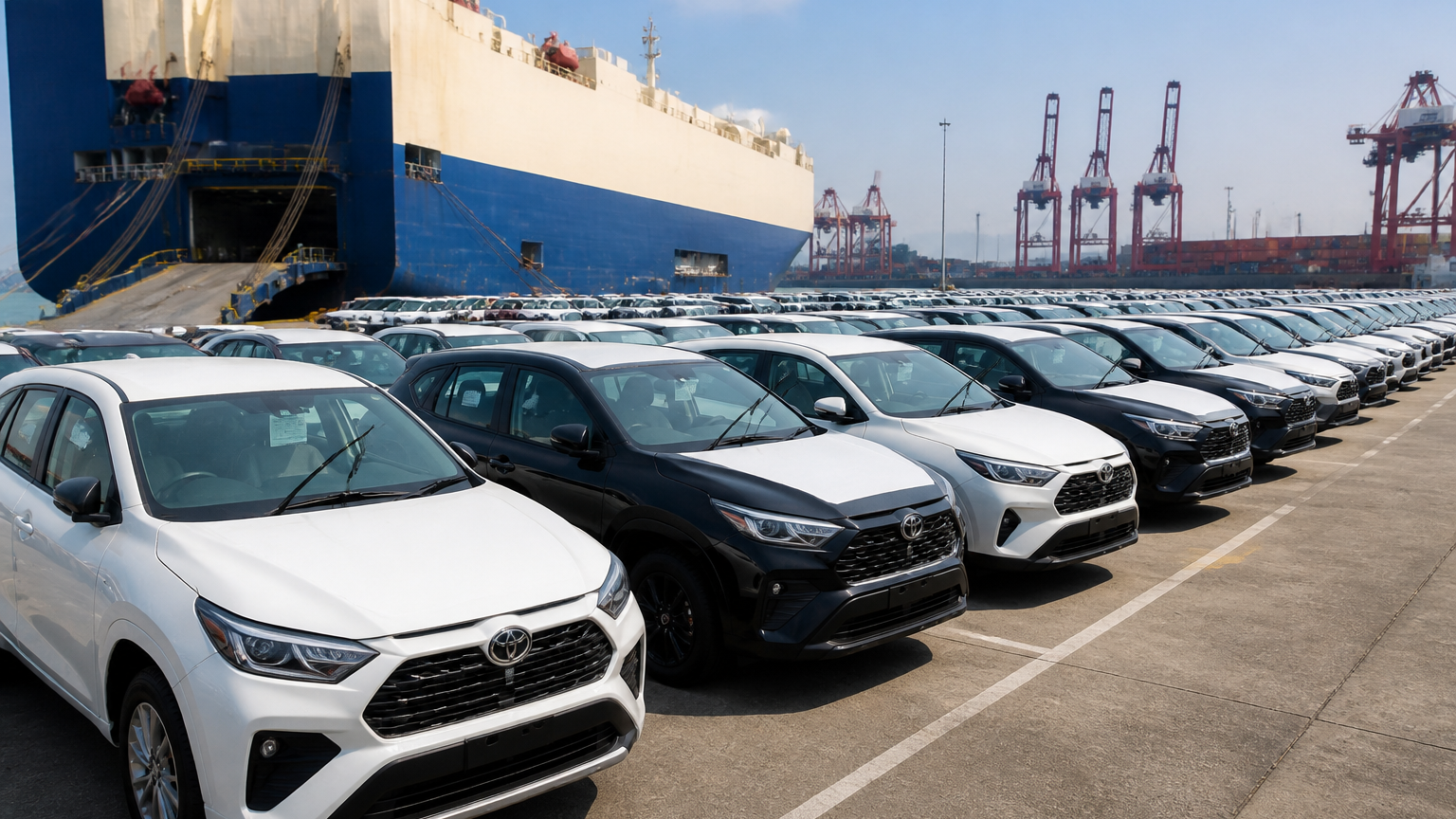
The European Union is about to cap imports of qualifying new hybrid and plug-in hybrid cars from several major auto-producing countries. The rule starts on December 1, 2026 and runs until June 18, 2027.
For Pakistan, the key detail is this: qualifying Pakistani-origin hybrid vehicles are exempt. But that does not mean cheaper hybrids will suddenly appear in local showrooms. For background, read our earlier coverage: How Budget 2026-27 Sabotaged Pakistan's Hybrid & EV Future Before It Launched.
The EU move is a trade rule, not a price cut. It limits how many vehicles can enter the bloc under a safeguard quota system. It does not apply to fully electric cars, and it does not cover used hybrids.
Which countries are covered?
The quota list includes big exporters such as:
- China: 191,780 vehicles
- Japan: 170,889
- Türkiye: 126,320
- United Kingdom: 105,402
- South Korea: 67,924
- Mexico: 34,755
- Morocco: 23,954
- Serbia: 19,353
- United States: 18,482
These figures combine three quota periods. A separate residual quota is not included.
The important point is that the EU is looking at where a car is made, not just the brand name on the badge. A Japanese brand built in Europe does not count the same way as a car shipped from Japan. A vehicle assembled in one country may fall under that country’s quota if its origin rules match.
Why is Europe doing this?
The European Commission launched a safeguard investigation on October 30, 2026 after a sharp rise in hybrid imports. The aim is to protect European car makers from heavy import pressure, especially from Chinese-built hybrids.
This is different from a tariff. A tariff raises the cost of imports. A quota limits how many can enter the market.
What does Pakistan’s exemption really mean?
Pakistan falls under the developing-country exception in the EU rules, so qualifying vehicles of Pakistani origin are not part of the cap. But this is not a special trade deal for Pakistan.
It also does not mean that Chinese carmakers can simply move vehicles through Pakistan and avoid the EU limit. EU origin rules still apply, along with safety, emissions, and vehicle approval standards. Local assembly alone is not enough to make a car Pakistani-origin in the eyes of European customs.
So yes, Pakistan has a small window of opportunity. But turning that into real exports is another matter.
Can Pakistan’s auto policy use this opening?
Pakistan’s proposed Auto Policy 2026–31 is trying to build exactly that kind of opening. The framework has included a reported $6 billion export target over five years, incentives for EVs and exporters, more localisation, and a proposed levy on conventional combustion vehicles to help support incentives.
But as of November 25, 2026, the framework was still waiting for formal cabinet approval. That means it is still a proposal, not a fully active policy.
For background on Pakistan’s policy direction, readers can also see our coverage of Pakistan Auto Policy 2026-31 on Hold: Hybrid Tax Shock.
Will hybrids like Corolla Cross HEV get cheaper?
Not automatically.
Models such as the Toyota Corolla Cross HEV, Haval Jolion HEV, and Honda HR-V e:HEV may come into the conversation, but there is no confirmed sign that Pakistan will get more units or lower prices because of the EU rule.
Local car prices are still shaped more by exchange rates, duties, taxes, freight, production costs, and brand competition. If Europe limits supply, some makers may look for other markets. That does not guarantee that Pakistan will see a discount.
What this means for Pakistan
The EU decision removes one trade barrier for qualifying Pakistani-origin hybrids. But it does not create an export shortcut.
For Pakistan to benefit in a real way, it will need more than policy talk. It will need competitive costs, local parts, quality control, and vehicles that meet foreign rules. Otherwise, the country may end up with assembly work, but not serious exports.
For buyers, the best move is simple: do not rush or delay a purchase because of this EU rule alone. Compare today’s price, financing, fuel savings, warranty, and parts support before deciding.
Explore DrivePK services
Buying or selling a vehicle? Explore DrivePK services, including car inspection, Sell It For Me and Featured Listings, and choose the option that fits your needs.
For more updates, visit DrivePK.com
Share this article
About the author

Dr Khan
Automotive expert and content strategist
Comments (0)
Sign in required
Sign in to comment on this article.
No comments yet. Be the first to share your thoughts!