Galiyat Roads Reopen After Heavy Snowfall
Two Galiyat routes reportedly reopen after snow and hail—but icy patches remain. Salting continues, so drivers should stay alert on icy mountain bends.
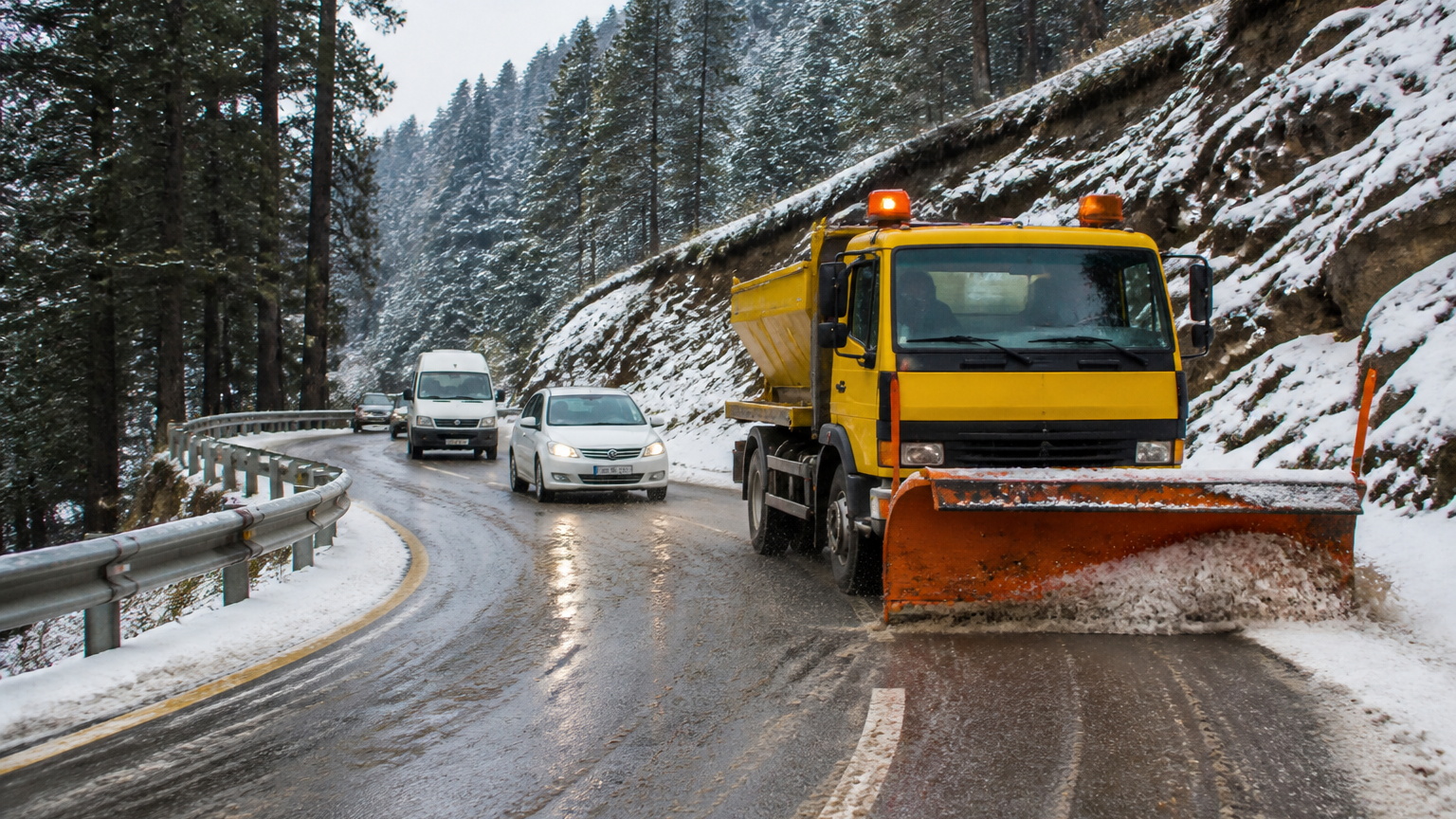
Table of Contents
- Which Galiyat routes have reportedly reopened?
- Why does salting continue after snow clearance?
- What should drivers check before travelling to Galiyat?
- What does the reopening mean for residents and tourists?
- What could close the roads again?
- Conclusion
- Explore DrivePK services
A source report says the Baragali-Dunga Gali Road and the route through Changla Gali reopened after heavy snowfall and hail in Galiyat, which means traffic could move again on those named stretches. But that does not mean the mountain roads are fully safe yet. Salting was still being done on slippery sections, and on a cold shaded bend, a thin ice patch can still catch you out.
Which Galiyat routes have reportedly reopened?
According to a source report, snow clearance work opened the Baragali-Dunga Gali Road again, and the route through Changla Gali was also cleared for traffic. The same report said travel resumed for residents and tourists after the disruption caused by snow and hail.
That said, this is still a developing road update, not a fully verified official clearance notice. The report does not give a clear timestamp for the reopening, and it does not confirm whether every connecting road toward Nathiagali, Dunga Gali, and Changla Gali is open all day without interruption. If you’re planning a trip, treat this as a route-by-route update, not a blanket green signal for the whole area.
For another winter-road example from our archives, see Heavy Snowfall Shuts Down Islamabad-Murree Expressway for General Traffic. Mountain weather can change fast, and the same road can go from passable to risky in a short time.
Why does salting continue after snow clearance?
Because clearing snow is only half the job.
A road can look open, but meltwater can freeze again when temperatures drop. That’s when the real danger starts. The surface may still hold hidden ice in shaded bends, on steep climbs, on elevated stretches, and on parts of the road that don’t get much traffic.
According to the source report, salting was continuing on slippery sections even after reopening. That makes sense. Salt helps reduce ice, but it doesn’t promise perfect grip, and it definitely doesn’t make mountain driving “normal” again.
So if you see a report saying a road has reopened, read it this way: traffic may be moving, but caution is still needed.
A separate community video from Peer-Ki-Gali also showed snowfall visuals and had a comment saying traffic had resumed, but it did not confirm the named roads or the official status of the route: community snowfall video from Peer-Ki-Gali.
What should drivers check before travelling to Galiyat?
If you’re heading up there, don’t rely on one post or one old update. Check the latest road condition before you leave.
Keep these basics in mind:
- Leave during daylight if you can.
- Slow down early on bends, climbs, and shaded patches.
- Keep a bigger gap from the vehicle ahead.
- Avoid hard braking or sharp steering.
- Check tyres, brakes, lights, fuel level, and windscreen visibility before departure.
- Carry warm clothes and basic emergency items.
- If snowfall, hail, or fog returns, be ready to delay the trip.
This matters even more if you’re taking family along. A short mountain drive can turn stressful fast when visibility drops or a hidden icy patch appears on a curve.
What does the reopening mean for residents and tourists?
For residents, a reopened road can mean easier movement for daily travel and supplies. For tourists, it may open the door to trips toward Nathiagali, Dunga Gali, and Changla Gali again.
But the key word is may. Reopening is not the same as “safe for normal speed.” If you’re going for a picnic, a quick visit, or a family outing, it’s smarter to wait for the latest official update before you set off. If officials issue another warning or fresh snow starts, postpone the trip.
For broader winter driving context, you can also check Islamabad Roads Reopen: Traffic Flows Freely Again.
What could close the roads again?
Fresh snowfall or hail can do it. So can freezing temperatures after sunset, which may bring back black ice on treated patches. Fog, low cloud, and more precipitation can also reduce visibility and force another stop.
That’s why you should not assume a morning reopening will still hold by evening. Mountain routes can change quickly, and Galiyat is no exception. Before you leave, verify the latest official road condition through the local district administration or the road authority handling the route.
Conclusion
The reported Galiyat road reopening is good news, but it comes with a warning. The Baragali-Dunga Gali Road and the Changla Gali route are said to be open after clearance, yet salting is still continuing and icy patches may still be there. If you’re travelling, slow down, stay alert on shaded bends, and check the latest official conditions before you drive.
Explore DrivePK services
Buying or selling a vehicle? Explore DrivePK services, including car inspection, Sell It For Me and Featured Listings, and choose the option that fits your needs.
For more updates, visit DrivePK.com
Tags
Share this article
About the Author

Dr Khan
Automotive Expert & Content Strategist
Comments (0)
Login Required
You need to be logged in to comment on this article.
No comments yet. Be the first to share your thoughts!
Related Articles
روپے 644 ارب کے بلوچستان ہائی وے منصوبے 2028 تک مکمل ہوں گے
بلوچستان کے 10 ہائی وے منصوبے، جن کی مالیت روپے 644 ارب ہے، بہتر رابطوں کا وعدہ کرتے ہیں—تاہم ان کی تکمیل 2026 سے 2028 تک مرحلہ وار ہوگی۔
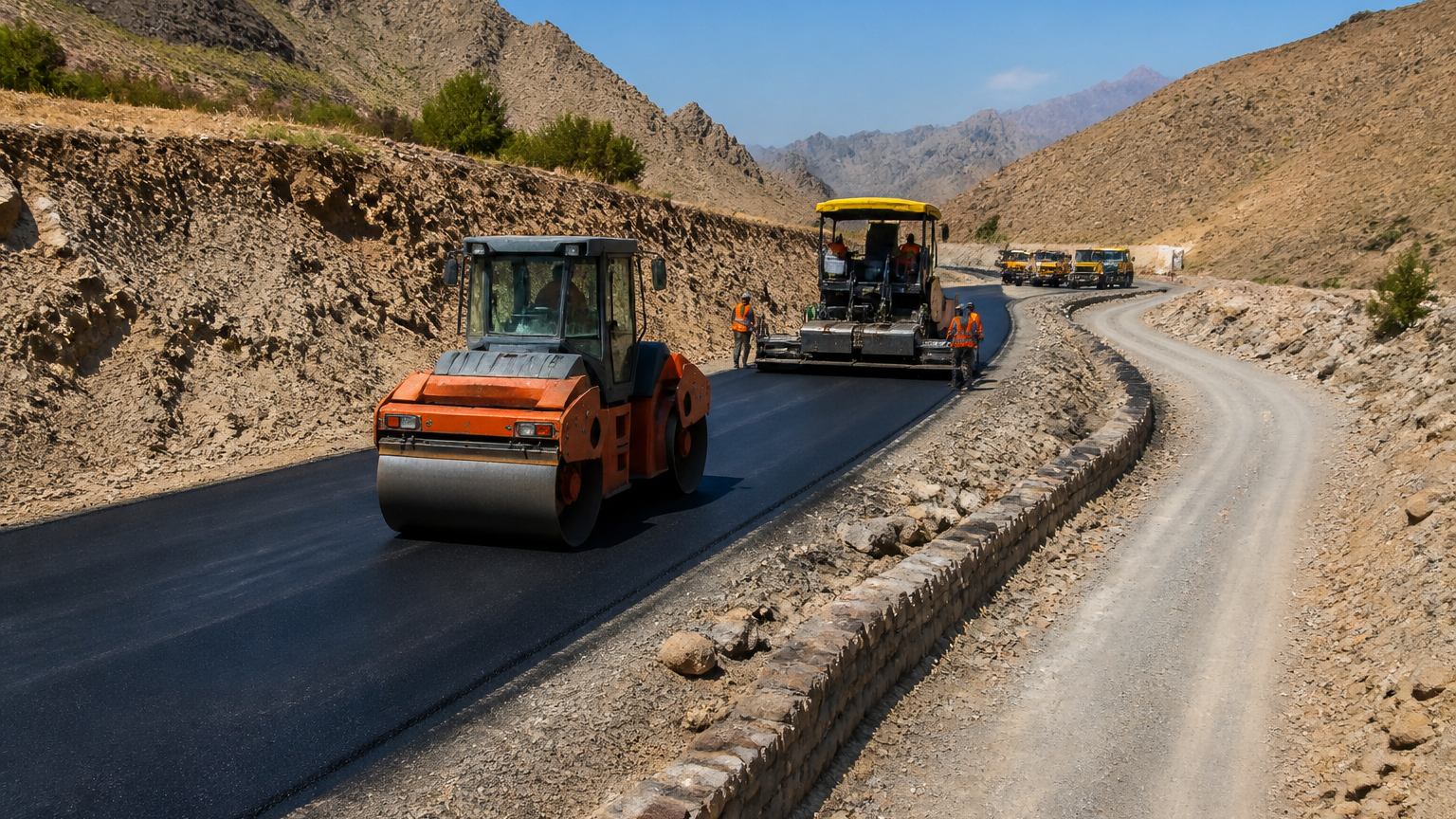
Rs 644bn Balochistan Highway Projects Due by 2028
Balochistan’s 10 highway projects, worth Rs644bn, promise better links—but completion is staggered from 2026 to 2028.
پاکستان میں گفٹ اسکیم کے تحت استعمال شدہ گاڑیوں کی درآمدات 2,238 تک پہنچ گئیں
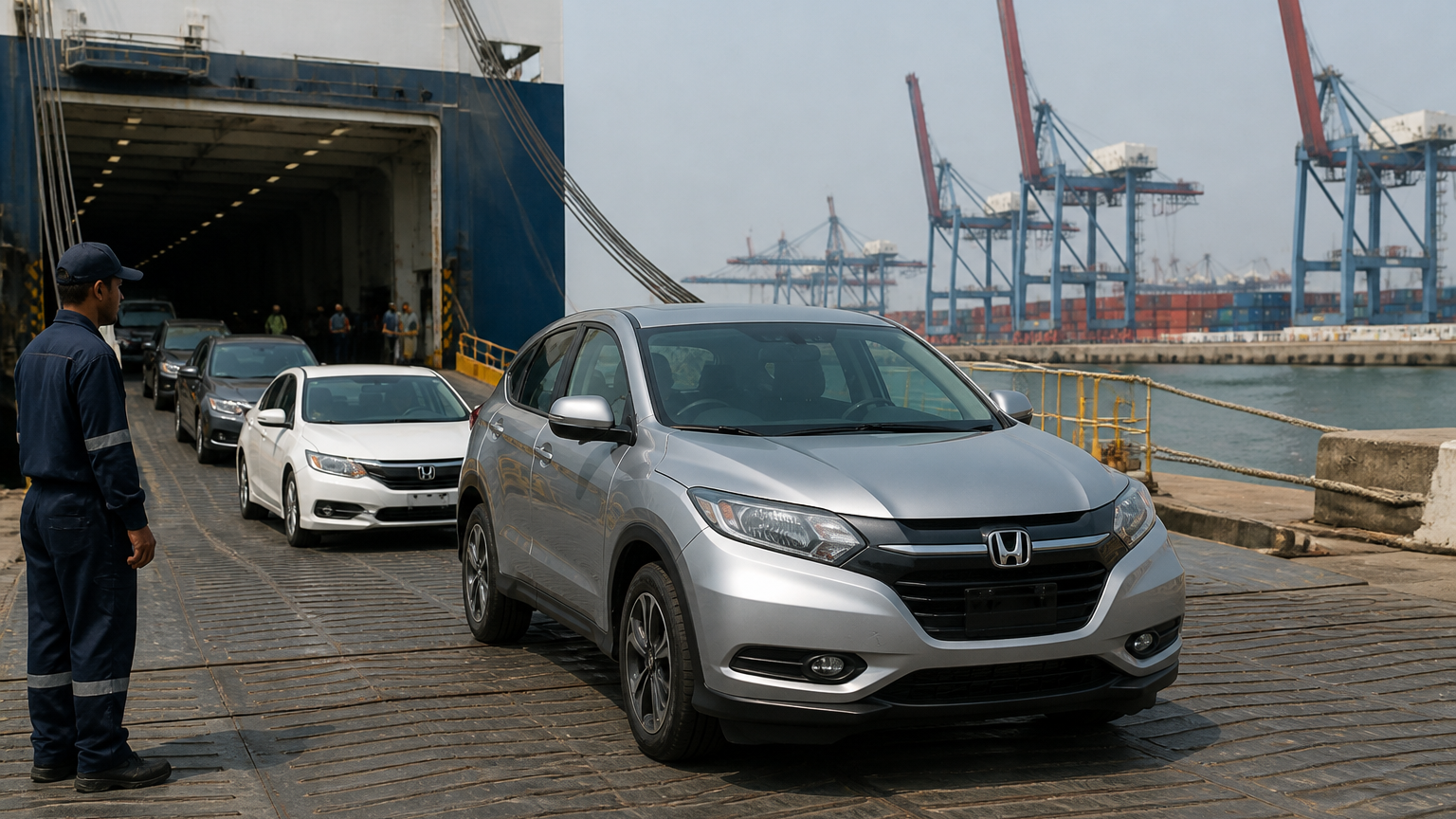
پاکستان میں گفٹ اسکیم کے تحت استعمال شدہ گاڑیوں کی درآمدات مئی میں 7 سے بڑھ کر ستمبر میں 2,238 تک پہنچ گئیں، جو تمام استعمال شدہ گاڑیوں کی درآمدات کا تقریباً 98 فیصد تھیں۔