Green Electric Bus Service Launched in Gujar Khan: Eco-Friendly Transport Boost
Gujar Khan now has a green electric bus service linking the bus terminal to T Chowk. With 14 buses in action, it's free for seniors, women, and students. This launch highlights Punjab's focus on clean, inclusive transport, with thousands more buses coming soon across the province.
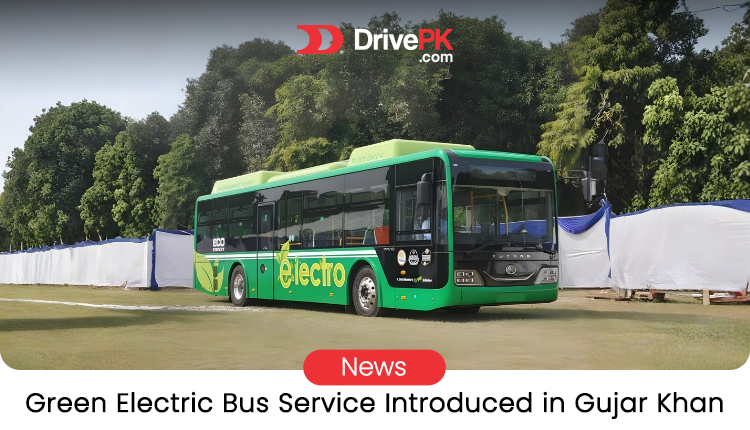
Table of Contents
- The Route and How It Works
- Behind the Launch: Who's Involved and Why
- Benefits for Everyday People
- Challenges and What’s Next
- Conclusion
Gujar Khan just got an upgrade in public transport. The tehsil-level green electric bus service kicked off recently, and it's already turning heads. No more dusty rides on old vans, this is about clean, quiet buses that cut down on pollution. The launch event drew a crowd, including key figures like Khawaja Manshaullah Butt and Bilal Akbar Khan. Lawmakers and top district officials were there too, showing real support from the top.
It's not every day a small town like Gujar Khan leads the way in eco-friendly moves. But here it is, marking a shift toward modern commuting. People in the area have been waiting for something reliable, especially with traffic picking up on the Grand Trunk Road. This service feels like a direct answer to that need. And with the Punjab government backing it, there's a sense it's just the beginning.
The Route and How It Works
The buses run a straightforward path: from the Gujar Khan Bus Terminal straight to T Chowk near Rawat on the GT Road. That's about 20-25 kilometers, depending on stops. It's a key stretch for locals heading to work, markets, or schools in nearby spots. Fourteen electric buses are assigned here, so waits shouldn't be too long. Think frequent trips during peak hours to keep things moving.
What stands out is the free access for certain groups. Senior citizens get on without paying a rupee. Same for women and students. That's a big deal in a place where transport costs add up fast for families. It makes school runs easier and lets elders visit relatives without worry. For everyone else, fares will likely stay low to encourage use. Officials haven't shared exact prices yet, but affordability is the goal.
These buses are battery-powered, so no diesel fumes choking the air. Charging stations are set up at the terminals, and the fleet is designed for efficiency. In a region where air quality dips during winter, this could make a noticeable difference. Plus, they're quieter, which means less noise pollution along busy roads.
Behind the Launch: Who's Involved and Why
Khawaja Manshaullah Butt and Bilal Akbar Khan led the inauguration, cutting the ribbon and sharing words on progress. They're local heavyweights, known for pushing development projects. Other lawmakers joined in, along with senior officials from the district administration. It was a mix of speeches and photo ops, but the message was clear: this is about building a better Punjab.
The Punjab government is driving this whole thing. They see it as part of a broader commitment to inclusive growth. Safe travel for all, especially vulnerable groups, tops the list. And sustainability? That's non-negotiable now, with climate concerns rising. Officials pointed out how electric buses reduce carbon emissions compared to traditional ones. It's a step toward greener cities, even in tehsils like Gujar Khan.
Looking ahead, the plan is ambitious. Over 2,600 buses will hit the roads across Punjab in the next two years. That's not just talk, it's funded and mapped out. Cities like Lahore and Faisalabad might get bigger shares, but rural areas aren't left behind. This rollout in Gujar Khan shows smaller towns are priorities too. It could inspire similar setups in other districts, linking remote spots to main hubs.
Benefits for Everyday People
Imagine hopping on a bus that's cool, clean, and free if you qualify. For students, it means focusing on studies instead of scraping for fare money. Women get safer options for daily errands, away from crowded private transports. Seniors can stay connected without depending on family rides. It's these small changes that build community strength.
On the environment side, fewer petrol vehicles mean clearer skies. Punjab faces smog issues yearly, and initiatives like this chip away at the problem. Electric buses use renewable energy where possible, aligning with global shifts. Locally, it creates jobs for drivers, mechanics trained for EV tech, and support staff. That's economic ripple effects in Gujar Khan and beyond.
Safety gets a nod here. Modern buses come with features like GPS tracking and emergency buttons. Routes are planned to avoid risky spots, and regular maintenance keeps things reliable. In a country where road accidents are common, this matters a lot.
Challenges and What’s Next
No new service is perfect from day one. Power supply for charging could be an issue in areas with loadshedding. But officials say backup systems are in place. Route expansion might come later, maybe reaching more villages off the GT Road. Feedback from riders will shape that.
The government plans to monitor usage and adjust. If it takes off, more buses could join the fleet. Partnerships with private firms might speed things up, ensuring tech stays current. For now, the focus is on smooth operations and getting people on board literally.
Communities are responding well. Social media buzz shows excitement, with locals sharing launch photos. It's a pride point for Gujar Khan, putting it on the map for positive reasons.
Conclusion
This electric bus launch in Gujar Khan is more than transport; it's a signal of change. Free rides for key groups, eco-friendly tech, and big plans ahead make it stand out. As Punjab rolls out thousands more buses, expect better connectivity province-wide. If you're in the area, give it a try. It could redefine how we get around.For more updates, visit DrivePK.com
Tags
Share this article
About the Author

Najeeb Khan
Automotive enthusiast and writer
Comments (0)
Login Required
You need to be logged in to comment on this article.
No comments yet. Be the first to share your thoughts!
Related Articles
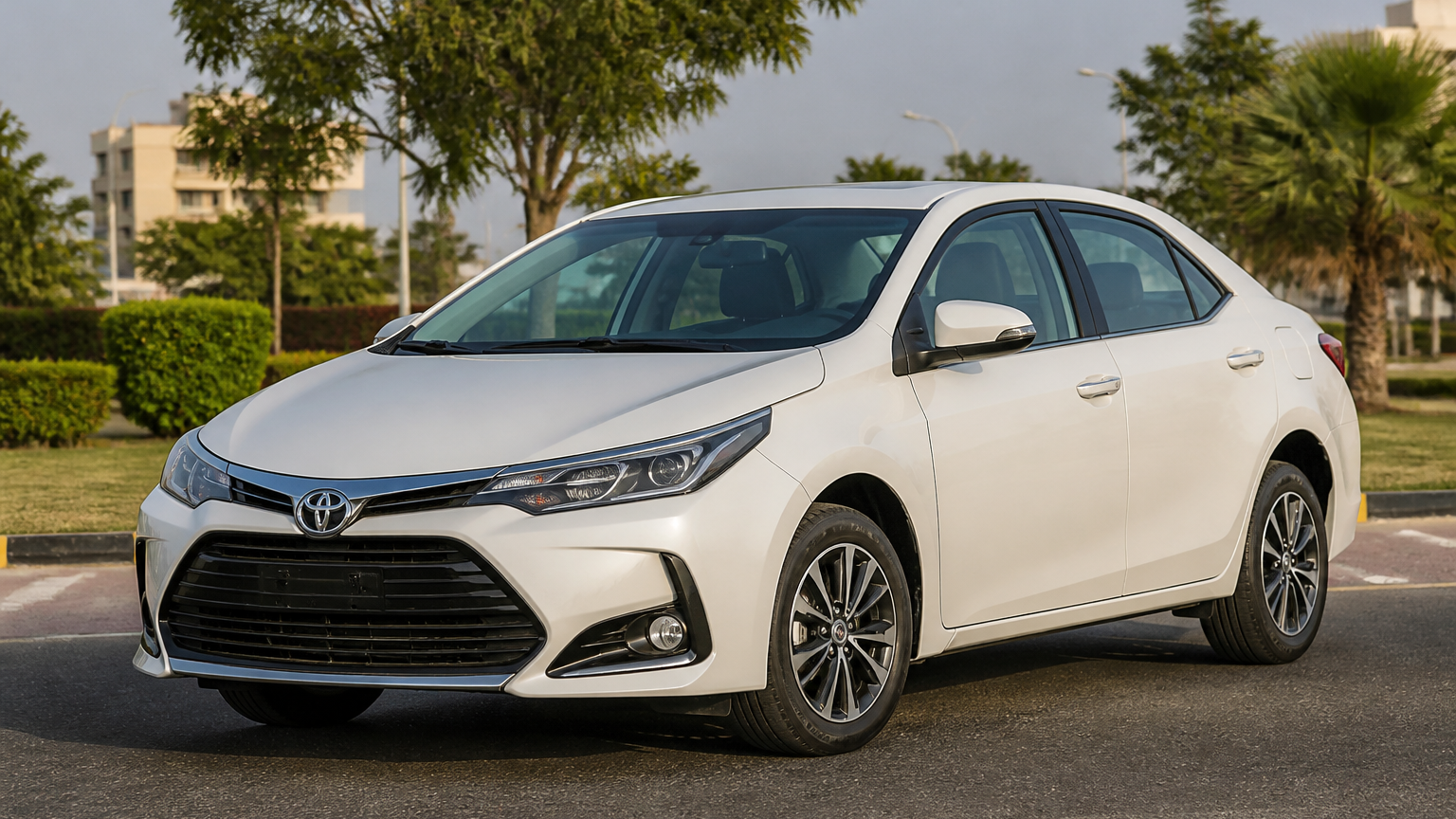
Toyota Corolla Discontinued Before Pakistan Facelift
Pakistan’s pre-facelift Toyota Corolla is reportedly discontinued, hinting at a facelift. Prices, bookings, specs and launch timing remain unconfirmed.
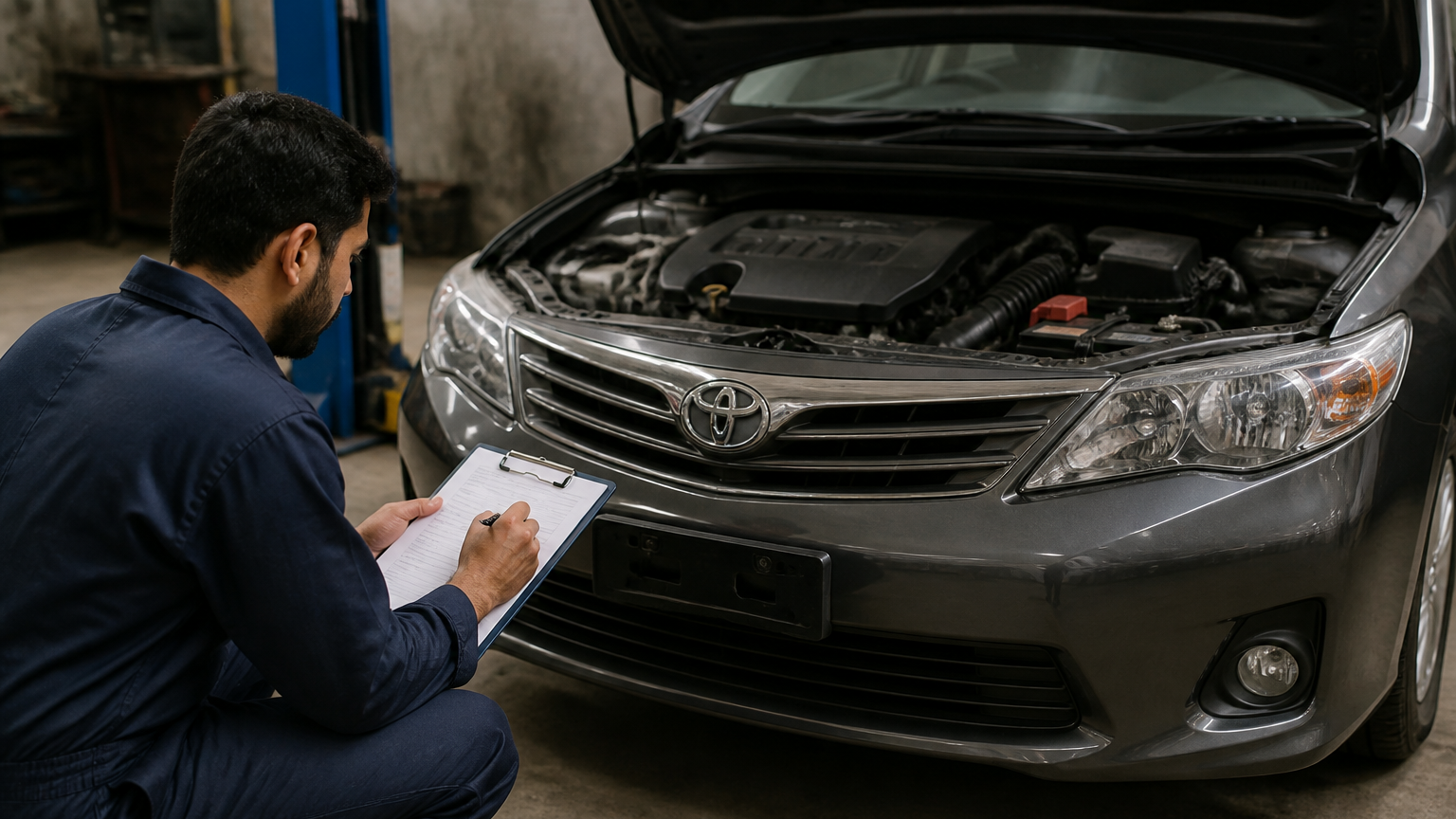
DrivePK Car Inspection Reports: Buy with Confidence
Buying a used car in Pakistan? A pre-purchase inspection can reveal hidden damage, engine issues and red flags before you pay—but it’s not enough alone.
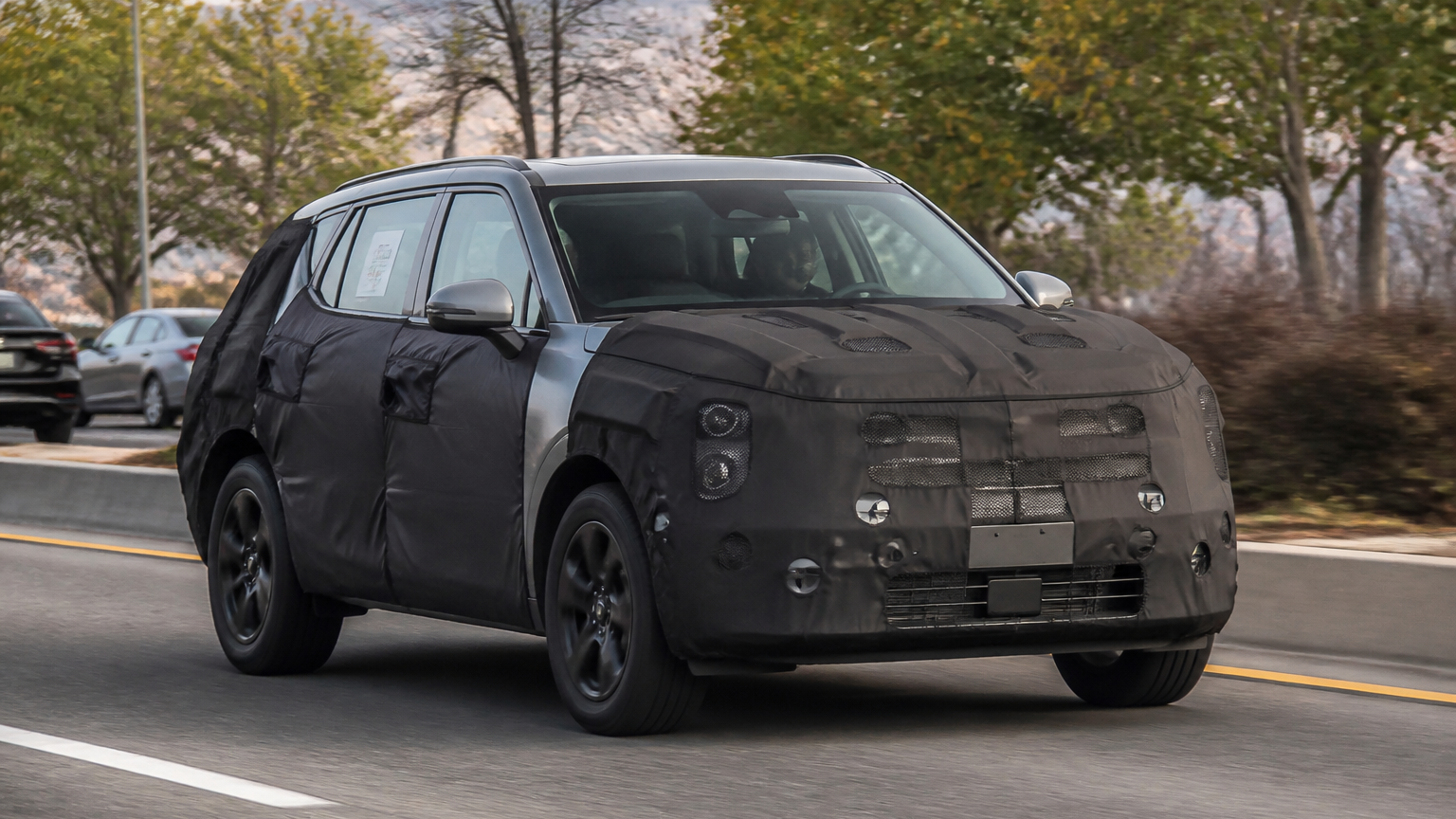
2028 Kia Sportage: Major Design Changes Spotted
Kia’s next Sportage may get a bolder, boxier redesign, with an upright profile, sharper lines, wider grille and split headlights hinted by spy shots.