Gujranwala Traffic Police Introduce Body-Worn Cameras for Wardens
Gujranwala traffic police have started equipping wardens with body-worn cameras. Around 100 officers at busy spots now record audio and video during interactions. This move by the Punjab government seeks to make traffic enforcement fairer and cut down on arguments with motorists. It's a step toward smarter policing in the city.
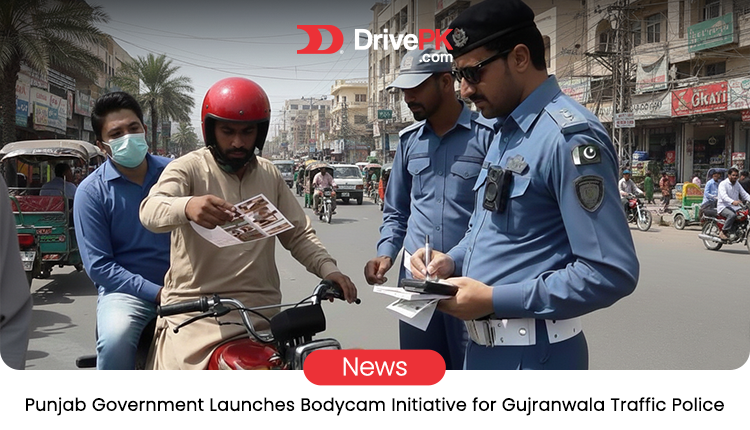
Table of Contents
- What’s New in Gujranwala
- Why They Brought in the Cameras
- How It Helps Everyday Drivers
- It Fits with What Gujranwala Already Has
- What Officials Hope to Achieve
- Will Other Cities Follow?
- Possible Challenges Ahead
- A Practical Step Forward
Traffic stops can get tense fast. One person says one thing, the warden says another, and suddenly everyone is upset. In Gujranwala, things might soon feel different. The local traffic police have begun giving body-worn cameras to their wardens.
This small change could make a real difference on the roads.
What’s New in Gujranwala
The Punjab government directed this pilot project. City Police Officer Dr Ghayas Gul Khan and Chief Traffic Officer Ayesha Butt launched it. They started near the Shamsi Chowk underpass. In the first phase, about 100 cameras were distributed to traffic wardens and other field officers. These include people working at major intersections, checkpoints, and busy roads.
The cameras are simple. They clip on and record both video and audio when wardens deal with drivers. No fancy extras. Just clear proof of what actually happened.
Why They Brought in the Cameras
Complaints come in often. Sometimes a driver says the warden was rude. Sometimes the warden says the driver argued or refused to follow the rules. Both sides tell different stories.
Body cameras fix that. They create a record that both drivers and officers can trust. CPO Dr Ghayas Gul Khan explained it clearly. He said investigations often get stuck because accounts don’t match. Now the footage can show the truth.
And that matters. When people know they are being recorded, they tend to stay calmer. Both drivers and wardens.
How It Helps Everyday Drivers
Think about your last traffic stop. Maybe you got a fine and felt it was unfair. Or maybe the warden let you go with a warning after a polite talk.
With cameras, both sides get protection. If a driver feels wrongly accused, the video can prove what really happened. If a warden faces a false complaint, the footage backs them up.
Early studies from other places show these cameras often lead to fewer complaints overall. People behave better when they know the interaction is on record. That means less stress for everyone on the road.
It Fits with What Gujranwala Already Has
Gujranwala already uses Safe City cameras and the e-challan system. Those catch violations from a distance. Speeding, wrong parking, and signals are handled by the fixed cameras.
Body cameras add the missing piece. They work up close during actual stops. This ground-level evidence makes the whole system stronger. Together, they push traffic management toward real technology instead of old-school arguments.
What Officials Hope to Achieve
The goal is straightforward: more accountability and public trust.
Wardens know their actions are recorded. Drivers know complaints will be checked against real footage. Over time, this should reduce fights at the side of the road and make enforcement feel fairer.
It is also a training tool. Senior officers can review footage to see what works and what doesn’t. Good examples can be shared. Mistakes can be corrected without guesswork.
Will Other Cities Follow?
Punjab Police plan to roll out body cameras in phases across more areas in the coming months. The Inspector General has already spoken about it. If the Gujranwala pilot goes well, expect to see this in Lahore, Faisalabad, and other big cities soon.
Many countries have tried this already. Places that stuck with the program often saw real drops in complaints and better relations between police and people.
Possible Challenges Ahead
No new system is perfect from day one. Storage of footage, privacy rules, and making sure cameras stay on during important moments, these need clear guidelines.
People also worry about constant watching. But the cameras are not always rolling. They activate during enforcement actions. And the focus stays on fairness, not spying.
Drivers should still follow traffic rules. The cameras won’t excuse violations. They just make sure the process stays honest.
A Practical Step Forward
This is not some huge revolution. It is a practical tool that addresses a real problem. In a busy city like Gujranwala, where roads stay crowded, and tempers can rise, small improvements count.
If you drive there regularly, pay attention next time you see a warden. You might notice the small camera now. And if something feels off during a stop, remember the interaction is likely recorded.
The hope is simple. Fewer disputes. Clearer records. And roads that feel a bit safer and fairer for everyone.
Gujranwala is testing something useful. If it works, the rest of Punjab and maybe the whole country could learn from it. For now, it is one step toward traffic policing that relies more on facts and less on arguments.
For more updates, visit DrivePK.com
Tags
Share this article
About the Author

Najeeb Khan
Automotive enthusiast and writer
Comments (0)
Login Required
You need to be logged in to comment on this article.
No comments yet. Be the first to share your thoughts!
Related Articles
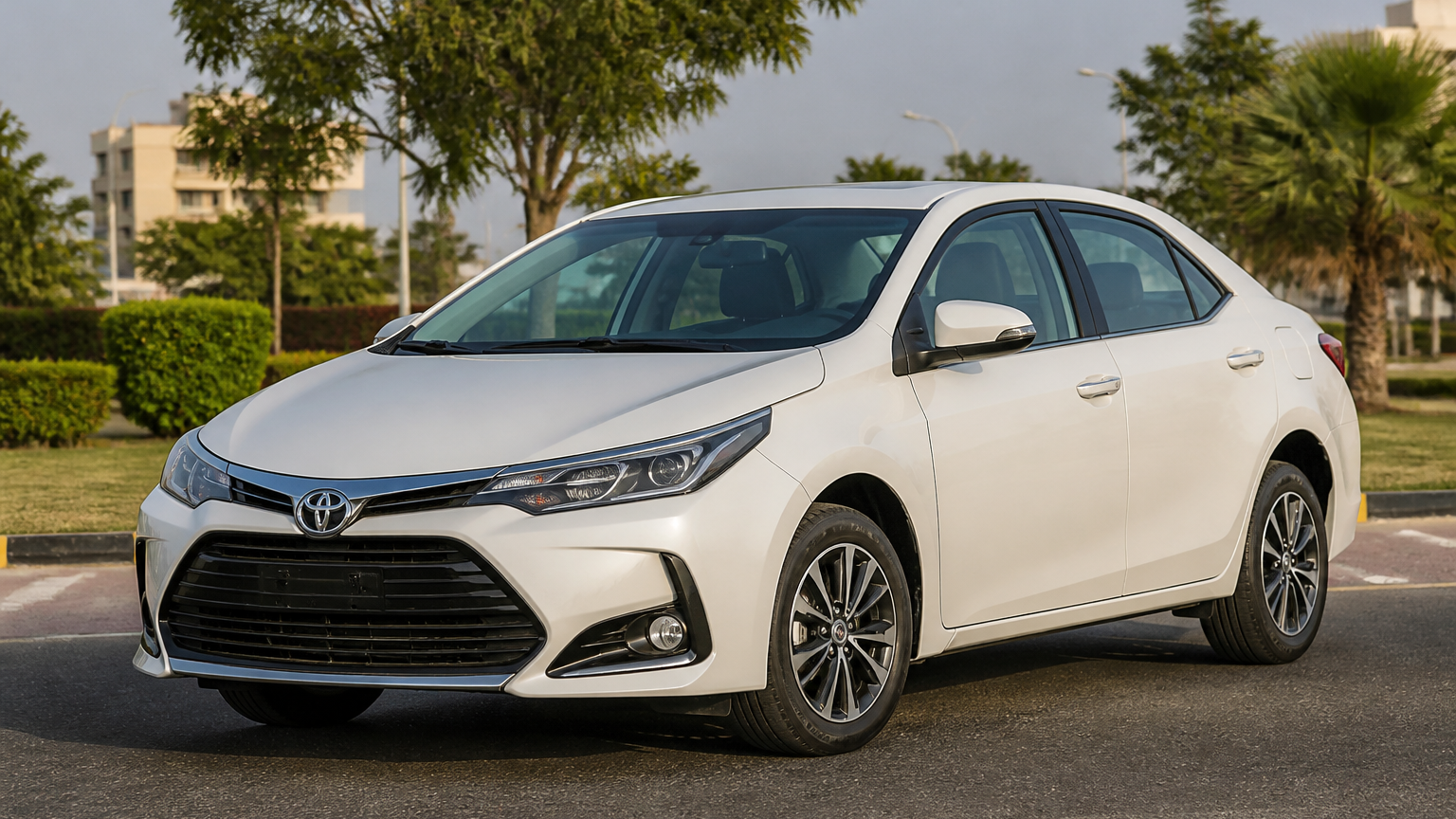
Toyota Corolla Discontinued Before Pakistan Facelift
Pakistan’s pre-facelift Toyota Corolla is reportedly discontinued, hinting at a facelift. Prices, bookings, specs and launch timing remain unconfirmed.
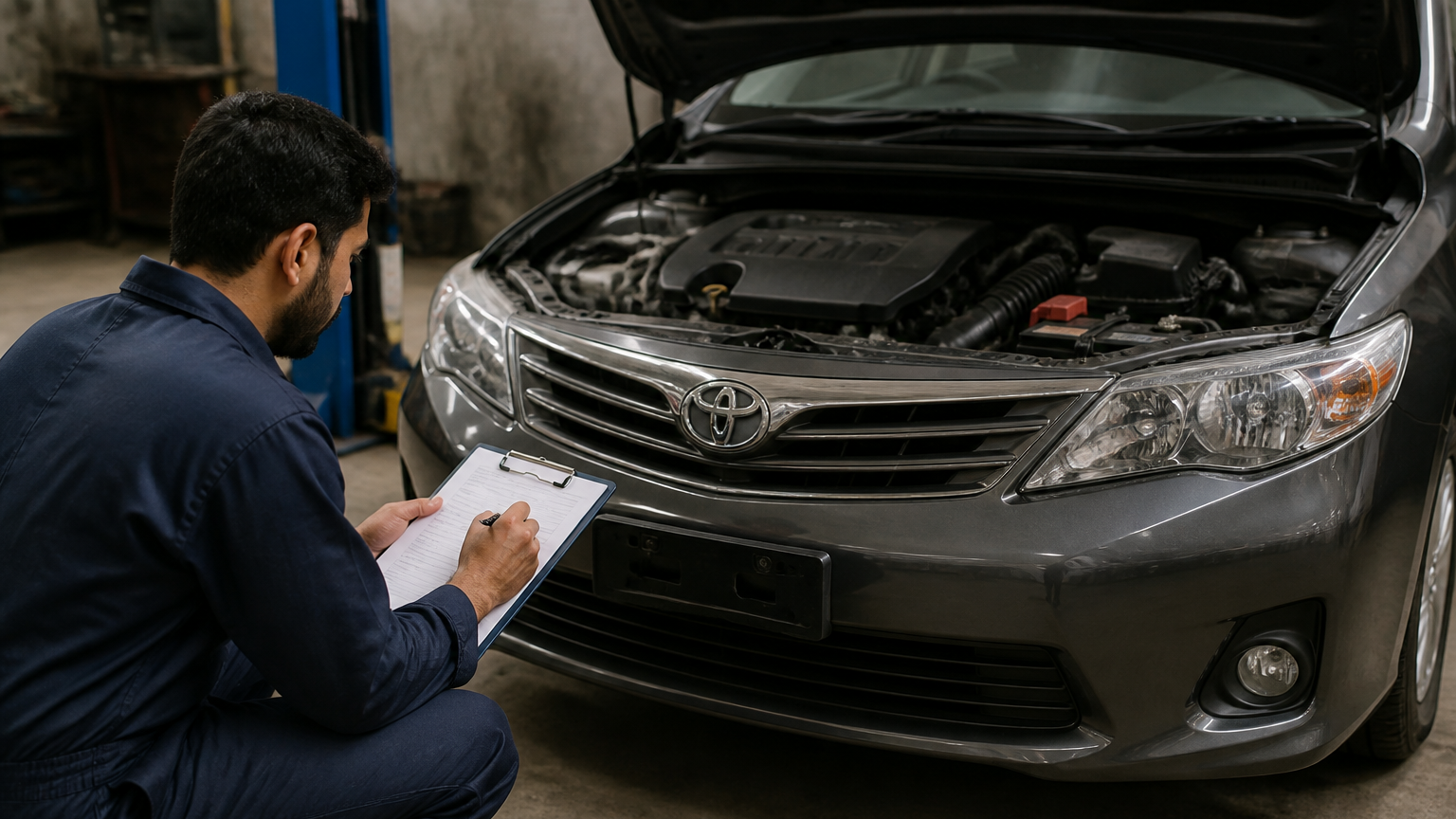
DrivePK Car Inspection Reports: Buy with Confidence
Buying a used car in Pakistan? A pre-purchase inspection can reveal hidden damage, engine issues and red flags before you pay—but it’s not enough alone.
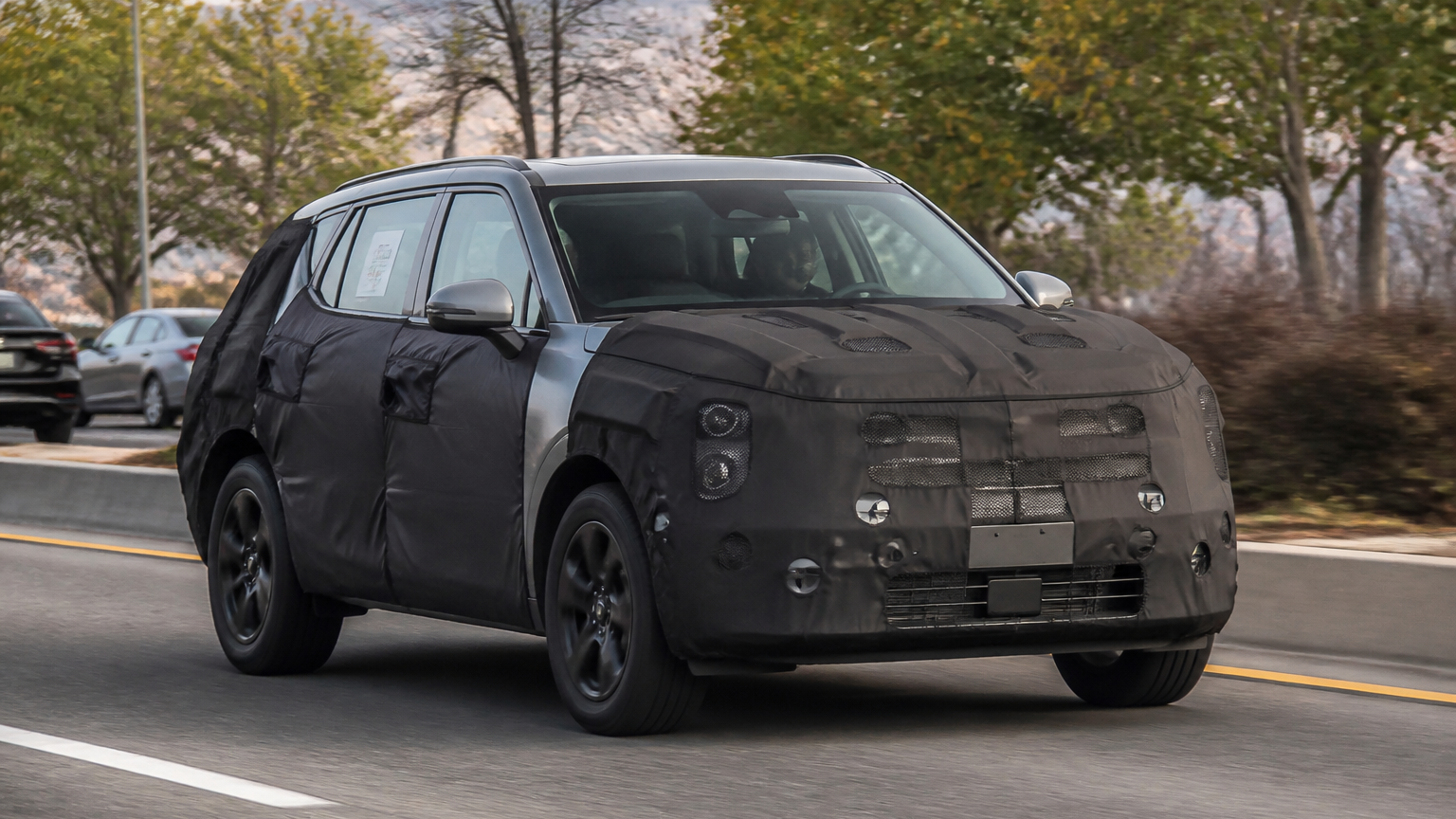
2028 Kia Sportage: Major Design Changes Spotted
Kia’s next Sportage may get a bolder, boxier redesign, with an upright profile, sharper lines, wider grille and split headlights hinted by spy shots.