How EV Pakistan Expo Is Promoting Innovative Electric Vehicles Across the Country
EV Pakistan Expo 2026 brings together electric scooters, BYD SUVs, batteries, and charging solutions at Pakistan Expo Centre, Lahore from 15-17 May. Discover latest EV models, test rides, policy discussions, and networking opportunities shaping Pakistan’s electric mobility future. Be part of the EV revolution.
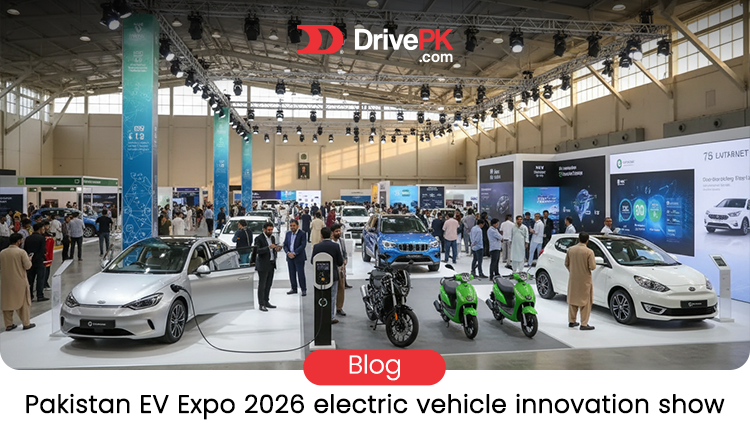
Table of Contents
- Pakistan's EV Journey So Far: Slow Burn, Sudden Spark
- Pakistan’s Journey from Fuel Dependence to EV Shift
- Pakistan’s Journey from Fuel Dependence to EV Shift
- Rapid Market Growth and Future Outlook
- Inside EV Pakistan Expo 2026: What Makes It Different
- Innovations on Display: From Scooters to Trucks
- Electric SUVs and Sedans
- Electric Commercial Vehicles and Trucks
- Battery Technology
- Charging Infrastructure
- How the Expo Is Driving Nationwide EV Adoption
- Real Benefits for Pakistanis: Economic, Environmental, and Everyday Life
- Cost Savings That Make EVs a Smart Choice
- Environmental Impact and Cleaner Cities
- Social Mobility and Job Creation
- Challenges We're Honestly Facing and How the Expo Helps Solve Them
- Grid readiness is a legitimate technical concern.
- What Visitors Can Expect and Why You Should Go
- The Future Starts in Lahore This May
- Frequently Asked Questions
- 1. Is EV Pakistan Expo only for people from Lahore?
- 2. How much do the electric vehicles on display cost?
- 3. Will there be test rides or test drives at the expo?
- 4. What about EV charging in smaller cities and towns — is this addressed at the expo?
- 5. Is the EV Pakistan Expo relevant for businesses and fleet operators?
- 6. What government policies support EV buyers in Pakistan right now?
- 7. Are there opportunities for investors and exhibitors at the expo?
- 8. How does local assembly factor into EV pricing, and what's happening in Pakistan?
- 9. What role does DrivePK.com play at the EV Pakistan Expo?
- 10. What is the broader long-term impact of EV Pakistan Expo on the national EV transition?
Picture this: It's a Tuesday morning in Lahore. The smog sits thick over the Canal Road. A delivery rider on a 70cc petrol bike is stuck in bumper-to-bumper traffic, engine idling, the fuel gauge creeping toward empty and at current petrol prices, that's a Rs 3,500-a-week habit just to stay employed. Now picture a second rider, weaving past him on a sleek electric scooter, near-silent, zero emissions, running costs closer to Rs 400 a week.
Same city. Same road. Two completely different financial realities.
That gap between where Pakistan is and where it could be is exactly what the EV Pakistan Expo is trying to close. Scheduled for 15 to 17 May 2026 at the Pakistan Expo Centre, Lahore, this isn't just another trade show. It's the most ambitious gathering of electric vehicle brands, battery makers, charging infrastructure players, policymakers, and everyday consumers that Pakistan has ever seen under one roof. From affordable electric scooters to full-sized electric SUVs, from commercial trucks to cutting-edge battery technology, EV Pakistan Expo 2026 is bringing together every piece of the puzzle that Pakistan needs to make the EV revolution real.
Here at DrivePK.com, Pakistan's first AI-powered auto media platform, we've been tracking this space closely, covering the Lahore EV Expo preview events, sitting down with brand representatives, and riding some of these machines ourselves. We can tell you honestly: the timing has never been better, the lineup has never been stronger, and the stakes have never been higher. This is the event that could genuinely change how Pakistanis think about getting from A to B.
Let's break down everything you need to know.
Pakistan's EV Journey So Far: Slow Burn, Sudden Spark
To understand why EV Pakistan Expo 2026 matters so much, you need to appreciate how far and how fast this country has come.
Pakistan’s Journey from Fuel Dependence to EV Shift
For decades, Pakistan's transport sector was essentially frozen in amber: 70cc petrol motorcycles, CNG-converted cars, imported used sedans, and a crippling dependence on oil. We import roughly USD 15 to 18 billion worth of petroleum products every year. Every rupee devaluation, every global oil price spike, every OPEC decision hits Pakistani households directly in the wallet. The environmental cost is equally brutal. Lahore has repeatedly ranked among the most polluted cities on Earth, with transport emissions contributing significantly to the fine particulate matter (PM2.5) that blankets the city every winter.
Pakistan’s Journey from Fuel Dependence to EV Shift
The government's New Energy Vehicle (NEV) Policy 2025 to 2030 is one of the most ambitious EV frameworks in South Asia, arriving with real teeth. The targets are bold: 30% of all new vehicle sales to be electric by 2030, scaling to 90% by 2040, and net-zero carbon emissions for the transport sector by 2060. To get there, the government attached serious incentives: subsidies of up to Rs 80,000 on electric bikes, up to Rs 400,000 on electric rickshaws, and a dramatically reduced 1% sales tax on EVs compared to standard rates. The policy also targets 3,000 public charging stations nationwide, a number that tells you the government knows that infrastructure, not just vehicles, is the real bottleneck.
The projected payoff? Forex savings of approximately USD 1 billion annually and a reduction of 4.5 million tons of CO₂ per year. Those aren't just environmentalist talking points; those are macroeconomic lifelines for a country managing a difficult current account.
Rapid Market Growth and Future Outlook
And the market has already started to respond. Electric two-wheelers saw a staggering 191% growth in 2024 to 2025, with approximately 90,000 units sold in that period. That's not a trend, that's a shift. Middle-class families, delivery fleets, and small business owners are doing the math on fuel savings and finding that the numbers strongly favour going electric, especially as upfront prices inch downward with increased local competition.
The question now isn't whether Pakistan's EV revolution will happen. It's how fast, how widespread, and how inclusive it will be. And that's precisely the question EV Pakistan Expo is designed to answer.
Inside EV Pakistan Expo 2026: What Makes It Different
There have been auto shows in Pakistan before. There have been EV-specific showcases. But here's what makes EV Pakistan Expo 2026 genuinely unprecedented: scale, scope, and intention.
Organised by White Paper Summits in collaboration with the Pakistan E-Bike Expo, and running 15 to 17 May 2026 at the sprawling Pakistan Expo Centre in Lahore, the event is designed not as a trade-only affair but as a full public engagement platform. Families, students, business owners, fleet managers, government officials, investors, and media will all share the same floor, which means the conversations that happen here will be layered and cross-pollinating in a way that a closed-door industry conference never could be.
DrivePK.com is proud to serve as a key media partner for the event, which means we'll be on the ground all three days doing live coverage, test ride reviews, brand interviews, and real-time reporting for our readers.
What sets Lahore EV Expo 2026 apart from previous events is the "everything under one roof" philosophy. In past years, you might have found electric scooters at a bike expo here, or a BYD SUV at a motor show there. But you'd never see the full chain vehicle, battery, charger, policy panel, and investor networking in the same space, on the same day, with the same audience. That integration is exactly what accelerates adoption. A dealer who sees an affordable electric scooter in the morning can attend a panel on local assembly incentives in the afternoon and meet a battery supplier in the evening. That's how ecosystems get built.
The expo is also structured around dialogue, not just display. Policy panels will bring together government representatives, NEV Policy architects, and industry players to debate what's working, what needs fixing, and where investment should flow. Investor networking sessions will connect international EV brands with local assembly partners, a critical function given that the real cost breakthroughs for Pakistani consumers will only come when more manufacturing happens on home soil.
For visitors, the expo promises something rare in Pakistan's auto scene: the ability to actually sit in, touch, and in many cases test ride the electric vehicles of the future. Not behind glass. Not in a promotional video. In real life, on a track.
Innovations on Display: From Scooters to Trucks
This is the section every Pakistani gearhead has been waiting for. Let's get into the machines.
Electric Scooters and Motorcycles
The two-wheeler segment is where Pakistan's EV story is most alive right now, and the expo will reflect that energy. Brands like Jolta Electric, Horwin, and Vlektra are expected to be among the key exhibitors in this category.
Jolta has become something of a household name in urban Pakistan, offering scooters starting around Rs 145,000 with a practical range suited for city commuting. Their newer models feature swappable battery technology a game-changer for delivery workers who can't afford to wait two to three hours for a charge. Swap the depleted pack for a fresh one in under a minute at a swap station, and you're back on the road.
Horwin, the European-designed brand with Chinese manufacturing roots, brings a more premium feel to the segment, better build quality, longer range, and the kind of fit-and-finish that appeals to urban professionals. Vlektra, meanwhile, is positioned as a local-market-friendly option with models targeted squarely at the delivery economy.
What visitors will be able to see, compare, and test here isn't just individual bikes; it's an entire ecosystem of choices across price points, use cases, and range requirements. That comparison, in person, is invaluable.
Electric SUVs and Sedans
If the two-wheeler segment is where the volume is, the four-wheeler segment is where the conversation is. And it's a rich one.
BYD remains the dominant name in Pakistan's premium EV market. The BYD Atto 3, priced at approximately PKR 8.99 million and offering a WLTP range of over 400km, has established itself as the benchmark passenger EV in the country. But the BYD story in Pakistan is about to get significantly more interesting: the company is working with Mega Motor on a local assembly programme expected to launch by mid-2026, which could dramatically reduce prices. There's even credible industry talk of a fully locally assembled BYD-derived EV priced under Rs 1 million within the next 12–18 months. That, if it materialises, would be a watershed moment.
Beyond Atto 3, expect to see the BYD Seal (a sleek electric sedan), the BYD Sealion 6 PHEV (which offers plug-in hybrid flexibility for buyers still nervous about range), and the Changan Deepal lineup. Xpeng is entering the conversation too, with the G6 SUV bringing advanced driver-assistance features to the Pakistani market.
For buyers looking at more accessible price points, brands like Honri are positioning themselves with more affordable four-wheeler options still genuine EVs, but targeted at the middle-income family rather than the executive buyer.
Electric Commercial Vehicles and Trucks
Here's the segment that doesn't get enough attention but arguably carries the greatest economic weight: electric trucks and commercial vehicles. For small businesses, logistics companies, and agricultural operations, the fuel bill isn't a convenience matter it's a survival issue. Electric light trucks and cargo vehicles showing at the expo could represent transformative cost savings for the commercial sector.
This segment also speaks to a broader national interest. If even a fraction of Pakistan's commercial freight, which is currently overwhelmingly diesel-powered, shifts to electric over the next decade, the fuel import savings and emission reductions would be immense.
Battery Technology
No vehicle works without a good battery, and the expo will have a dedicated space for Pakistan's growing battery ecosystem. Fujika, Osaka, and Volta Lithium are among the players expected to showcase their offerings, including both traditional lead-acid packs (still widely used in entry-level scooters) and newer lithium-ion and lithium iron phosphate (LFP) chemistries that offer longer life, better performance, and ultimately lower total cost of ownership.
For dealers, fleet managers, and technically curious visitors, this section alone is worth the trip.
Charging Infrastructure
Ask any EV sceptic in Pakistan what holds them back, and nine times out of ten, the answer is: "Where do I charge it?" The expo will feature charging infrastructure companies, including Zentiq Energy, showcasing both home charging solutions (Level 1 and Level 2 home units) and commercial public charging hardware. Understanding the full charging ecosystem costs, installation requirements, and load management is essential for any serious buyer or investor.
How the Expo Is Driving Nationwide EV Adoption
Here's a question worth asking: why Lahore? Why not Karachi, which has a larger vehicle market? Why not Islamabad, which is closer to the policy heartbeat?
The honest answer is: it had to start somewhere, and Lahore, the country's second-largest city, a manufacturing hub, and the epicentre of Pakistan's smog crisis, makes sense as ground zero. But more importantly, EV Pakistan Expo is explicitly designed with a national ripple effect in mind.
The awareness generated in Lahore over the three May days will travel. It will travel through media coverage (ours included), through the dealer networks of brands present at the expo, through social media, and through the conversations that businesspeople from Faisalabad, Sialkot, Multan, and Gujranwala have when they return home from the event. This is how national movements get seeded: not by a government circular, but by tangible excitement that spreads peer-to-peer.
The policy panels at the expo are particularly important for this national dimension. When NEV Policy architects sit across from distributors, assembly-line managers, and charging infrastructure providers in open dialogue, the policy gaps become visible and are fixed faster. Does the subsidy mechanism reach buyers in smaller cities? Are local battery manufacturers getting the raw material support they need? These conversations, happening publicly at EV Pakistan Expo 2026, can shift policy in ways that closed-door meetings rarely do.
The expo also plays a crucial role in building the local supply chain. Pakistan's long-term EV success depends not on importing finished vehicles forever, but on developing local assembly, local battery packs, local chargers, and local software. Every international brand that meets a local assembly partner at this expo, every battery supplier that finds a scooter manufacturer looking for a domestic supplier, that's the supply chain building itself, one handshake at a time.
And for smaller cities specifically, the event's visibility inspires local entrepreneurs. When an auto dealer in Sargodha sees the scale of interest at the Lahore expo and the government backing behind it, the business case for adding an EV franchise to his showroom becomes a lot clearer.
Real Benefits for Pakistanis: Economic, Environmental, and Everyday Life
Let's talk about what actually matters to real people.
Cost Savings That Make EVs a Smart Choice
The economics are striking. An electric scooter running on grid electricity costs roughly 70–80% less per kilometre than a petrol motorcycle. For a delivery rider covering 60–80km per day, that's a saving of Rs 200 to 300 daily, or Rs 6,000–9,000 monthly. Over a year, that's more than the cost of a basic electric scooter itself. The maths are not subtle.
For a middle-class family running a petrol car, switching to an EV equivalent means saving on fuel, avoiding oil changes, and reducing brake wear (thanks to regenerative braking). The total cost of ownership over five years genuinely favours EVs in most use cases once you account for the full running cost picture.
Environmental Impact and Cleaner Cities
The environmental case is equally concrete. Lahore's AQI regularly crosses 200+ in winter levels classified as "very unhealthy" to "hazardous." Fine particulate matter from vehicle exhaust is a direct contributor. Every scooter, car, or truck that transitions to electric is one fewer combustion source feeding that toxic soup. The 4.5 million ton CO₂ reduction projected under the NEV Policy isn't an abstract number it's the difference between the city that suffocates and the city that breathes.
The social dimension matters too. Electric scooters are changing who gets around. Women who might have felt excluded from motorcycling because of weight, noise, or maintenance complexity are finding electric alternatives more accessible. Students who can't afford petrol costs are discovering affordable personal mobility. Delivery workers, the invisible backbone of Pakistan's e-commerce boom are finding that lower running costs mean higher effective wages.
Social Mobility and Job Creation
Job creation is another underappreciated benefit. Every local assembly plant, every charging station, every battery swap network is a job. Pakistan's large, young workforce needs exactly this kind of labour-intensive, scalable industry to grow into.
Challenges We're Honestly Facing and How the Expo Helps Solve Them
We believe in telling you the full story, not just the highlights reel. So here's the honest version.
Upfront cost is still a barrier.
Even with subsidies, a quality electric scooter starts at Rs 145,000+. For a daily-wage worker, that's a significant sum. The expo's role here is to show the full market spectrum and help buyers understand financing options, something many brands are beginning to offer.
Charging infrastructure outside major cities is genuinely thin.
The 3,000-station target is aspirational; in the current reality, if you live in a smaller Punjab town or a Sindh city outside Karachi, public charging options are nearly non-existent. The expo's infrastructure panels are designed to surface this gap explicitly and build the commercial case for investment.
Grid readiness is a legitimate technical concern.
Pakistan's power grid is already under stress. If EV adoption accelerates without smart-charging infrastructure and demand management, the grid could face new pressure. This is a solvable engineering problem, but it needs to be discussed honestly, and the expo's technical sessions are the right venue for that.
None of these challenges disqualify the EV transition. They shape it. And bringing them into public dialogue at an event like EV Pakistan Expo is itself a form of solution.
What Visitors Can Expect and Why You Should Go
- If you're a family considering your next vehicle purchase, come with your questions about range, charging at home, and total running costs. You'll find brand representatives ready to answer them honestly.
- If you're a business owner running a fleet delivery bikes, commercial vans, light trucks — the commercial vehicle section and investor networking events are built for you. Bring your use-case numbers and let exhibitors show you the ROI.
- If you're a student or young professional, come for the test rides, come for the tech, come for the policy panels. This is your industry being born in real time.
- If you're a dealer or investor, the expo floor and B2B sessions are explicitly structured to facilitate partnerships. The local assembly wave is coming; the question is who gets positioned early.
The expo runs from 15 to 17 May 2026. Entry details and exhibitor registration are available at pakistanevexpo.com. We strongly recommend registering in advance, particularly for the policy and investor sessions, which are expected to fill up quickly.
The Future Starts in Lahore This May
Here's the thing about inflection points: you rarely recognise them while you're in them. But looking back at Pakistan's EV trajectory the 191% growth in electric two-wheelers, the NEV Policy framework, the BYD local assembly discussions, the charging infrastructure beginning to take shape it's increasingly clear that we are at exactly that moment.
EV Pakistan Expo 2026 isn't just a showcase. It's a declaration. It says: Pakistan is in this transition, we're serious about it, and here are the vehicles, the batteries, the chargers, and the policies to prove it.
For the delivery rider on Canal Road who's doing the fuel maths in his head every morning, the future is being built right now in a hall in Lahore, over three days in May.
Come be part of it. Visit the expo, explore the machines, attend the panels, and follow DrivePK.com for continuous coverage before, during, and after the event. The Pakistan EV revolution isn't waiting. Neither should you.
Frequently Asked Questions
1. Is EV Pakistan Expo only for people from Lahore?
Not at all. While the EV Pakistan Expo 2026 is physically located at the Pakistan Expo Centre in Lahore, it's designed as a national event. Visitors from Karachi, Islamabad, Faisalabad, Peshawar, and beyond are expected and welcome. The event's impact through media coverage, policy dialogue, and brand decisions made on that floor will reach every corner of the country. If you can make the trip to Lahore between 15–17 May 2026, it's well worth it. The insights, comparisons, and connections available here genuinely can't be replicated anywhere else in Pakistan right now.
2. How much do the electric vehicles on display cost?
Pricing varies widely by category. Electric scooters from brands like Jolta start at approximately Rs 145,000, making them accessible for everyday commuters. On the four-wheeler side, the BYD Atto 3 is currently priced at around PKR 8.99 million, though local assembly is expected to push prices down significantly. More affordable sedan and SUV options from brands like Honri are also on display. Government subsidies up to Rs 80,000 on bikes and Rs 400,000 on rickshaws can meaningfully reduce the net cost for eligible buyers.
3. Will there be test rides or test drives at the expo?
Yes, and this is one of the highlights of attending in person. The expo is structured to allow hands-on interaction with the vehicles, including test rides for electric scooters and motorcycles. For four-wheelers, demonstration opportunities will vary by brand. We strongly recommend taking advantage of these ride opportunities: sitting in, feeling the acceleration, and experiencing the quiet of an electric drivetrain in person is often what converts a curious onlooker into a genuine buyer. No review or spec sheet replaces the direct experience.
4. What about EV charging in smaller cities and towns — is this addressed at the expo?
Absolutely, and this is one of the most important conversations the expo intends to facilitate. While Pakistan's charging infrastructure is currently concentrated in major urban centres, the NEV Policy targets 3,000 public charging stations nationwide. Companies like Zentiq Energy will be showcasing both public and home charging solutions at the expo. More critically, the policy panels will directly address the infrastructure investment gap in Tier 2 and Tier 3 cities. For buyers outside Lahore and Karachi, home charging via a Level 1 or Level 2 unit is the immediate practical solution and expo exhibitors will walk you through the setup costs and requirements.
5. Is the EV Pakistan Expo relevant for businesses and fleet operators?
Extremely relevant. In fact, the commercial case for EVs is arguably stronger than the consumer case. A delivery company running 50 electric scooters instead of petrol bikes could be saving Rs 300,000–450,000 per month in fuel and maintenance costs. Electric light trucks and cargo vehicles on display at the expo are specifically aimed at small and medium businesses. The expo also includes investor networking sessions designed to connect fleet operators with financing options, bulk purchase deals, and after-sales service partners. If you run any kind of transportation-dependent business, this event deserves your full attention.
6. What government policies support EV buyers in Pakistan right now?
The New Energy Vehicle Policy 2025–2030 is the cornerstone. Key benefits include: subsidies of up to Rs 80,000 on electric motorcycles/scooters, up to Rs 400,000 on electric rickshaws, a reduced 1% sales tax on EVs compared to standard rates, and customs duty relief on EV components to facilitate local assembly. The policy targets 30% EV sales penetration by 2030 and 90% by 2040. Government representatives are expected to be present at the expo's policy panels to discuss implementation progress and remaining barriers making the event an excellent opportunity to get direct answers about how these policies apply to your specific purchase or business situation.
7. Are there opportunities for investors and exhibitors at the expo?
Yes, and significant ones. White Paper Summits has structured EV Pakistan Expo 2026 with dedicated B2B programming, investor networking sessions, and exhibitor stall packages across categories vehicles, batteries, charging infrastructure, software, and accessories. International brands looking for local assembly partners, local manufacturers seeking technology partnerships, and investors exploring Pakistan's EV supply chain all have structured pathways to connect at the event. Stall registrations are available through pakistanevexpo.com, and given the level of interest, early registration is strongly advised.
8. How does local assembly factor into EV pricing, and what's happening in Pakistan?
Local assembly is the key to making EVs genuinely affordable for Pakistani consumers. Right now, most EVs are imported CBU (completely built-up), which means full import duties apply. When assembly shifts to local CKD (completely knocked-down) or SKD (semi-knocked-down) production, costs drop substantially. BYD's partnership with Mega Motor — expected to begin producing locally assembled vehicles by mid-2026 is the highest-profile example. There's industry speculation about a fully locally assembled EV priced under Rs 1 million within 12–18 months. The expo will feature discussions and announcements related to the local assembly roadmap across multiple brands.
9. What role does DrivePK.com play at the EV Pakistan Expo?
DrivePK.com is serving as a key media partner for EV Pakistan Expo 2026, which means our team will be embedded in the event across all three days. Expect live coverage, real-time test ride reviews, brand interviews, policy panel summaries, and photo essays published on DrivePK throughout the event. We've been tracking Pakistan's EV ecosystem from its early days — we covered the Lahore EV Expo preview events, interviewed riders and brand heads, and reported on the NEV Policy in detail. Our goal is to cut through the noise and give Pakistani consumers and businesses the honest, expert-level information they need to make smart decisions.
10. What is the broader long-term impact of EV Pakistan Expo on the national EV transition?
Beyond the immediate three days, the ripple effects of EV Pakistan Expo matter enormously. The partnerships formed at the expo between international brands and local assemblers will produce cheaper vehicles for consumers 12–18 months down the line. The policy dialogue between government officials and industry will help shape more effective incentive structures. The media coverage will reach audiences far beyond Lahore, inspiring dealers in smaller cities to add EV models and inspiring buyers to take the technology seriously. And the test rides thousands of first-time EV experiences over three days will generate word-of-mouth that no advertising campaign can replicate. One expo, executed well, can genuinely accelerate a national transition by years.
Tags
Share this article
About the Author

Najeeb Khan
Automotive enthusiast and writer
Comments (0)
Login Required
You need to be logged in to comment on this article.
No comments yet. Be the first to share your thoughts!
Related Articles
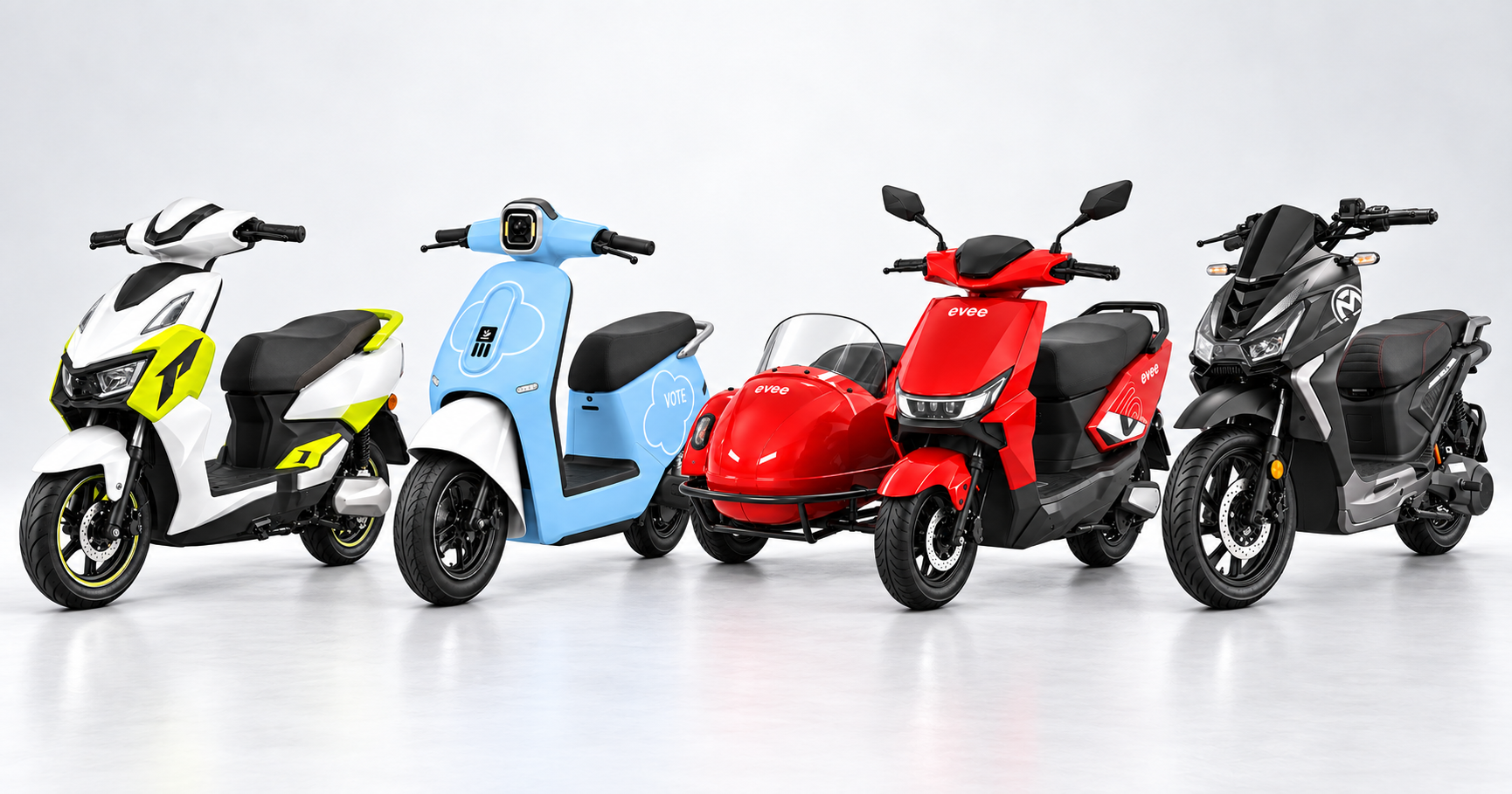
New Electric Scooters at PAPS 2026: Prices, Range & Specs
PAPS 2026 brought 14 new electric scooters from OKLA and EcoDost, with prices from Rs 199,000 to Rs 699,000. This guide lists every model with motor, battery, speed and claimed range, then shows what real riders should expect, what running costs look like and what to check before you book.
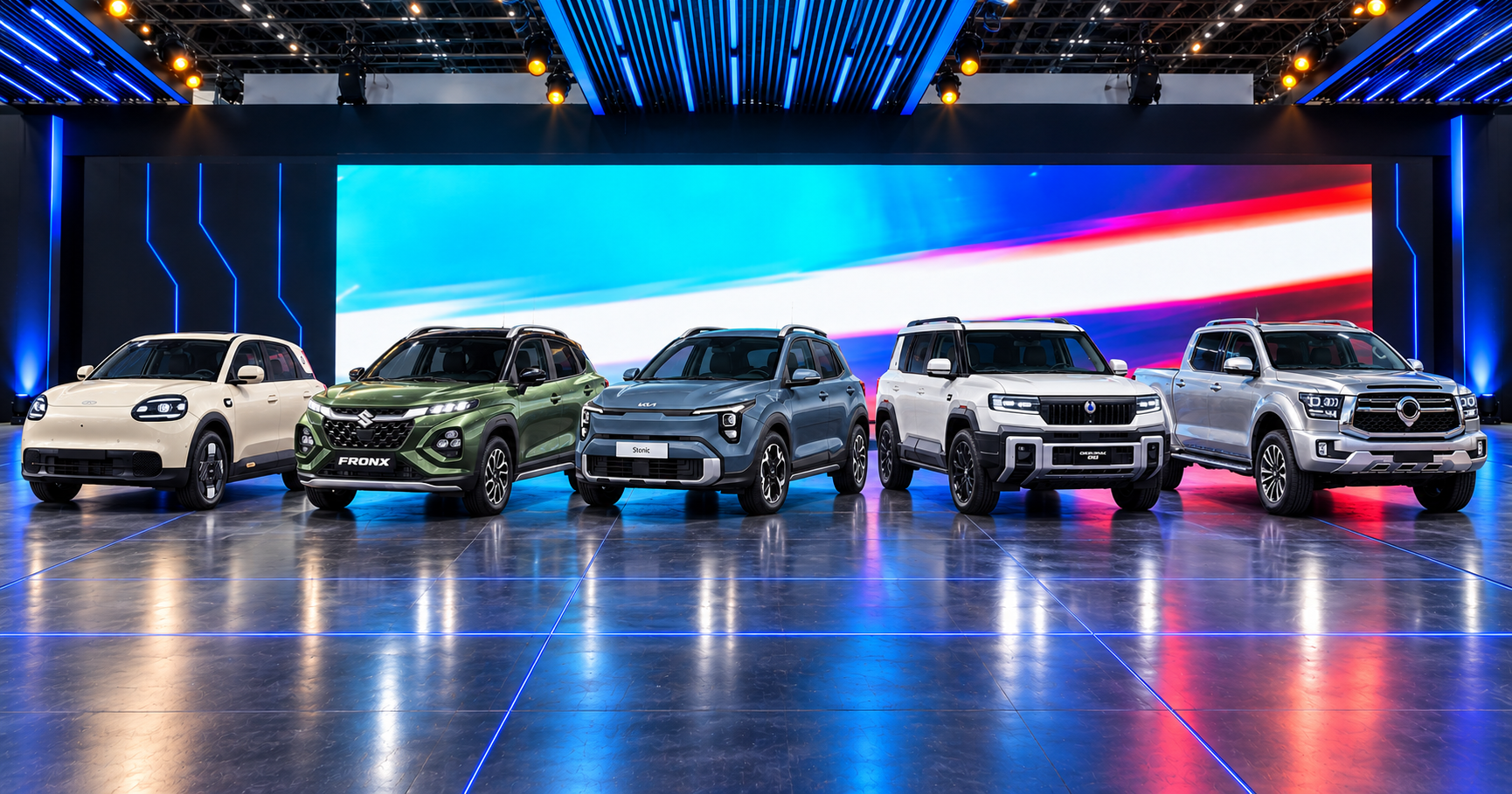
PAPS 2026: New Vehicle Launches & Reveals at Pakistan Auto Show
PAPS 2026 in Lahore brought new car reveals from Chery, Suzuki, Haval, Kia, Hyundai, Jaecoo, BYD and GWM. Here's every model shown, with confirmed prices where available and full specs for the rest.
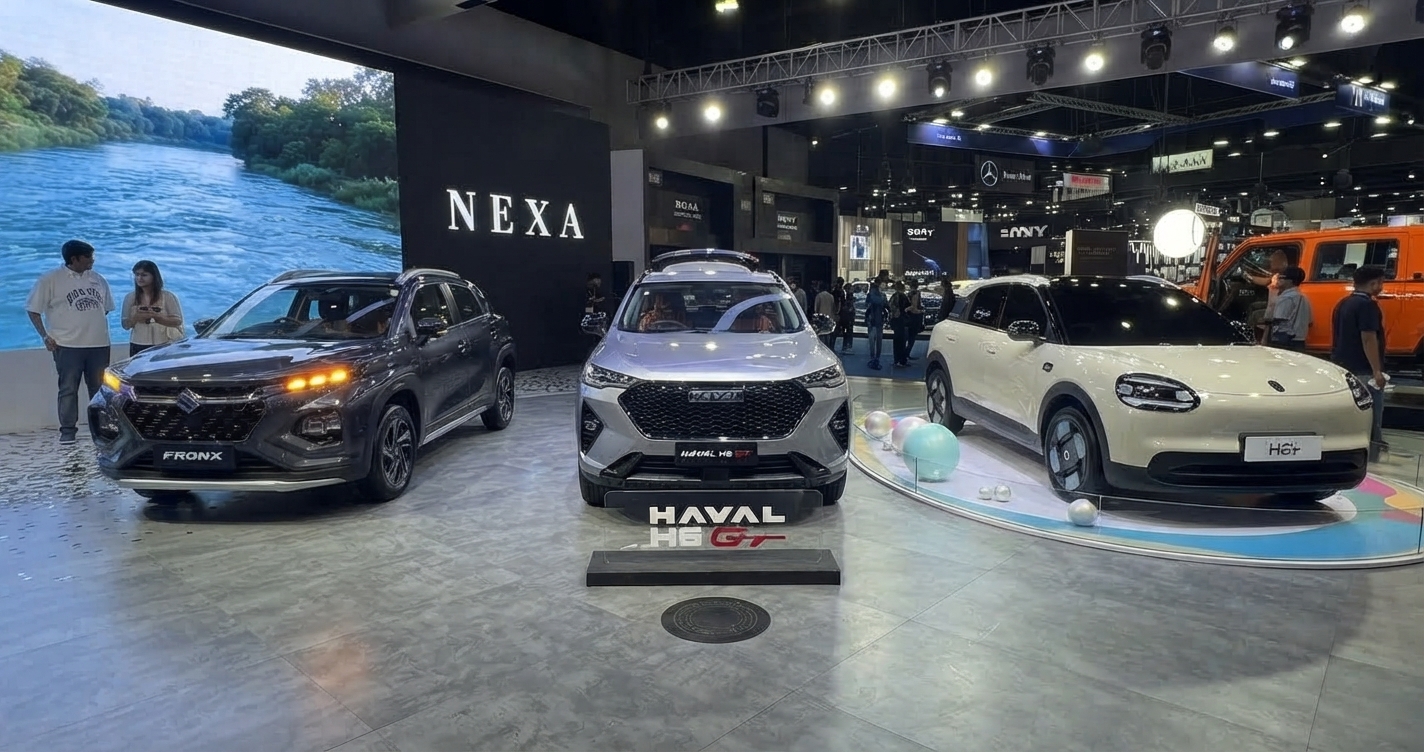
New Mind-Blowing Launches at PAPS 2026 Lahore
PAPS 2026 in Lahore brought fresh electric and hybrid models that change daily driving options. Chery Q arrives as an affordable EV hatchback. Haval adds a sporty PHEV. Suzuki upgrades the Fronx with ADAS. OKLA expands its bike range. BYD and Jaecoo push local assembly forward. These six launches give buyers real choices right now.