How Pakistan's EV Industry Transformed in 2026 And Why PGEE is Living Proof
Pakistan's EV industry didn't just grow in 2026 it shifted direction entirely. New policies, new brands, new buyers. And somewhere in the middle of all that change, PGEE became the voice that made sense of it for everyday Pakistanis.
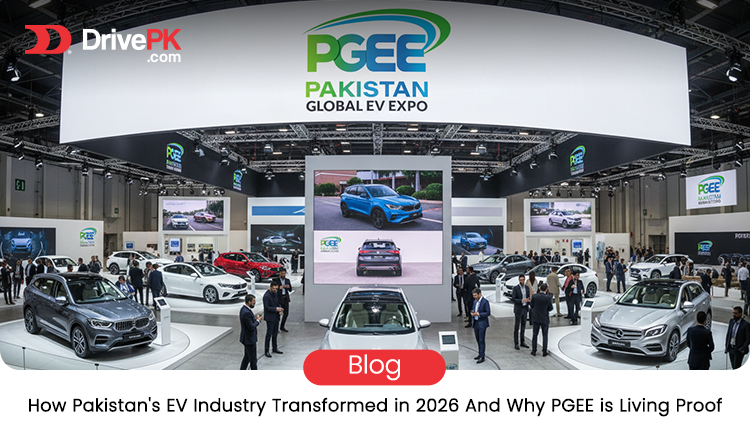
Table of Contents
- The Turning Point Nobody Saw Coming
- What the Government Actually Did and What it Didn't
- The Brands That Showed Up
- Why Most Pakistanis Still Get EV Buying Wrong
- What PGEE Actually Does And Why It Matters Right Now
- The Brands PGEE Covers And Why Brand Knowledge Is Half the Battle
- The Road Ahead Isn't Perfect, But It's Real
Three years ago, if you told someone in Lahore you were buying an electric car, they'd ask you one question.
"But where will you charge it?"
That question used to end the conversation. Now it barely slows it down.
Pakistan's EV industry didn't transform quietly. It moved fast, made noise, and left a lot of people scrambling to keep up buyers, dealers, policymakers, and auto journalists alike. And what happened in 2026 specifically wasn't just growth. It was a shift in how Pakistanis think about cars altogether.
The Turning Point Nobody Saw Coming
Most industries change gradually. Pakistan's EV sector didn't get that luxury.
Between late 2024 and early 2026, three things happened almost simultaneously. The government finalized its National Electric Vehicle Policy with actual teeth — not just paper commitments. Global brands like BYD, MG, and Chery started treating Pakistan as a real market, not an afterthought. And fuel prices kept climbing, making the per-kilometre cost of petrol feel increasingly personal.
That combination hit at the same time. And buyers noticed.
Showroom footfall for hybrid and electric vehicles in Karachi and Lahore reportedly jumped over 60% between 2024 and 2026. That's not a trend. That's a decision being made by regular families who are tired of petrol receipts.
What the Government Actually Did and What it Didn't
Give credit where it's due. The EV policy of 2026 brought real changes. Import duties on electric vehicles and components were reduced significantly. Locally assembled EV models started qualifying for tax breaks. And for the first time, government institutions NEPRA, provincial transport authorities, and the Ministry of Climate Change started coordinating instead of working in silos.
But honest is honest. Charging infrastructure is still the weakest link. Major motorways have sparse coverage. Apartment dwellers in big cities still have no clear solution for home charging. And the policy framework for two- and three-wheel EVs, which is where most Pakistanis actually need change, moved more slowly than it should have.
Progress happened. But it happened unevenly.
The Brands That Showed Up
MG was already in Pakistan. But 2026 was the year it stopped being a curiosity and started being a real choice.
The MG ZS EV found buyers who had never previously considered an electric car. Not because of environmental conviction, let's be real, most buyers were running the numbers on fuel savings. At roughly Rs. 18–22 per kilometre versus Rs. 55–65 for petrol, the math started winning arguments that sentiment never could.
BYD entered the conversation seriously in 2026. Its global reputation, combined with aggressive pricing for the Pakistani market, made it impossible to ignore. Dealers reported waitlists within weeks of launch announcements, something that rarely happens with new entrants here.
Chery's plug-in hybrid options appealed to buyers who wanted lower running costs but weren't ready to go fully electric. Smart positioning. Because the charging anxiety is real, and PHEVs remove it entirely.
And then there's the used import market Japanese hybrids, mostly Aquas and Prius variants, which have been quietly electrifying Pakistani roads for years before any of this policy talk started. That market didn't slow down. It accelerated.
Why Most Pakistanis Still Get EV Buying Wrong
Here's the part nobody writes about.
A lot of buyers in 2026 made decisions based on sticker price alone. They saw a lower upfront cost on a used Japanese hybrid, bought it without checking battery health, and faced expensive repairs within a year. Battery replacement on an imported hybrid isn't cheap it can run Rs. 400,000 to Rs. 600,000 depending on the model.
Others bought full EVs without honestly assessing their daily driving pattern and access to charging. If you park on the street in a dense urban neighbourhood, a full EV right now is a genuine inconvenience. That's not the car's fault. It's a mismatch between the product and the reality.
The information gap is the real problem. Most buyers in Pakistan don't have access to honest, detailed, brand-specific guidance in one place. They rely on dealer sales pitches or scattered YouTube videos. Neither is a reliable source for a decision involving millions of rupees.
What PGEE Actually Does And Why It Matters Right Now
PGEE didn't appear in 2026 by accident. It appeared because a gap existed, and someone decided to fill it properly.
Pakistan's auto media has always covered launches, prices, and specs. What it hasn't done well is guide regular vehicle lovers through actual decisions, brand comparisons that go deeper than a spec sheet, honest breakdowns of what a particular model costs to run over three years, and clear explanations of which government incentives apply to which buyer in which province.
PGEE does that work. And it does it at the intersection of three things that rarely meet in one place: deep vehicle knowledge, brand awareness across local and international players, and direct engagement with government institutions shaping EV policy.
That last part matters more than most people realize. When PGEE engages with policymakers, it brings the buyer's perspective into rooms where decisions get made. That's not just content creation. That's advocacy, quiet, evidence-based, and pointed in the right direction.
The Brands PGEE Covers And Why Brand Knowledge Is Half the Battle
Choosing between BYD, MG, Toyota, Chery, and Hyundai isn't straightforward. Each brand carries different strengths, different after-sales realities, and different resale trajectories in the Pakistani market.
Toyota hybrids, for instance, hold resale value better than almost anything else on Pakistani roads. BYD offers newer technology at competitive prices, but its after-sales network is still maturing here. MG has a wider dealer presence, but buyers report mixed service experiences depending on the city. Chery's PHEVs are smart on paper, but parts availability outside major cities is a real question.
None of this shows up on a brochure. You need someone who tracks the market consistently, talks to real owners, and isn't being paid by any of these brands to say nice things.
That's exactly what PGEE positions itself to be. Not a dealership. Not a brand ambassador. A guide that vehicle lovers in Pakistan can actually trust.
The Road Ahead Isn't Perfect, But It's Real
Pakistan crossed a threshold in 2026. EVs stopped being a niche conversation for tech enthusiasts and started being a practical option for mainstream buyers. That shift doesn't reverse.
But the next two years will test whether the infrastructure catches up with the ambition. Charging networks need investment not just in Islamabad and DHA Lahore, but in Multan, Faisalabad, Peshawar, and Quetta. Local assembly needs to scale so prices drop further. And buyers need better access to unbiased information before they sign anything.
- The brands are here. The policy is moving. The buyers are ready.
What Pakistan's EV industry needs now is exactly what PGEE was built to provide: honest guidance, real brand knowledge, and a direct line between the people buying cars and the institutions deciding how this industry grows.
That's not a small role. And 2026 made it clearer than ever why it matters. For more updates, visit DrivePK.com
Tags
Share this article
About the Author

Najeeb Khan
Automotive enthusiast and writer
Comments (0)
Login Required
You need to be logged in to comment on this article.
No comments yet. Be the first to share your thoughts!
Related Articles
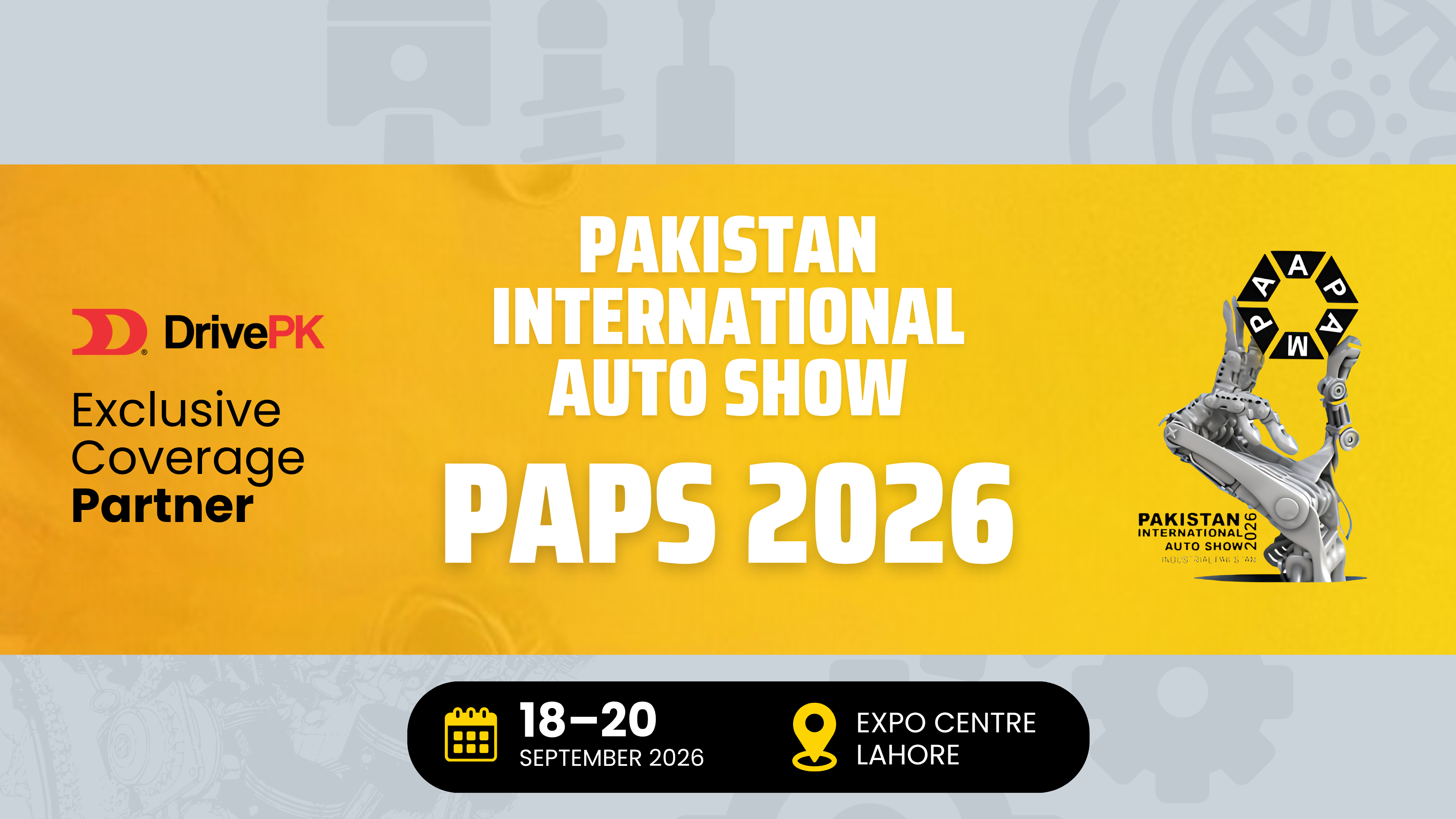
Pakistan Auto Show 2026: A Complete Guide
The Pakistan Auto Show 2026 returns to Lahore from 18–20 September, bringing diamond, golden, and platinum sponsors together under PAAPAM's biggest lineup yet. This piece breaks down the leading brands on the floor and looks at DrivePK's growing role as an AI-powered partner in Pakistan's automotive industry.
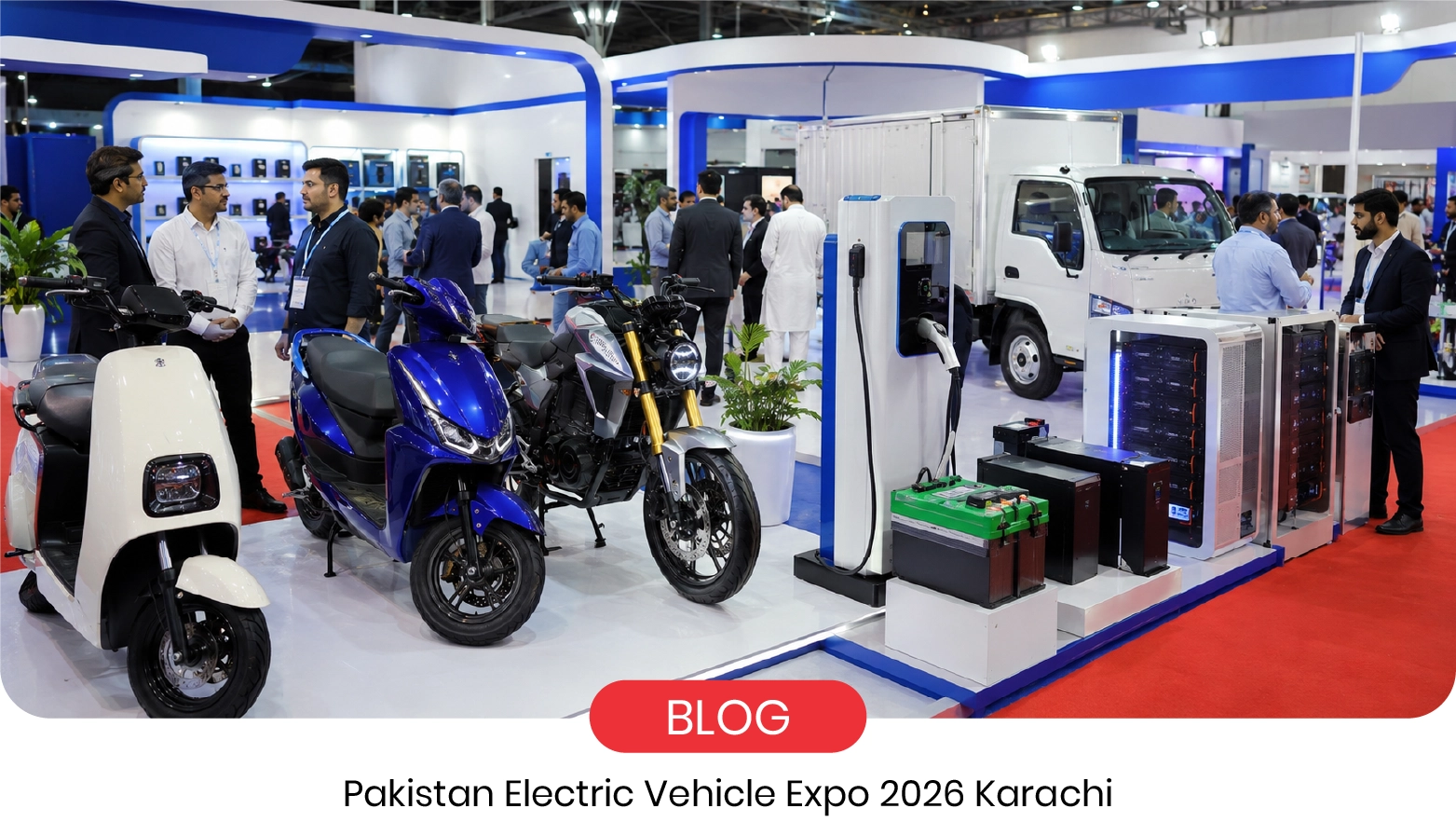
Pakistan Electric Vehicle Expo 2026 Karachi Ready for change
The Pakistan Electric Vehicle Expo 2026 takes place 3-5 September at Expo Centre Karachi, with a Lahore edition in May 2027. Organised by White Paper Summits, it covers cars, bikes, charging, batteries and commercial EVs. The event arrives as the NEV Policy targets 30 percent new-vehicle electrification by 2030.
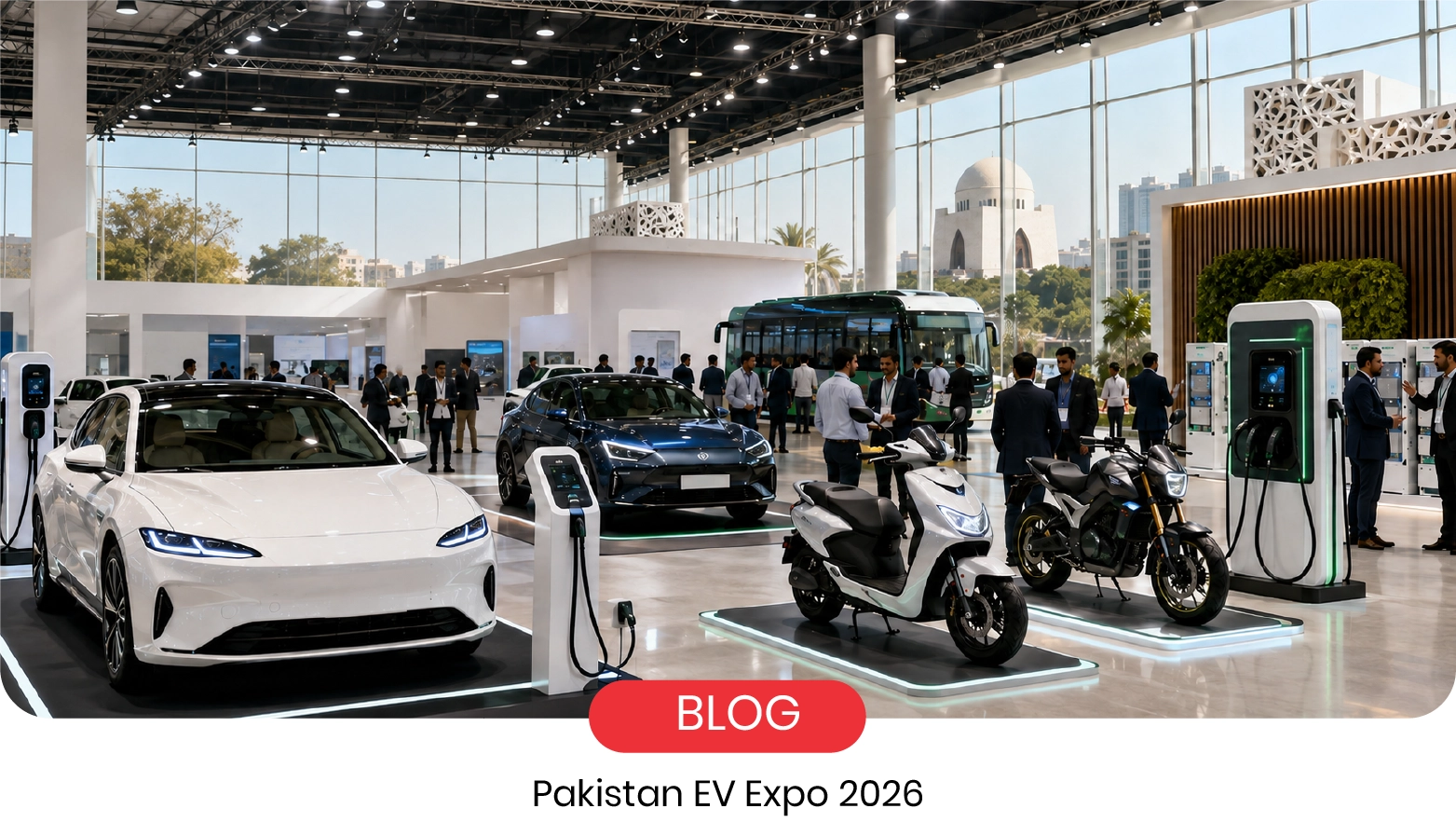
Pakistan EV Expo 2026: Future of Electric Mobility in Karachi
Pakistan Electric Vehicle Expo returns to Expo Centre Karachi from 3 to 5 September 2026. See the latest electric cars, e-bikes, chargers and batteries. Meet makers, policymakers and buyers in one place as the country pushes toward cleaner transport under the NEV Policy.