Hyundai IONIQ 5 and IONIQ 6 EMI Plans in Pakistan: Prices, Specs, and Details
Hyundai Nishat offers EMI plans for IONIQ 5 and IONIQ 6, with tenures of 18-30 months and down payments from 30-50%. These EVs boast ranges up to 519 km, 4-year warranties, and V2L tech, aligning with Pakistan's green shift.
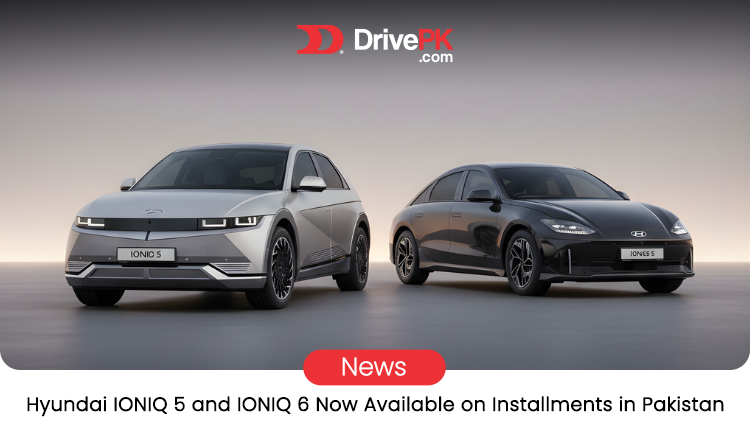
Table of Contents
- What the EMI Plans Look Like
- Inside the IONIQ 5
- The IONIQ 6: Sleek and Efficient
- Shared Features That Matter
- Pakistan's EV Shift in 2026
Electric cars are catching on in Pakistan. With fuel prices up and more talk about clean air, people are looking at options beyond petrol. Hyundai Nishat just made it simpler by rolling out EMI plans for their IONIQ 5 and IONIQ 6. These are premium EVs, but the installments spread out the cost. It's a smart move as the country pushes for greener rides.
What the EMI Plans Look Like
Hyundai offers three timelines: 18, 24, or 30 months. Down payments start at 30% and go up to 50%, depending on the plan. Monthly payments include admin fees, so no surprises. They promote this through their website and social media.
For example, take the IONIQ 5 Smart variant at PKR 22,500,000. On an 18-month plan with 30% down (PKR 6,750,000), you'd pay about PKR 945,850 monthly. Switch to 24 months at 40% down (PKR 9,000,000), and it drops to PKR 606,250 a month. For 30 months with 50% down (PKR 11,250,000), it's around PKR 412,500. The Signature trim at PKR 24,999,000 follows a similar setup: 18 months at 30% down means PKR 988,850 monthly.
The IONIQ 6 starts with the Smart at PKR 23,000,000. A 30-month plan with 50% down would be PKR 421,667 monthly. The Signature at PKR 24,000,000 has options like 24 months at 40% down for PKR 610,000. These figures are from Hyundai's official site and include everything. But check with a dealer for the latest, as rates can shift.
And it's not just about payments. These plans fit Pakistan's growing EV scene, where incentives like lower taxes on imports help. Buyers get a break from high upfront costs.
Inside the IONIQ 5
The IONIQ 5 is a compact crossover that stands out with its retro-futuristic look. It seats five and has a roomy interior thanks to the flat battery floor. The Smart variant comes with basics like LED lights, a 12.3-inch touchscreen, and wireless charging. Signature adds ventilated seats, a Bose sound system, and more driver aids.
Power comes from a 77.4 kWh battery. It pushes out up to 225 kW in rear-wheel drive, hitting 0-100 km/h in about 7.3 seconds. Range is up to 500 km on a full charge, per WLTP tests. In real Pakistan, driving with traffic and heat that might dip to 400-450 km. It supports fast charging: 10-80% in 18 minutes at a 350 kW station. But in Pakistan, chargers are mostly slower, so plan trips.
Vehicle-to-Load (V2L) is handy. Plug in appliances up to 3.6 kW, like a fridge or tools. Warranty covers the vehicle and battery for 4 years or 100,000 km. That's peace of mind in a market where EV support is building.
The IONIQ 6: Sleek and Efficient
If you want something more sedan-like, the IONIQ 6 is a streamliner. Its curved shape cuts wind resistance for better efficiency. Inside, it's a cocoon with ambient lighting and ergonomic seats. Smart has dual 12.3-inch screens, Apple CarPlay, and safety features like blind-spot monitoring. Signature ups it with a heads-up display and 360-degree cameras.
Same 77.4 kWh battery, but aerodynamics give it up to 519 km range. Top speed is 185 km/h, and it feels quick on highways. V2L is here too, and the warranty matches the IONIQ 5. In Pakistan, it's great for city commutes or longer drives, as long as you map chargers.
Both models qualify for EV perks, like reduced customs duties. But infrastructure is key; stations are popping up in cities like Lahore and Karachi, thanks to companies like PSO.
Shared Features That Matter
These EVs share tech that sets them apart. Ultra-fast charging means less downtime. The battery heats up in cold weather for better performance, though Pakistan's climate is mostly warm. Safety includes multiple airbags, stability control, and Hyundai's SmartSense suite.
Environmentally, they cut emissions. No tailpipe smoke helps with Pakistan's air quality issues in urban areas. Plus, running costs are lower, as electricity vs. petrol saves money over time.
Pakistan's EV Shift in 2026
The market is heating up. EV sales grew in 2025, with two-wheelers leading at 90,000 units. Four-wheelers lag, but hybrids are bridging the gap. BYD plans assembly here by mid-2026, adding competition. Government incentives aim for 30% EV adoption by 2030, but challenges like charging gaps and resale values persist.
Hyundai's EMI plans address affordability. With fuel volatility and eco-awareness rising, it's timely. Buyers in cities see EVs as practical, especially with home charging.
But it's not all smooth. Grid reliability and sparse fast chargers mean hybrids might suit some better. Still, for early adopters, IONIQ models offer premium without the full price hit.
In the end, these plans open doors. If you're eyeing an EV, visit a Hyundai dealer. Test drive one, it might change how you see driving in Pakistan. For more updates, visit DrivePK.com
Tags
Share this article
About the Author

Najeeb Khan
Automotive enthusiast and writer
Comments (0)
Login Required
You need to be logged in to comment on this article.
No comments yet. Be the first to share your thoughts!
Related Articles
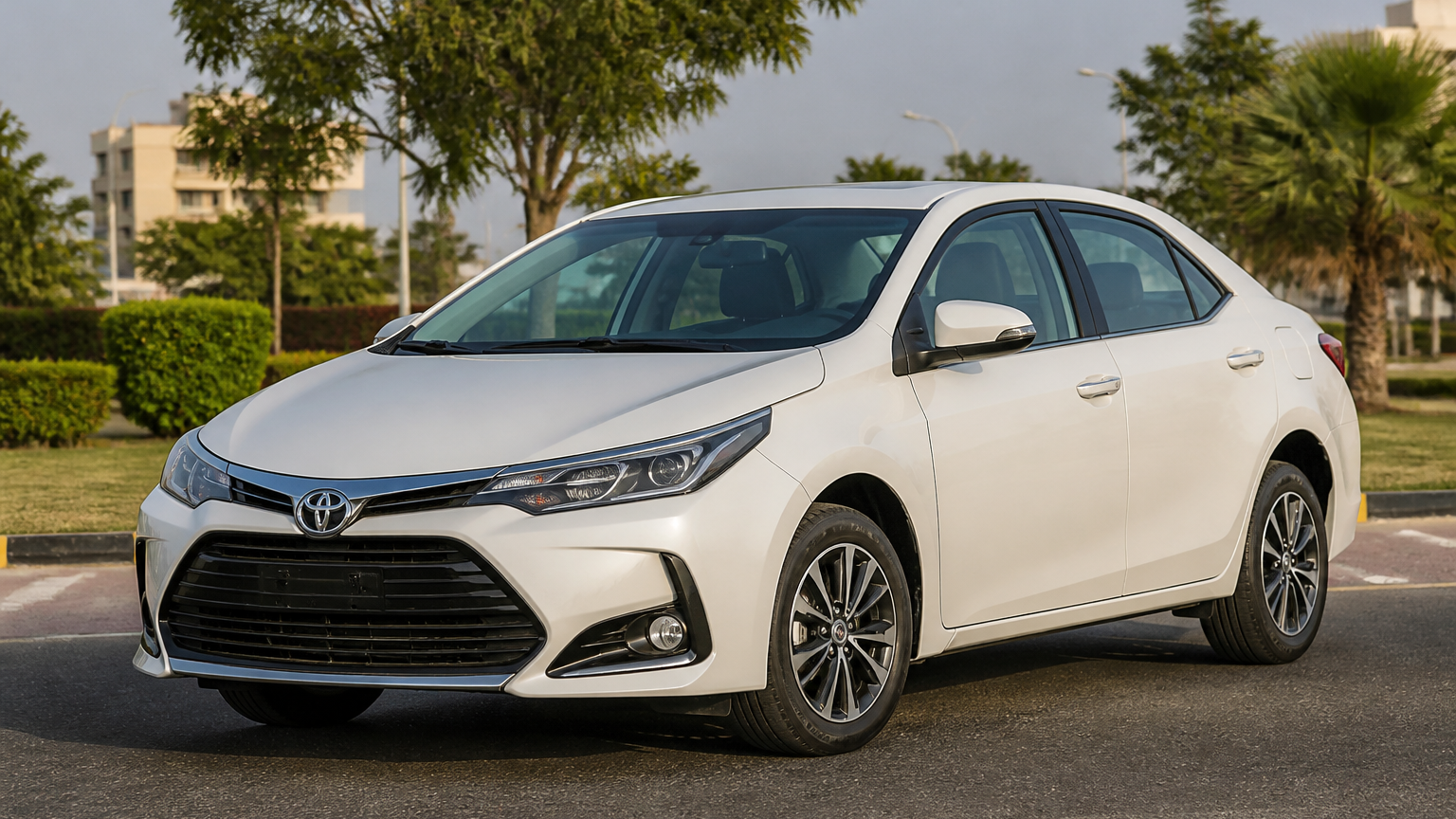
Toyota Corolla Discontinued Before Pakistan Facelift
Pakistan’s pre-facelift Toyota Corolla is reportedly discontinued, hinting at a facelift. Prices, bookings, specs and launch timing remain unconfirmed.
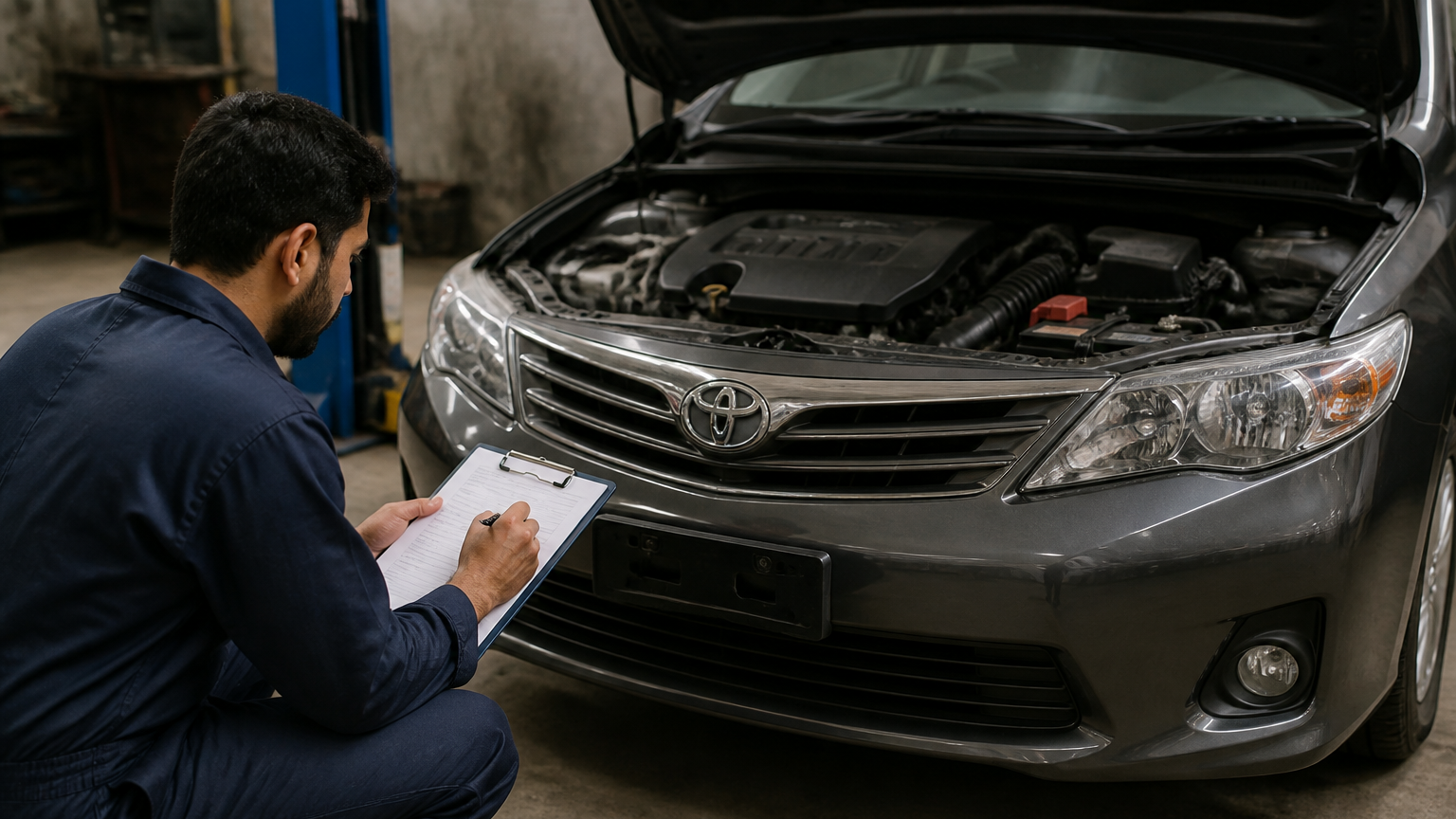
DrivePK Car Inspection Reports: Buy with Confidence
Buying a used car in Pakistan? A pre-purchase inspection can reveal hidden damage, engine issues and red flags before you pay—but it’s not enough alone.
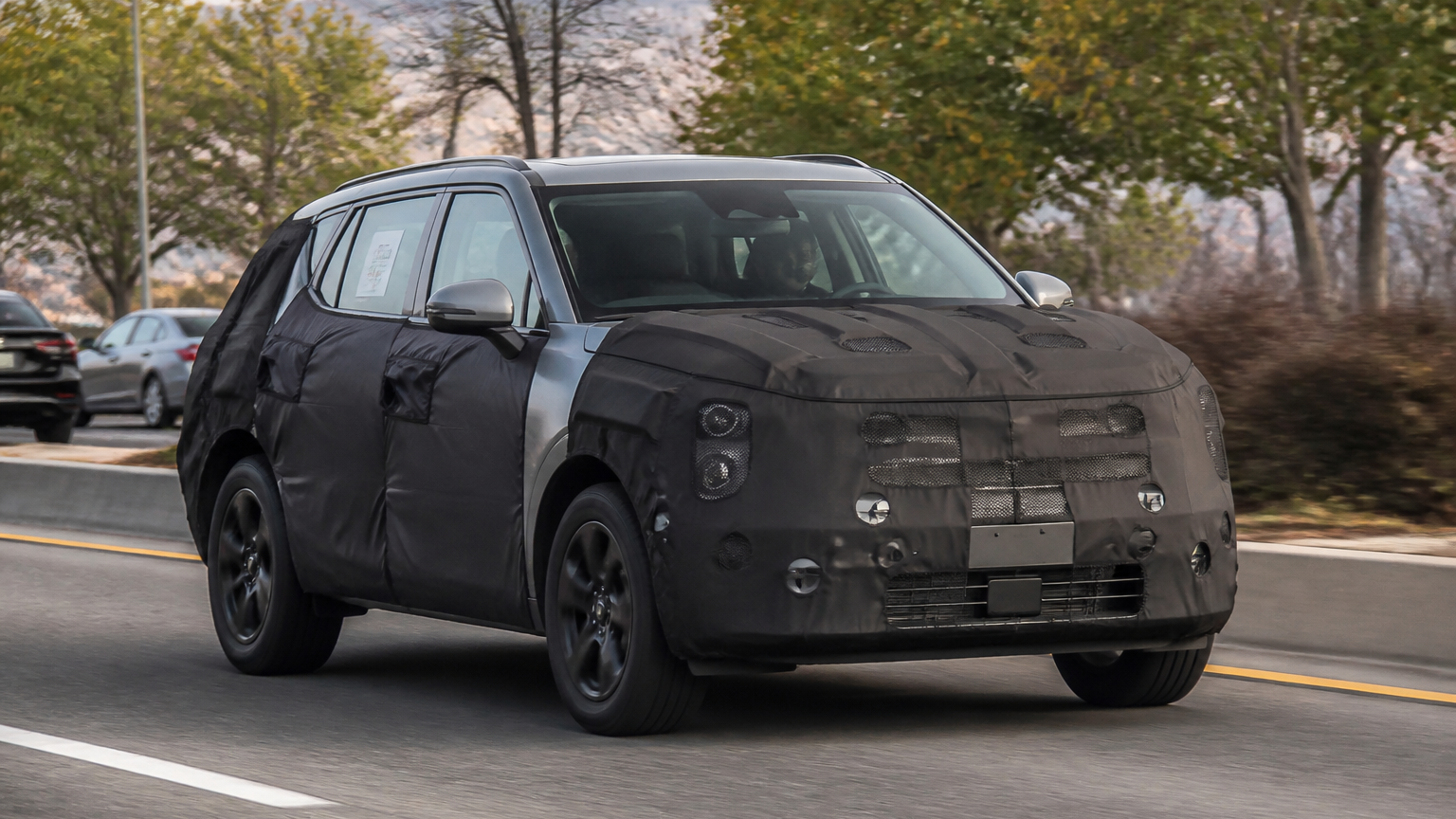
2028 Kia Sportage: Major Design Changes Spotted
Kia’s next Sportage may get a bolder, boxier redesign, with an upright profile, sharper lines, wider grille and split headlights hinted by spy shots.