Islamabad Cracks Down on Vehicles Without M-Tags: What You Need to Know
Authorities in Islamabad have ramped up checks on vehicles without M-Tags now that the deadline has passed. With readers active at city entry points, drivers face stops and fines. Over 166,000 tags have been issued so far to ease tolls and cut congestion.
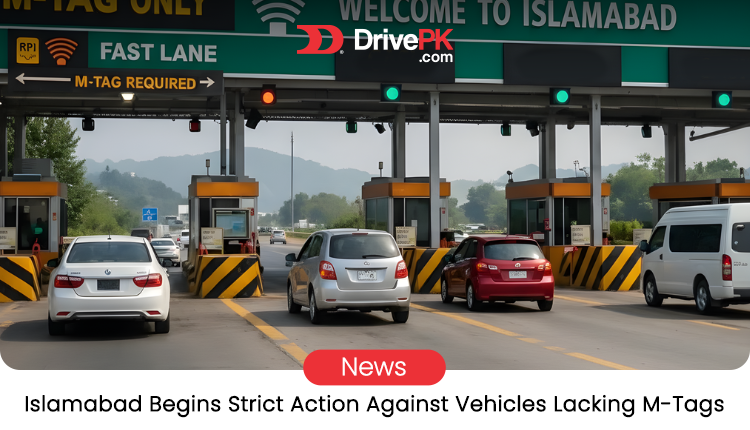
Table of Contents
- What Exactly Is an M-Tag?
- The Deadline Has Passed. What's Happening Now?
- Where Can You Get an M-Tag Installed?
- The Numbers Behind the Push
- What Happens If You Don't Comply?
- Why This Initiative Matters for Islamabad
- Final Thoughts: Don't Wait Any Longer
Driving in Islamabad just got a bit stricter. If you haven't heard, the authorities are now seriously checking for M-Tags on vehicles. The registration deadline came and went, and they're not messing around. Checks are happening at various entry and exit points around the city. It's all about making sure everyone plays by the rules to keep things moving smoothly.
I remember the last time I drove through a toll without the right setup—it was a hassle. Stops, lines, and frustration. That's what this is trying to fix. But let's break it down so you know exactly what's going on.
What Exactly Is an M-Tag?
An M-Tag is basically a sticker or device you put on your vehicle. It lets you pass through tolls without stopping to pay cash. Think of it like an electronic pass that gets scanned automatically. The system reads it as you drive by, deducts the fee from your account, and you're on your way.
In Islamabad, this is part of a bigger push to modernize how we handle tolls. No more fumbling for change or waiting in long queues. It's simple tech that's been around in other places, and now it's mandatory here. If your car doesn't have one, you might get pulled over.
And why now? The city is growing fast, with more cars on the road every day. Congestion is a real issue, especially during rush hours. M-Tags help speed things up at key spots.
The Deadline Has Passed. What's Happening Now?
The cutoff for getting your M-Tag was recent, and enforcement kicked in right after. Officials say the readers are up and running at multiple points. These are the scanners that detect if your vehicle has a valid tag.
If it doesn't, expect to be stopped. It's not random; they're checking systematically. This crackdown isn't about catching people off guard; there were warnings leading up to it. But now, it's real. Vehicles without tags are being flagged, and drivers have to deal with it on the spot.
I drove past one of these points the other day, and you could see the officers waving people over. It's a reminder that ignoring this could ruin your day. Better to sort it out before you hit the road.
Where Can You Get an M-Tag Installed?
Good news: it's not hard to get one. There are 17 spots set up around Islamabad for installation. Some even run 24/7, so you can go whenever it fits your schedule.
These locations are spread out to make it convenient. You might find one near your neighborhood or workplace. Just bring your vehicle registration and ID, and they'll handle the rest. It takes maybe 10-15 minutes, depending on the queue.
Officials made sure to cover busy areas. For example, centers near major highways or malls. If you're unsure, check the transport authority's website or call ahead. No need to wait until the last minute, get it done and avoid the stress.
So far, more than 166,000 vehicles have tags. That's a solid number, but with millions on the road, there's still work to do. If you're one of the holdouts, now's the time.
The Numbers Behind the Push
Over 166,000 tags issued, that's impressive for a new system. It shows people are getting on board. Authorities tracked this closely, pushing campaigns to inform drivers.
But it's not just about counting stickers. This reflects how seriously the city takes traffic issues. Islamabad sees a heavy flow of commuters, tourists, and locals. Without efficient tolls, backups happen fast.
Imagine peak hours without endless lines. That's the goal. And with so many already tagged, the system is starting to hum. If you're curious, officials share updates on progress. It's transparent, which helps build trust.
What Happens If You Don't Comply?
No exemptions, that's the word from the top. If you're caught without a tag, fines could hit your wallet. Or worse, legal action if it's a repeat thing.
They're not bluffing. The crackdown is ongoing, and violators are facing consequences. It's not fun getting a ticket on your way to work. Plus, it disrupts your plans.
But think of it this way: the rules apply to everyone. No special treatment for anyone. That fairness makes the system work. If a few skip it, the whole thing suffers. So, better to tag up and move on.
I know change can be annoying, but this one makes sense. Avoid the hassle by acting now.
Why This Initiative Matters for Islamabad
At its core, this is about better traffic management. Streamlined tolls mean less waiting, which cuts congestion. Fewer stops equal smoother drives for all.
Toll collection gets easier, too. No cash mishaps or errors. Everything's digital, tracked, and efficient. That frees up resources for other city needs, like road repairs or safety.
And reducing congestion? That's huge. Less idling means cleaner air and less fuel waste. In a busy capital like Islamabad, these small wins add up.
But it's not perfect yet. Some drivers complain about the process or costs. Fair enough—nothing rolls out flawlessly. Officials are listening, though, and adjusting as needed.
In the end, this helps the city run better. We're all in it together, sharing the roads.
Final Thoughts: Don't Wait Any Longer
If your vehicle lacks an M-Tag, head to one of those 17 spots today. With enforcement in full swing, it's smarter to comply than risk a stop.
This change might feel like a bother at first, but it'll pay off. Smoother tolls, fewer traffic jams sound good to me. Stay safe out there, and drive responsibly.
For more updates, visit DrivePK.com
Tags
Share this article
About the Author

Najeeb Khan
Automotive enthusiast and writer
Comments (0)
Login Required
You need to be logged in to comment on this article.
No comments yet. Be the first to share your thoughts!
Related Articles
Toyota Corolla Discontinued Before Pakistan Facelift
Pakistan’s pre-facelift Toyota Corolla is reportedly discontinued, hinting at a facelift. Prices, bookings, specs and launch timing remain unconfirmed.
DrivePK Car Inspection Reports: Buy with Confidence
Buying a used car in Pakistan? A pre-purchase inspection can reveal hidden damage, engine issues and red flags before you pay—but it’s not enough alone.
2028 Kia Sportage: Major Design Changes Spotted
Kia’s next Sportage may get a bolder, boxier redesign, with an upright profile, sharper lines, wider grille and split headlights hinted by spy shots.