Islamabad Makes Ride-Hailing Registration Mandatory from February 10, 2026 | New Rules Explained
From February 10, 2026, every online taxi and bike ride driver in Islamabad needs formal registration. The district administration will collect driver and vehicle data on a digital platform that police can fully access. Drivers must enter each passenger’s CNIC number before starting a trip. Unregistered operators face strict action. This aims to bring better order and safety to the sector.
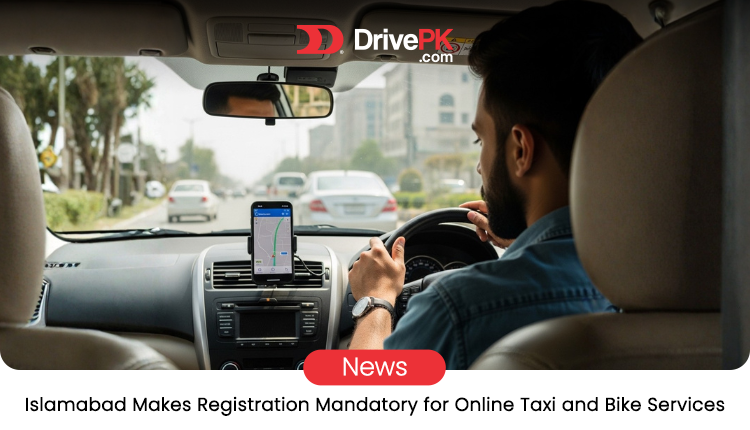
Table of Contents
- What the Announcement Covers
- Why This Change Is Happening Now
- What Drivers Need to Do
- How This Affects Passengers
- Coordination with Ride-Hailing Companies
- What It Means for the Wider Market
- Practical Tips Moving Forward
If you regularly book rides through apps in the capital, pay attention. The Islamabad district administration has introduced mandatory registration for all online taxi and bike service operators. The process begins today, Tuesday, February 10, 2026. Authorities say they will take strong legal action against anyone operating without it.
This is a clear shift toward tighter oversight of ride-hailing platforms. Companies like Careem, Uber, InDrive, and Bykea all fall under the new framework.
What the Announcement Covers
The administration wants complete records of every driver and vehicle working in these services. They are setting up a digital automation platform to handle the data collection. Once registered, the information will be available to the Islamabad Police without any hurdles.
The key new requirement is straightforward. For every single trip, drivers have to upload passenger details into the app. Most importantly, they cannot start the ride without entering the passenger’s national identity card (CNIC) number. No CNIC entry, no passenger allowed.
The Deputy Commissioner has asked all ride-hailing companies to work closely with local authorities to make sure this rolls out smoothly.
Why This Change Is Happening Now
Ride-hailing services have grown fast in Pakistan, especially in big cities like Islamabad. They offer convenient travel, but they also bring challenges around safety, accountability, and traffic management.
By creating an official registration system, the administration hopes to reduce risks. Having verified driver and vehicle data makes it easier to handle complaints or incidents. The CNIC step adds a layer of identification for every ride, which could help in case something goes wrong.
Police access to the database should speed up investigations when needed. It is a practical response to the reality that these services now form a big part of daily commuting.
What Drivers Need to Do
If you drive for any online platform in Islamabad, act quickly. Head to the registration process that starts today. You will need to provide full details about yourself and your vehicle.
After registration, get used to the new routine. Before picking up any passenger, open the app and enter their CNIC number. The system will not let the trip begin otherwise. This applies to both car taxis and bike rides.
Missing this step could mean fines, suspension, or even legal trouble. The message from authorities is direct: unregistered drivers will not be allowed to operate.
Many drivers already follow similar verification on their apps, but the CNIC rule is now stricter and mandatory across the board.
How This Affects Passengers
For riders, the change should feel mostly behind the scenes. When you book a ride, the driver will ask for your CNIC details or enter them from the app. It might add a few seconds at the start of the trip, but it is meant to make journeys safer.
In the long run, better regulation could mean fewer issues with fake or unverified drivers. Passengers might notice improved service standards and quicker response when problems arise.
If you are a regular user, keep your CNIC handy or saved in the app if the platform allows it. Most companies are expected to update their systems to make this process simple.
Coordination with Ride-Hailing Companies
The administration is not working in isolation. They have directed all major platforms to align with the new rules. This includes sharing necessary data and training drivers on the updated process.
Companies will likely send notifications to their partners in Islamabad. Some may already have parts of this system in place, but full compliance with the local digital platform is now required.
This kind of partnership between government and private operators is becoming more common as the sector matures.
What It Means for the Wider Market
Islamabad is often a testing ground for new policies in Pakistan. Success here could encourage similar steps in Lahore, Karachi, and other cities where ride-hailing is popular.
The sector has created jobs for thousands of drivers. At the same time, clear rules help protect both drivers and passengers. A well-regulated market can attract more investment and encourage companies to improve their services.
Of course, there will be some adjustment period. Drivers might face extra steps, and companies will need to update their technology. But the goal is a safer, more accountable system that everyone can rely on.
Practical Tips Moving Forward
For drivers: Register as soon as possible to avoid losing income. Double-check that your vehicle documents are up to date. Make the CNIC entry part of your normal routine, do it right at the pickup point.
For passengers: Cooperate when the driver asks for your details. It is a small step that contributes to overall safety. If you notice any driver skipping the process, you can report it through the app or to the authorities.
For everyone: Keep an eye on official updates. The digital platform is new, so there might be minor teething issues in the first few days.
This policy marks a serious effort to bring structure to online transport services in Islamabad. It reflects how important these rides have become in daily life and the need to manage them responsibly.
If you drive or ride in the capital, today is the day things start changing. Stay informed, follow the rules, and the transition should go smoothly for all. For more updates, visit DrivePK.com
Tags
Share this article
About the Author

Najeeb Khan
Automotive enthusiast and writer
Comments (0)
Login Required
You need to be logged in to comment on this article.
No comments yet. Be the first to share your thoughts!
Related Articles
Toyota Corolla Discontinued Before Pakistan Facelift
Pakistan’s pre-facelift Toyota Corolla is reportedly discontinued, hinting at a facelift. Prices, bookings, specs and launch timing remain unconfirmed.
DrivePK Car Inspection Reports: Buy with Confidence
Buying a used car in Pakistan? A pre-purchase inspection can reveal hidden damage, engine issues and red flags before you pay—but it’s not enough alone.
2028 Kia Sportage: Major Design Changes Spotted
Kia’s next Sportage may get a bolder, boxier redesign, with an upright profile, sharper lines, wider grille and split headlights hinted by spy shots.