Karachi Elevated U-Turn Speed Limit Set at 30 km/h
reportedly a 30 km/h limit for Karachi's University Road elevated U-turn, with tight ramps and a direct merge into traffic.
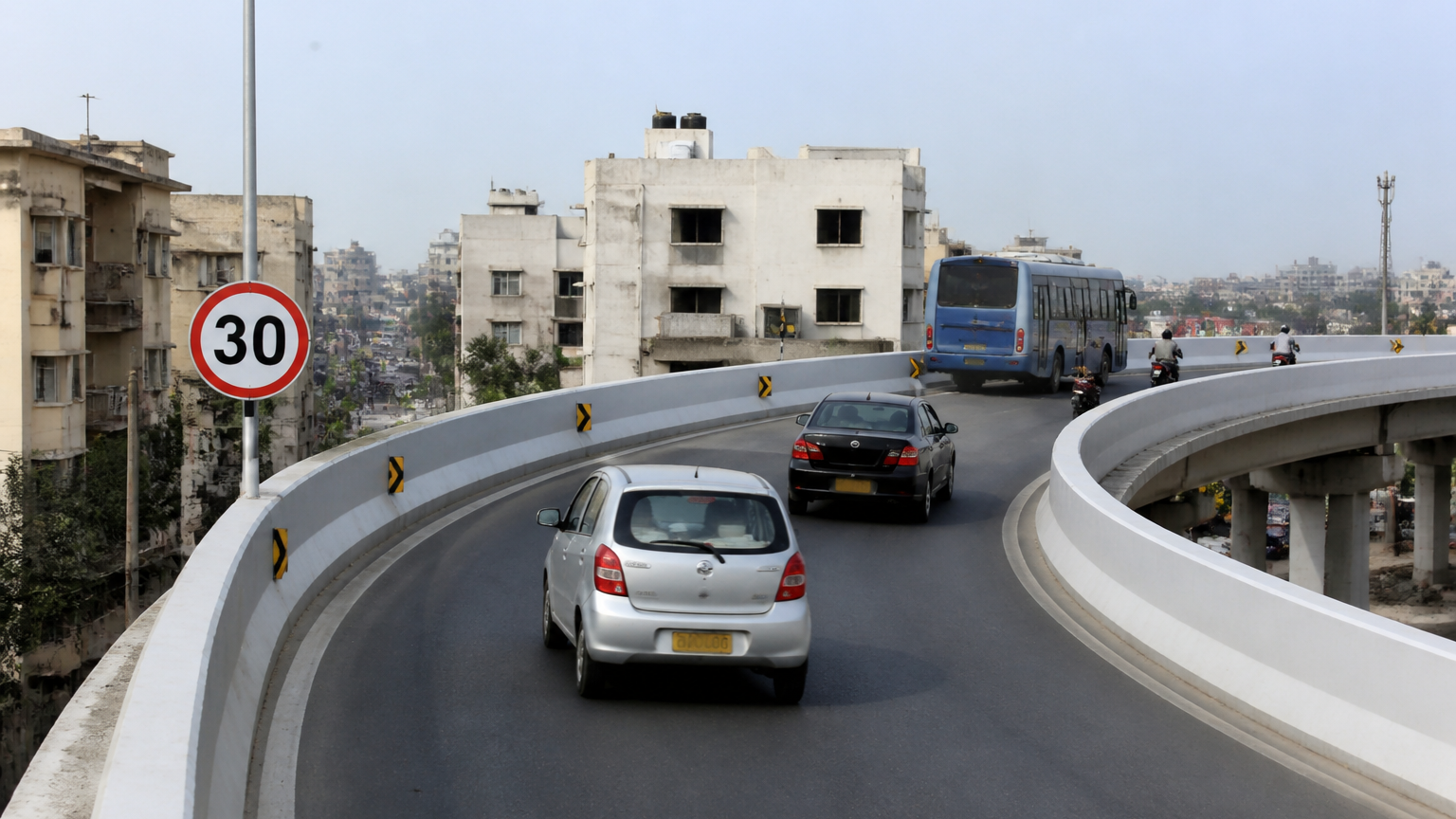
Table of Contents
- What speed should you use on the elevated U-turn?
- Why the design needs slower driving
- How the merge works after the descent
- What if your vehicle stalls on the structure?
- What is still unclear
- Conclusion
- Explore DrivePK services
reportedly TransKarachi, the Frontier Works Organization (FWO), and PMCSC have set a maximum speed of 30 km/h for the elevated U-turn on University Road, Karachi. That matters for daily commuters because this is not a normal open road stretch; the turn is tight, the merge is immediate, and a little extra speed can make the whole move feel rushed. The report also says the structure is part of the Karachi BRT Red Line project, while the opening date and the date of the joint statement were not given in the available report.
What speed should you use on the elevated U-turn?
The number to remember is simple: 30 km/h. reportedly this limit was prescribed in a joint statement attributed to TransKarachi, FWO, and PMCSC.
For drivers, the real takeaway is even simpler. Slow down before you enter the ramp, keep the car steady through the turn, and do not treat this like a normal flyover lane where you can carry speed and sort things out later. At this pace, a vehicle covers about 8.3 metres in one second, so there is not much time to react if someone ahead brakes or hesitates.
We should be careful here, though. The available report does not give a separate Karachi traffic notice, fine, camera setup, or any other enforcement detail. So the safest public reading is that this is the stated operating limit for the U-turn, not a confirmed fine-based rule. For background, read our earlier coverage: Karachi Launches New Electric Bus Route from Maymar to Tower.
Why the design needs slower driving
The reported dimensions explain why the structure asks for calm driving. reportedly the ramp clear width is 5 metres and the turning section is 6 metres wide. It also says the design can take vehicles up to 12 metres long.
That is useful for everyday traffic sense. A driver in a sedan, SUV, or bus has to stay centered and avoid sharp late moves. If you are used to wider roads in Karachi, this one will feel tighter, especially if you are following another vehicle or meeting a motorcycle near the bend.
The report also says one car and one motorcycle can pass side by side, and that another car can pass if a vehicle stalls. That sounds reassuring on paper, but it also tells you the margin for error is limited. So don’t rush the turn just because the structure looks new.
If you want more context on how this fits into Karachi’s wider transport work, our earlier coverage of the city’s road and BRT updates is a useful background read: CM Murad Ali Shah Reviews Karachi Infrastructure: Focus on Speed, Quality, and Relief for Commuters.
How the merge works after the descent
This is the part that most drivers will feel first. reportedly vehicles coming down from the elevated U-turn merge directly into existing three-lane traffic, and that there was no separate merge lane because of road-space limits.
That means your exit from the structure is not a place to relax. Watch the traffic beside you, check mirrors early, and keep enough space to slot in smoothly. If you are behind the wheel of a longer vehicle, or you are using this route for the first time, give yourself extra room and avoid sudden lane changes at the bottom.
What if your vehicle stalls on the structure?
The report’s layout details suggest that the space is tight, so a stalled vehicle can become a real problem fast. If that happens, the safest general steps are to switch on hazard lights, stay calm, avoid sudden reversing if traffic is close behind you, and call for roadside or traffic help as soon as you can.
If it is safe to do so, keep the vehicle as controlled as possible and warn other drivers early. The key is not to panic or make a sharp move that could force a rear-end hit or block the merge area. This is common road-safety sense, not a special project rule.
What is still unclear
The available report does not confirm the exact opening date of the elevated U-turn, the publication date of the joint statement, or any penalty for going above 30 km/h. It also does not give traffic statistics, crash data, or any official signboard details.
So for now, the practical message for Karachi drivers is clear: treat 30 km/h as the reported maximum, keep the turn slow and controlled, and expect a direct merge into moving traffic. The design reflects limited road space, not the feel of a normal fast flyover.
Conclusion
If you plan to use the University Road elevated U-turn, keep your speed down, stay centered, and watch the merge closely after the descent. The reported 5-metre ramp width, 6-metre turning section, and 12-metre vehicle capacity all point to a structure that needs careful driving, not speed.
Explore DrivePK services
Buying or selling a vehicle? Explore DrivePK services, including car inspection, Sell It For Me and Featured Listings, and choose the option that fits your needs.
For more updates, visit DrivePK.com
Tags
Share this article
About the Author

Dr Khan
Automotive Expert & Content Strategist
Comments (0)
Login Required
You need to be logged in to comment on this article.
No comments yet. Be the first to share your thoughts!
Related Articles
کے پی کا سرمائی روڈ پلان 8 بلند خطرہ اضلاع کو ہدف بناتا ہے
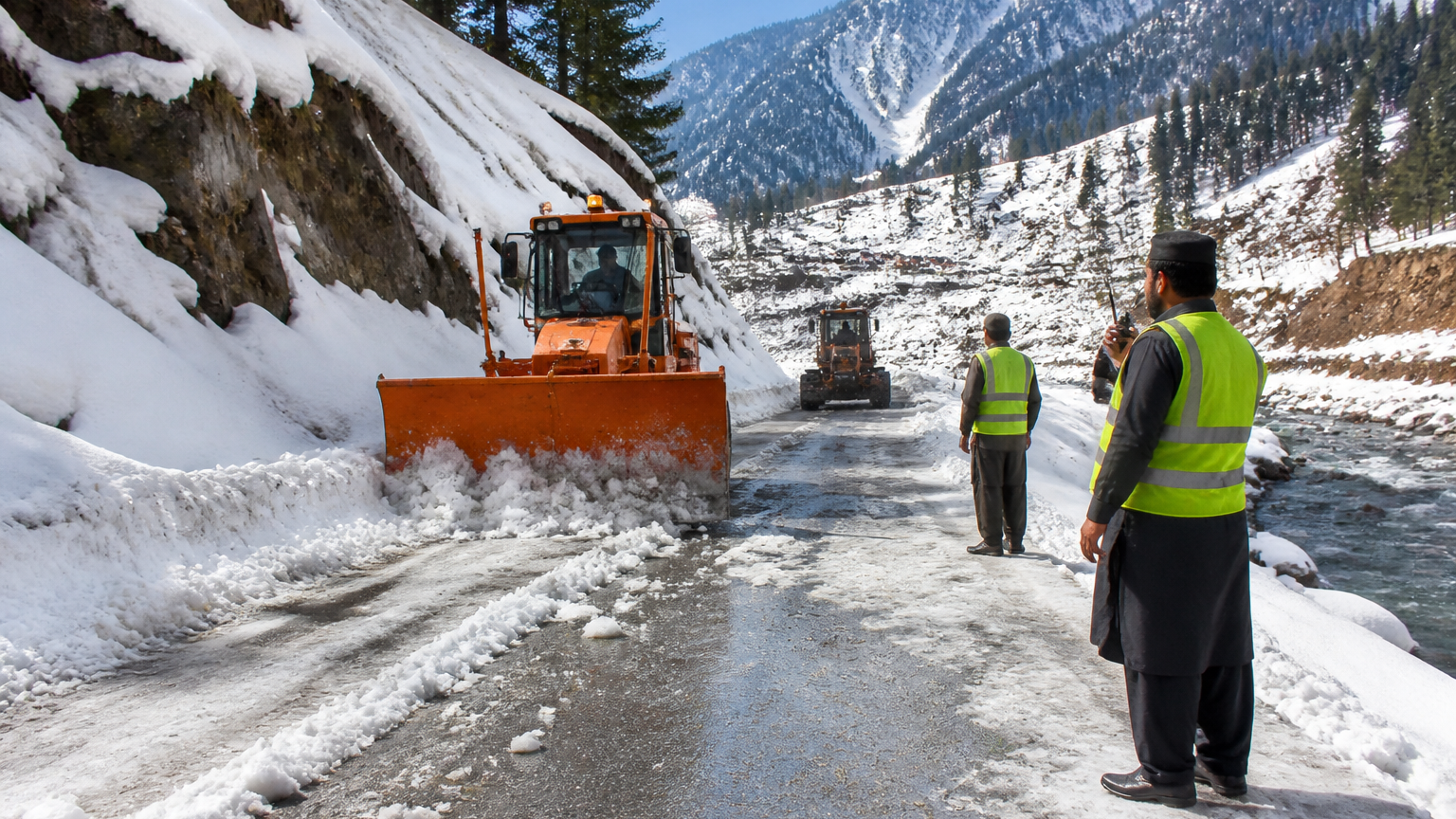
سخت سردیوں کے پیش نظر کے پی نے عملہ، ایندھن اور مشینری تیار رکھنے کے احکامات جاری کر دیے ہیں، کیونکہ برفباری، لینڈ سلائیڈز اور برفانی تودے آٹھ بلند خطرہ اضلاع میں سڑکوں کو متاثر کر سکتے ہیں۔
KP Winter Road Plan Targets 8 High-Risk Districts
With harsh winter ahead, KP orders crews, fuel and machinery ready as snow, landslides and avalanches threaten roads in eight high-risk districts.
پاکستان میں درآمد شدہ گاڑیوں پر ایک سالہ ٹرانسفر چیک مزید سخت
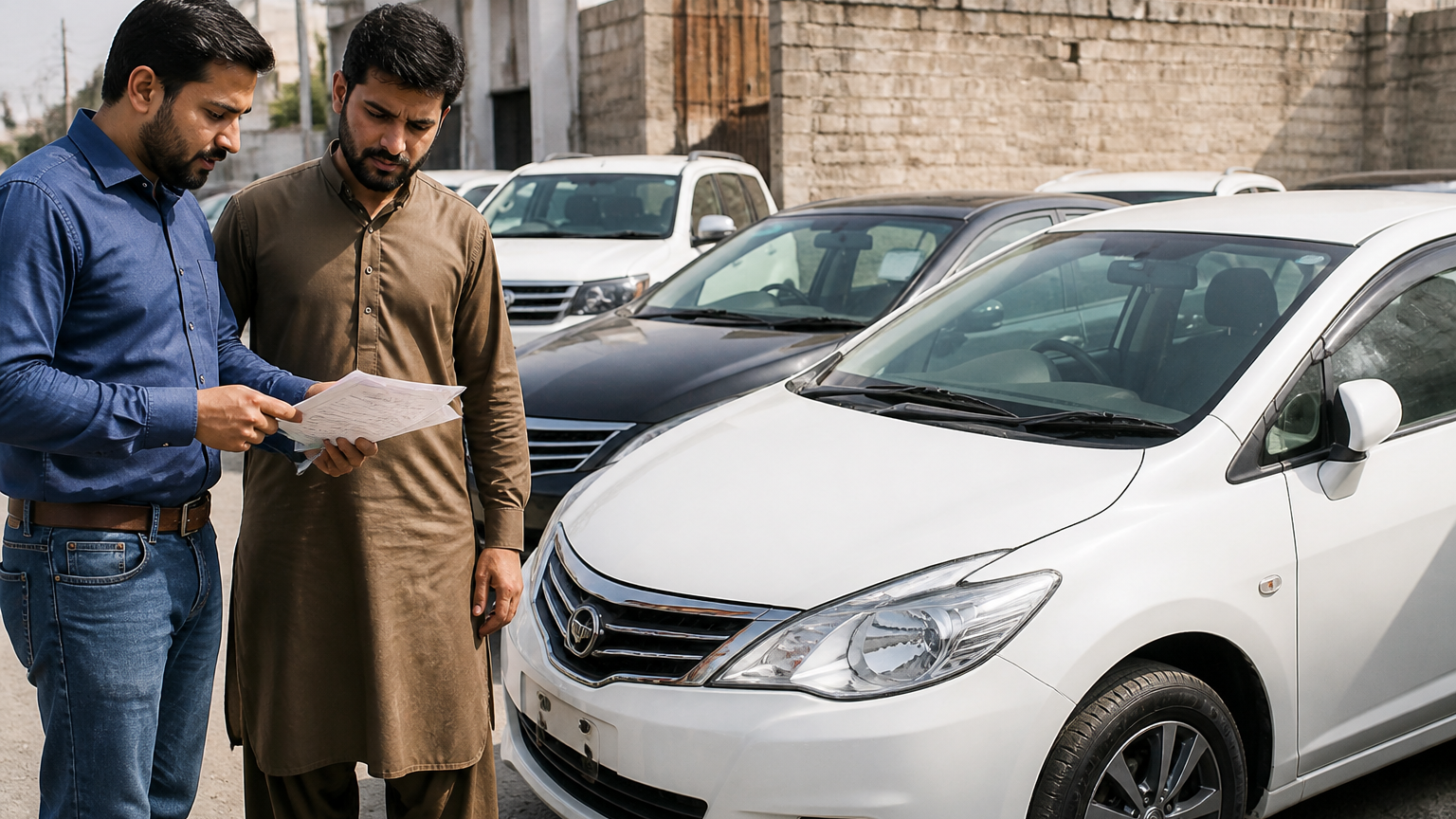
پاکستان نے گفٹ اور بیرونِ ملک سے درآمد شدہ گاڑیوں کی جانچ سخت کر دی ہے اور قبل از وقت فروخت روکنے کے لیے ایک سالہ ٹرانسفر پابندی نافذ کی جا رہی ہے—یہ کوئی نئی امپورٹ پابندی نہیں۔