Karachi Gets Rs21.53 Billion Boost for Roads and Infrastructure
Sindh Chief Minister Murad Ali Shah has greenlit a Rs21.53 billion plan to fix Karachi's roads. It covers repairs for 409 roads, plus water and sewerage work. The goal? Less traffic, safer streets, and a stronger economy. Funds go to TMCs and KMC for quick, quality upgrades
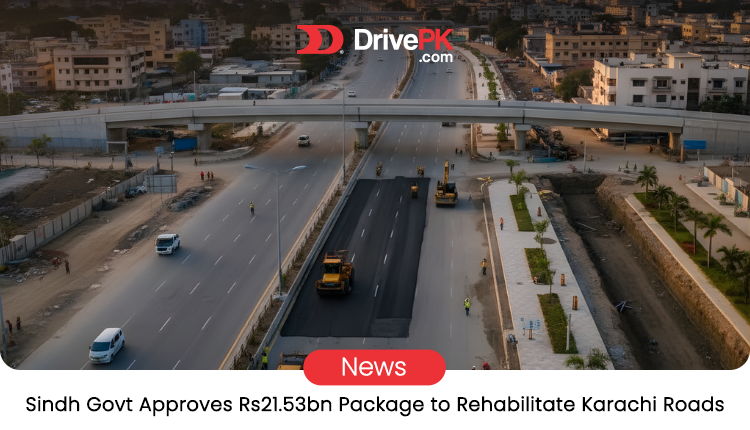
Table of Contents
- What's in the Package?
- Breaking Down the Funds
- Why This Matters for Daily Life
- Ensuring It Gets Done Right
- Challenges Ahead
- Conclusion
Karachi's streets have seen better days. Potholes, cracks, and endless traffic jams make daily life tough for millions. But things might change soon. Sindh Chief Minister Murad Ali Shah just approved a Rs21.53 billion package to fix the city's road network. This isn't a small patch-up. It's a solid plan to make driving smoother, safer, and better for business.
The money comes at a good time. Karachi, Pakistan's biggest city, handles huge amounts of trade and people every day. Bad roads slow everything down. They cause accidents, waste time, and hurt the economy. With this funding, the government aims to tackle those problems head-on. And it's not just about roads; there's cash for water lines, sewers, and even lights.
What's in the Package?
The core of this initiative is road work. Out of the total, Rs. 13 billion goes straight to Town Municipal Corporations (TMCs) as grants. These local bodies know their areas best, so they can decide where fixes are needed most.
In total, 409 roads across Karachi's seven districts will get attention. Most—400 of them—will see patchwork repairs. That means filling holes, smoothing surfaces, and making them drivable again. But nine roads need more. They'll get full reconstruction from start to finish. This isn't a quick fix; it's built to last.
And there's extra for other basics. About 15 percent of the budget, or Rs1.64 billion, is set aside for sewerage and water supply projects. Clogged drains and leaky pipes often flood streets during rain. Fixing them will help prevent that mess.
Breaking Down the Funds
Let's look at where the money flows. Major chunks go to specific TMCs like Manghopir, Gadap, Baldia, and Mauripur. These areas often get overlooked, but now they'll see real improvements. Roads in places like Gulberg, Gulshan-i-Iqbal, Sohrab Goth, Orangi, Manghopir, Saddar, and Landhi are picked for complete rebuilds. If you've driven there, you know why they're worn out from heavy use.
The Karachi Metropolitan Corporation (KMC) isn't left out. They'll handle 26 major roads. That's the big arteries that connect neighborhoods and keep the city moving. Plus, KMC gets funds for water and sewerage repairs. Storm drains will get stronger to handle monsoon downpours. And streetlights? They'll upgrade those too, making nights safer for everyone.
This spread of funds shows thought. It's not dumping cash in one spot. Instead, it covers the whole city, from busy centers to quieter edges.
Why This Matters for Daily Life
Imagine your commute without dodging craters. Or walking home at night with working lights overhead. That's the promise here. Traffic congestion eats up hours every day in Karachi. Better roads mean faster trips, less fuel burned, and fewer frustrations.
Safety jumps out, too. Potholes cause crashes, especially for bikes and rickshaws. Fixing them could save lives. And with economic activity, smooth roads help trucks deliver goods more quickly. Shops get supplies on time, markets stay stocked, and jobs might even grow from all the construction work.
But it's not just about now. Good infrastructure builds a better future. Kids can get to school more easily. Businesses can expand without road headaches. Even tourism might pick up if the city looks and feels more welcoming.
Ensuring It Gets Done Right
CM Murad Ali Shah made one thing clear: no corners cut. He wants transparent work, high quality, and on-time finishes. That's smart. Past projects sometimes dragged on or fell short. To speed things up, he told the Finance Department to release funds right away.
This push for accountability matters. Taxpayers' money should deliver real results. With oversight, these repairs could set a standard for other cities in Pakistan.
Challenges Ahead
Of course, nothing's perfect. Karachi's growth is fast, and traffic keeps rising. Will this package be enough? It's a strong start, but ongoing maintenance will be key. Weather, like heavy rains, can undo work if drains aren't up to par. And coordination between TMCs and KMC needs to stay tight.
Still, residents have reason to hope. If executed well, this could transform how the city moves. People in Manghopir or Landhi might finally see their streets match the rest of Karachi.
Conclusion
This Rs21.53 billion package is more than numbers. It's about making Karachi work better for its people. From road repairs to sewer fixes, it's tackling real issues. CM Shah's focus on quality and speed could make a lasting difference.
If you're in Karachi, keep an eye on these projects. They might just smooth out your daily grind. And who knows? This could inspire more investments down the line. For more updates, visit DrivePK.com
Tags
Share this article
About the Author

Najeeb Khan
Automotive enthusiast and writer
Comments (0)
Login Required
You need to be logged in to comment on this article.
No comments yet. Be the first to share your thoughts!
Related Articles
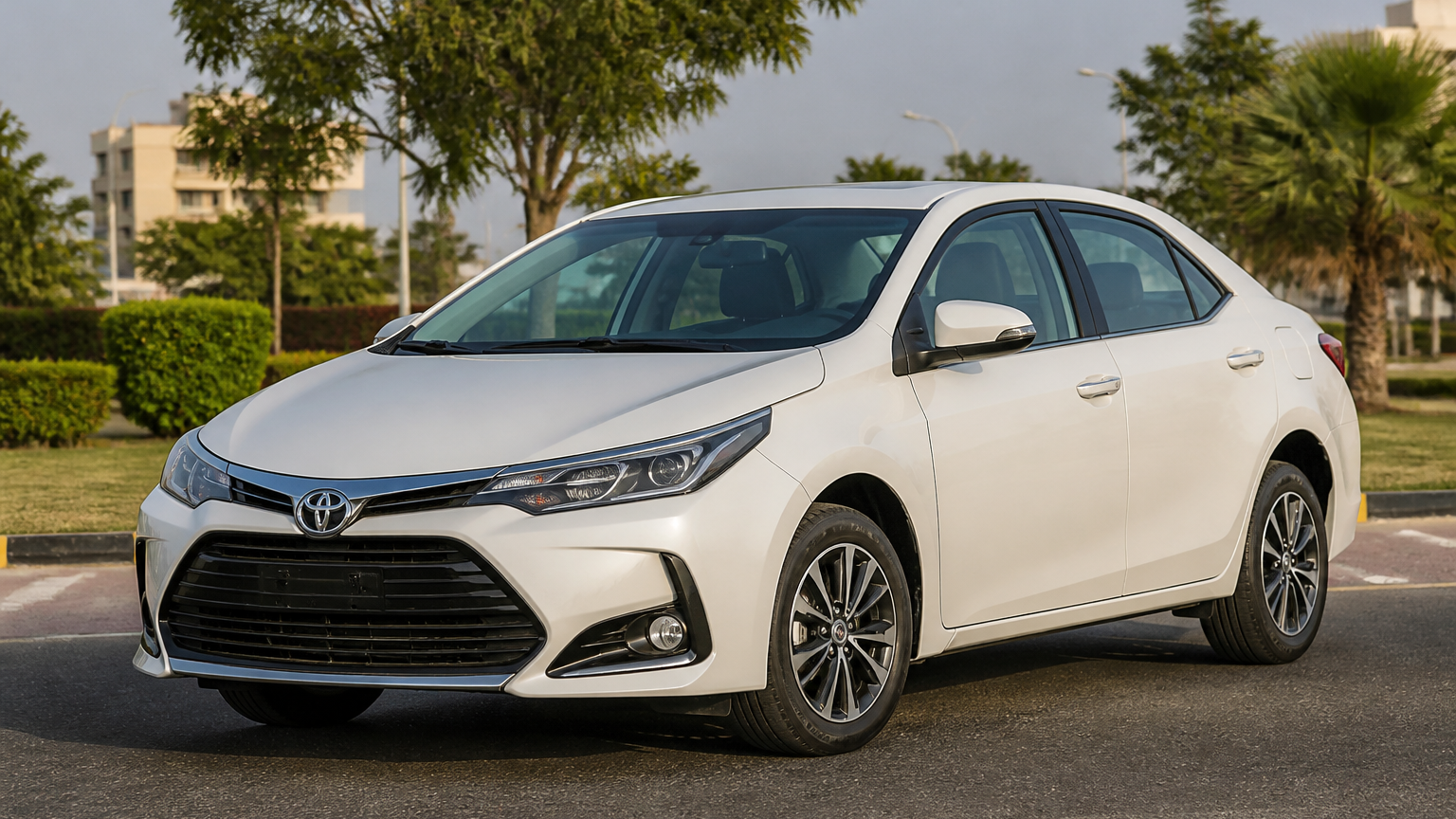
Toyota Corolla Discontinued Before Pakistan Facelift
Pakistan’s pre-facelift Toyota Corolla is reportedly discontinued, hinting at a facelift. Prices, bookings, specs and launch timing remain unconfirmed.
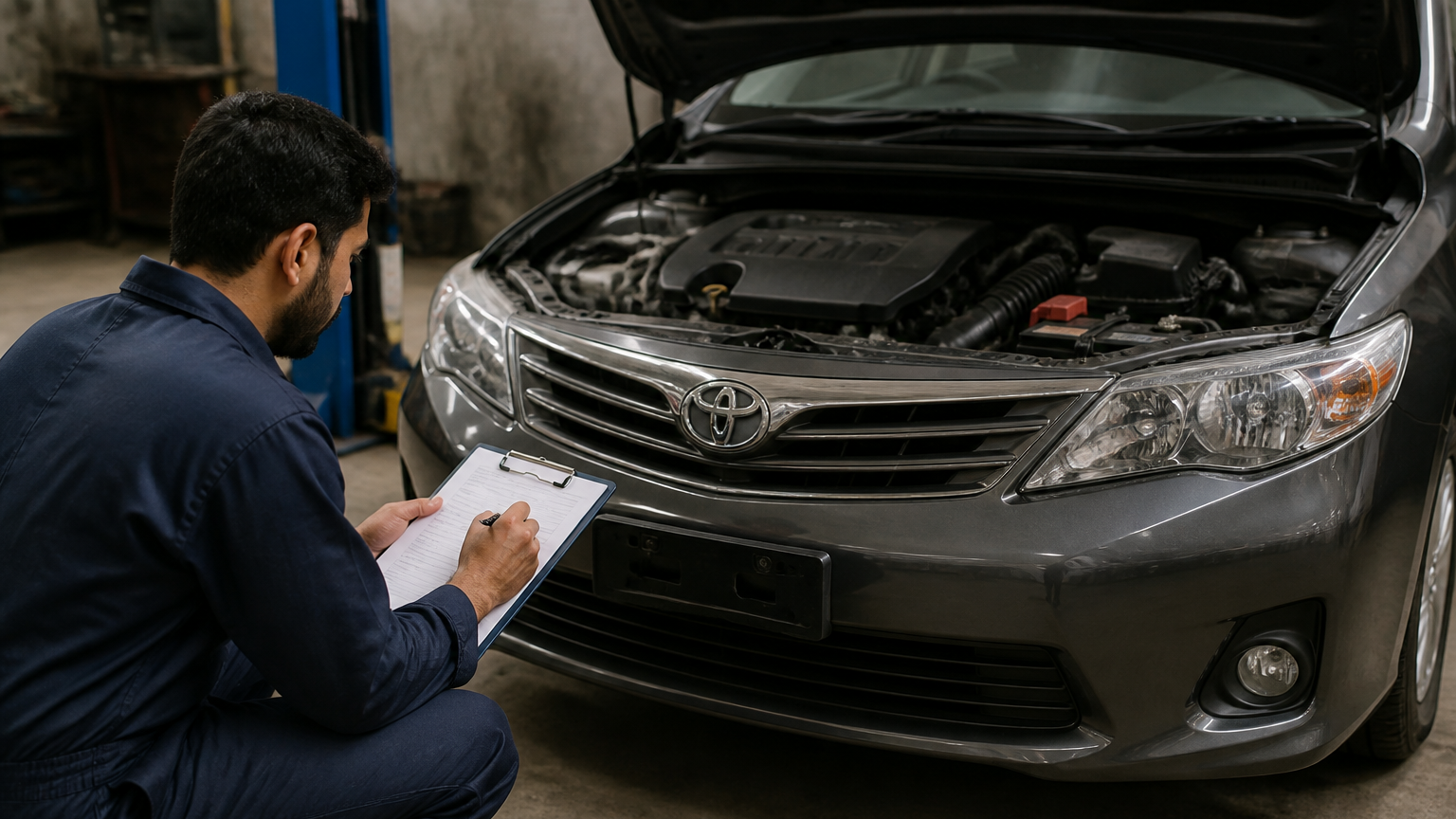
DrivePK Car Inspection Reports: Buy with Confidence
Buying a used car in Pakistan? A pre-purchase inspection can reveal hidden damage, engine issues and red flags before you pay—but it’s not enough alone.
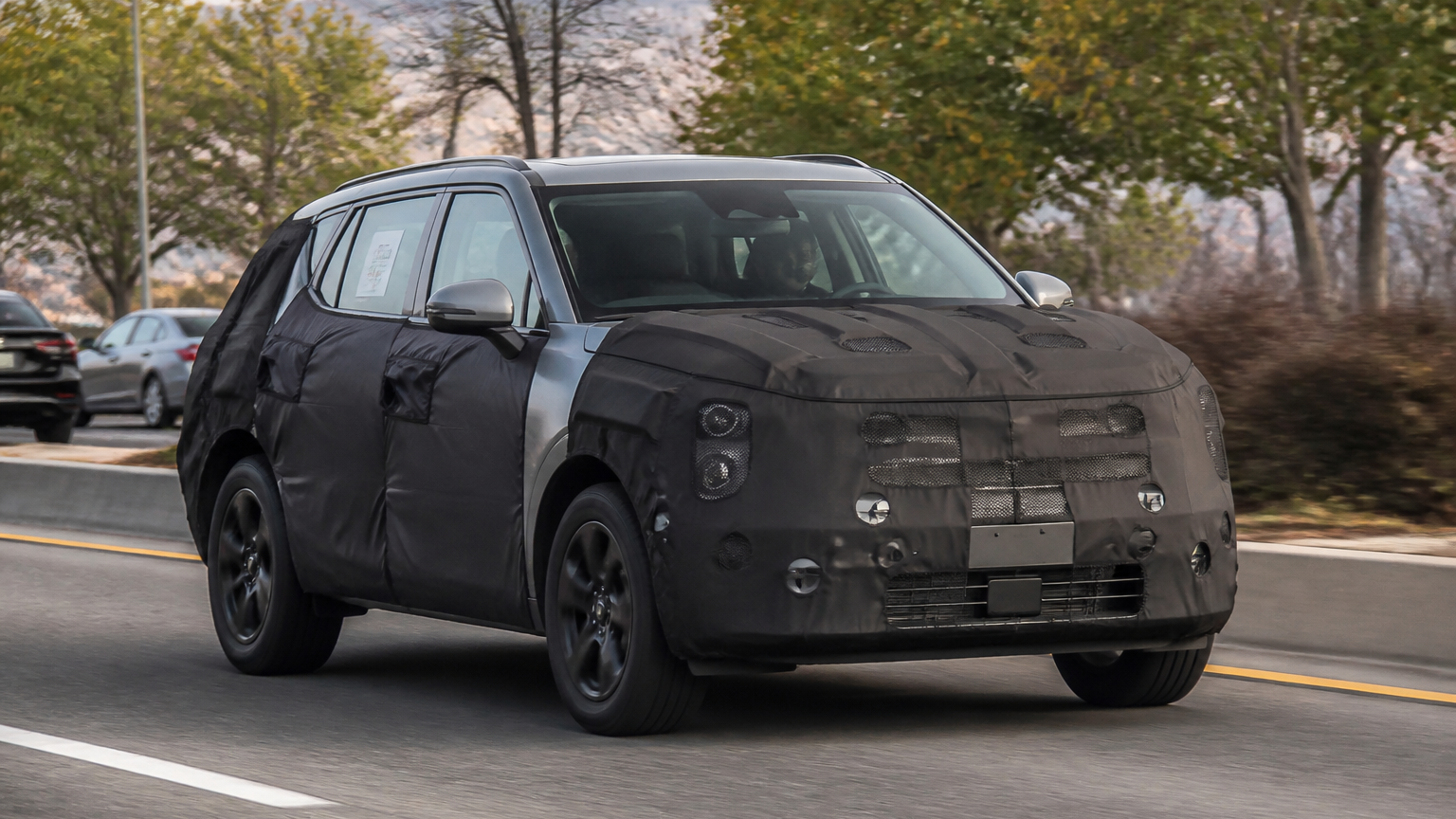
2028 Kia Sportage: Major Design Changes Spotted
Kia’s next Sportage may get a bolder, boxier redesign, with an upright profile, sharper lines, wider grille and split headlights hinted by spy shots.