Karachi’s Traffic Police Go High-Tech with Robot Patrols
Karachi’s traffic mess meets its match. Starting next month, robotic patrols will enforce lane and parking laws under the city’s E-Tracks system, which has already fined over 50,000 drivers. This AI-driven project marks a major step in making Pakistan’s biggest city safer, cleaner, and more disciplined on the roads.
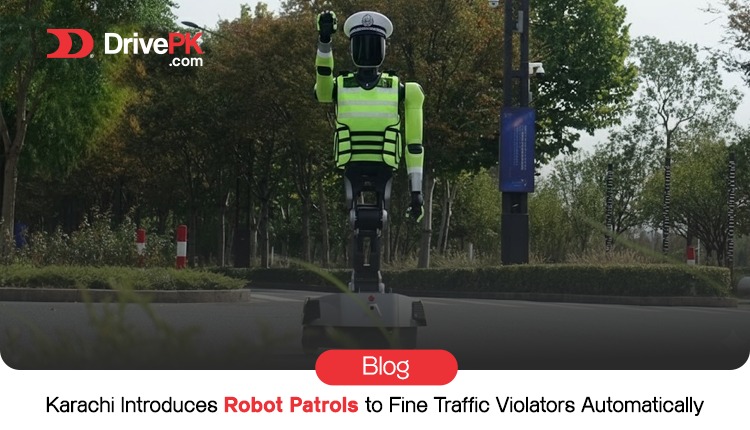
Table of Contents
- Robots on the Beat
- E-Tracks Is Already Making Waves
- Why This Matters
- What’s Next?
Karachi’s roads are chaotic. Anyone who’s driven through the city knows the struggle: cars parked where they shouldn’t be, lanes ignored, and traffic rules treated like suggestions. But things are about to change. The Karachi Traffic Police are rolling out a bold plan to clean up the streets, and they’re bringing robots to do it.
Robots on the Beat
Starting next month, robotic patrols will hit the roads in busy areas like Saddar and Tariq Road. These machines, moving at a steady 20 km/h, will scan vehicles for violations like illegal parking or ignoring lane rules. Spot a car in a “No Parking” zone? The robot will issue an e-challan on the spot. It’s part of the city’s new E-Tracks system, a tech-driven push to make traffic enforcement smarter and stricter.
And it’s not just talk. The police are already installing “No Parking” and “No Two-Lane” signs in these areas to make the rules crystal clear. If you park where you shouldn’t, don’t expect a warning; you’ll get a fine, courtesy of a robot.
E-Tracks Is Already Making Waves
The E-Tracks system isn’t brand new, but it’s already showing results. In just two weeks since its launch, nearly 50,000 drivers have been fined for breaking traffic rules. That’s not a small number. It shows the system is working and that Karachi’s drivers need to step up their game.
The goal isn’t to punish people but to make the roads safer and less congested. With robots now joining the effort, the police are doubling down on enforcement. No more slipping through the cracks because an officer didn’t see you. The robots don’t miss much.
Why This Matters
Karachi’s traffic problems aren’t just annoying, they’re dangerous. Illegal parking clogs up streets, and lane violations cause accidents. By using tech like E-Tracks and robotic patrols, the police are trying to fix this mess. The robots aren’t here to replace officers; they’re tools to make the system fairer and more efficient.
But it’s not all smooth sailing. Some drivers might feel targeted or frustrated by the fines. Others might wonder if the robots will work as promised in Karachi’s dusty, crowded streets. Only time will tell. For now, the police are moving forward, and the message is clear: follow the rules, or pay the price.
What’s Next?
The robotic patrols are just the start. If they work well in Saddar and Tariq Road, expect to see them in other parts of the city. The police haven’t shared plans for expanding E-Tracks yet, but with 50,000 fines already issued, they’re off to a strong start.
So, next time you’re driving in Karachi, keep an eye out for those “No Parking” signs and maybe double-check your parking spot. The robots are coming, and they’re ready to keep the roads in check. For more updates, visit DrivePK.com
Tags
Share this article
About the Author

Najeeb Khan
Automotive enthusiast and writer
Comments (0)
Login Required
You need to be logged in to comment on this article.
No comments yet. Be the first to share your thoughts!
Related Articles
Toyota Corolla Discontinued Before Pakistan Facelift
Pakistan’s pre-facelift Toyota Corolla is reportedly discontinued, hinting at a facelift. Prices, bookings, specs and launch timing remain unconfirmed.
DrivePK Car Inspection Reports: Buy with Confidence
Buying a used car in Pakistan? A pre-purchase inspection can reveal hidden damage, engine issues and red flags before you pay—but it’s not enough alone.
2028 Kia Sportage: Major Design Changes Spotted
Kia’s next Sportage may get a bolder, boxier redesign, with an upright profile, sharper lines, wider grille and split headlights hinted by spy shots.