KP Science Agenda: Electric Rickshaws and Local Innovations Boost Pakistan's Tech Future
Khyber Pakhtunkhwa shines with the KP Science Agenda, featuring an electric rickshaw for eco-friendly rides and breakthroughs like artificial skin for burns. These projects cut costs, boost earnings, and push for self-reliance in tech.
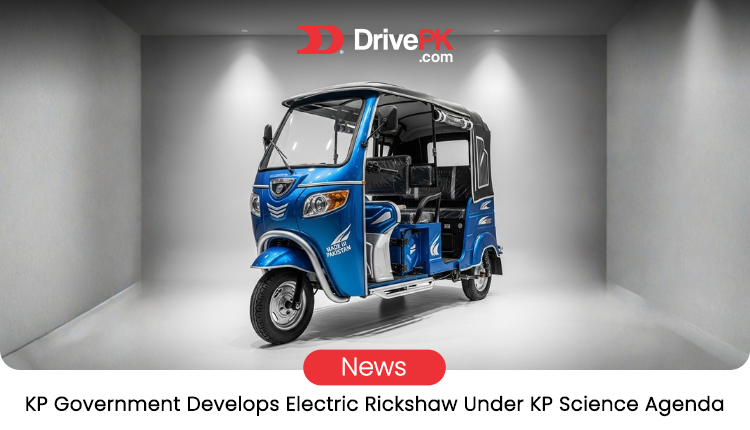
Table of Contents
- The Electric Rickshaw: A Game for Drivers and the Planet
- Artificial Skin: Healing Burns Faster and Cheaper
- PCR Kits: Quick Tests for Serious Diseases
- More Innovations on Display
- Why KP's Push Matters Now
- From Exhibition to Everyday Use
- Benefits for People and Province
- Conclusion
Innovation is taking root in Pakistan's northwest. The Khyber Pakhtunkhwa government has rolled out fresh ideas under its KP Science Agenda. At the center is a new electric rickshaw. It promises cheaper runs for drivers and cleaner air for everyone.
This isn't just talk. They showed it off at a big exhibition in Peshawar. The event at the Chief Minister's House drew crowds to see what local minds can build. From medical tools to mining aids, it's all about solving real problems at home.
Chief Minister Muhammad Sohail Afridi put it plain: Focus on new tech in biomedicine and materials. It builds jobs, saves money, and cuts ties to imports. And it starts now.
The Electric Rickshaw: A Game for Drivers and the Planet
Rickshaws buzz through Pakistan's streets daily. But fuel costs eat into earnings. Maintenance adds up, too. Enter the electric version from KP.
This rickshaw runs on batteries. No more petrol bills. Drivers keep more cash in their pockets. And it cuts pollution. Cities like Peshawar could breathe easier with fewer fumes.
The design is state-of-the-art, built locally. It handles rough roads and long days. Lower costs mean better livelihoods for thousands. It's a push toward green transport that fits everyday needs.
But why stop at vehicles? The agenda covers more ground.
Artificial Skin: Healing Burns Faster and Cheaper
Burns hurt lives in Pakistan. Treatment often means expensive imports. Not anymore. KP teamed up with the Pak-Austria Fachhochschule University for Pakistan's first home-made artificial skin.
This skin helps wounds heal quickly. It's made from local materials, so costs drop. Production time shrinks too. No waiting for shipments from abroad.
Doctors say it could change burn care. Patients get help sooner. Hospitals save big. It's a win for health and the economy.
And it's just one piece of the puzzle.
PCR Kits: Quick Tests for Serious Diseases
Testing for diseases like hepatitis or TB takes time and money. Khyber Medical University stepped in with new PCR diagnostic kits.
These kits spot multiple illnesses fast. They're made in KP, cutting import needs. Cheaper for clinics, quicker for patients.
The tech is advanced but simple to use. It means earlier treatment and fewer outbreaks. Self-reliance in health tech like this builds stronger communities.
Other highlights from the exhibition fit the same mold.
More Innovations on Display
The Peshawar event wasn't short on ideas. E-surgical instruments caught eyes. They're electronic tools for precise operations. Safer surgeries, less risk.
Then there's liquid oxygen in mining. It boosts safety and efficiency underground. Miners work better, with fewer hazards.
An e-study card system rounds it out. It digitizes learning for students. Easy access to materials, no heavy books.
Each project ties back to the agenda's core: Innovate local, grow strong.
Why KP's Push Matters Now
Pakistan faces big challenges. Fuel imports drain funds. Health costs rise. KP's approach tackles these head-on.
By focusing on biomedicine, they create jobs in labs and factories. Advanced materials mean better products overall.
Economic growth follows. Less spending abroad keeps money in the province. Innovation sparks startups, too.
Environment gets a boost. Electric rickshaws cut carbon. Sustainable mining protects land.
Chief Minister Afridi stressed self-reliance. It's about standing tall in a global world.
But how do these roll out?
From Exhibition to Everyday Use
The exhibition was a launchpad. Now comes real-world testing.
The electric rickshaw hits streets soon. Drivers can apply for trials. Feedback shapes the final model.
Artificial skin goes to hospitals for trials. PCR kits are distributed to labs.
Government support includes funding and training. Universities partner for research.
Challenges exist. Scaling up needs investment. Training people takes time.
Yet the momentum is there. KP leads; others might follow.
Benefits for People and Province
Drivers earn more with electric rickshaws. Families breathe cleaner air.
Burn victims heal without breaking the bank. Disease testing speeds up care.
Miners work more safely. Students learn smarter.
For KP, it's growth. New industries emerge. Youth find tech careers at home.
It reduces brain drain. Talents stay and build.
In a country pushing for progress, this agenda sets an example.
Conclusion
KP Science Agenda isn't stopping. More projects brew in biomedicine and materials.
The exhibition showed what's possible. Collaboration between the government, universities, and experts drives it.
If you're in Peshawar or beyond, watch for updates. These innovations could touch your life.
Pakistan's future looks brighter with steps like these. Homegrown tech for a stronger tomorrow. For more updates, visit DrivePK.com
Tags
Share this article
About the Author
Najeeb Khan
Automotive enthusiast and writer
Comments (0)
Login Required
You need to be logged in to comment on this article.
No comments yet. Be the first to share your thoughts!
Related Articles
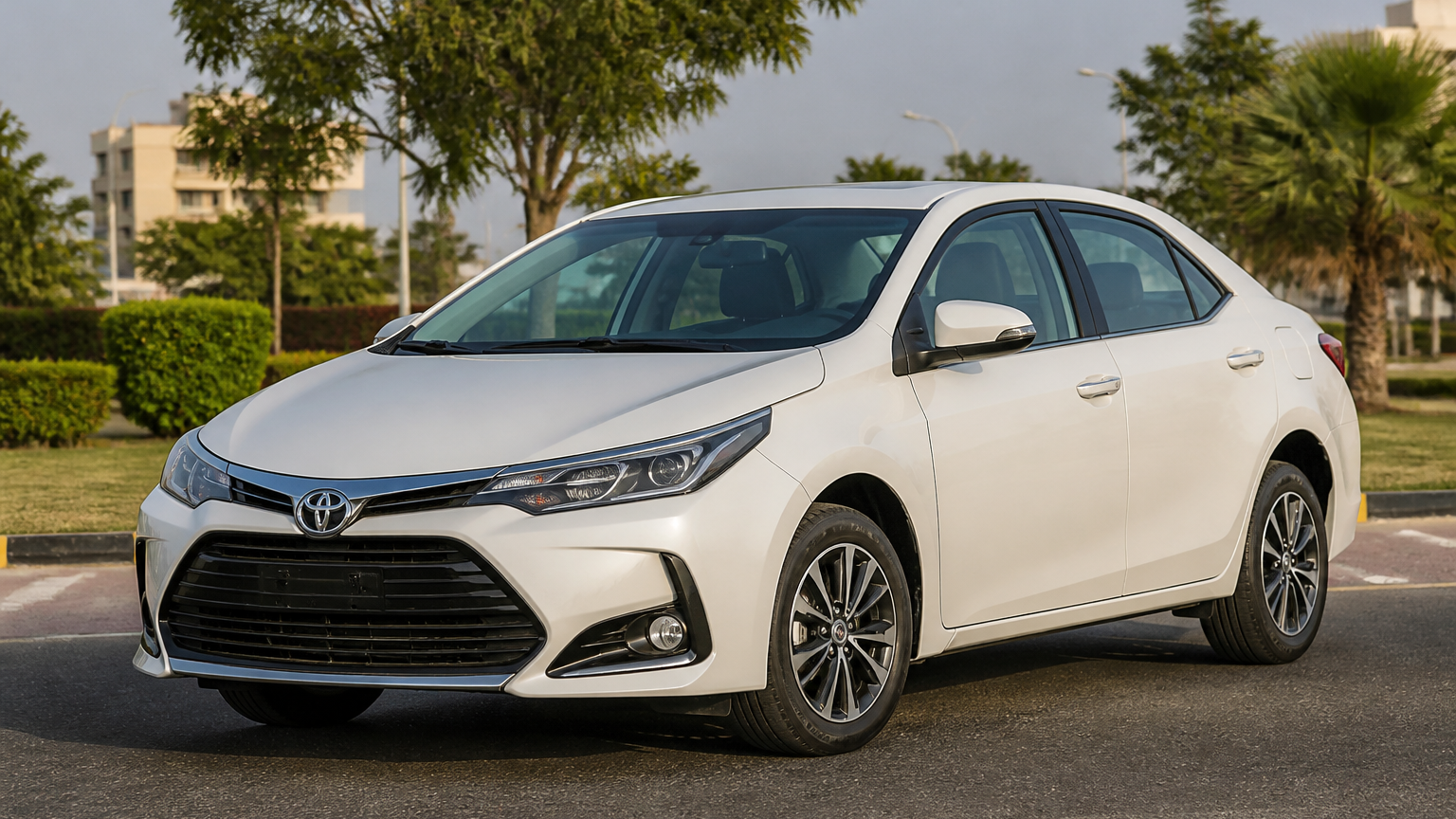
Toyota Corolla Discontinued Before Pakistan Facelift
Pakistan’s pre-facelift Toyota Corolla is reportedly discontinued, hinting at a facelift. Prices, bookings, specs and launch timing remain unconfirmed.
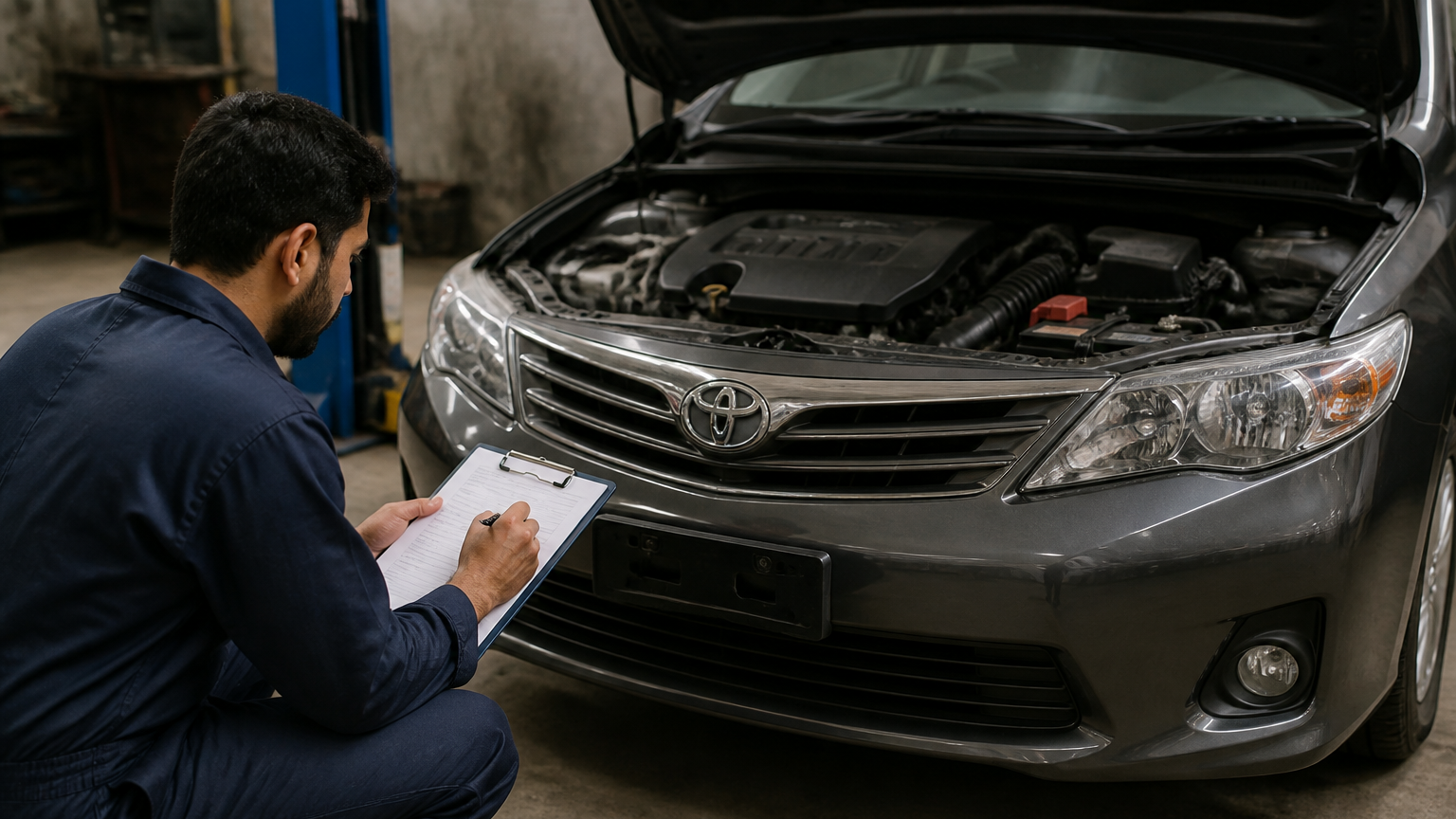
DrivePK Car Inspection Reports: Buy with Confidence
Buying a used car in Pakistan? A pre-purchase inspection can reveal hidden damage, engine issues and red flags before you pay—but it’s not enough alone.
2028 Kia Sportage: Major Design Changes Spotted
Kia’s next Sportage may get a bolder, boxier redesign, with an upright profile, sharper lines, wider grille and split headlights hinted by spy shots.