Lahore Traffic Challans Surge 2026: City Traffic Police Zero Tolerance Enforcement
Lahore is experiencing a sharp surge in traffic challans due to the City Traffic Police’s strict zero-tolerance approach and increased e-challans. While intended to improve road discipline, many drivers feel it adds financial pressure without addressing infrastructure issues such as broken signals and congestion. Comply with rules to avoid fines.
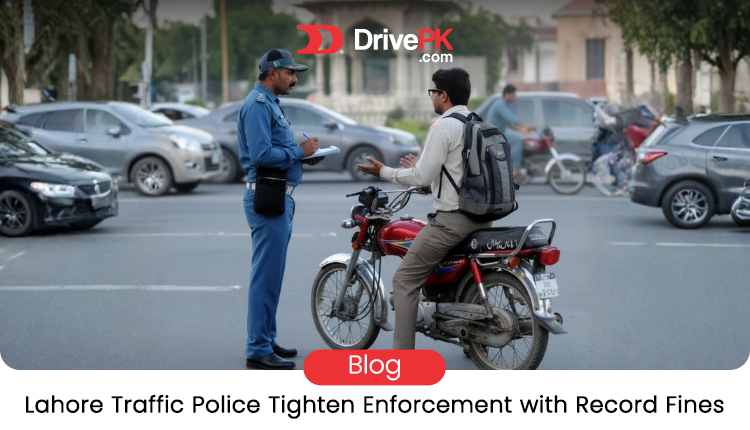
Table of Contents
- Why the sudden increase in challans in Lahore?
- What authorities say about the strict enforcement
- Why many drivers feel frustrated
- Common violations getting the most challans right now
- What you should do to avoid traffic fines in Lahore
- The bigger picture for traffic in Lahore
Lahore drivers are feeling the heat these days. The City Traffic Police has stepped up enforcement with a strict zero-tolerance approach. Reports show a sharp rise in traffic challans, especially through e-challans. Many motorists say they are getting fined more often for small mistakes. While the police call it a push for better road safety, plenty of people wonder if it has turned into a revenue drive.
In just two and a half months, Lahore traffic police collected a massive Rs12.55 billion in fines. That number caught everyone’s attention. Officers now use cameras and digital systems more than ever. They focus on easy-to-spot violations like signal jumping, wrong parking, speeding, and no helmet on bikes.
Why the sudden increase in challans in Lahore?
The City Traffic Police adopted a clear zero-tolerance policy. They want to bring discipline on busy roads. E-challans make it simple — cameras catch violations automatically and send notices straight to vehicle owners. No need for an officer on the spot every time.
Some drivers suspect daily targets for traffic wardens. Others point out that police pick violations that are quick to issue and hard to argue. Broken signals, poor road markings, and heavy congestion make mistakes easy. Yet the fines keep coming.
Punjab updated traffic laws recently with higher penalties. Many violations now start from Rs2,000 and can go much higher. Over-speeding, signal violations, and overloading carry stiff fines plus points on your licence.
What authorities say about the strict enforcement
Traffic officials insist the goal is safer roads. They want fewer accidents and better behaviour from drivers, riders, and pedestrians. Strict action, they say, has already improved discipline in some areas. People now stop at red lights even late at night on empty roads.
The police also run campaigns against defaulters. They chase unpaid e-challans and sometimes impound vehicles. Recently they even penalised their own officers for traffic violations to show that rules apply to everyone.
Chief Traffic Officer Athar Waheed and his team keep stressing road safety. They remind citizens that following rules saves lives and avoids fines.
Why many drivers feel frustrated
A lot of Lahore residents see the other side. They argue that the city still suffers from broken traffic signals, potholes, missing road signs, and terrible congestion. Fixing these infrastructure problems would reduce violations naturally. Instead, the focus stays on fining people.
With rising fuel prices and economic pressure, extra challans add real pain. A small mistake that once cost a few hundred rupees now hits harder under the new fine structure. Bike riders and small car owners feel it most.
Some call it revenue-driven rather than safety-driven. The huge collection figures fuel that perception. People want the money to improve roads and signals, not just fill government coffers.
Note that the police recently suspended challans for motorcycles and rickshaws until Eid to ease pressure on common people. That gave temporary relief, but the strict approach continues for cars and other vehicles.
Common violations getting the most challans right now
- Jumping red lights or traffic signals
- Wrong-way driving or lane discipline issues
- No helmet for motorcyclists
- Over-speeding
- Illegal parking
- Using mobile phones while driving
- Overloading vehicles
E-challans catch many of these automatically. If you get one, check it quickly on the official portal and pay to avoid extra trouble.
What you should do to avoid traffic fines in Lahore
The best defence is simple: follow the rules strictly.
- Stop fully at red signals, even if the road looks empty.
- Always wear a helmet on two-wheelers.
- Keep your speed within limits, especially on Ring Road.
- Park only in allowed spots.
- Avoid using your phone while driving.
- Make sure your vehicle documents and lights are in order.
Plan your route to avoid known congestion spots. Small habits like leaving home a bit early can save you from rushing and making mistakes.
If you do get a challan, pay it on time through the official e-challan system. Ignoring it only leads to bigger problems later.
The bigger picture for traffic in Lahore
Lahore’s roads carry millions of vehicles every day. Better enforcement alone cannot solve everything. The city needs smoother traffic flow, fixed signals, clear markings, and proper planning.
Many hope the huge fine collection will actually go toward road improvements and better public transport. That would make the strict policy feel fairer.
For now, drivers have one clear message from the traffic police: obey the rules or pay the price. With zero tolerance in place, compliance is the smartest and cheapest option.
Stay alert, drive carefully, and Lahore’s roads might become safer for everyone in the long run. For more updates, visit DrivePK.com
Tags
Share this article
About the Author

Najeeb Khan
Automotive enthusiast and writer
Comments (0)
Login Required
You need to be logged in to comment on this article.
No comments yet. Be the first to share your thoughts!
Related Articles

Jetour T2 Facelift Gets 173 km EV Range in China
Jetour’s T2 facelift brings sharper looks, smarter tech and up to 173km electric range—but Pakistan launch, specs and pricing remain unconfirmed.
Honda HR-V Price Cut Up to Rs. 10.7 Lakh in Pakistan
Honda reportedly cuts HR-V prices in Pakistan by up to Rs. 10.7 lakh from Sept 25, 2026—but confirm the limited-time deal with a dealer.
Pakistan Fuel Levy: How It Raises Inflation Pressure
A fuel levy can ripple through Pakistan’s economy, raising travel, delivery and everyday costs—fueling inflation far beyond the petrol pump for families.