LPG Price Surge Cuts Lahore Rickshaw Drivers’ Earnings
Lahore’s LPG rickshaw drivers face soaring fuel costs, shrinking daily earnings and higher fares for commuters across the city.
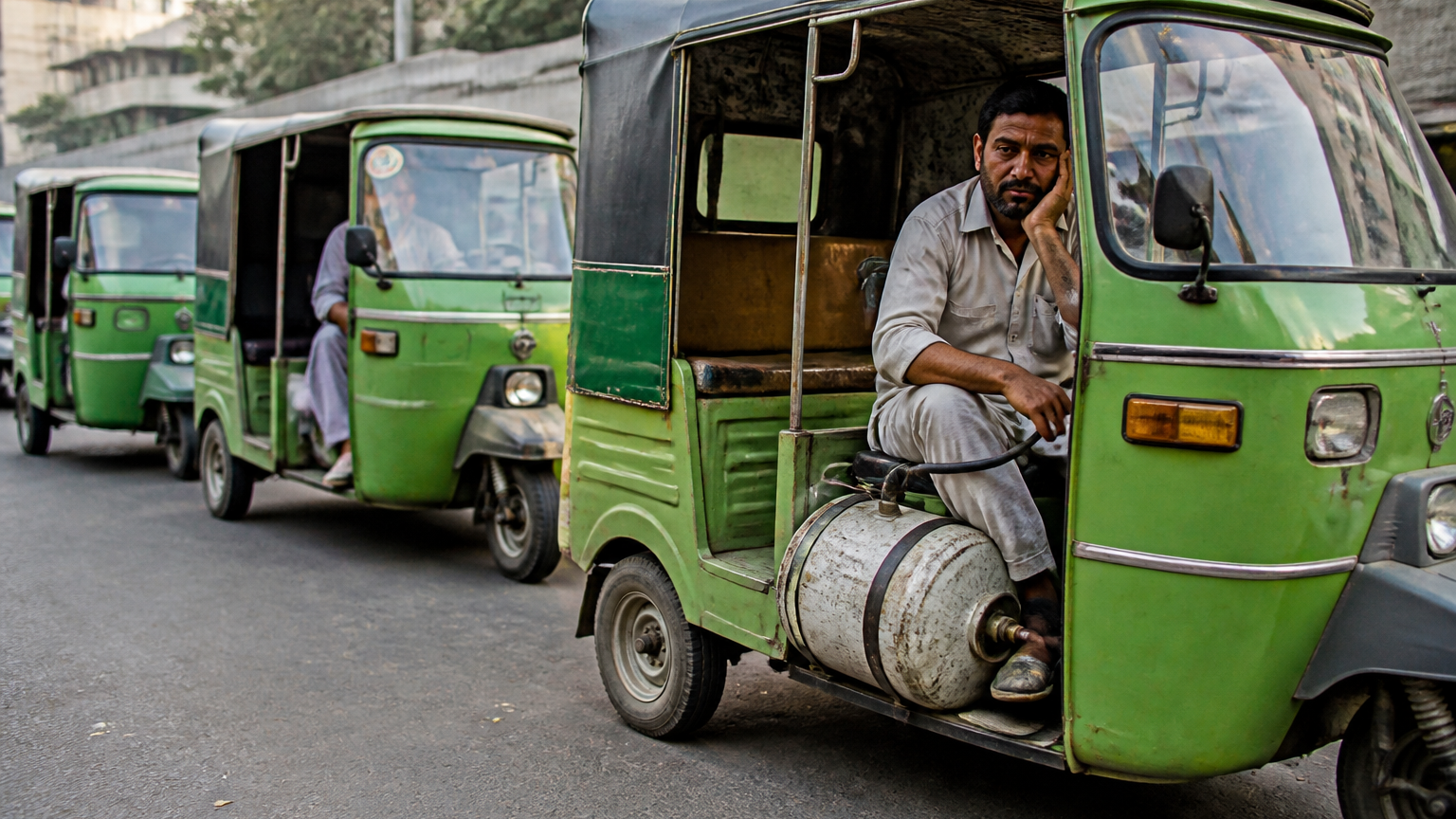
Table of Contents
- Market Prices Far Above the Notified Rate
- Why the Shortage Grew
- What the New Policy Could Change
- Explore DrivePK services
Lahore’s LPG-fuelled rickshaw drivers are being hit by a sharp rise in fuel costs, leaving many with far less money at the end of a long working day. reportedly the pressure is being felt most by drivers whose vehicles depend on LPG instead of petrol, because even small jumps in fuel price quickly eat into already thin earnings.
The issue matters far beyond one city. Lahore has a large network of auto-rickshaws and Qingqis that carry daily commuters, workers and small goods. Reportedly, around 70% of the Awami Rickshaw Union’s 43,000 auto-rickshaws use LPG, along with nearly 8,000 Qingqis. That means any fuel shock can affect fares, driver incomes and the cost of short-distance transport for passengers.
Market Prices Far Above the Notified Rate
Reportedly, LPG is being sold in some areas for Rs700 to Rs800 per kg, while the notified November price is around Rs295 per kg. The gap is large enough to change the daily math for drivers.
That market price should not be treated as the same across every neighbourhood, but it does show how badly local supply has been disturbed. For drivers, the problem is simple: when fuel is bought at a much higher retail rate, gross fare collection leaves much less after fuel, maintenance and other costs.
Lahore drivers say the squeeze is already visible. One rickshaw driver, Rashid Ali, told Reuters he used to earn about $6.50 a day after working from early morning until late at night. He said that income has now fallen to less than half. For many drivers, that means a choice between raising fares, taking more trips, or spending even longer hours on the road.
Why the Shortage Grew
Reportedly, the price spike followed the closure of two Iranian border crossings on October 17. Pakistan relies heavily on imported LPG, and western-border supply has played an important role in the market. When that channel is disrupted, the effect is often felt first in local retail prices.
This is where drivers and passengers should stay careful. A higher market price does not always mean the full increase is due to the official rate. Supply disruption, transport costs, hoarding and uneven local availability can all widen the gap between the notified price and what buyers actually pay.
What the New Policy Could Change
The government has announced steps to open up the LPG market, but these are proposals and implementation will decide the real impact. reportedly four state-owned companies are expected to return to bulk LPG imports. Locally produced LPG is also planned to move through competitive auctions instead of discretionary quotas.
The plan also includes support of around Rs300 to Rs350 per kg for eligible low-income consumers. That may help some households, but the effect on commercial drivers will depend on how quickly supply reaches retailers and whether the lower-cost gas is actually available in the market.
For Lahore’s drivers, the key issue is not policy headlines but what shows up at the cylinder shop. Until imported and locally produced LPG reaches the retail market in a steady way, the pressure on earnings may continue. Passengers may see fare pressure too, but they should not assume every hike is fully justified by the official rate alone.
For more on how transport rules and driver costs can affect everyday travel, see Lahore Canal Road Qingqi Rickshaw Ban Explained and Ghauri Advocates for Rickshaw Drivers: Policy Impacts.
Explore DrivePK services
Buying or selling a vehicle? Explore DrivePK services, including car inspection, Sell It For Me and Featured Listings, and choose the option that fits your needs.
For more updates, visit DrivePK.com
Tags
Share this article
About the Author

Dr Khan
Automotive Expert & Content Strategist
Comments (0)
Login Required
You need to be logged in to comment on this article.
No comments yet. Be the first to share your thoughts!
Related Articles
پاکستان آٹو پالیسی 2026-31 میں $6bn برآمدی ہدف مقرر
پاکستان کی آٹو پالیسی 2026-31 کا ہدف $6bn برآمدات ہے، تاہم مجوزہ قیمت، بکنگ اور انجن لیویز کو ابھی کابینہ کی منظوری درکار ہے۔
Pakistan Auto Policy 2026-31 Sets $6bn Export Target
Pakistan’s Auto Policy 2026-31 targets $6bn in exports, but proposed price, booking and engine levies await cabinet approval.
پاکستان نے 45 نئی گاڑیوں کی حفاظتی معیارات شامل کر دیے
پاکستان نے اقوامِ متحدہ کے قواعد سے منسلک 45 نئے وہیکل سیفٹی اسٹینڈرڈز کا اعلان کیا ہے، تاہم نفاذ کی تاریخ اور متاثرہ گاڑیوں کی اقسام ابھی واضح نہیں۔