Millat Tractors Explores Electric Bike Production in Pakistan
Millat Tractors, Pakistan’s leading tractor maker, has confirmed it is studying the feasibility of electric bike production. With petrol prices high and EV sales strong, this move could bring reliable, affordable electric two-wheelers to more Pakistanis. The project is still in early stages.
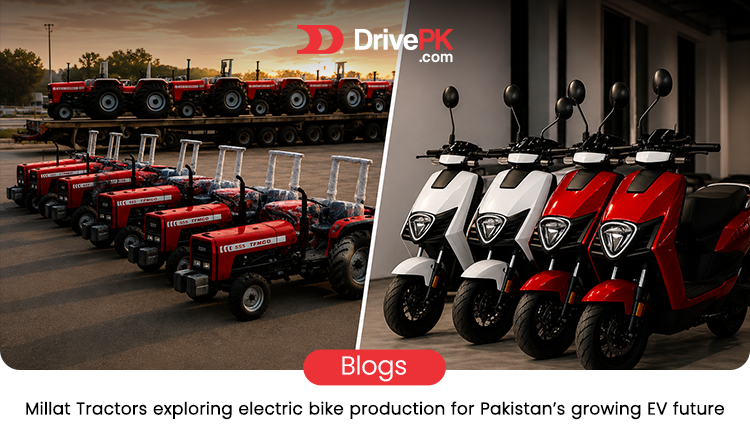
Table of Contents
- Why Now? The Rise of EV Two-Wheelers
- Who Is Millat Tractors?
- What This Could Mean for the Market
- Benefits for Riders and the Country
- Challenges Ahead for EV Adoption
- Broader Context of Pakistan’s EV Journey
- What Happens Next?
- Conclusion
Millat Tractors Limited just shared some interesting news. One of its group companies is looking into making electric bikes in Pakistan. The company put out a statement on the Pakistan Stock Exchange on May 7, 2026, after rumours started circulating.
This is not a final decision yet. It is still at the feasibility stage. But the move makes sense given how the market is changing right now.
Why Now? The Rise of EV Two-Wheelers
Petrol prices have climbed a lot lately. Many people are feeling the pinch at the pump. As a result, demand for electric bikes and scooters has gone up sharply. Industry reports suggest around 40,000 EV two-wheelers were sold in April alone.
In 2025, electric two-wheeler sales jumped significantly, reaching roughly 90,000 units for the year, with strong growth continuing. Buyers like the lower running costs. Charging at home is much cheaper than filling a tank, and maintenance is simpler with fewer moving parts.
For daily commuters in cities and towns, this shift brings real savings. Many riders report cutting their monthly fuel expenses substantially. That money matters when budgets are tight.
Who Is Millat Tractors?
Most Pakistanis know Millat Tractors as the country’s biggest tractor manufacturer. They produce Massey Ferguson tractors and hold a large share of the agricultural machinery market. The company has a solid reputation for quality manufacturing and after-sales support.
Founded in 1964 and based in Lahore, Millat has experience in engineering and local production. They also make other products like generators and implements. Entering the EV space would use their existing strengths in assembly, localization, and building trust with customers.
Their group already has some related experience through battery manufacturing companies. That background could help if they decide to move forward with electric bikes.
What This Could Mean for the Market
If Millat goes ahead, it could change things in a good way. Right now, many EV bikes come through imports or smaller assemblers. A big player with strong local manufacturing focus could improve quality, availability, and service networks.
Pakistanis value durability and easy repairs. Millat’s reputation in tractors suggests they understand local conditions, rough roads, dust, and the need for reliable machines. An electric bike built with that mindset might stand out.
Localization matters too. More local parts mean lower costs over time and less dependence on imports. That helps the economy and could make bikes more affordable.
Benefits for Riders and the Country
Electric bikes offer clear advantages:
- Lower costs: No petrol, cheaper electricity, less maintenance.
- Environment: Reduced emissions, cleaner air in cities.
- Convenience: Quiet operation, easy to ride in traffic.
For Pakistan, wider EV adoption can cut oil imports and support energy security. The government has shown interest in green mobility through various policies and incentives.
Many young buyers and middle-income families are already switching. Students, delivery workers, and small business owners see electric options as practical.
Challenges Ahead for EV Adoption
The path is not completely smooth. Charging stations are still limited outside big cities. Battery range and performance in hot weather need attention. The initial purchase price remains higher than basic petrol bikes for some buyers.
Infrastructure will need to grow. Home charging works for many, but public options and swapping stations could help. Battery technology is improving, and prices are coming down gradually.
Awareness is another factor. Some people still have questions about safety, lifespan, and resale value. Established companies like Millat could address these through education and strong warranties.
Supply chain issues and consistent policy support also play a role. But the momentum is clearly there.
Broader Context of Pakistan’s EV Journey
The two-wheeler market in Pakistan is huge. Millions rely on motorcycles for daily transport. Even a small percentage shifting to electric adds up quickly.
Other players are active in the space, but a major manufacturer entering could bring scale and confidence. Competition usually leads to better products and prices for consumers.
Analysts expect continued growth. If current trends hold, electric two-wheelers could take a much larger share of the market in the coming years.
What Happens Next?
Millat has been careful in its statement. They are evaluating the opportunity as part of wider market changes. No timelines or specific models have been shared yet.
Industry watchers will follow developments closely. A positive feasibility outcome could lead to pilot projects, partnerships, or full production plans.
For now, it is an encouraging signal. It shows that even traditional manufacturers see the shift toward electric mobility.
Conclusion
This news from Millat Tractors comes at the right time. Rising fuel costs are pushing people to look for alternatives. Electric bikes offer a practical solution for many Pakistanis who need affordable, reliable transport.
Whether or not the project moves forward depends on the detailed study. But the interest itself highlights how the market is evolving. Consumers want options that save money and fit real needs.
We will keep an eye on updates. If Millat enters the EV bike space with its usual focus on quality and service, it could be good news for riders across the country. For more updates, visit DrivePK.com
Tags
Share this article
About the Author
Najeeb Khan
Automotive enthusiast and writer
Comments (0)
Login Required
You need to be logged in to comment on this article.
No comments yet. Be the first to share your thoughts!
Related Articles
Pak Suzuki Adds NADRA Biometric Verification for Vehicle Deals
Buying a Suzuki? ICT confirms biometrics for vehicle transfers—but not a Pak Suzuki–NADRA dealership partnership. Know what’s actually verified.
Lahore Canal Road Qingqi Rickshaw Ban Explained
Lahore traffic police clarify: no new citywide rickshaw ban—Qingqis and loaders are already barred from Canal Road to ease congestion.
Super Star EV Scooters Price in Pakistan: 8 Models
Super Star now offers 8 EV scooters in Pakistan, priced Rs110,000–270,000—from affordable city rides to longer-range lithium models.