Pakistan Airports Embrace Electric Vehicles for Greener Operations
Pakistan's airports are going green with electric vehicles in ground operations. The Pakistan Airports Authority has deployed BYD EVs to cut emissions from staff transport. Plans for charging stations at Islamabad International Airport show a push toward cleaner aviation. This aligns with global trends for efficient, quiet airports.
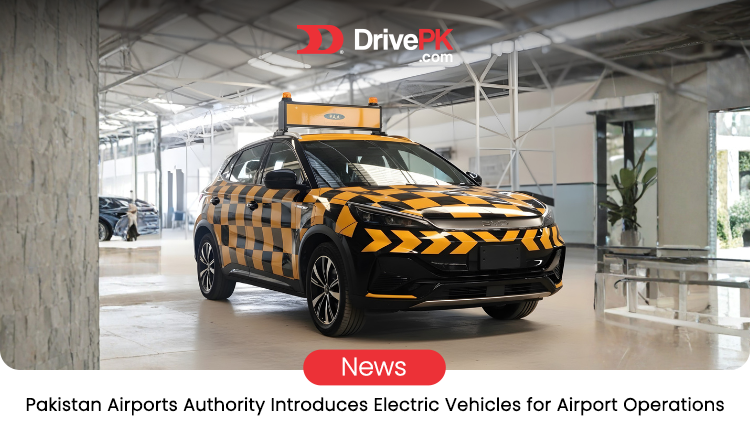
Table of Contents
- How Electric Vehicles Fit into Airport Operations
- Building the Infrastructure for EVs
- Global Trends in Aviation Sustainability
- BYD's Role in Pakistan's EV Transition
- What This Means for the Future of Pakistani Aviation
- Wrapping It Up: A Step Toward Cleaner Skies
Airports are busy places. Planes come and go, but a lot happens on the ground, too. Staff move around, luggage gets handled, and vehicles zip back and forth. In Pakistan, things are changing. The Pakistan Airports Authority has started using electric vehicles for these tasks. It's a small step, but it matters for the environment.
I saw a photo online of a BYD electric vehicle at work in an airport. It's not just talk anymore. These EVs are in active service, helping with staff transport and logistics. No more noisy gas engines puffing out smoke. Instead, quiet rides that cut down on pollution.
Why does this matter? Airports contribute to carbon emissions, even if it's not from the planes themselves. Ground vehicles add up. By switching to electric, Pakistan is tackling that part. It's practical. Lower fuel costs over time and cleaner air for workers and passengers.
How Electric Vehicles Fit into Airport Operations
Think about a typical day at an airport. Tugs pull baggage carts. Vans shuttle crews. All that needs power. Electric vehicles handle it well. They charge up and go, with no exhaust.
The Pakistan Airports Authority picked BYD for a reason. BYD is a big name in EVs worldwide. They've got reliable tech. In Pakistan, BYD is growing. They have deals and showrooms here now. Spotting one at the airport shows trust in the brand.
This isn't random. It's part of a plan. Officials want to modernize the fleet. Old vehicles wear out and pollute more. New EVs last longer with less maintenance. Batteries improve every year, so range isn't an issue for short airport runs.
And emissions? Huge drop. No tailpipe fumes mean better air quality. Airports are often near cities, so this helps everyone. Less noise, too. Imagine quieter ramps where workers can hear each other without shouting.
Building the Infrastructure for EVs
You can't just buy EVs and call it done. They need places to charge. That's where planning comes in. At Islamabad International Airport, they're proposing EV charging stations. It's a sign they're serious.
Islamabad is a key hub. It's modern and busy. Adding chargers there sets an example. Other airports might follow, like Lahore or Karachi. The infrastructure makes wider adoption possible. Drivers won't worry about running out of power mid-shift.
Pakistan's government supports this. Policies encourage green tech. Import duties on EVs are lower in some cases. It ties into broader goals, like reducing oil imports. The country has power challenges, but solar charging could help. Airports have space for panels.
But challenges exist. Initial costs are high. Training staff on new vehicles takes time. And the grid needs to handle more demand. Still, starting small builds momentum.
Global Trends in Aviation Sustainability
Pakistan isn't alone. Airports worldwide are going electric. Look at Heathrow in London. They use electric buses for passengers. Or Amsterdam's Schiphol, with electric ground equipment.
Why the shift? Climate change pushes it. Aviation faces pressure to cut emissions. The International Civil Aviation Organization sets targets. By 2050, net-zero is the goal for many.
Ground operations are low-hanging fruit. They're easier to electrify than planes. Electric tugs, vans, and carts are common now. Companies like Tesla and others compete with BYD.
In Asia, it's big. China leads with BYD's home base. India tests EVs at airports too. Pakistan joining in makes sense. It shares borders and trade routes.
Benefits go beyond the environment. Efficiency rises. EVs have instant torque for quick moves. Data tracking helps optimize routes. It's smarter operations overall.
BYD's Role in Pakistan's EV Transition
BYD stands for Build Your Dreams. They're from China but global now. In Pakistan, they entered the market recently. Partnerships with local firms help assemble vehicles.
Why BYD for airports? Their models are tough. Built for commercial use. Long battery life suits shift work. Safety features protect in busy areas.
Expansion here is key. BYD has showrooms in major cities. They sell cars, buses, and trucks. Airports using them boost visibility. It could encourage airlines to try electric too.
But it's early days. One sighting is exciting, but a scale-up is needed. More vehicles, more chargers. Government incentives could speed it up.
What This Means for the Future of Pakistani Aviation
This transition points to cleaner airports. Imagine walking through without diesel smells. Healthier for staff who spend hours outside.
Efficiency gains save money. Fuel prices fluctuate, but electricity is steadier. Maintenance is simpler, with no oil changes.
It creates jobs, too. Installing chargers, servicing EVs. Local tech skills grow.
But sustainability is broader. Airports could add solar power and recycle more. EVs are a start.
Passengers notice. Green initiatives build trust. In a competitive world, it attracts eco-conscious travelers.
And tourism? Pakistan has stunning spots. Cleaner transport enhances the image.
Challenges remain. Power reliability in some areas. High upfront costs. But global support helps. Funding from green funds or partners.
Wrapping It Up: A Step Toward Cleaner Skies
Pakistan's aviation sector is evolving. Electric vehicles in ground operations are a real move. With BYD leading and infrastructure like chargers in Islamabad, it's promising.
This isn't hype. It's a practical change. Reduces emissions, cuts noise, saves costs. Aligns with world trends.
Watch for more. Other sectors might follow. Roads, public transport. EVs could become common.
In the end, it's about balance. Growth without harming the planet. Pakistan's airports show it's possible. For more updates, visit DrivePK.com
Tags
Share this article
About the Author

Najeeb Khan
Automotive enthusiast and writer
Comments (0)
Login Required
You need to be logged in to comment on this article.
No comments yet. Be the first to share your thoughts!
Related Articles
Toyota Corolla Discontinued Before Pakistan Facelift
Pakistan’s pre-facelift Toyota Corolla is reportedly discontinued, hinting at a facelift. Prices, bookings, specs and launch timing remain unconfirmed.
DrivePK Car Inspection Reports: Buy with Confidence
Buying a used car in Pakistan? A pre-purchase inspection can reveal hidden damage, engine issues and red flags before you pay—but it’s not enough alone.
2028 Kia Sportage: Major Design Changes Spotted
Kia’s next Sportage may get a bolder, boxier redesign, with an upright profile, sharper lines, wider grille and split headlights hinted by spy shots.