Pakistan Approves Guru Nanak Expressway to Link Sikh Holy Sites
Pakistan recently approved the Guru Nanak Expressway to connect Kartarpur and Nankana Sahib with the national motorway network. This project will improve access to vital Sikh religious sites, encourage tourism, and drive economic growth in the region with modern infrastructure and global promotion.
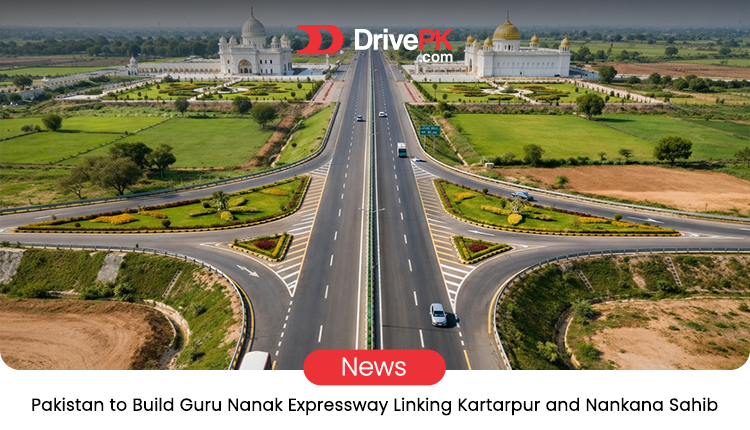
Table of Contents
- Why This Project Matters for Pilgrims
- Boosting Religious Tourism in Pakistan
- Economic and Social Gains for the Region
- A Look Back at Sikh History in Pakistan
- What Comes Next for the Project
- Wrapping Up: A Road to Unity
Pakistan just announced a big infrastructure project. The government approved the Guru Nanak Expressway. It will link key Sikh holy sites like Kartarpur and Nankana Sahib to the country's main motorway system. This comes from a meeting led by Communications Minister Abdul Aleem Khan on January 29, 2026. He directed the National Highway Authority to start work right away.
The expressway starts from Sialkot and heads to Kartarpur. From there, it ties into routes reaching Nankana Sahib. It's named after Guru Nanak, the founder of Sikhism. And that makes sense—these places hold deep meaning for Sikhs around the world.
Why This Project Matters for Pilgrims
Imagine traveling to a sacred spot without the usual hassles. That's what this expressway promises. Right now, getting to Kartarpur or Nankana Sahib involves winding roads and long drives. The new motorway changes that. It offers a straight, safe path from major cities.
Kartarpur is where Guru Nanak spent his final years. He lived there for about 18 years, teaching ideas like equality and service. The site draws thousands of pilgrims each year, especially through the visa-free corridor from India opened in 2019. That corridor was a peace gesture between India and Pakistan. It lets Indian Sikhs visit without much paperwork.
Nankana Sahib is even more foundational. It's Guru Nanak's birthplace, back in 1469. The city, once called Talwandi, got renamed in his honor. Sikhs see it as the cradle of their faith. The main gurdwara there stands as a symbol of Sikh history, including tough times like the 1921 massacre during the fight for gurdwara control.
But travel hasn't been easy. Poor roads mean delays and risks. The expressway fixes that. Minister Khan said it will make journeys "safer, more peaceful, and full of modern facilities." Pilgrims can focus on their spiritual trip instead of traffic.
Boosting Religious Tourism in Pakistan
Religious tourism isn't new in Pakistan. The country hosts sites for Sikhs, Buddhists, Hindus, and more. Yet, it hasn't tapped its full potential. This project could change things.
Think about the numbers. Global faith-based tourism hit about $15 billion in 2023. India, with similar Sikh sites, grabs a big share. Pakistan could too, especially with better access.
The expressway isn't just roads. Plans include three-, four-, and five-star hotels along the way. Rest areas and shopping malls are in the works too. These additions cater to international visitors. And to draw them, the government will promote abroad—in places like London, Canada, and the US, where many Sikhs live.
More tourists mean more jobs. Hotels need staff. Shops need sellers. Guides and drivers get work. Nearby towns like Narang Mandi and Badu Malhi stand to gain. It's not just about money, though. Visitors bring cultural exchange. Sikhs from India, the UK, or Canada share stories and build ties.
Pakistan already sees benefits from the Kartarpur Corridor. Since opening, it has welcomed pilgrims and boosted local businesses. Extending that with the expressway could multiply the impact.
Economic and Social Gains for the Region
Beyond tourism, this project supports broader growth. Better roads mean easier trade and movement. Farmers in Punjab can get goods to markets faster. Businesses can expand.
The minister called it a "game-changer" for the area. And he's right. Infrastructure like this lifts communities. It connects remote spots to the national grid.
Socially, it promotes harmony. Sikh sites in Pakistan remind us of shared history. Guru Nanak's teachings cross borders. By making access easier, Pakistan shows respect for that heritage.
But challenges exist. Building takes time and money. Security matters, given the region's past. Still, the corridor's success proves it can work.
A Look Back at Sikh History in Pakistan
To understand the excitement, recall the history. Guru Nanak founded Sikhism in the 15th century. He preached one God, equality, and honest work. Kartarpur became his home base. There, he farmed and taught.
Nankana Sahib marks his start. The gurdwara there draws crowds for his birth anniversary. Events like the 1921 Akali movement show Sikhs' fight to protect their sacred places.
Partition in 1947 split these sites from many Sikhs in India. The corridor bridged that gap. Now, the expressway extends it further.
What Comes Next for the Project
Work starts soon on the Sialkot-Kartarpur stretch. Nankana Sahib links follow. The government wants quick progress.
They're inviting Sikh investors globally. That could speed things up and add funds.
For locals, it's a chance to prepare. Training in hospitality or guiding could help.
Wrapping Up: A Road to Unity
This expressway is more than asphalt. It's a link to faith, history, and progress. Sikhs get easier access to their roots. Pakistan gains economically and culturally.
And who knows? It might even foster better ties with neighbors. In a divided world, that's worth pursuing. For more updates, visit DrivePK.com
Tags
Share this article
About the Author

Najeeb Khan
Automotive enthusiast and writer
Comments (0)
Login Required
You need to be logged in to comment on this article.
No comments yet. Be the first to share your thoughts!
Related Articles
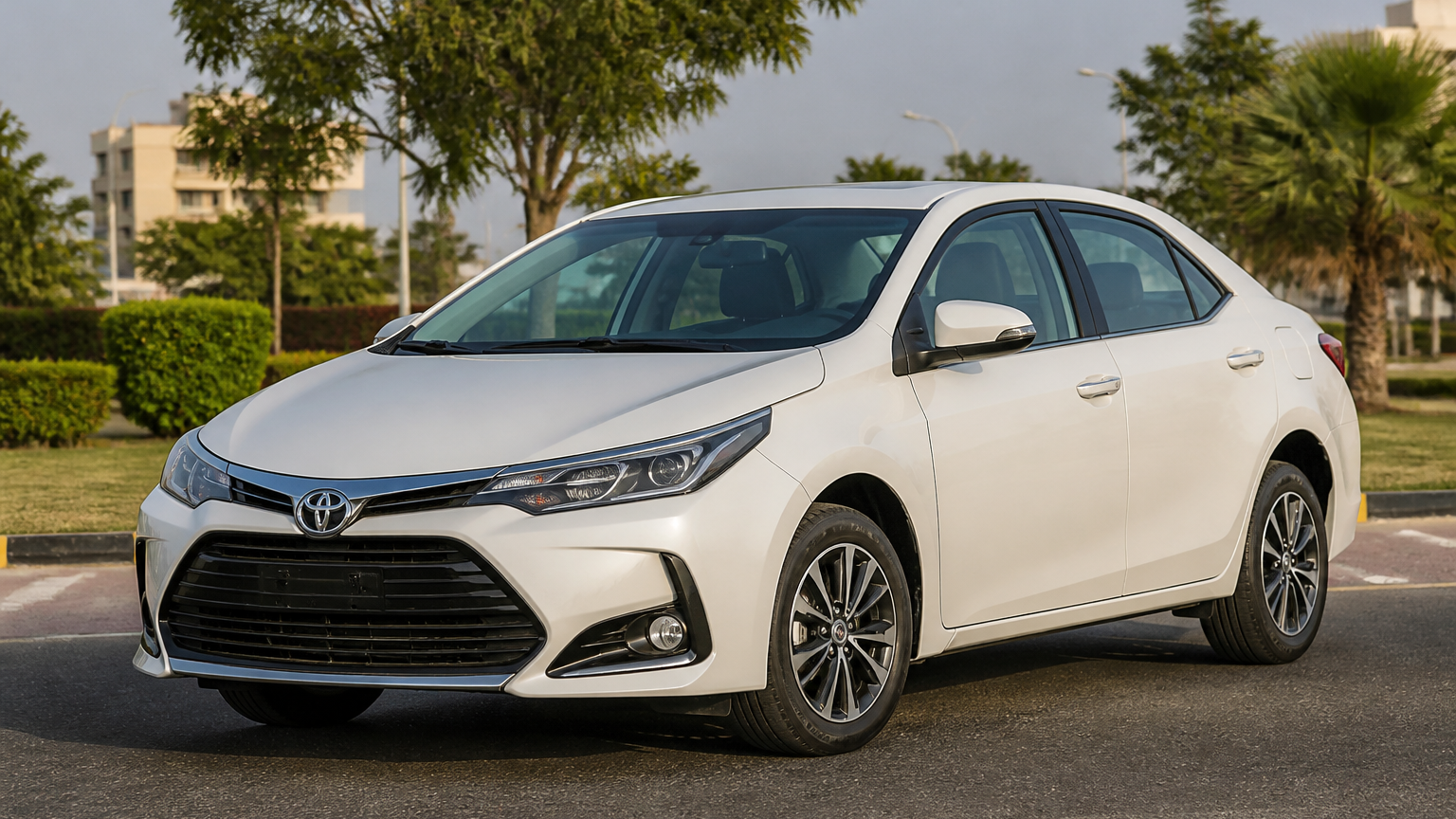
Toyota Corolla Discontinued Before Pakistan Facelift
Pakistan’s pre-facelift Toyota Corolla is reportedly discontinued, hinting at a facelift. Prices, bookings, specs and launch timing remain unconfirmed.
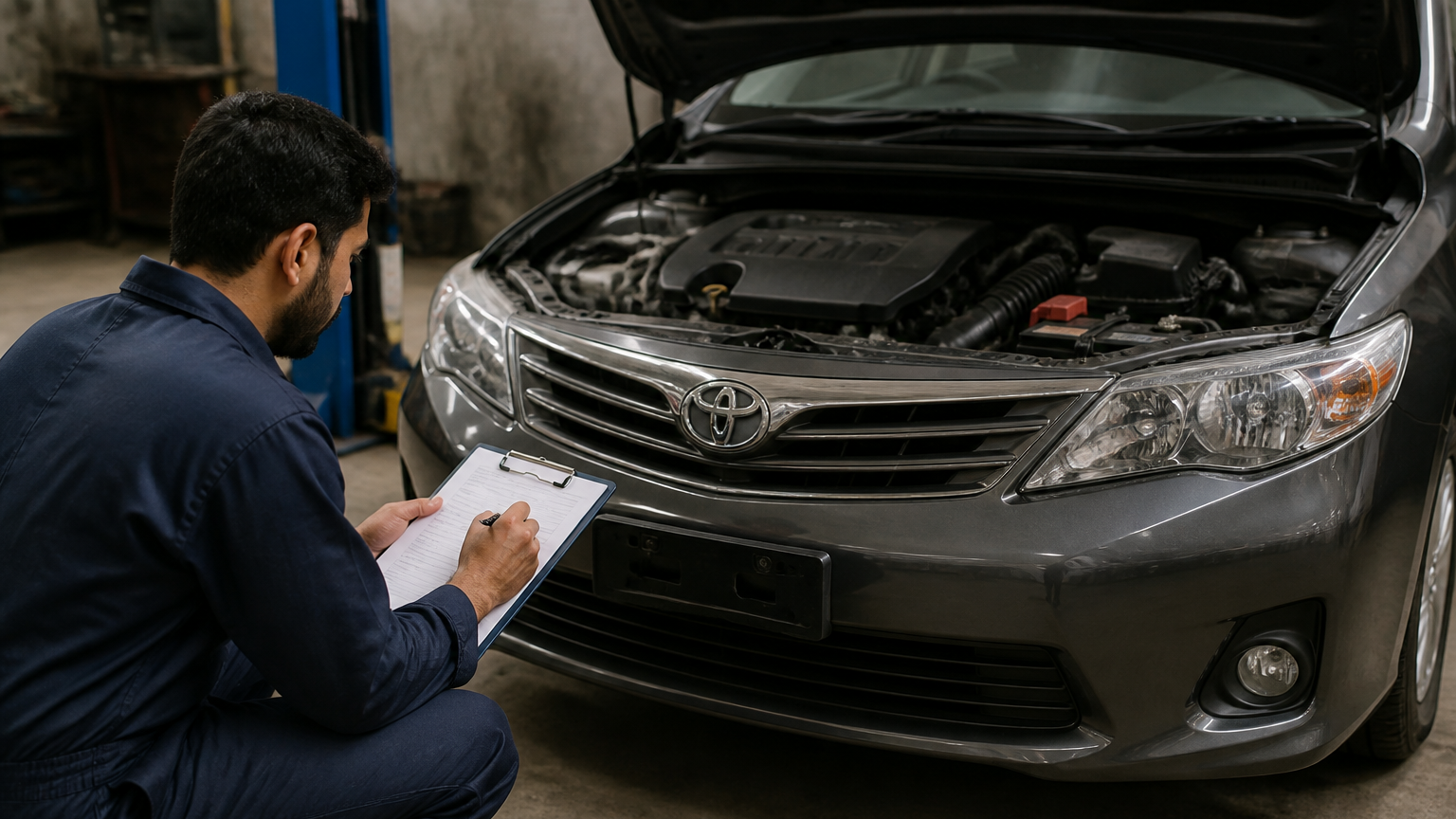
DrivePK Car Inspection Reports: Buy with Confidence
Buying a used car in Pakistan? A pre-purchase inspection can reveal hidden damage, engine issues and red flags before you pay—but it’s not enough alone.
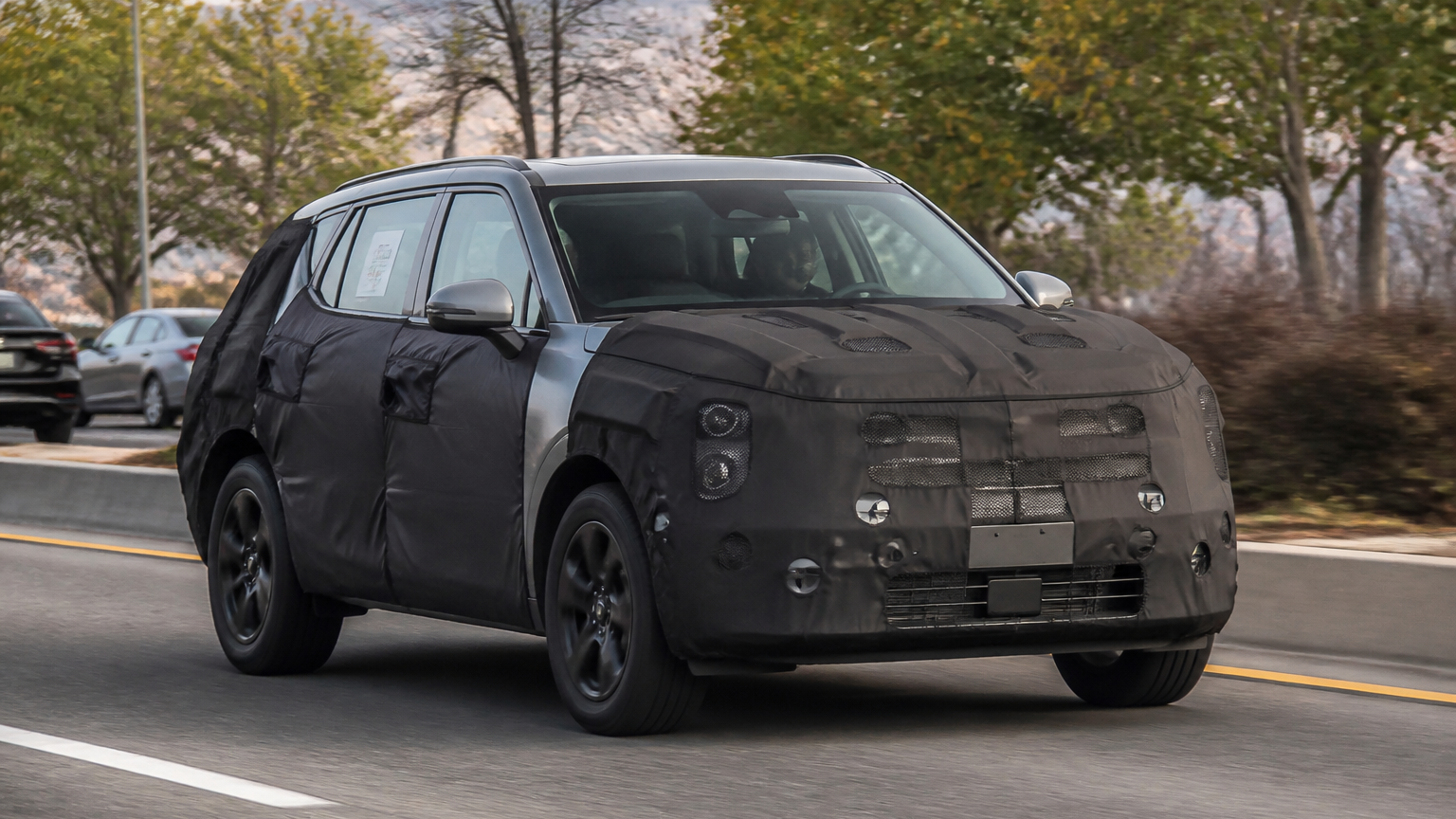
2028 Kia Sportage: Major Design Changes Spotted
Kia’s next Sportage may get a bolder, boxier redesign, with an upright profile, sharper lines, wider grille and split headlights hinted by spy shots.