Pakistan Auto Industry 2026: Recovery Continues But Japanese Brands Lose Share
Pakistan’s auto industry is on a recovery path with total vehicle sales expected to reach around 297,000 units in 2026. However, traditional Japanese brands are losing ground to new players offering modern SUVs, hybrids, and electric vehicles as buyer preferences shift.
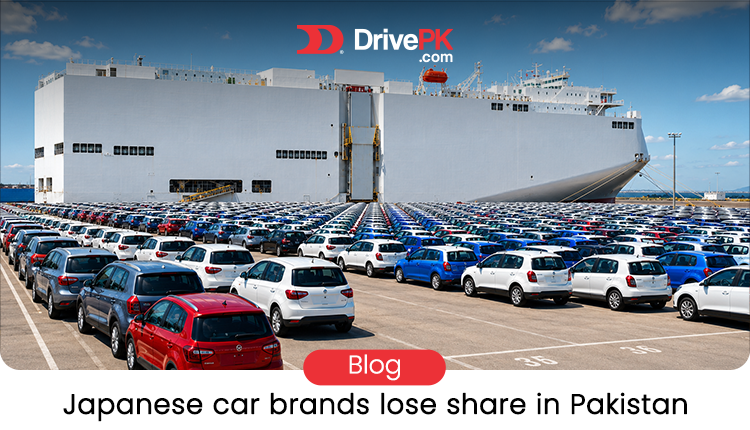
Table of Contents
- Japanese Brands Losing Market Dominance
- Why Buyers Are Shifting
- Current Market Reality
- What It Means for Buyers
- The Road Ahead
The auto sector in Pakistan is gaining momentum again. According to Topline Securities, total vehicle sales (including local makers, non-PAMA assemblers, and used imports) are likely to reach about 297,000 units in FY26. This marks a clear improvement from the low volumes seen in previous tough years.
Recent months have been strong. April 2026 saw car sales jump over 106% year-on-year, showing real demand returning as interest rates eased and the economy stabilized.
Japanese Brands Losing Market Dominance
Toyota, Honda, and Suzuki have long ruled the Pakistani market. But their combined share is shrinking. It is expected to fall to around 56% in 2026, down from nearly 80% in 2018.
New Chinese and other brands are entering fast with attractive SUVs, crossovers, hybrids, and electric options. They bring modern features, competitive pricing, and the latest technology that many buyers now want.
Why Buyers Are Shifting
Pakistani customers still value the old strengths of Japanese brands:
- Strong resale value
- Proven reliability
- Wide dealership and service networks
But they also look for more today:
- Better fuel efficiency
- Modern safety features
- Stylish designs
- Advanced tech and connectivity
Hybrids and plug-in models are growing popular, especially in big cities where fuel costs bite hard. New entrants are filling this gap quickly.
Current Market Reality
In April 2026, Suzuki still held a big portion of sales, followed by Toyota and Honda. Yet Chinese brands like Haval and others are climbing the charts with strong growth in SUV segments. This competition is healthy. It gives buyers real choices and pushes everyone to improve.
What It Means for Buyers
More options mean better deals and newer technology on the road. If you want a simple, reliable car for years, Japanese brands remain safe bets. If you prefer features, efficiency, or a bold SUV, new brands are worth checking.
The industry as a whole is growing. This should bring more investment, better localization, and hopefully more affordable options in the coming years.
The Road Ahead
Pakistan’s auto market is changing. The old monopoly is breaking, and consumers are the winners. Japanese brands still enjoy strong trust, but they will need to adapt with more hybrid and modern offerings to hold their ground.
For buyers, 2026 looks promising. Whether you prefer the trusted Japanese names or want to try something new, there are more vehicles available than before.
If you are planning to buy a car this year, compare options carefully. Test drive both traditional favourites and the new challengers. The right choice depends on your needs, budget, and driving style. For more updates, visit DrivePK.com
Tags
Share this article
About the Author

Najeeb Khan
Automotive enthusiast and writer
Comments (0)
Login Required
You need to be logged in to comment on this article.
No comments yet. Be the first to share your thoughts!
Related Articles
Toyota Corolla Discontinued Before Pakistan Facelift
Pakistan’s pre-facelift Toyota Corolla is reportedly discontinued, hinting at a facelift. Prices, bookings, specs and launch timing remain unconfirmed.
DrivePK Car Inspection Reports: Buy with Confidence
Buying a used car in Pakistan? A pre-purchase inspection can reveal hidden damage, engine issues and red flags before you pay—but it’s not enough alone.
2028 Kia Sportage: Major Design Changes Spotted
Kia’s next Sportage may get a bolder, boxier redesign, with an upright profile, sharper lines, wider grille and split headlights hinted by spy shots.