Pakistan Auto Industry Recovery January 2026 PAMA Report Insights
The PAMA January 2026 report brings positive news for Pakistan’s auto sector. Passenger car production rose 57%, and sales increased 45% month-on-month. Light commercial vehicles also grew, with strong performances from Suzuki, Toyota, Honda, and Haval models. This recovery signals improving buyer confidence, though fuel prices and economic stability will decide if the momentum lasts.
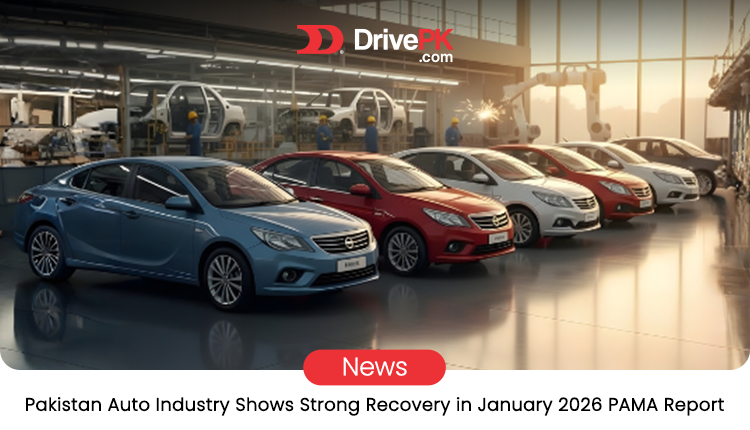
Table of Contents
- Passenger Cars Drive the Biggest Gains
- Light Commercial Vehicles Hold Their Own
- What the Numbers Really Mean
- What Could Shape the Months Ahead
- A Reason for Careful Optimism
The new year started on a hopeful note for Pakistan’s car market. The Pakistan Automotive Manufacturers Association (PAMA) released its January 2026 report, and the numbers look much better than the previous month. Factories produced more vehicles, and showrooms sold more units. It feels like the sector is finally catching its breath after a tough period.
This month-on-month improvement points to growing buyer confidence. People seem more willing to spend again. Market conditions have also eased a little, making it easier for companies to operate and for customers to buy.
Passenger Cars Drive the Biggest Gains
Passenger cars led the recovery. Production jumped 57 percent compared to December. Sales rose 45 percent in the same period.
These are solid gains. More cars rolling out of plants means companies like Suzuki, Toyota, and Honda are running their lines harder. For buyers, it could mean shorter waiting times and perhaps steadier supply in the coming months.
The most popular models did especially well. Suzuki’s Alto continued to attract budget-conscious families and first-time buyers. Toyota’s Corolla and Yaris range remained strong choices for those who want reliability without spending too much. Honda saw good demand for the City and Civic cars, which many middle-class Pakistanis consider a step up in comfort and features.
Toyota’s Fortuner and Hilux also performed well. These vehicles appeal to people who need space, power, or a tough pickup for work and family use. Haval models chipped in too, drawing attention from buyers looking for modern SUVs at competitive prices.
Not every model shared in the good news. A few premium and high-end variants saw sales drop. This suggests that while everyday cars are moving, the very top end of the market remains cautious.
Light Commercial Vehicles Hold Their Own
Light commercial vehicles, including pickups and jeeps, also posted healthy growth. Production increased by 26 percent, while sales climbed 33 percent.
This segment serves both personal and business users. Many small businesses rely on these vehicles for deliveries, transport, and daily operations. The rise shows that commercial demand is returning alongside personal purchases.
Farmers, traders, and contractors appear more active. When these vehicles sell well, it often signals broader economic movement in smaller towns and rural areas.
What the Numbers Really Mean
These figures are month-on-month, so they show a clear rebound from December. After a slow end to 2025, January brought fresh energy to assembly plants and dealerships.
For ordinary people, this recovery could mean a few practical things. More local production supports jobs in manufacturing, parts supply, and sales. It also keeps money circulating within the economy rather than going abroad for imports.
Buyers might find slightly better availability now. Long waiting lists that frustrated many in the past could start to shorten. And when companies produce more, they sometimes offer better deals or financing options to keep the momentum going.
Still, the industry is not out of the woods. Pakistan’s auto sector has faced high inflation, expensive fuel, and currency pressure for years. A single strong month does not erase those challenges.
What Could Shape the Months Ahead
Sustaining this growth will depend on a few key factors.
Fuel prices remain a big concern. Many Pakistanis calculate running costs carefully before buying a car. If petrol and diesel prices remain high, demand for larger or less-efficient vehicles may soften.
Economic stability matters too. When inflation cools and incomes feel more secure, people feel comfortable making big purchases like cars. Any positive movement on the economic front will help keep sales steady.
Government policies will also play a role. Decisions on taxes, import duties, and support for local manufacturing can either encourage or slow down the industry. Clear and consistent rules help companies plan better and invest more confidently.
A Reason for Careful Optimism
The January 2026 PAMA data offer real encouragement. Production and sales are moving in the right direction across passenger cars and light commercial vehicles. Popular models from Suzuki, Toyota, Honda, and Haval are leading the way.
Yet the recovery is still young. The coming months will show whether this momentum can hold. Buyers, manufacturers, and policymakers all have a part to play.
If fuel costs stay manageable, the economy continues to stabilize, and supportive policies remain in place, Pakistan’s auto industry could build on this promising start. For now, the numbers suggest things are heading in a better direction, and that alone is worth noting.For more updates, visit DrivePK.com
Tags
Share this article
About the Author

Najeeb Khan
Automotive enthusiast and writer
Comments (0)
Login Required
You need to be logged in to comment on this article.
No comments yet. Be the first to share your thoughts!
Related Articles
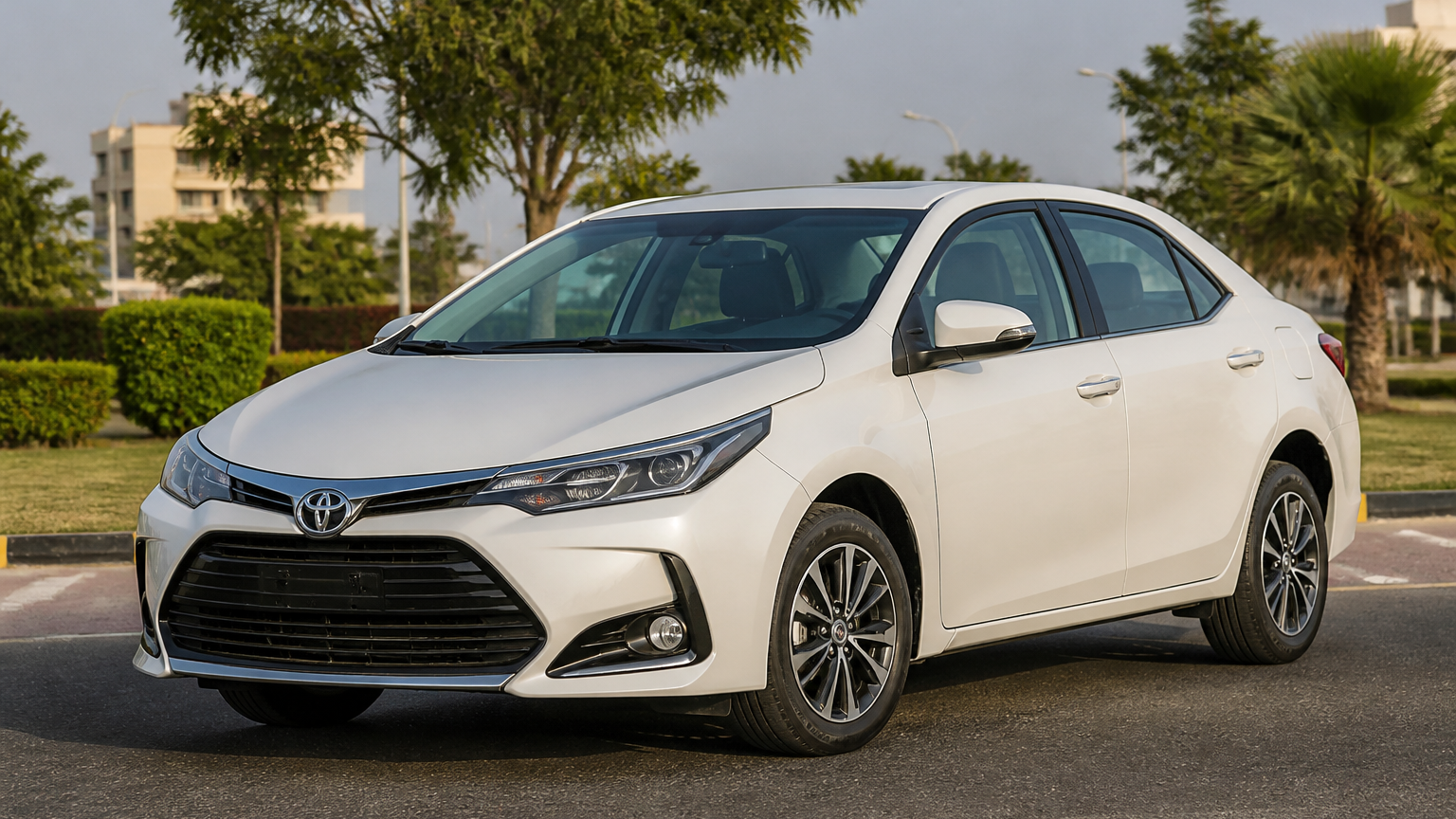
Toyota Corolla Discontinued Before Pakistan Facelift
Pakistan’s pre-facelift Toyota Corolla is reportedly discontinued, hinting at a facelift. Prices, bookings, specs and launch timing remain unconfirmed.
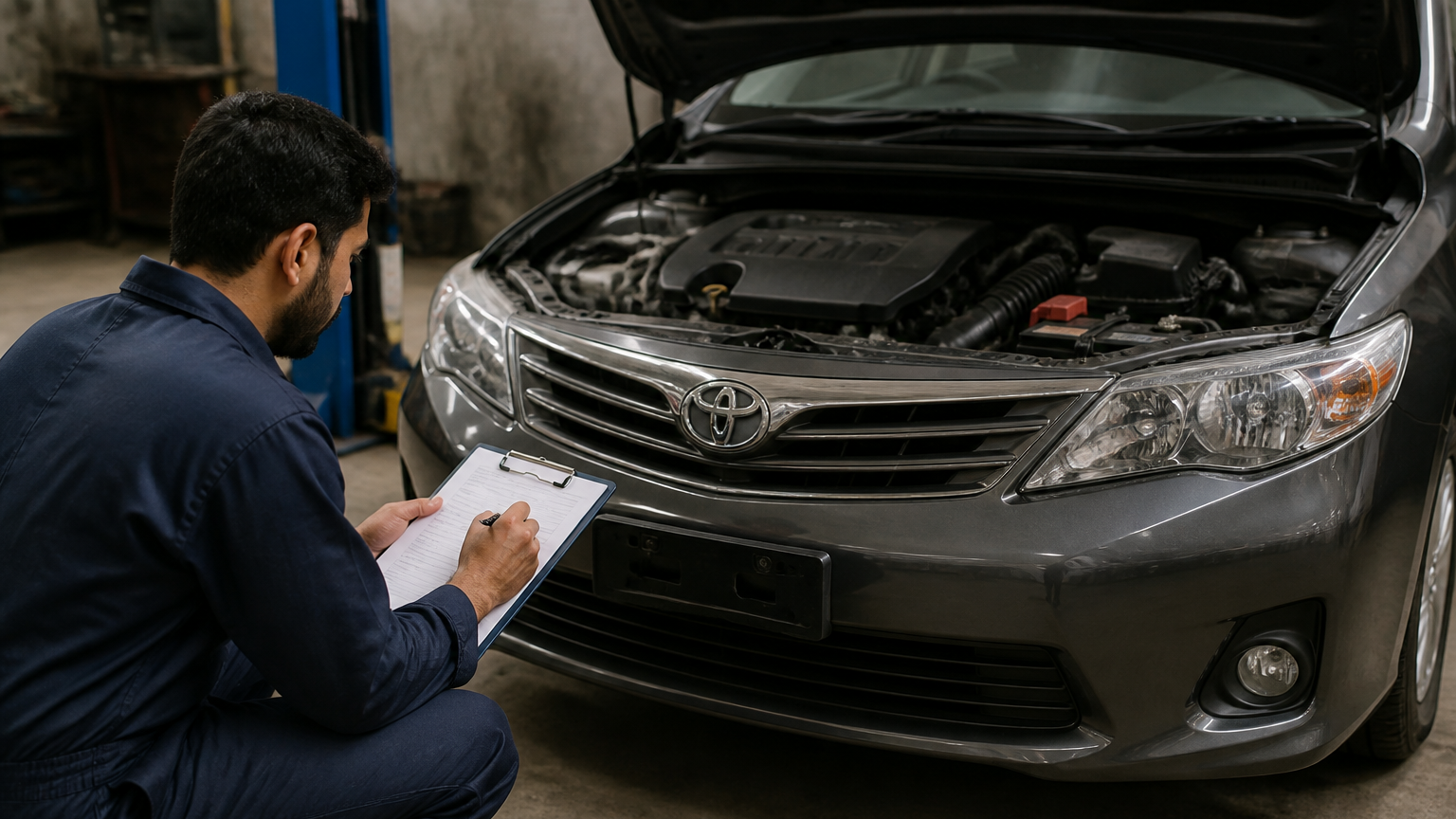
DrivePK Car Inspection Reports: Buy with Confidence
Buying a used car in Pakistan? A pre-purchase inspection can reveal hidden damage, engine issues and red flags before you pay—but it’s not enough alone.
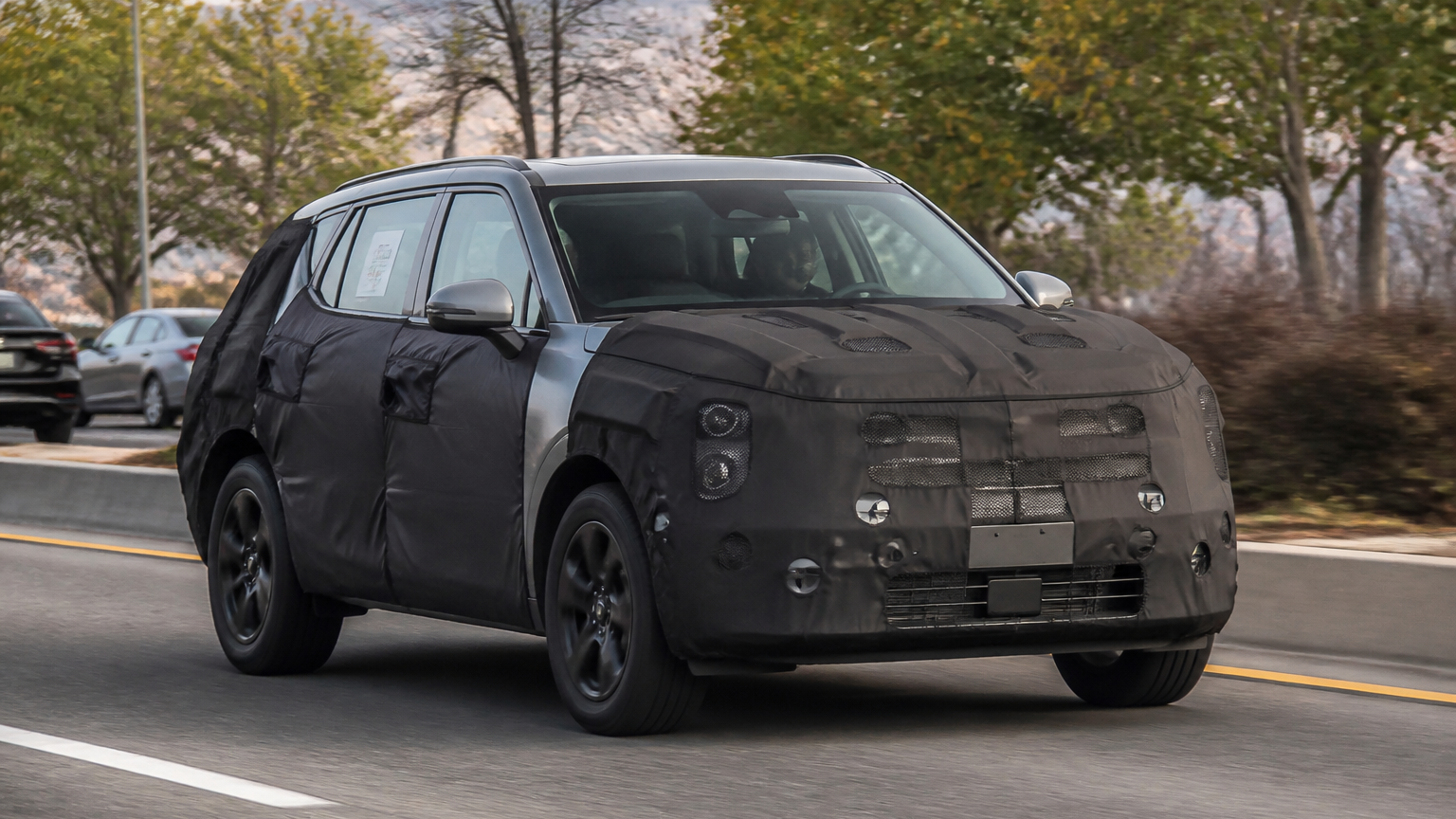
2028 Kia Sportage: Major Design Changes Spotted
Kia’s next Sportage may get a bolder, boxier redesign, with an upright profile, sharper lines, wider grille and split headlights hinted by spy shots.