Pakistan Auto Policy 2026: IMF Approval Still Pending
Pakistan's Auto Policy 2026-31 advances, but EV tax cuts, bigger loans and charging incentives await IMF, cabinet approval and formal notices.
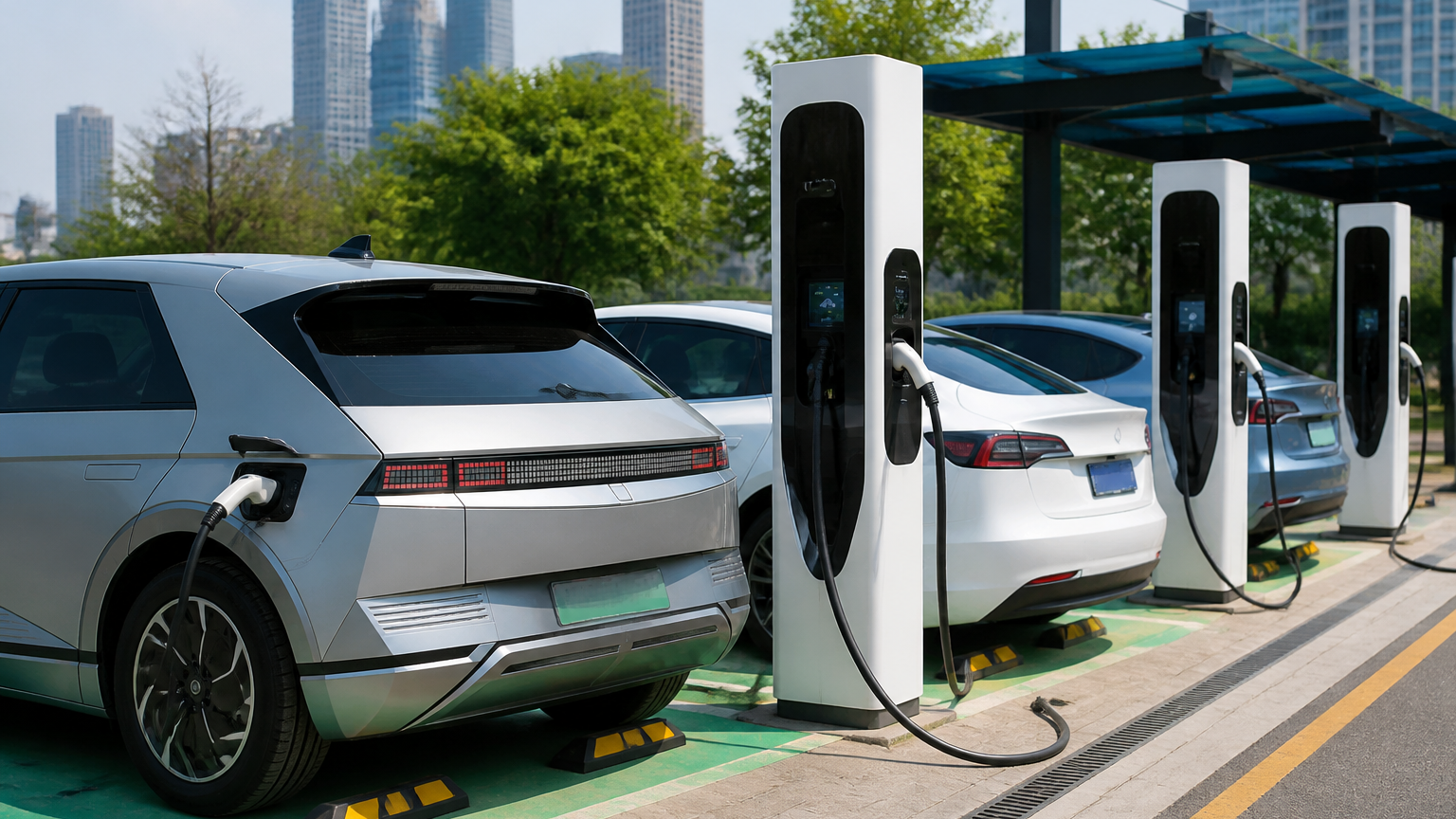
Table of Contents
- What EV buyers are watching
- Charging stations may also get support
- What this means for petrol cars and local makers
- Should buyers wait?
- Explore DrivePK services
Pakistan’s proposed Auto Policy 2026-31 has moved a step forward, but buyers should not treat it as a final deal yet. The government has reportedly backed the policy framework, while key parts such as EV tax cuts, loan changes and charging-station incentives still depend on IMF approval, cabinet clearance and formal notifications.
That means the plan is real, but the benefit is not active yet.
What EV buyers are watching
The biggest talk point is the proposed financing change for electric vehicles. The loan limit could rise from Rs 3 million to Rs 10 million, and the repayment period could stretch from three years to five years. If approved, that would make pricier EVs easier to buy through monthly instalments.
But this is still only a proposal. The State Bank of Pakistan would also need to update its rules before banks can offer such loans.
Tax relief is also on the table. The reported sales tax proposal shows a split between different EV types:
| Vehicle type | Proposed sales tax |
|---|---|
| Battery electric vehicles (BEVs) | 1% |
| Range-extended electric vehicles (REEVs) | 6% |
| Plug-in hybrid electric vehicles (PHEVs) | 9% |
This setup clearly gives the strongest support to fully electric cars. It also shows that vehicles which still rely partly on petrol may get less relief.
Another key point is the price cap for extra tax relief. EVs priced up to $50,000 could get relief from CVT, withholding tax and federal excise duty. Vehicles above that level may be treated as luxury models and taxed under the normal system. That threshold is lower than an earlier draft that had mentioned $75,000, so the luxury cut-off may still change again during review.
Charging stations may also get support
The policy may also help charging network developers. Charging-station equipment could get 1% GST and, in a bigger change, zero customs duty. The plan also discusses Viability Gap Financing, which would give project support where charging stations are not yet profitable on their own. For background, read our earlier coverage: Pakistan Auto Policy 2026-31 Delayed due to IMF rejection.
That matters because Pakistan’s EV market has a chicken-and-egg problem: investors want more EVs before building stations, while buyers want more stations before buying EVs.
If the support reaches cities like Islamabad, Lahore and Karachi, it could also help intercity travel by making charging points more dependable. But the funding rules, eligibility and start date are still not confirmed.
What this means for petrol cars and local makers
The wider policy is not only about EVs. It also aims to make cars cheaper, raise localization, improve safety and push exports. Officials have also talked about reducing duties on CKD kits and parts over time, while setting targets for local production and exports. For background, read our earlier coverage: Pakistan Auto Policy 2026-31 Delayed: Record Car Financing Shows Demand.
Another reported idea is an Automotive Development Levy on conventional petrol and diesel vehicles. Earlier drafts suggested 2% on vehicles from 1,001cc to 2,000cc and 10% above 2,000cc, but those rates are not final.
The government has also linked the policy to a long-term export goal of $6 billion. That is an ambition, not a confirmed outcome.
Should buyers wait?
If you need a car now, use the current taxes and current financing rules, not the hoped-for ones. A proposed Rs 1 crore EV loan or 1% sales tax sounds attractive, but it is not yet available.
If you can wait, it makes sense to watch for the IMF review, cabinet approval and official notifications before booking an EV.
The policy may also push Pakistan toward a future where electric vehicles make up 30% of new sales by 2030, but that does not mean 30% of all vehicles already on the road will suddenly become electric.
For now, the message is simple: the government has signaled support, but the real discounts are still waiting for approval. Existing EV buyers should also avoid assuming that resale values or charging access will improve right away.
Explore DrivePK services
Buying or selling a vehicle? Explore DrivePK services, including car inspection, Sell It For Me and Featured Listings, and choose the option that fits your needs.
For more updates, visit DrivePK.com
Tags
Share this article
About the Author
Dr Khan
Automotive Expert & Content Strategist
Comments (0)
Login Required
You need to be logged in to comment on this article.
No comments yet. Be the first to share your thoughts!
Related Articles
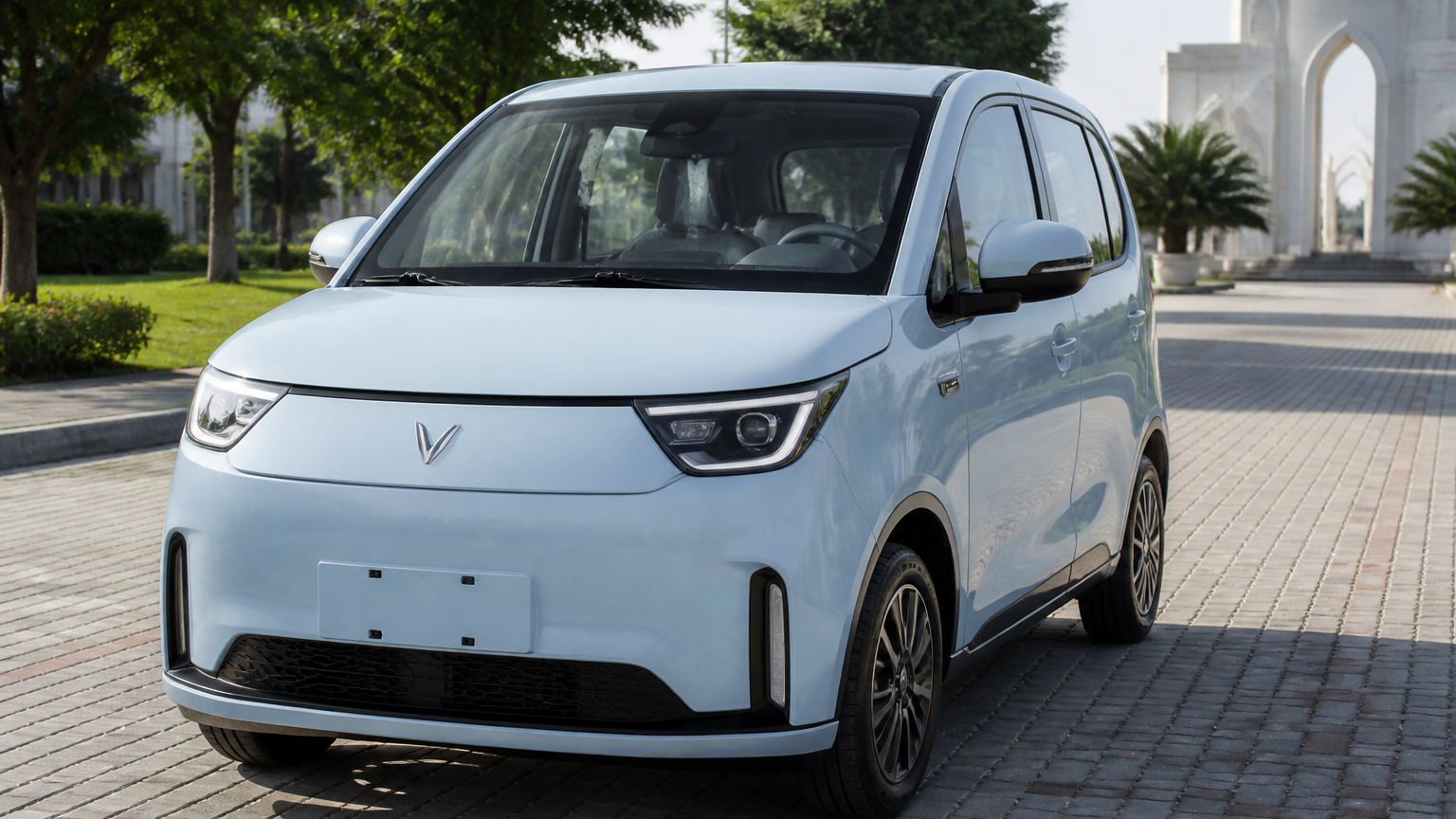
پاکستان میں Valore Quad کی بکنگ قیمت Rs. 559,800
Valore Quad کی رپورٹ شدہ بکنگ قیمت پاکستان میں Rs. 559,800 ہے، تاہم حتمی آن روڈ لاگت، ڈلیوری کے وقت اور وارنٹی کے بارے میں ابھی وضاحت موجود نہیں۔
Valore Quad Booking Price Rs. 559,800 in Pakistan
Valore Quad’s reported booking price is Rs. 559,800 in Pakistan, but the final on-road cost, delivery timing and warranty are still unclear.
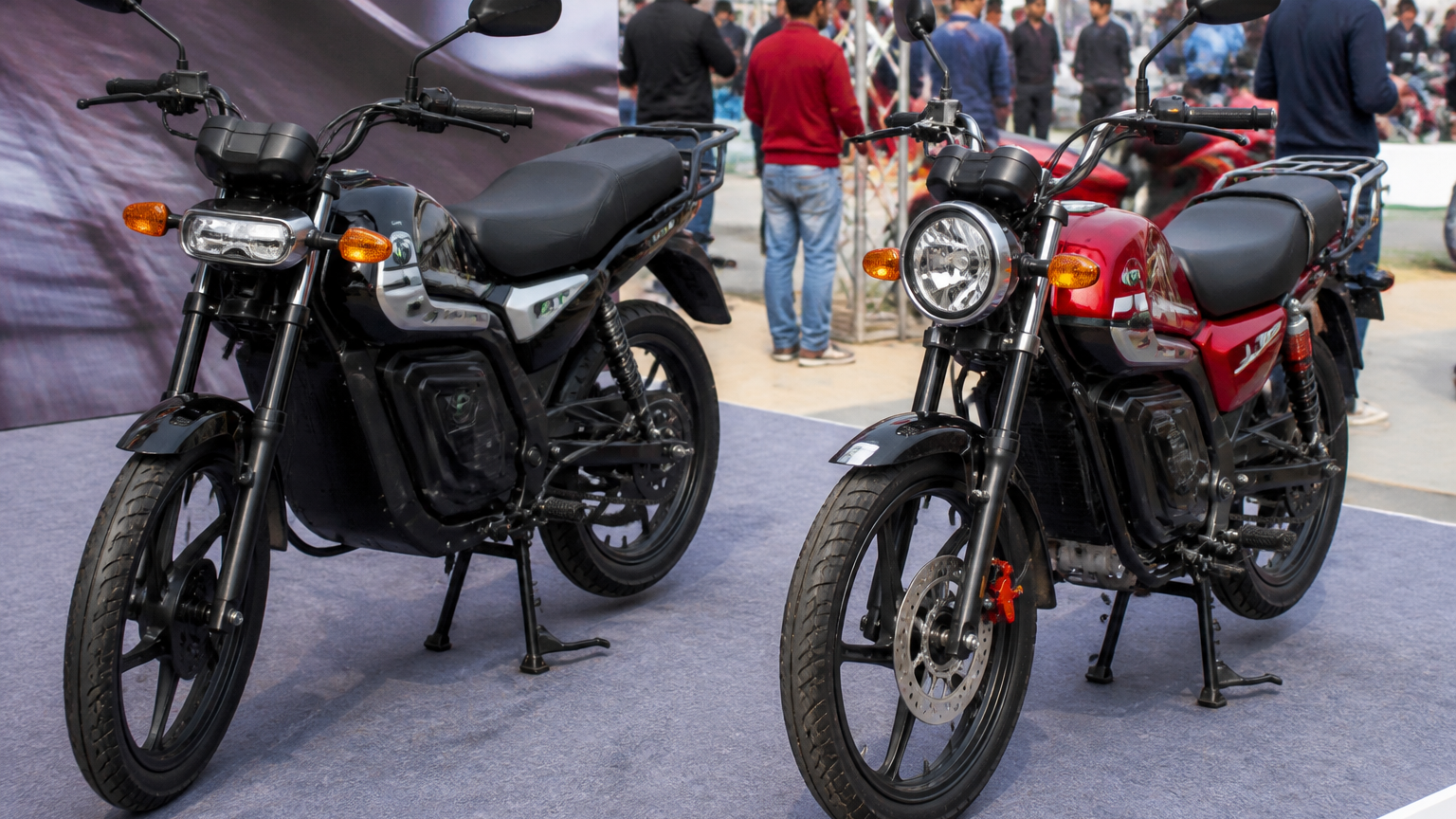
Jinpeng Junoon اور Zalmi الیکٹرک بائیکس پاکستان میں لانچ
Jinpeng کی Junoon کی قیمت Rs. 299,000 اور Zalmi کی قیمت Rs. 320,000 ہے۔ دونوں میں ایک ہی بیٹری، موٹر اور دعویٰ کردہ رینج ہے۔