Pakistan Auto Policy 2026-31 Delayed: Record Car Financing Shows Demand
Pakistan’s Auto Policy 2026-31 faces delays after the IMF rejected a lower sales tax on new energy vehicles. At the same time, car financing reached a record Rs369 billion in May 2026. Strong demand meets policy uncertainty. Here’s a clear look at what’s happening.
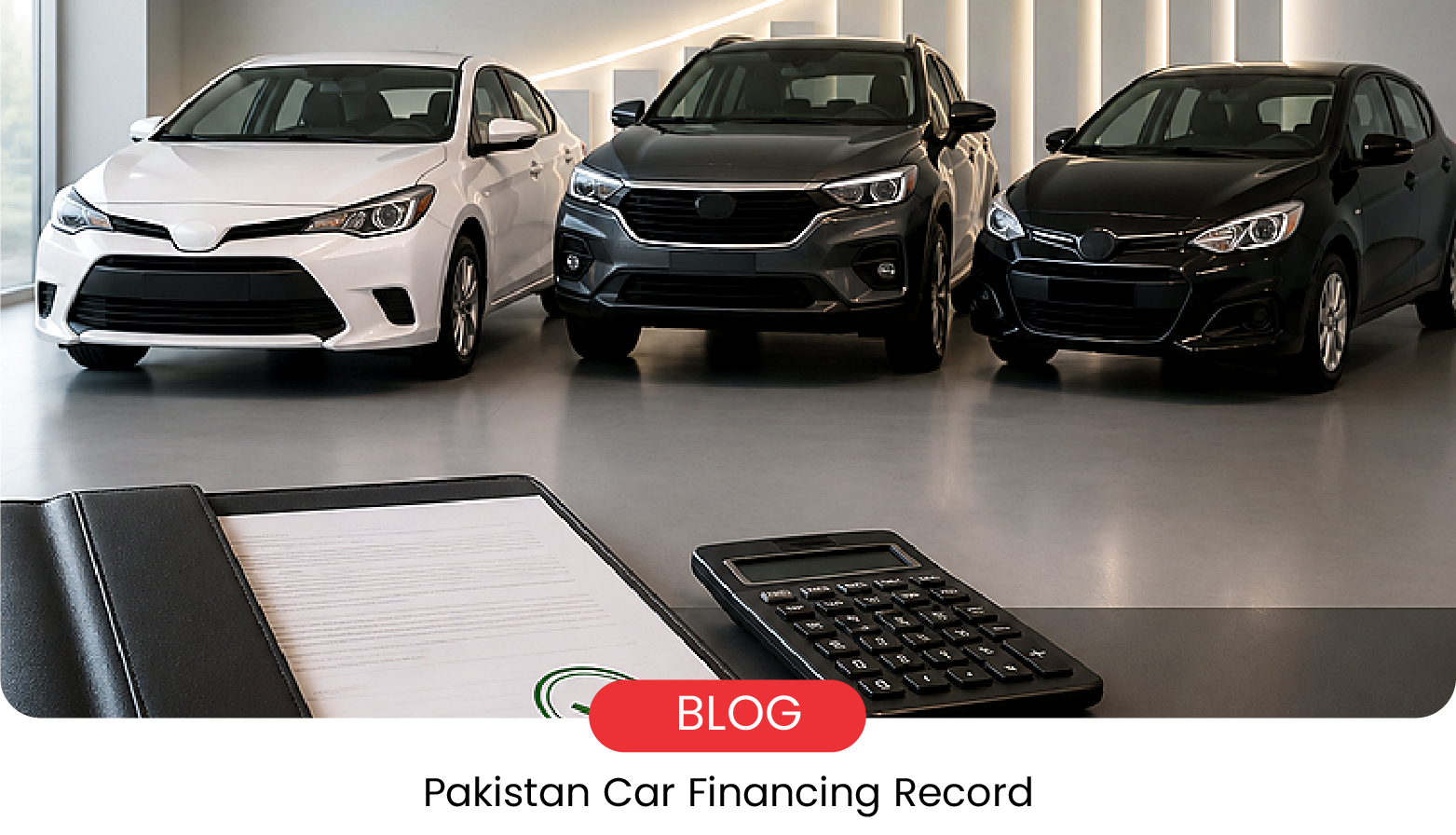
Table of Contents
- Why Buyers Are Still Borrowing More
- The Tax Dispute at the Center
- What the Policy Was Meant to Do
- How Record Financing Connects to Policy Uncertainty
- Challenges on the Ground
- Possible Next Steps
- Bigger Picture for Pakistan’s Auto Sector
- What This Means for You Right Now
Car buyers and the auto industry in Pakistan sit in a strange spot right now. The new Auto Policy 2026-31 should have been ready before the current one ends this month. But talks with the IMF and differences inside the government have slowed things down.
At the same time, people are still buying cars. Automobile financing hit a new high of Rs369.12 billion in May 2026, according to the State Bank of Pakistan. That is up 36% from last year and just ahead of the old record from 2022.
This mix of strong demand and policy delay creates real questions for families planning a purchase and companies planning investments.
Why Buyers Are Still Borrowing More
Lower interest rates helped. Better availability of vehicles and attractive offers from banks and assemblers played a part too. Many people waited through tough years. Now they see a chance to upgrade.
The 18 straight months of growth in auto loans show confidence is returning. Hybrids especially attract attention because they cut fuel costs in a country where petrol prices bite hard.
But this momentum could slow if the new policy brings higher taxes or continued uncertainty. That is why the current disagreement matters to ordinary people.
The Tax Dispute at the Center
The government wanted a 1% sales tax on new energy vehicles (NEVs) and 9% on hybrids. The IMF said no. They want the standard 18% GST on everything. Support for greener cars should come as direct subsidies, not through lower tax rates, according to the fund.
This happened after the government put forward its proposal just days ago. The IMF asked for more details. No approval came. That leaves the policy unfinished as the June 2026 deadline approaches.
Inside the government, the Ministry of Industries and the Ministry of Commerce do not see eye to eye on tariffs and duties. These internal gaps make final agreement harder.
What the Policy Was Meant to Do
The draft aimed to push local manufacturing of EVs and hybrids. It included targets for higher production and better localization of parts. Reduced duties over time were part of the plan to make cleaner vehicles more common.
Pakistan needs this shift. Fuel imports cost a lot. City air quality suffers. And many buyers want lower running costs over the life of a car.
Without clear incentives, the transition slows. Local factories may hold back on new investments. Importers and assemblers stay cautious.
How Record Financing Connects to Policy Uncertainty
The Rs369 billion figure is good news. It shows that pent-up demand is real. But experts warn that policy clarity is needed to keep this going.
If taxes stay high, new car prices remain expensive for middle-class families. Many rely on financing. A sudden change in rules could make monthly payments harder or reduce choices in showrooms.
On the positive side, the current recovery happened even with some rate adjustments. Banks and companies worked together on flexible plans. That suggests resilience.
Challenges on the Ground
High car prices remain a top pain for most Pakistanis. A decent family car still feels like a stretch after years of inflation and currency pressure.
Charging stations for full EVs are few. Battery service networks need time to grow. Resale value worries many buyers.
For the industry, repeated delays hurt planning. Factories need steady rules to hire workers, import machinery, and develop local supply chains.
Possible Next Steps
The government might adjust its approach. Direct subsidies could replace some tax breaks. Ministries need to sort out their differences on tariffs quickly.
Some incentives may stay in revised form. The focus could shift more toward localization requirements and gradual duty reductions.
Buyers should keep an eye on official announcements in the coming days and the federal budget details. Temporary arrangements might apply if the full policy misses the deadline.
Bigger Picture for Pakistan’s Auto Sector
The auto industry supports jobs, manufacturing, and government revenue. A successful policy balances revenue needs with growth and environmental goals.
The IMF’s stance reflects broader fiscal concerns. Pakistan works under loan programs that stress discipline. Yet ignoring industrial strategy carries risks too.
Strong financing numbers prove demand exists. The right policy can turn that into lasting growth, more local production, exports over time, and affordable, cleaner cars.
What This Means for You Right Now
If you plan to buy a car soon, the record financing data is encouraging. Banks are lending. Deals exist. But wait for more policy news if you can. Clarity on taxes will affect final prices.
Families focused on fuel savings should still look at hybrids. Their running costs often make sense even without extra tax relief.
Industry players and investors need patience. The next few weeks matter. A practical, agreed policy will help everyone from assembly line workers to new car owners.
Pakistan sits at an important point. Demand is there. The policy delay creates short-term frustration. But resolving it well could set the sector on a stronger path for the next five years and beyond. For more updates, visit DrivePK.com
Tags
Share this article
About the Author

Najeeb Khan
Automotive enthusiast and writer
Comments (0)
Login Required
You need to be logged in to comment on this article.
No comments yet. Be the first to share your thoughts!
Related Articles
F1 2027 Calendar: Why Fans Are Unhappy
F1’s 2027 calendar is out, but missing details leave fan backlash unverified as race timing, travel and costs loom large—especially in Pakistan.
Jolta JE-125L Price: Rs. 329,900 in Pakistan
Jolta JE-125L is back on Pakistan’s radar at a reported Rs. 329,900—promising petrol savings, but confirm launch pricing with a dealer first.
Mohenjo Daro Express Restored After 6 Months
Pakistan Railways revives Mohenjo Daro Express after six months, restoring an affordable lifeline for Sindh commuters between Rohri and Larkana.