Pakistan Auto Policy 2026-31 Delayed due to IMF rejection
Pakistan’s new Auto Policy 2026-31 is stuck as the IMF pushes back on lower taxes for electric and hybrid vehicles. With the current rules expiring soon, buyers and makers face uncertainty over prices and green car plans. Here’s what’s happening and why it matters.
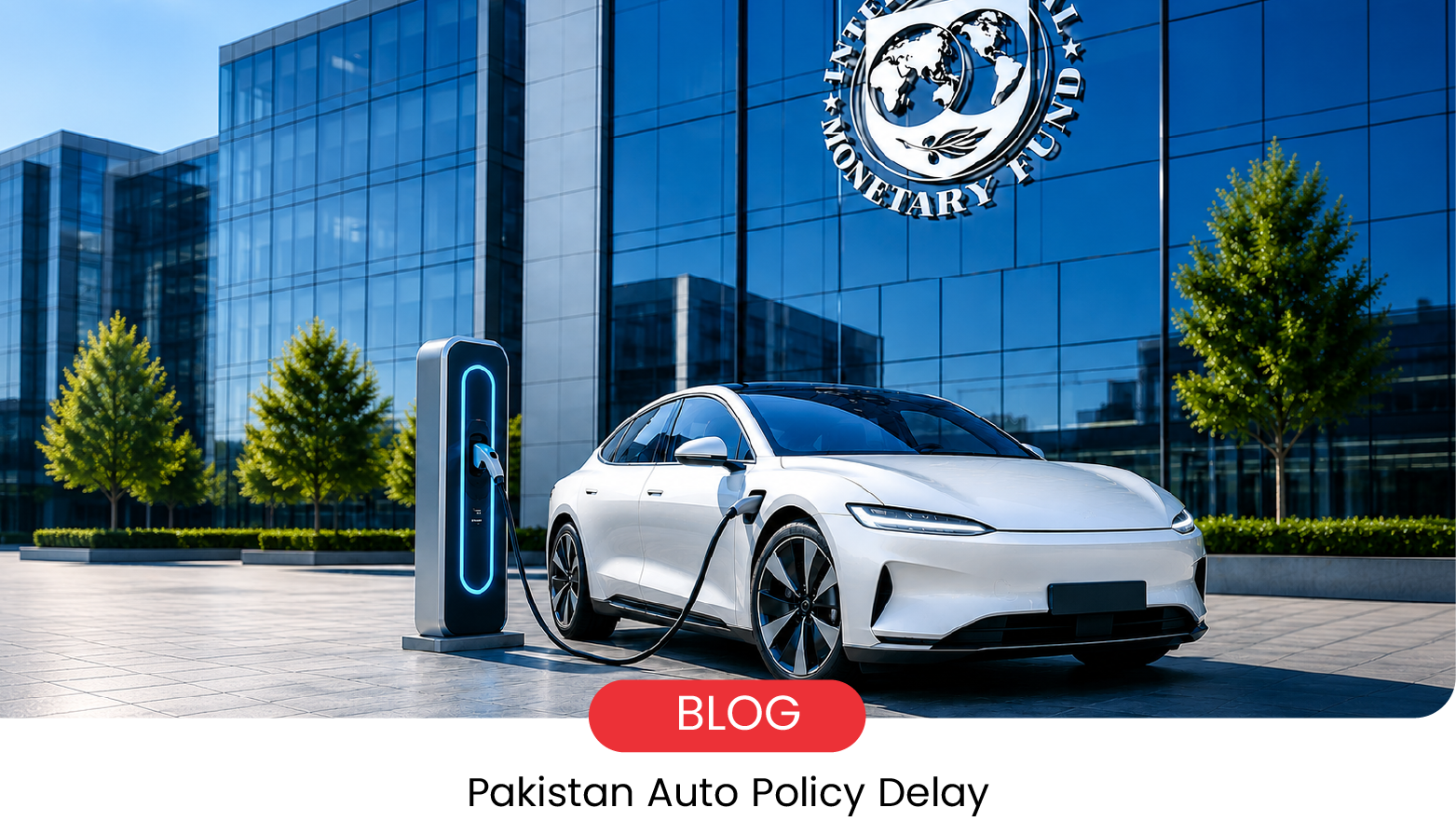
Table of Contents
- Why This Matters for Ordinary Buyers
- What the Government Proposed
- IMF’s Position: Standard Tax, Direct Support
- Current Auto Industry Snapshot
- Pain Points the Policy Tries to Address
- What Happens Next?
- Broader Picture: Green Shift and Economic Reality
- What This Means for You
Car buyers in Pakistan are watching the clock. The current auto policy ends this month, in June 2026. The government hoped to roll out a fresh five-year plan with incentives for new energy vehicles. But talks with the IMF have hit a snag.
The disagreement centers on sales tax. Officials proposed just 1% on new energy vehicles (NEVs), including EVs, and 9% on hybrids. The IMF wants the full 18% GST applied across the board. Any help for buyers, they say, should come through direct subsidies instead.
This standoff, plus differences inside the government, means the new policy is not ready. And time is running out.
Why This Matters for Ordinary Buyers
Most families in Pakistan see a car as a big investment. Fuel costs eat into budgets every month. Many hoped lower taxes on hybrids and EVs would make cleaner options more affordable. Hybrids already offer better mileage. EVs promise even lower running costs over time.
Without those tax breaks, prices could stay high. Or rise. That hits middle-class buyers hardest, the ones saving for years to upgrade from a bike or old car.
And it is not just about one purchase. The policy shapes the whole market for years. It decides how many new models arrive, how competitive prices get, and whether local factories grow or struggle.
What the Government Proposed
Under the draft Auto Policy 2026-31, the focus was shifting toward greener vehicles. The plan is built on earlier targets: 30% of new sales as NEVs by 2030. Incentives included reduced sales tax and import duty relief to encourage local assembly of EVs and hybrids.
Ministries also discussed tariff changes. The idea was to open the market gradually, cut some duties over time, and push local parts making. The goal? More production, some exports, and better options for consumers.
But ministries do not fully agree. The Ministry of Industries and the Ministry of Commerce differ on tariffs and duties. That internal gap adds to the delay.
IMF’s Position: Standard Tax, Direct Support
The IMF is firm. They want a uniform 18% GST on all vehicles. Lower rates, in their view, create distortions and reduce revenue at a time when Pakistan needs fiscal discipline.
Instead of tax cuts, they suggest subsidies paid directly. That way, support reaches the right places without broadly cutting government income.
This fits the broader loan program. Pakistan works under an Extended Fund Facility. Revenue targets and reforms matter. Tax incentives that mainly benefit higher-end buyers raise questions about fairness.
The government proposed the lower rates on Thursday before the latest round. The IMF asked for more details and did not approve. Clarifications are still needed.
Current Auto Industry Snapshot
Pakistan’s auto sector has seen ups and downs. Production recovered in recent years, with growth in passenger cars and some commercial vehicles. EV sales remain small but are picking up in niches, especially two-wheelers.
Local assemblers like Suzuki, Toyota, and Honda dominate. Newer players and importers want more room. The policy aims for a higher annual output target of 500,000 units by 2031 in some drafts and stronger localization of parts.
Yet challenges remain. High import content raises costs when the rupee weakens. Infrastructure for EVs, like charging points, is limited. Many buyers worry about battery life, resale value, and service networks.
Pain Points the Policy Tries to Address
High car prices top the list for most people. Protectionist tariffs and taxes have kept the market less competitive. A new car often feels out of reach.
Fuel imports drain foreign exchange. Cleaner vehicles could cut that burden and improve air quality in cities.
For the industry, uncertainty hurts investment. Makers need clear rules for years ahead to plan factories, train workers, and bring new technology. Delays create hesitation.
What Happens Next?
The policy needs finalization soon. The current one expires at the end of June 2026. Without it, the sector might operate under old rules or temporary arrangements, creating more confusion.
Possible paths:
- Government sticks closer to IMF advice and uses subsidies where needed.
- Ministries resolve differences on tariffs quickly.
- Some incentives remain in a revised form.
Buyers should watch the federal budget and any announcements in coming days. Car prices might not drop dramatically right away, but gradual tariff reductions could bring more competition over time.
Broader Picture: Green Shift and Economic Reality
Pakistan faces real pressures. Oil imports are expensive. Climate goals push for lower emissions. A successful auto policy could support both economic growth and sustainability.
But it has to be practical. Ambitious targets are good. They need backing with infrastructure, clear incentives, and industry buy-in.
The disagreement shows the tension between short-term revenue needs and long-term industrial strategy. Direct subsidies might help target support better, but they require strong budgeting and delivery systems.
What This Means for You
If you are thinking of buying a car soon, stay patient but informed. Policy clarity will shape offers in showrooms. Hybrids and EVs could still gain ground if running costs stay attractive, even without extra tax cuts.
For the industry, this delay highlights the need for better coordination. A stable, predictable policy serves everyone: makers, workers, and buyers.
The coming weeks will be important. Negotiations continue. The government wants a policy that boosts local manufacturing, encourages cleaner vehicles, and keeps the market moving.
Pakistan’s auto future depends on balancing these goals. Lower taxes were one tool. Now, other ways to support the shift will come under discussion. Keep an eye on official updates. The decisions made now will affect car choices, prices, and the roads for years ahead. For more updates, visit DrivePK.com
Tags
Share this article
About the Author

Najeeb Khan
Automotive enthusiast and writer
Comments (0)
Login Required
You need to be logged in to comment on this article.
No comments yet. Be the first to share your thoughts!
Related Articles
F1 2027 Calendar: Why Fans Are Unhappy
F1’s 2027 calendar is out, but missing details leave fan backlash unverified as race timing, travel and costs loom large—especially in Pakistan.
Jolta JE-125L Price: Rs. 329,900 in Pakistan
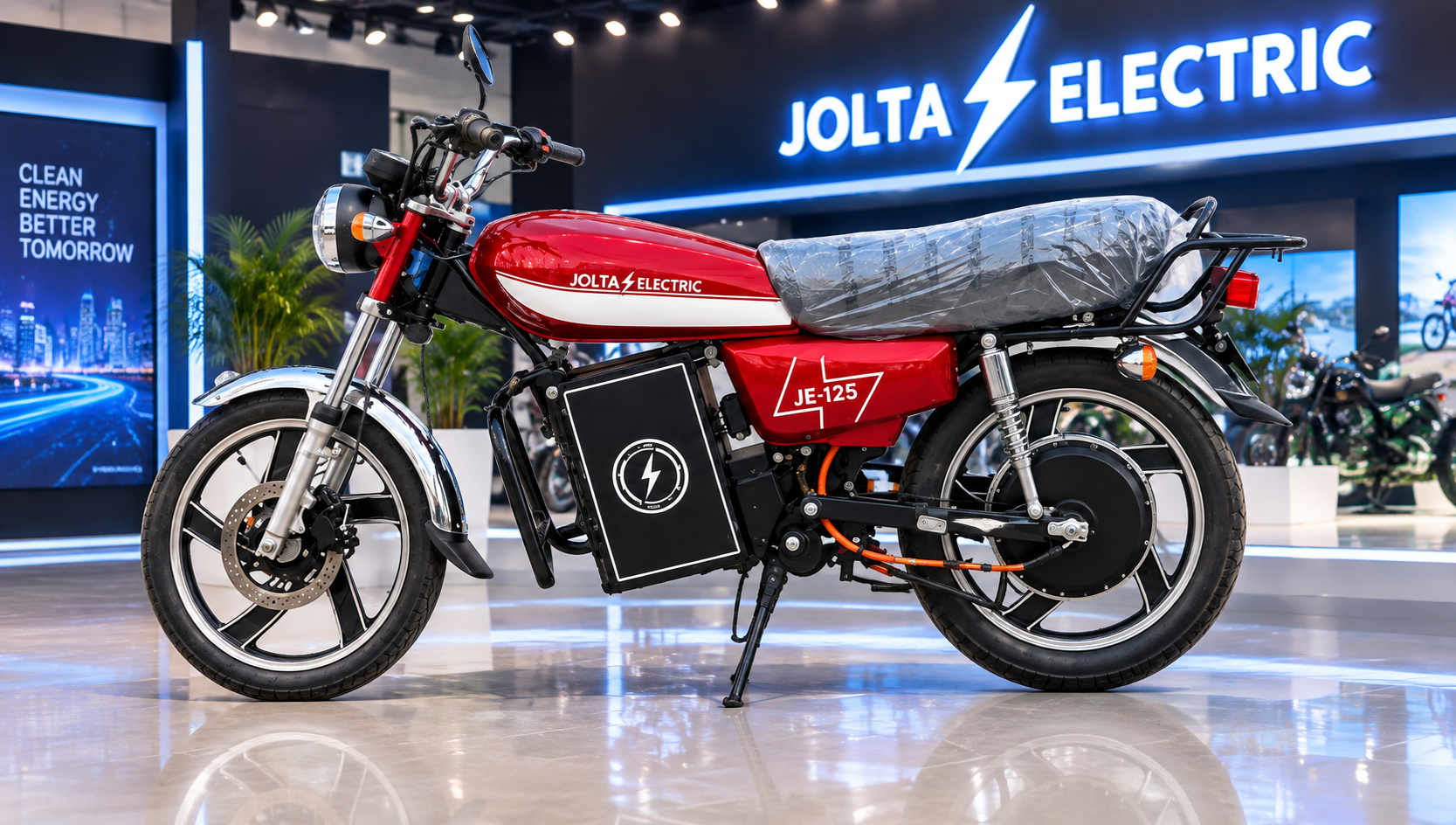
Jolta JE-125L is back on Pakistan’s radar at a reported Rs. 329,900—promising petrol savings, but confirm launch pricing with a dealer first.
Mohenjo Daro Express Restored After 6 Months
Pakistan Railways revives Mohenjo Daro Express after six months, restoring an affordable lifeline for Sindh commuters between Rohri and Larkana.