Pakistan Auto Policy: Impact on Car Prices
Pakistan’s Auto Policy 2026–31 is advancing, but isn’t final. Should buyers act now or wait for possible tax and price changes?
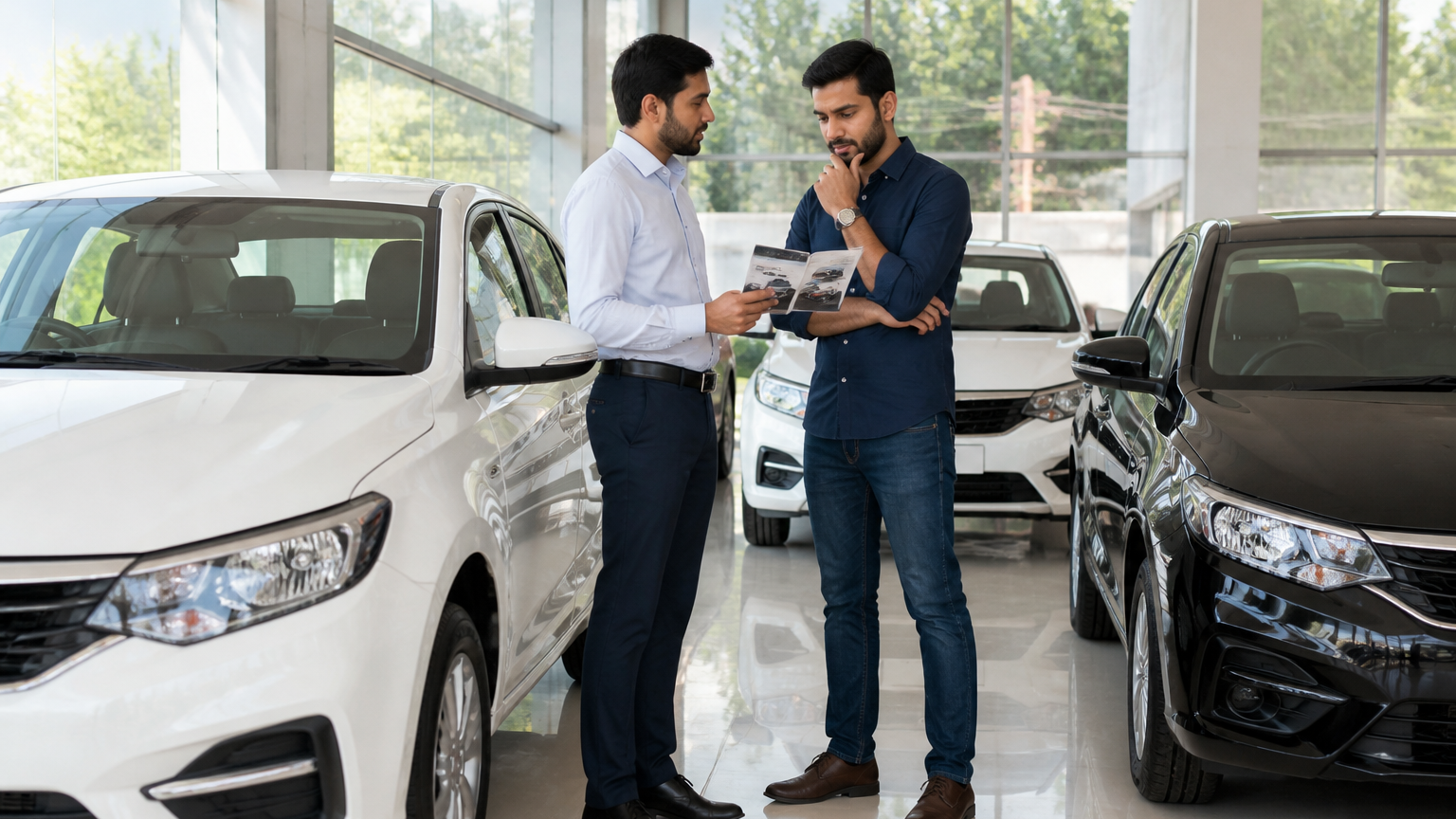
Table of Contents
- What the draft could change
- Why prices may or may not move quickly
- Why buyers are watching so closely
- Buy now or wait?
- Explore DrivePK services
Pakistan’s auto market may be heading toward a major policy shift, but buyers should not treat the latest reports as a final green signal yet. According to source reports, Prime Minister Shehbaz Sharif has approved a draft Automobile Policy 2026–31 in principle, while the plan still needs legal review and further government steps before it can affect prices or taxes. That means the policy is moving forward, but it is not yet a final notification.
For car buyers, the real question is simple: should you buy now or wait? The answer depends on how urgent your need is, because a draft is not the same as an enforceable rule.
What the draft could change
According to a source report at https://www.drivepk.com/blog/pakistan-auto-policy-imf-talks-2026, the draft policy appears to focus on three big areas: support for local auto industry, more room for international brands, and stronger promotion of new-energy vehicles. The same report says the proposal may include tax relief for NEVs and a gradual cut in tariffs on imported cars.
Those ideas matter because they can shape what buyers pay, what makers invest in, and which models become easier to get. But none of those changes should be treated as final unless the government issues an official notice. A policy in draft form can still change before it reaches the showroom floor. For background, read our earlier coverage: Pakistan Car Imports Surge: Impact on Local Auto Industry and Economy.
Why prices may or may not move quickly
Many buyers hope a new policy will lower car prices. That can happen, but not always, and not right away. Retail prices depend on duties, taxes, exchange rates, production costs, and how quickly companies pass on any relief.
If the final policy reduces import duties or gives tax support to certain vehicle types, prices may ease over time. If the policy stays limited to a narrow category, the effect may be small. If the rupee weakens or costs rise elsewhere, any benefit may be reduced before it reaches the buyer.
For people looking at electric vehicles, the policy matters even more. According to a source report, the draft may give different treatment to BEVs, REEVs and PHEVs, so not every EV or hybrid may get the same benefit. That is important for buyers who are comparing models and expecting a blanket discount.
For more background, see Pakistan Auto Policy 2026-31 Delayed due to IMF rejection.
Why buyers are watching so closely
A policy change can affect booking decisions, bank financing, resale confidence, and even whether people choose a local or imported car. Some buyers fear paying today’s price just before a duty cut. Others worry that waiting too long could mean higher costs if exchange rates or interest rates move against them.
Existing owners also have reason to watch the announcement. Any shift toward EVs or imports can change demand for petrol cars, service parts, and resale values. Still, those effects depend on what is actually notified, not what is rumored in a draft.
Buy now or wait?
If you need a car soon for work or family use, buying now can still make sense, but only on written terms. Ask the dealer for price validity, delivery timing, refund terms, and whether the amount can change before delivery.
If your purchase is not urgent, waiting for the official policy details is reasonable. Just do not assume prices will automatically fall. A draft policy is a signal to stay alert, not a promise of cheaper cars.
For now, the safest approach is to wait for clarity, not just headlines. For more updates, visit a source report
Explore DrivePK services
Buying or selling a vehicle? Explore DrivePK services, including car inspection, Sell It For Me and Featured Listings, and choose the option that fits your needs.
For more updates, visit DrivePK.com
Tags
Share this article
About the Author
Dr Khan
Automotive Expert & Content Strategist
Comments (0)
Login Required
You need to be logged in to comment on this article.
No comments yet. Be the first to share your thoughts!
Related Articles
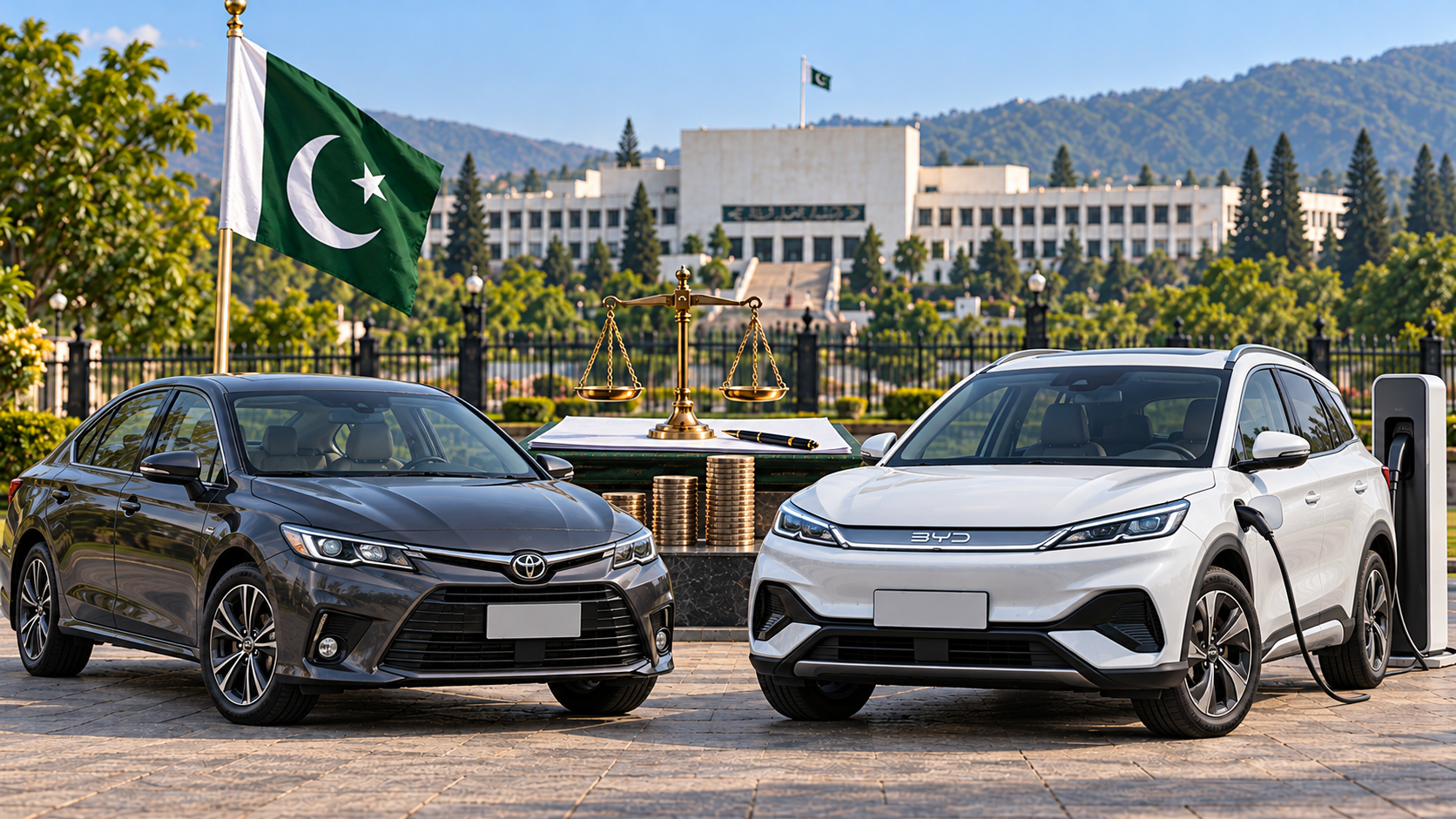
Pakistan Auto Policy 2026–31 Update: Proposed Car Levy and EV Taxes Explained
Pakistan’s latest auto policy reports outline a proposed 2%–10% car levy and revised EV taxes. Here’s what buyers should know about reported approval, prices and bookings.
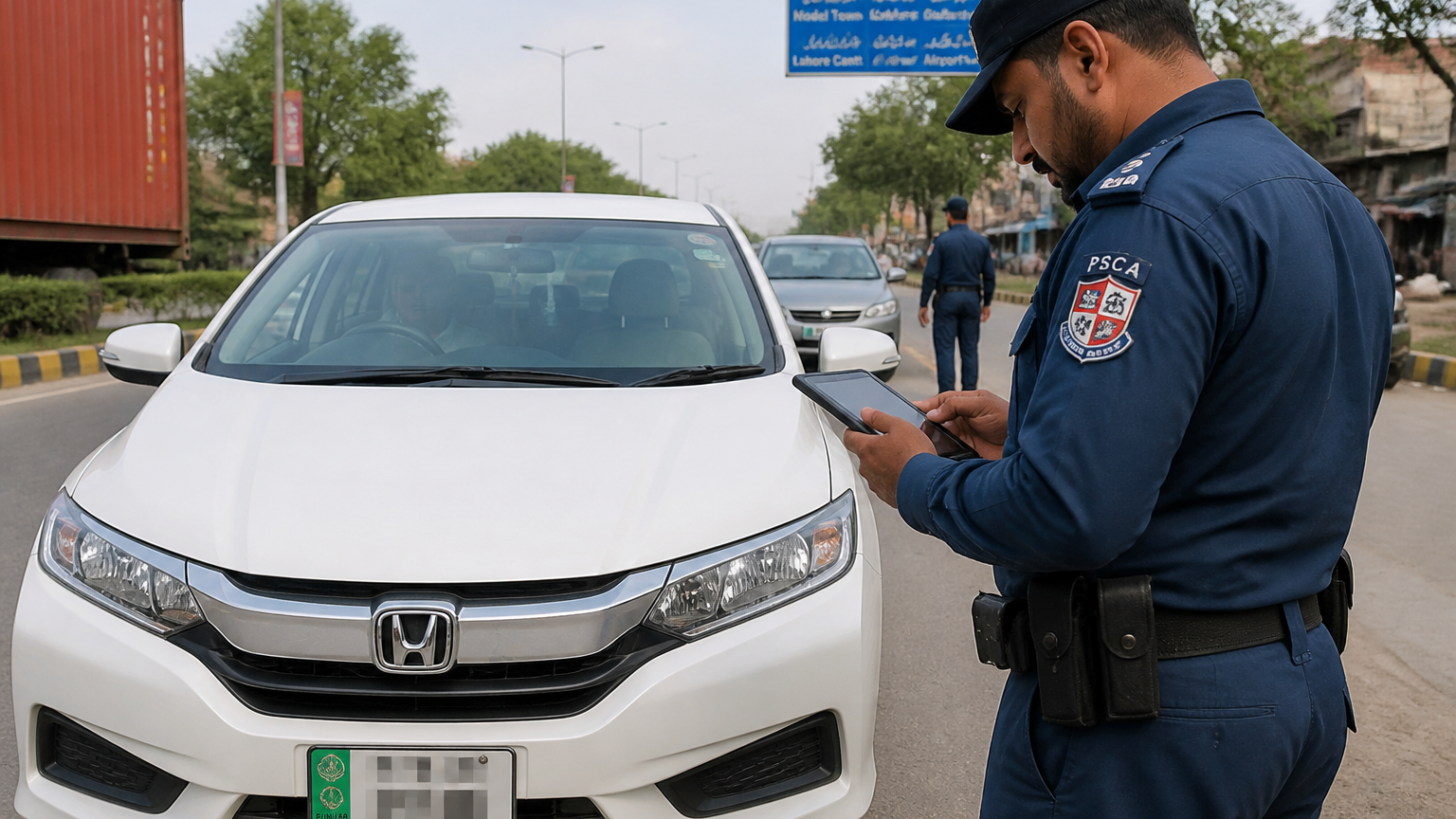
Punjab Fake Number Plate Crackdown Hits 43 Cities
Punjab drivers face reported scrutiny over fake, cloned, altered or hidden plates across 43 cities—but no official notice has confirmed the crackdown.