Pakistan Auto Policy 2026 Faces IMF Talks
Pakistan’s proposed 2026–31 auto policy promises NEV tax relief and tariff cuts—but it’s only a draft, with no confirmed IMF approval or price drop.
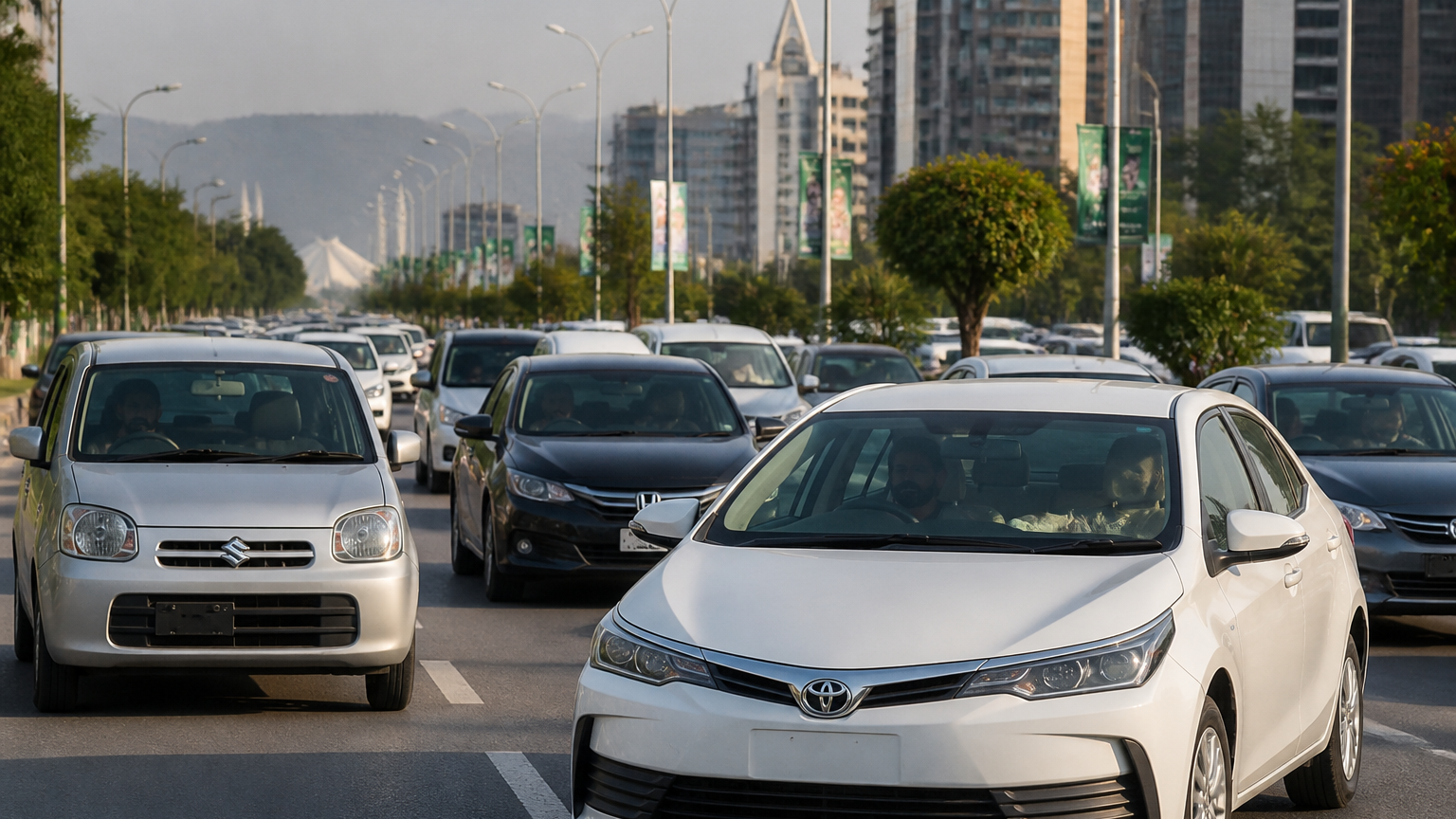
Table of Contents
- What is currently known about Pakistan’s five-year auto policy?
- When are IMF discussions expected?
- Which details still matter most for buyers?
- Should you book a car now or wait?
- Conclusion
- Explore DrivePK services
Pakistan’s proposed five-year auto policy is still a draft, but it’s already making buyers uneasy. According to the plan may move into IMF-related discussion later, but nothing in the available reporting proves final approval or an immediate price cut for Pakistani car buyers.
What is currently known about Pakistan’s five-year auto policy?
The clearest report says Prime Minister Shehbaz Sharif approved a draft Automobile Policy 2026–31, not a final law. That same report says the Ministry of Law will vet it, and the Ministry of Finance has been asked to take it up with the International Monetary Fund. So yes, the policy is being pushed forward — but it is still moving through review, not finished and ready to change showroom prices tomorrow. For background, read our earlier coverage: Pakistan Auto Policy 2026-31 Delayed due to IMF rejection.
According to the same report, the draft focuses on a few big goals: support for the local auto industry, more investment, more room for international brands, and stronger promotion of new-energy vehicles. It also says the draft proposes tax relief for NEVs and a gradual cut in tariffs on imported cars. Those are important ideas, but they are still proposals unless official notifications back them up.
For readers who want the bigger policy context, DrivePK’s earlier explainer on Pakistan's New Auto Policy 2026: What It Means for Buyers and Industry is useful background.
When are IMF discussions expected?
A a source report Instagram post reportedly placed Pakistan-IMF discussions about the upcoming auto policy in October. That timing is not the same as a confirmed meeting notice, and it does not mean the IMF has approved anything related to cars.
This matters because IMF talks often touch tax policy, imports, foreign exchange, and government spending. That can affect the auto market, especially if the policy needs to line up with broader fiscal rules. But IMF discussion is not the same as policy approval. And it definitely does not mean a lower car price is guaranteed.
Which details still matter most for buyers?
This is where Pakistani buyers should stay careful. The report says the draft may give different treatment to BEVs, REEVs and PHEVs, which means not every electric or hybrid vehicle may get the same benefit. It also mentions proposed tax relief for NEVs and a phased tariff cut on imported cars.
But several practical points are still unconfirmed:
- Whether the NEV relief applies to all electric vehicles or only selected categories
- Whether locally assembled cars, CKD kits, CBU imports, used imports, and parts are treated differently
- The exact tariff schedule and implementation dates
- Whether petrol and hybrid vehicles get separate treatment
- Which authority will issue the final notification
- Written price validity
That last point matters a lot. A draft in the news is not enough. Buyers only get real protection when the Government of Pakistan, the Federal Board of Revenue, customs, or another relevant body issues a clear official notice.
Should you book a car now or wait?
If you need a car soon for work, family, or daily travel, don’t cancel your plan just because a draft policy is being discussed. A paper proposal does not fix your transport problem today.
If you can wait, then waiting may help you avoid booking in the middle of a policy shift. But waiting does not promise a cheaper car. Exchange rates, duties, financing costs, and company pricing can move in either direction.
So, before you pay a booking amount, ask the dealer for:
- Expected delivery time
- Refund and cancellation terms
- Whether the price can change before delivery
- Whether the vehicle is CKD, CBU, or locally assembled
That small step can save you a lot of trouble if tax rules change while your car is still pending.
Conclusion
For now, Pakistan’s proposed five-year auto policy should be treated as a policy watchpoint, not a buyer benefit. The reported NEV incentives and phased tariff cuts may matter a lot, but they still need official confirmation, and the IMF angle also needs primary-source backing before anyone treats it as settled news.
Don’t read this as a confirmed price-cut announcement. Keep an eye on official Government of Pakistan, IMF, tax, customs, and industry statements before making a major purchase or investment decision.
Explore DrivePK services
Buying or selling a vehicle? Explore DrivePK services, including car inspection, Sell It For Me and Featured Listings, and choose the option that fits your needs.
For more updates, visit DrivePK.com
Tags
Share this article
About the Author
Dr Khan
Automotive Expert & Content Strategist
Comments (0)
Login Required
You need to be logged in to comment on this article.
No comments yet. Be the first to share your thoughts!
Related Articles
PAMA Elects Leadership Team for 2026-2028
PAMA has elected new leaders for 2026–2028, but Pakistani car buyers shouldn’t expect immediate changes to prices, bookings, or delivery times.
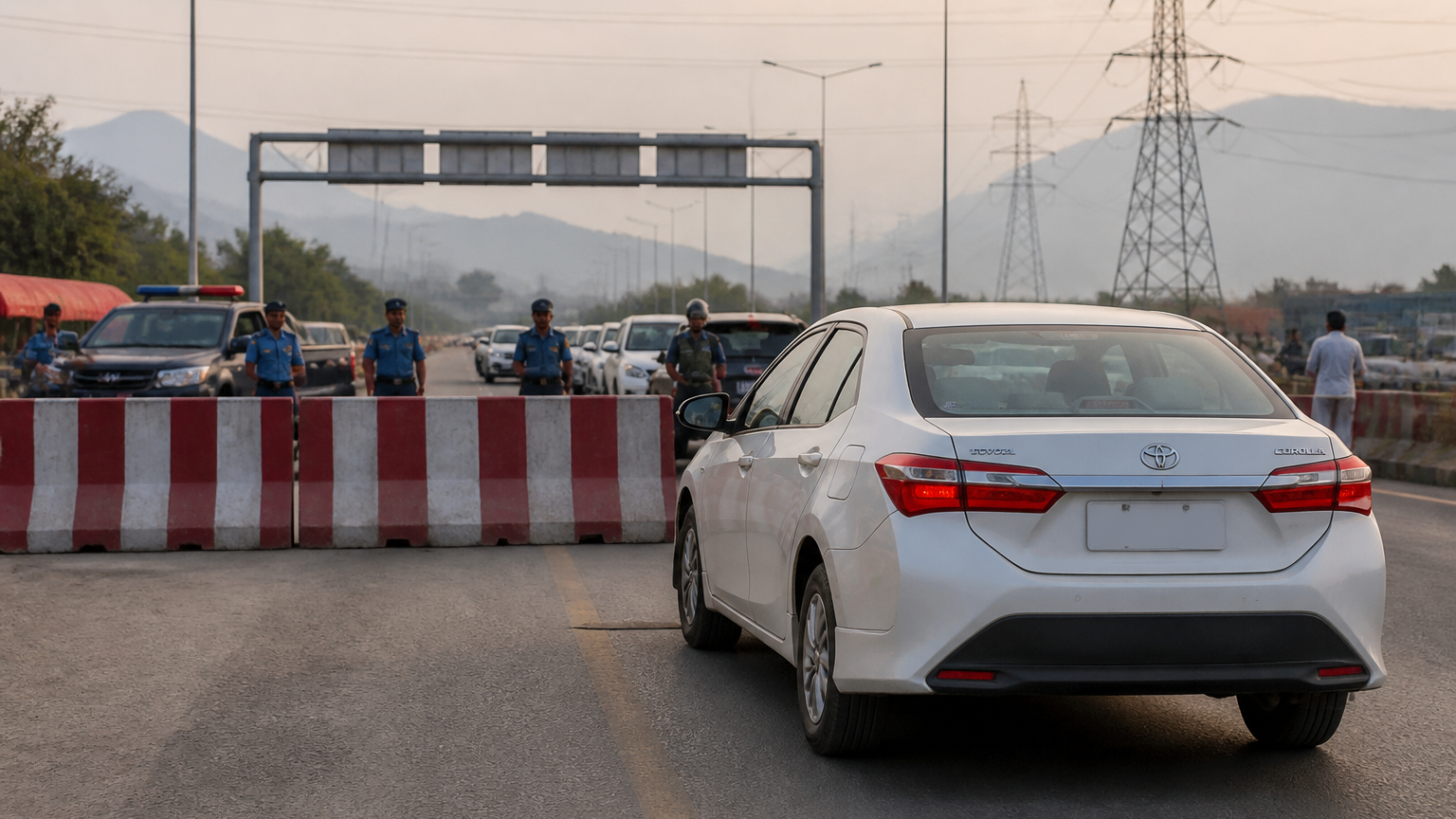
IHC Seeks Replies on M-1 Motorway Closure
Islamabad High Court seeks answers on M-1 closure, affecting routes to Rawalpindi, Attock and KP—but has not ordered reopening.