Pakistan Bans High-Octane Fuel in Government Vehicles: Shehbaz Sharif Austerity Move
Prime Minister Shehbaz Sharif has banned high-octane fuel in all government vehicles as part of austerity measures. Departments must switch to regular petrol at Rs321 per litre. The move follows a Rs200 levy hike that raised HOBC prices to around Rs535, aiming to save public funds amid economic challenges.
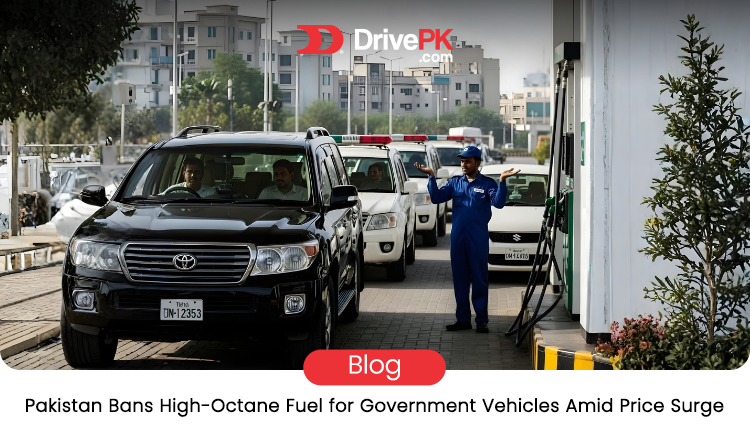
Table of Contents
- Why the ban on high-octane in official vehicles?
- How the levy hike and ban work together
- What this means for government officials and departments
- Broader impact on fuel use in Pakistan
- Will this solve the bigger fuel challenges?
Prime Minister Shehbaz Sharif has banned high-octane fuel (HOBC) in every official government vehicle across Pakistan. All federal departments must now switch to regular petrol (92 RON or E-10). This decision came right after the government raised the petroleum levy on high-octane by Rs200 per litre, taking the total levy to around Rs305. As a result, HOBC now costs about Rs535 per litre at the pump, while regular petrol sits at Rs321.
The move forms part of a bigger push to cut government spending. Officials who still want to use premium fuel will have to pay for it from their own pocket. No more using public money for luxury fuel in state cars.
Why the ban on high-octane in official vehicles?
Pakistan faces real economic pressure. Global oil supply worries, especially around the Strait of Hormuz, have made imports expensive and uncertain. The government already cut fuel use for official vehicles by 50 per cent and grounded 60 percent of them. This new ban takes things further.
High-octane petrol mainly goes into luxury and imported cars. Most government vehicles do not need it. Switching to regular petrol saves money without hurting performance in standard official cars. The Prime Minister’s Office made it clear: unnecessary expenses must stop. Strict action will follow if departments break the rule.
How the levy hike and ban work together
Just days ago, the levy on high-octane jumped from roughly Rs100 to Rs305 per litre. That pushed the pump price from around Rs330 to Rs535 or even higher at some stations. The government expects this to bring in about Rs9 billion extra every month. Those funds will go toward public relief instead of luxury spending.
The ban on government vehicles adds another layer of savings. Millions of rupees that once went to premium fuel can now stay in the budget. And by making officials pay personally if they insist on HOBC, the message is direct: public money is for public needs, not status symbols.
Regular petrol prices stay untouched. Public transport fares and air tickets will not rise because of this. Daily commuters, rickshaw drivers, and truckers feel no extra burden.
What this means for government officials and departments
Every federal ministry, division, and attached department must follow the order immediately. No exceptions for official use. If a situation truly requires high-octane, the individual officer covers the full cost.
This fits the ongoing austerity drive. Earlier steps already limited vehicle use and fuel quotas. Now the focus is on the type of fuel too. It sends a signal from the top: lead by example when times are tough.
Many see this as fair. Luxury vehicles often belong to higher-ups or special categories. Asking them to use regular petrol or pay extra themselves aligns with the goal of responsible spending.
Broader impact on fuel use in Pakistan
Most Pakistanis already use regular petrol. The high-octane change mainly affects a small group: owners of high-performance cars in big cities. For them, the price jump is sharp. But for the majority, nothing changes at the pump.
The government hopes these steps ease pressure on the national budget. Savings from the levy and the ban can support relief programs for ordinary families facing inflation.
At the same time, authorities continue to urge everyone to save fuel. Simple habits like proper tyre pressure, smooth driving, and timely car service still help stretch every litre.
Will this solve the bigger fuel challenges?
This is not a complete fix for Pakistan’s oil import issues, but it is a practical step. It targets spending where it can be cut without hurting essential services. Regular fuel remains stable, protecting the wider economy.
People will watch closely to see how much is actually saved and where the money goes. Transparency on the Rs9 billion monthly revenue will matter.
For now, the policy is clear. No high-octane in government vehicles. Switch to cheaper regular petrol. And if you are an official who prefers premium, be ready to pay yourself.
The road ahead may still bring more adjustments if global oil prices keep shifting. But this latest decision shows the government trying to balance the books carefully, protecting ordinary users while asking more from premium segments. For more updates, visit DrivePK.com
Tags
Share this article
About the Author

Najeeb Khan
Automotive enthusiast and writer
Comments (0)
Login Required
You need to be logged in to comment on this article.
No comments yet. Be the first to share your thoughts!
Related Articles
Honda HR-V Price Cut Up to Rs. 10.7 Lakh in Pakistan
Honda reportedly cuts HR-V prices in Pakistan by up to Rs. 10.7 lakh from Sept 25, 2026—but confirm the limited-time deal with a dealer.
Pakistan Fuel Levy: How It Raises Inflation Pressure
A fuel levy can ripple through Pakistan’s economy, raising travel, delivery and everyday costs—fueling inflation far beyond the petrol pump for families.
Pak Suzuki Adds NADRA Biometric Verification for Vehicle Deals
Buying a Suzuki? ICT confirms biometrics for vehicle transfers—but not a Pak Suzuki–NADRA dealership partnership. Know what’s actually verified.