Pakistan Car Resale Bubble: Why Investors Are Losing
Pakistan’s car resale gamble is losing steam: wider supply, more choice and hidden costs mean booked cars no longer guarantee real profit.
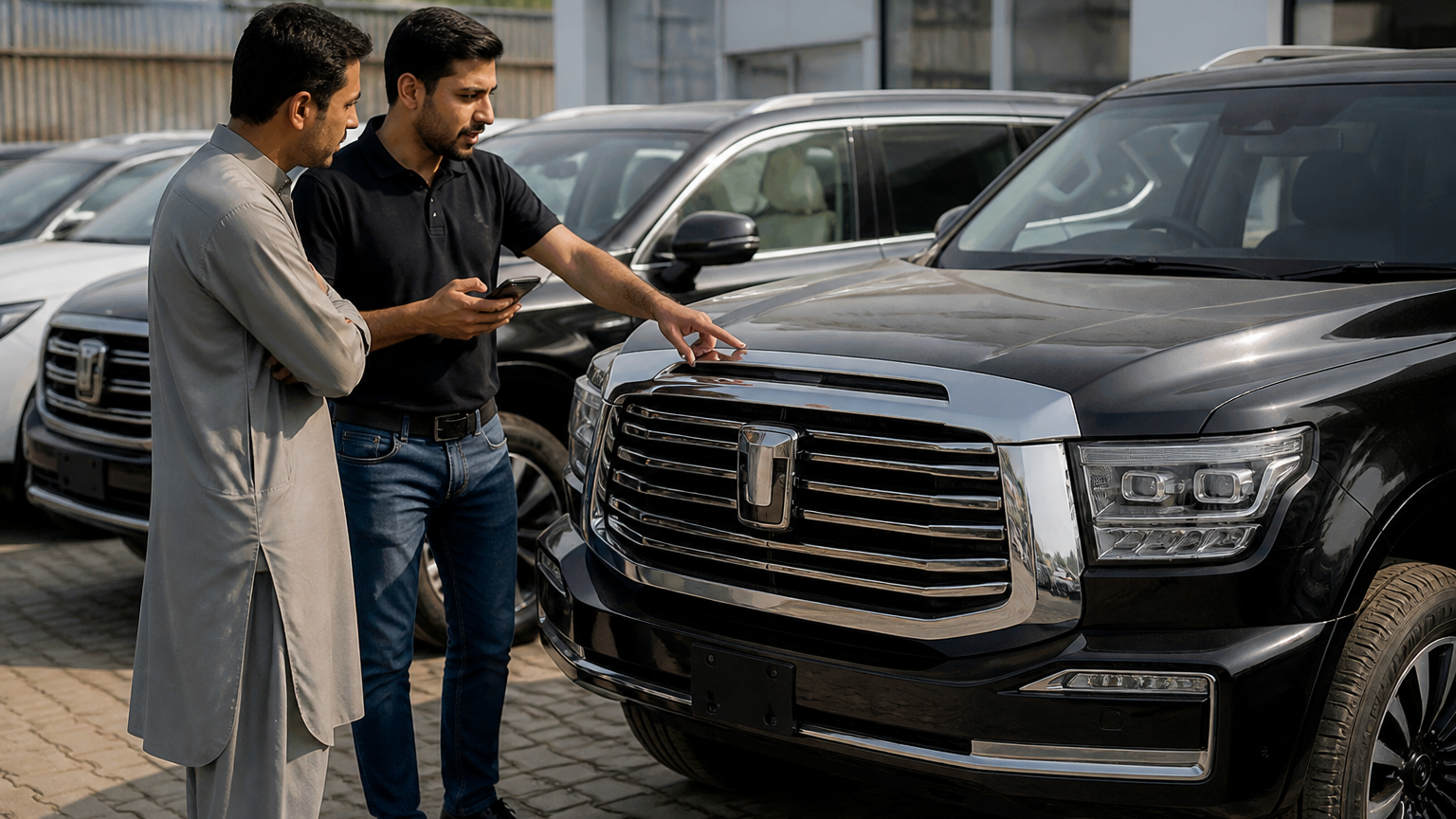
Table of Contents
- What the market is showing now
- Why buyers are less willing to pay extra
- The hidden costs investors often ignore
- What buyers should do now
- Explore DrivePK services
Pakistan’s long habit of buying cars for resale profit is facing real pressure. reportedly at the old formula is no longer as safe as it once seemed: supply is wider, buyers have more choices, and an online asking price does not always turn into a real profit.
For years, many people treated new cars like rising assets. Delivery delays, low supply, repeated price hikes and rupee weakness made it look like a booked car could be sold later for more money. But that was often nominal gain, not true profit. Once taxes, registration, transfer charges, insurance, financing and storage costs are added, the picture changes fast.
A report cited in the source notes that the Pakistan Institute of Development Economics estimated Rs. 150 billion to Rs. 170 billion in on-money premiums over five years in 2021. That is historical evidence, not a current market reading, but it shows how deeply speculative buying had entered the market.
What the market is showing now
The clearest sign of pressure is that some premium SUVs are appearing for resale below their published prices. In one case highlighted in the source report, a nearly new, unregistered Tank 500 HEV in Lahore was listed at Rs. 19.5 million, while the published ex-factory price was Rs. 20.5 million. That is Rs. 1 million below the official figure, or about 4.9%.
This does not prove what the seller originally paid, and it does not mean the model has failed nationwide. Asking price is not the same as completed sale. Still, it does show that a new model does not automatically protect an investor from loss.
The same source report points out that September PAMA data showed 2,474 combined Haval and Tank sales, but did not split out the Tank 500 alone. So the exact size of demand for this model is still unclear.
Why buyers are less willing to pay extra
There is a simple reason resale investors are finding fewer takers: more choices. Pakistani buyers now have more SUVs, hybrids, plug-in hybrids and electric vehicles to compare. That means one model is no longer the only fast-delivery option in town.
At the same time, manufacturers are competing with their own resale market through official availability, discounts and promotional offers. If a brand-new car is available from the dealer network, many buyers will not pay extra to an investor.
There is also a big difference between booking hype and real end-user demand. A launch announcement can include dealers, speculators and genuine drivers. It does not show how many cars actually reached families who plan to keep them.
The hidden costs investors often ignore
A seller must think beyond the headline price. Advance income tax, registration, transfer fees, insurance, financing cost, showroom or storage expense, and the time value of money all eat into returns. A car that looks profitable on paper can still become a loss once holding costs are counted.
That is why comparing a launch price with a later online listing can be misleading. A higher sticker number does not automatically mean a higher profit.
What buyers should do now
For end users, the safer approach is simple: buy a car because it fits your life, not because you hope to flip it later. Think about daily use, family space, fuel economy, warranty, service support, parts availability and long-term affordability.
For investors, the bar should be much higher. You need proof of recent completed sales, a realistic exit price, and a full holding-cost calculation before booking.
The broader market trend is also worth watching. More model launches, possible tax changes, hybrid policy shifts and currency movement could make resale even less predictable. That does not mean every model will collapse. It does mean cars are starting to behave more like transport again, not guaranteed investments.
Before booking, compare the official landed cost with recent completed-sale evidence and count every holding expense first.
For more market coverage, see Pakistan Car Market 2025: Sales Are Up, But Local Factories Are Hurting and What Are Electric Vehicles and How Do They Work?.
Explore DrivePK services
Planning to sell your car? Explore DrivePK Sell It For Me for assistance with your listing and the selling process.
For more updates, visit DrivePK.com
Tags
Share this article
About the Author
Dr Khan
Automotive Expert & Content Strategist
Comments (0)
Login Required
You need to be logged in to comment on this article.
No comments yet. Be the first to share your thoughts!
Related Articles
پاکستان آٹو پالیسی 2026-31 میں $6bn برآمدی ہدف مقرر
پاکستان کی آٹو پالیسی 2026-31 کا ہدف $6bn برآمدات ہے، تاہم مجوزہ قیمت، بکنگ اور انجن لیویز کو ابھی کابینہ کی منظوری درکار ہے۔
Pakistan Auto Policy 2026-31 Sets $6bn Export Target
Pakistan’s Auto Policy 2026-31 targets $6bn in exports, but proposed price, booking and engine levies await cabinet approval.
پاکستان نے 45 نئی گاڑیوں کی حفاظتی معیارات شامل کر دیے
پاکستان نے اقوامِ متحدہ کے قواعد سے منسلک 45 نئے وہیکل سیفٹی اسٹینڈرڈز کا اعلان کیا ہے، تاہم نفاذ کی تاریخ اور متاثرہ گاڑیوں کی اقسام ابھی واضح نہیں۔