Pakistan Car Sales Stagnant: 152,000 to 148,000
Pakistan’s car sales have barely changed in 20 years despite factory capacity—showing affordability, not production, is the market’s roadblock.
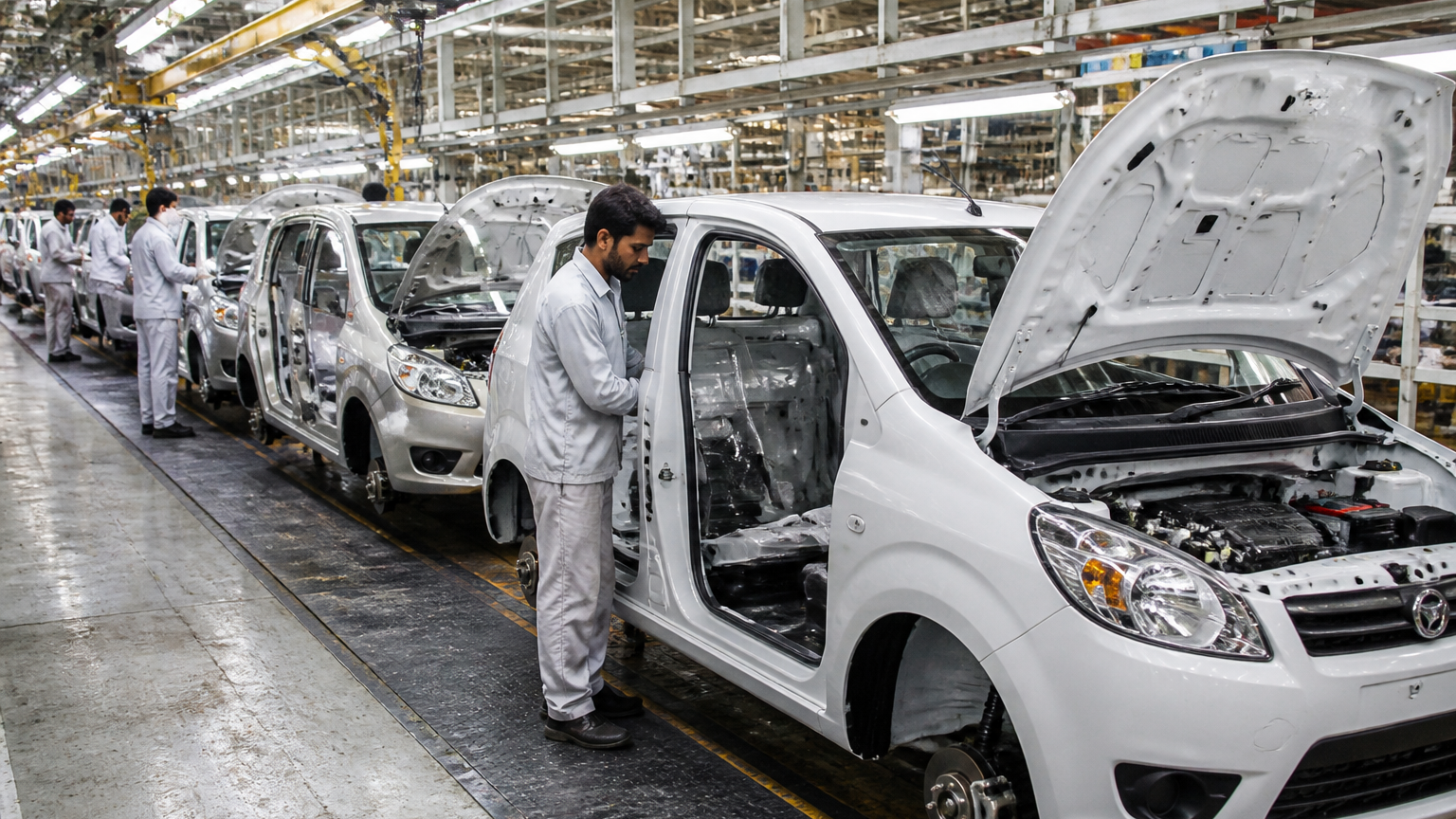
Pakistan’s car market has hardly moved in 20 years, even though the industry says it can build far more vehicles than it sells. That gap matters for buyers because it shows the main problem is not only factory output — it is affordability.
The Pakistan Association of Automotive Parts and Accessories Manufacturers says annual car sales were about 152,000 units in 2005 and around 148,000 units in 2025. That is a drop of roughly 4,000 cars over two decades. For background, read our earlier coverage: Pakistan Auto Industry Loses Rs50 Billion as Used Car Imports Surge to 25% of Sales.
The industry’s reported production capacity is much higher, at 600,000 vehicles a year. But those capacity numbers should not be mixed directly with car sales figures, since they do not cover the exact same vehicle category. Even so, the message is clear: Pakistan can make more than people are buying.
Why demand is still weak
PAAPAM Chairman Abdul Rehman Aizaz has linked the long slowdown to economic instability, weak purchasing power, policy changes that do not stay steady for long, and limited access to affordable car financing.
For many families, the problem starts before the showroom visit. Vehicle prices have risen sharply, salaries have not kept pace, and monthly instalments are now too heavy for many middle-income buyers. In this kind of market, even if new models arrive, the number of people able to buy them stays low.
That is why expanded local manufacturing has not automatically turned into higher sales. A stronger supply chain does not help much if buyers cannot afford the final price.
Pakistan’s auto market has faced this issue before, especially when policy changes and import pressure shake buyer confidence. We covered a similar demand-side problem in Pakistan Car Market 2025: Sales Are Up, But Local Factories Are Hurting, where pricing and policy were also central concerns.
Local parts makers still matter
Aizaz also said localisation by value for components used in many Japanese vehicles stands at around 50% to 65%. He added that around 1,200 auto parts vendors are involved in the sector and employ about 300,000 people.
That shows the auto industry is not small. It supports jobs and a wide supplier base. But even that network cannot grow much if sales stay flat.
What the new auto policy could change
The proposed Auto Policy 2026-31 is now another key issue for the industry. Manufacturers want the government to focus on better productivity, lower production costs, and fresh investment, instead of relying mainly on tax cuts.
At the same time, lower import duties and more competition could help consumers by improving availability and possibly pushing prices down. That would be good news for buyers — but it could also add pressure on local assemblers and localisation plans.
PAMA Director General Razi-ur-Rahman has said past auto policies did not meet their production goals, and he is concerned that consultation with industry stakeholders has been limited since June 2026. The policy is still under discussion and has not been finalised.
What this means for buyers
For buyers who need a car now, the best move is to compare the full cost: booking price, bank instalments, insurance, registration and fuel use. Waiting for a policy change may help, but it may also expose buyers to currency swings or higher prices later.
For buyers who can wait, the next few months may bring clearer signals on duties, competition and financing. Still, one thing is already clear: Pakistan’s biggest car market problem is not production capacity alone. It is whether ordinary people can afford the cars being sold.
Explore DrivePK services
Buying or selling a vehicle? Explore DrivePK services, including car inspection, Sell It For Me and Featured Listings, and choose the option that fits your needs.
For more updates, visit DrivePK.com
Share this article
About the author

Dr Khan
Automotive expert and content strategist

Comments (0)
Sign in required
Sign in to comment on this article.
No comments yet. Be the first to share your thoughts!