Pakistan EV Policy: Are Hybrids Still Practical?
Pakistan’s proposed Auto Policy 2026–31 favors EVs with 1% tax, but charging access could make adoption easy for some and difficult for others.
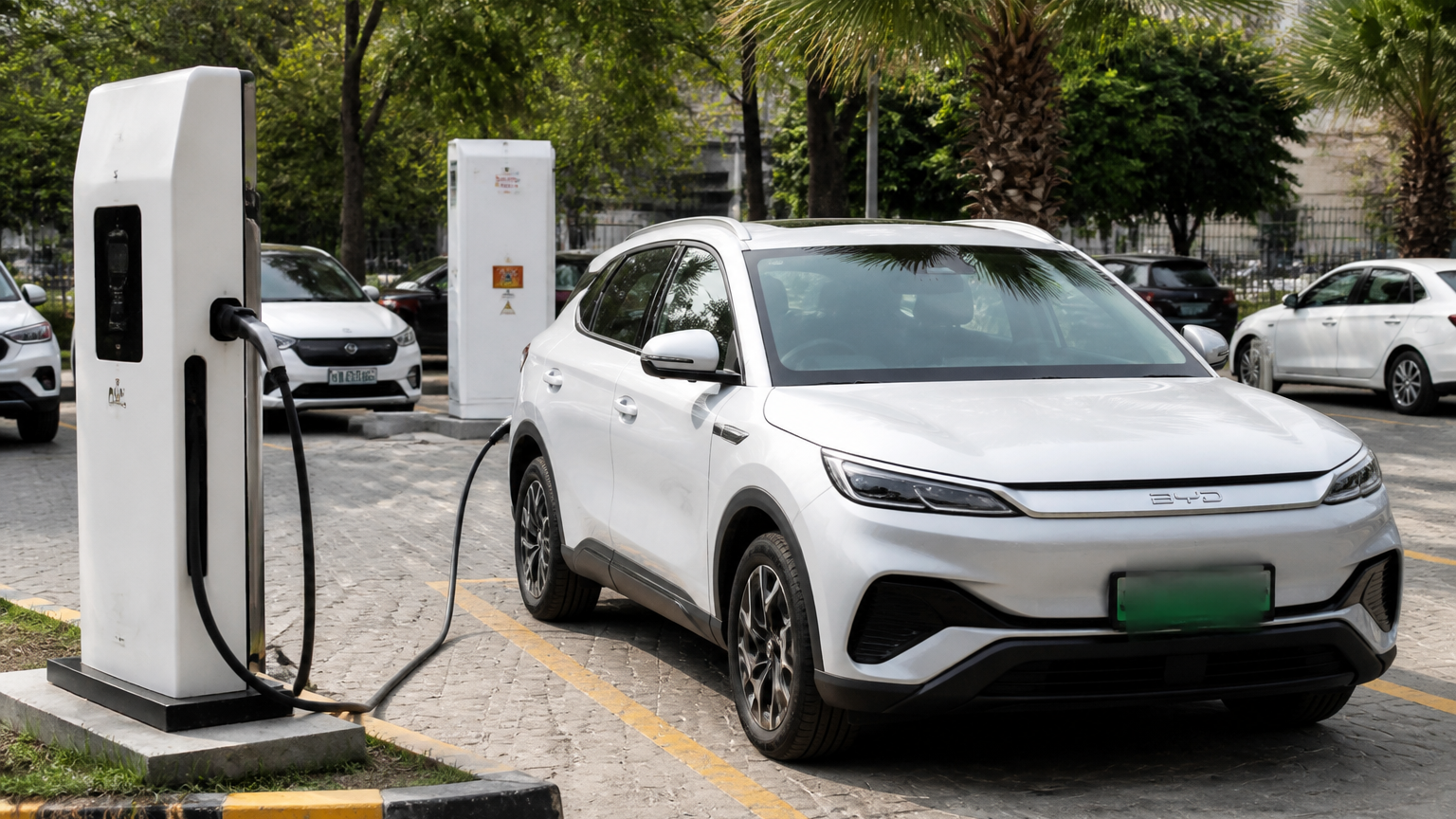
Table of Contents
- What the current price picture looks like
- Why city use helps EVs more than motorway travel
- Charging access decides the money question
- Hybrids still matter right now
- The big unknowns for buyers
- The practical verdict
- Explore DrivePK services
A BYD Atto 2 owner who drives about 100 km a day and charges from home solar has a very different experience from a one-car family that moves between Lahore and Islamabad with no private charging space. That contrast sits at the centre of Pakistan’s proposed Auto Policy 2026-31, which leans strongly toward fully electric vehicles but is still subject to approval and implementation.
The policy material proposes a new sales tax setup that would favour battery electric vehicles the most. Under the suggested structure, BEVs would face 1% sales tax, REEVs 6%, PHEVs 9% and HEVs 18%. Conventional hybrids are not being banned, and there is no immediate restriction on them. They are being treated as transitional technology, while the long-term goal remains a shift to full electric mobility.
The proposal also includes an automotive development levy on petrol vehicles above 1,000cc to help fund EV incentives. But these are still proposals, not final market rules.
What the current price picture looks like
Pakistan’s EV market is no longer limited to one or two expensive models. The current figures in the supplied report place the JAECOO J5 EV Premium at Rs 6,699,000 ex-factory with an approximate 344 km WLTP range. Its deliveries are said to start in January 2027.
Other listed models include the BYD Atto 2 Premium at Rs 7,290,000 with about 323 km WLTP range, and the BYD Atto 3 Advance at Rs 8,990,000 with about 349 km WLTP range. The Toyota Corolla Cross HEV is listed at Rs 9,299,000. These are supplied figures, and real-world range and running cost can differ.
For background on EV basics, readers can also see What Are Electric Vehicles and How Do They Work? and Electric Vehicles in Pakistan: The Complete Guide 2026.
Why city use helps EVs more than motorway travel
EVs usually look best in stop-and-go city traffic. Regenerative braking helps recover energy, and electric motors waste less power while waiting at signals or crawling in traffic.
Motorway driving is different. At higher speeds, air drag rises fast, and that can cut range. The supplied example shows how an EV that might cover 350 km at 100 km/h could drop to around 278 km at 120 km/h if energy use rises by about 26%. That matters for drivers planning intercity trips.
The owner-reported Atto 2 city range of around 325-330 km sounds encouraging, but it should not be treated as controlled testing.
Charging access decides the money question
The biggest EV saving comes from cheap home charging. Using the supplied example of 19 kWh per 100 km, an EV would cost about Rs 855 per 100 km if charged at Rs 45/kWh at home. The same distance could cost about Rs 2,280 if charging at Rs 120/kWh in public.
For comparison, an HEV giving 17 km/litre at petrol priced at Rs 335/litre would cost about Rs 1,971 per 100 km.
That is why solar-powered home charging can make an EV very attractive. But apartment residents, renters and drivers without dedicated parking may not get the same benefit. Pakistan’s NEV Policy 2025-30 targets 3,000 charging facilities by 2030, including 1,050 Level 3 fast-charging points, but those are targets, not confirmed operating numbers.
Hybrids still matter right now
Hybrids can cut petrol use without asking buyers to change how they live. The supplied illustration shows that if 10,000 vehicles travel 20,000 km a year, switching from cars that do 11 km/litre to hybrids that do 17 km/litre could save about 6.4 million litres of petrol a year.
PHEVs and REEVs can be useful too, but only if owners actually charge them often. If they are rarely plugged in, the fuel-saving promise weakens.
The big unknowns for buyers
Price is only one part of the decision. Pakistan still has limited long-term evidence on EV battery life, replacement cost, repair skills, parts supply, warranty clarity and used-market demand. Toyota, Suzuki and Honda still enjoy strong resale trust, and the current used-car ranking data shows those brands leading model-year lists from May to August 2026. That does not prove future EV depreciation, but it does show how much resale confidence matters in Pakistan.
The practical verdict
An EV makes the most sense for buyers with private parking, dependable charging and mostly urban driving. A hybrid is still the safer choice for many households that need easy long-distance travel and predictable resale. PHEVs and REEVs can work as a middle ground, but they should be supported on real fuel savings, not just the label.
Pakistan can cut petrol use faster by backing efficient hybrids while charging infrastructure catches up, instead of asking every buyer to go fully electric too soon.
Explore DrivePK services
Buying or selling a vehicle? Explore DrivePK services, including car inspection, Sell It For Me and Featured Listings, and choose the option that fits your needs.
For more updates, visit DrivePK.com
Tags
Share this article
About the Author
Dr Khan
Automotive Expert & Content Strategist
Comments (0)
Login Required
You need to be logged in to comment on this article.
No comments yet. Be the first to share your thoughts!
Related Articles
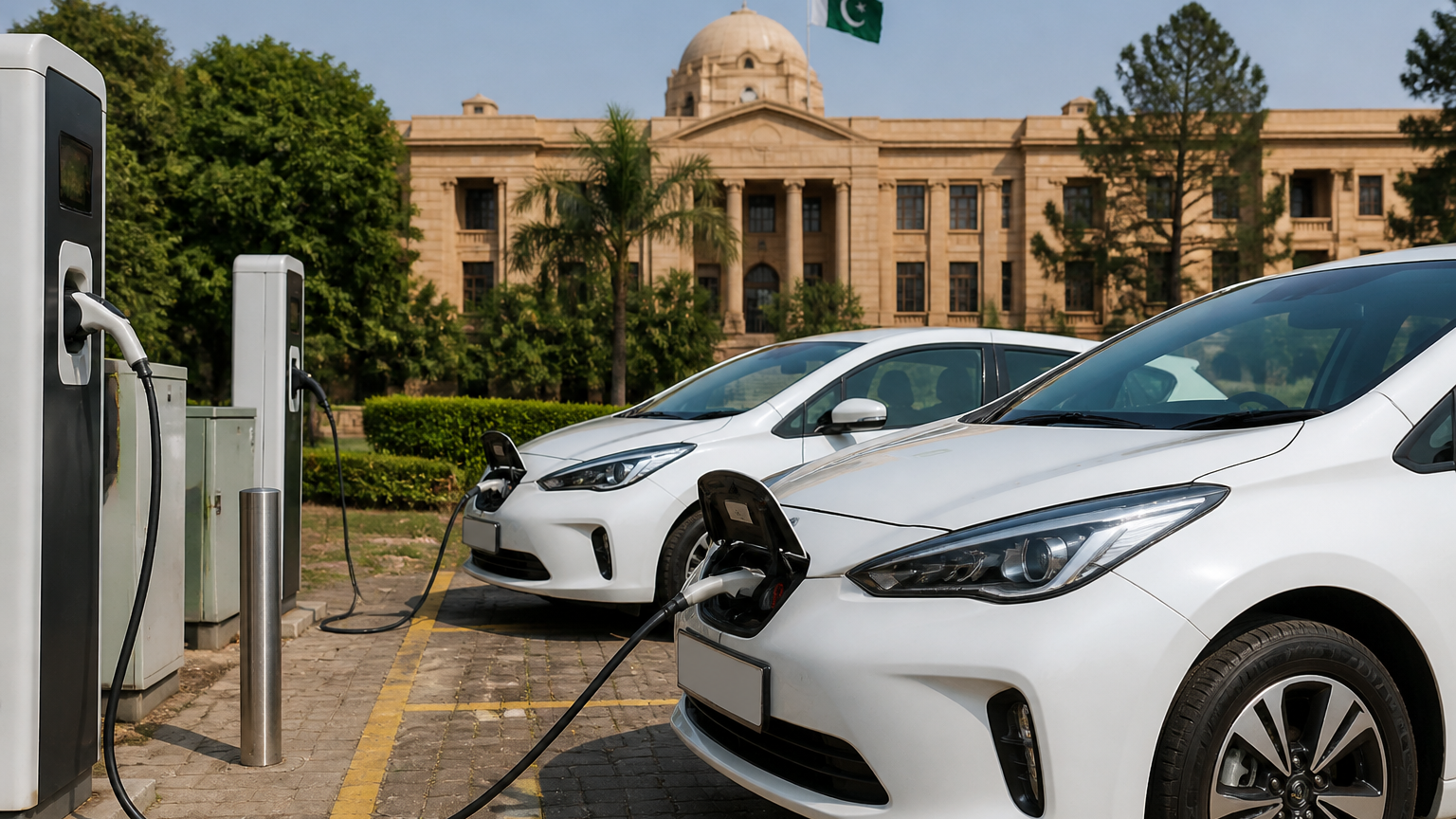
سندھ حکومت مستقبل کی گاڑیوں کی خریداری میں الیکٹرک گاڑیوں کو ترجیح دے گی
سندھ آئندہ حکومتی خریداریوں میں ایندھن کے اخراجات اور آلودگی کم کرنے کے لیے الیکٹرک گاڑیوں کو ترجیح دے گا؛ موجودہ پٹرول فلیٹ بدستور سروس میں رہے گا۔
Sindh Govt to Prefer EVs for Future Vehicle Purchases
Sindh will prioritize electric vehicles in future government purchases to cut fuel costs and pollution; its existing petrol fleet stays in service.
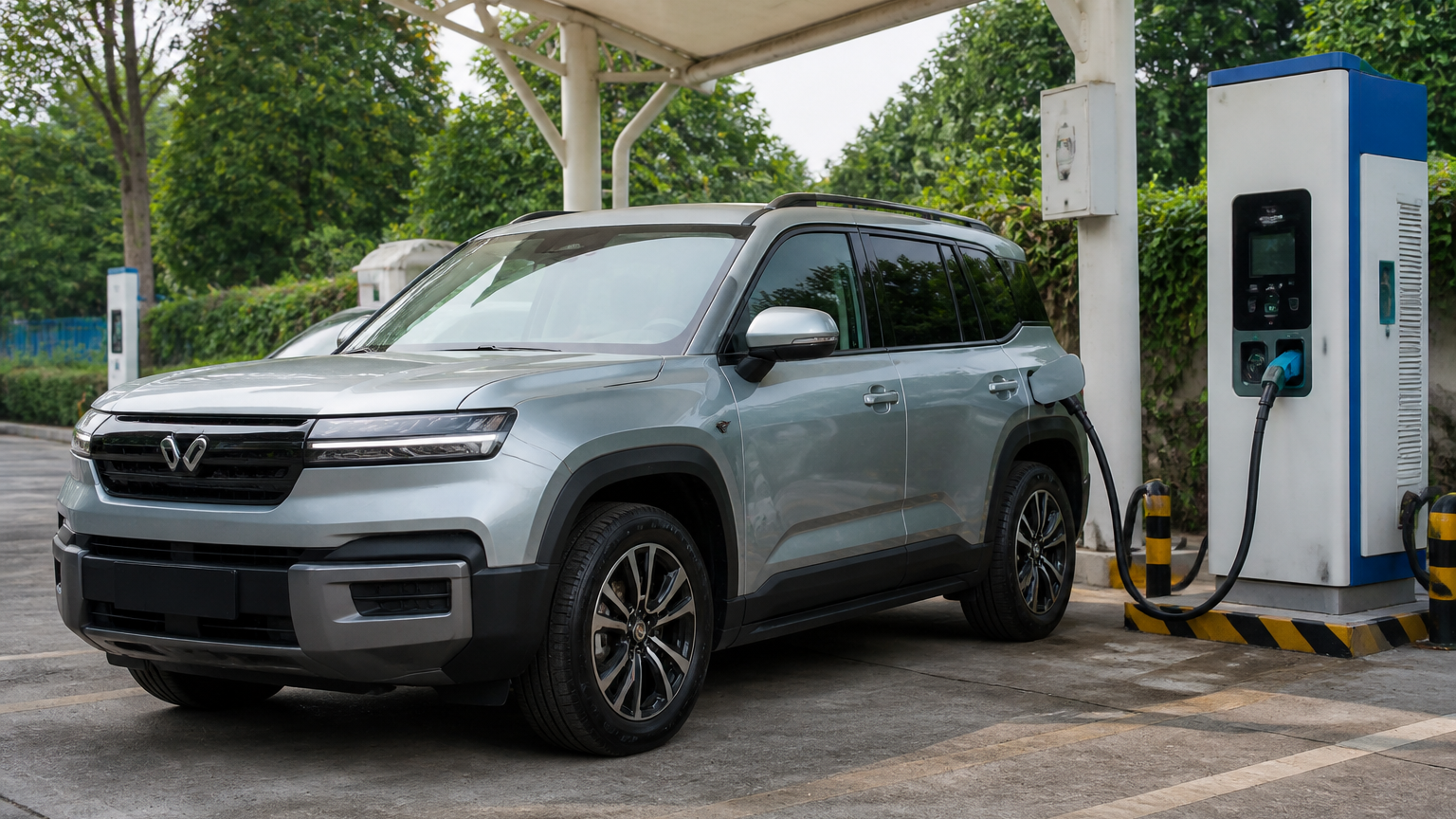
BYD Fang Cheng Bao Ti 9 PHEV کی 9 منٹ میں چارجنگ
BYD کی Fang Cheng Bao Ti 9 کے بارے میں دعویٰ ہے کہ یہ 10% سے 97% تک صرف نو منٹ میں چارج ہو جاتی ہے—لیکن جب تک باضابطہ ثبوت نہ ہو، پاکستانی خریداروں کو محتاط رہنا چاہیے۔