Pakistan Fuel Relief Scheme: Dealers Refuse to Join
Pakistan’s fuel relief scheme hits a roadblock as dealers reportedly refuse, leaving drivers unsure about discounts, delays and pump operations.
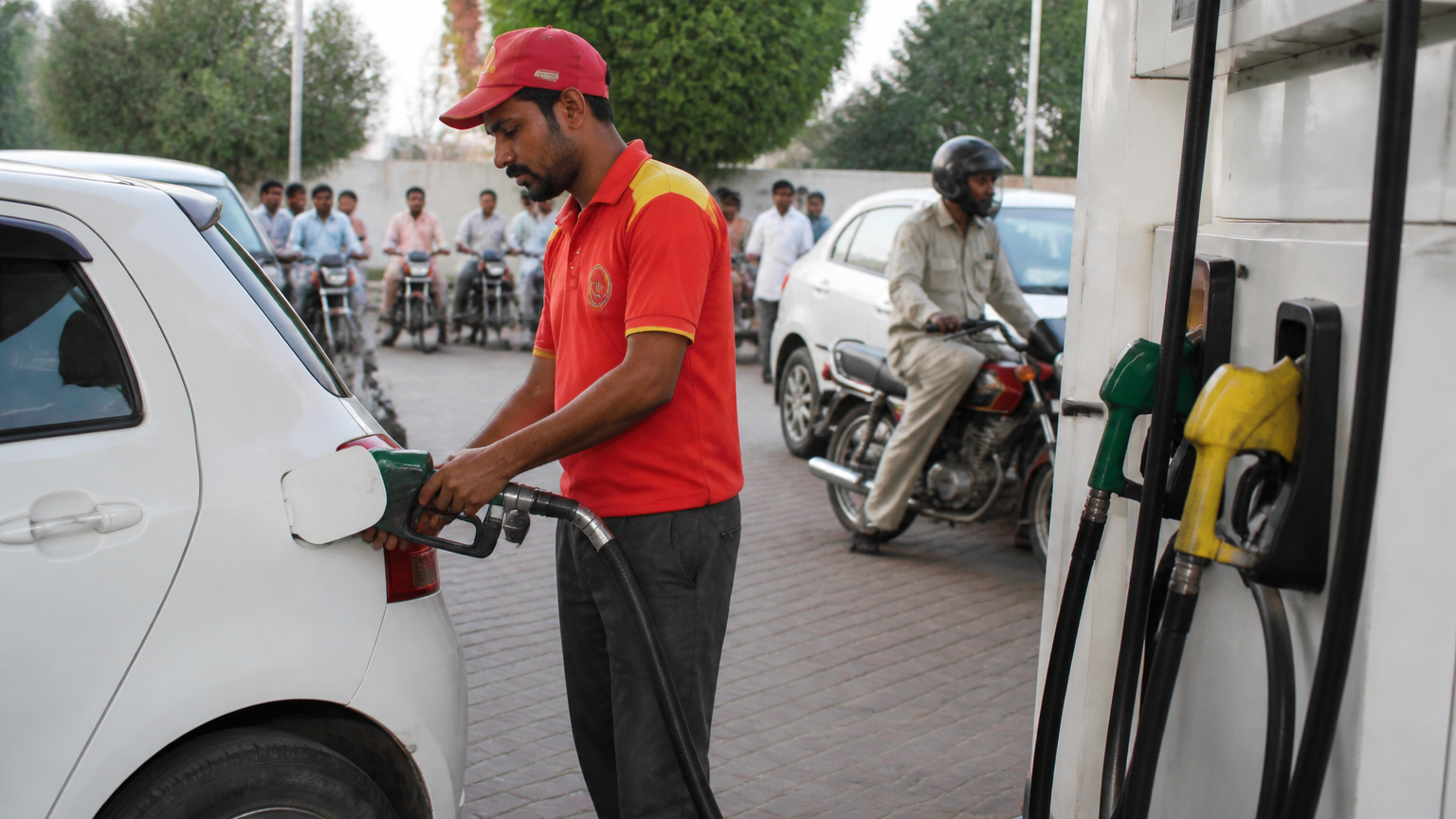
Petroleum dealers have reportedly refused to sell fuel under Pakistan’s new fuel relief scheme, raising fresh questions for drivers about pump operations, discounts, and possible delays. According to source reports published on September 16, 2026, the dealers’ side says the plan is hard to run in its current form, but the available reports do not confirm the exact working method, the full financial terms, or a formal official response from the dealer body beyond the reported statements.
For motorists, the first concern is simple: will petrol stations stay open and keep selling fuel as usual? Based on the available reports, there is no confirmed nationwide shutdown or price shock linked to this refusal alone. The dispute appears to be about how the relief will be delivered, not about an immediate end to fuel sales. Still, if the issue is not resolved, drivers could see longer queues, slower service, or confusion at some stations.
According to a source report at https://www.thenews.pk/story/1437709-financial-burden-petroleum-dealers-refuse-fuel-sales-under-govt-relief-scheme, a Pakistan Petroleum Dealers Association vice chairman said dealers were not consulted while the scheme was being prepared and said the current mechanism is difficult to implement. He also said the financial burden should not fall on dealers and argued that relief should reach consumers through a simpler system. The report says dealers were in contact with the government for three days but had not received a response at the time of the statement.
A separate source report at https://www.thenews.pk/print/1437388-petrol-dealers-seek-revision-of-fuel-relief-scheme says dealer concerns include long queues, invoice checking, and the risk of fraud. It also says the association called an emergency meeting to discuss its next step. These are reported concerns, not yet a final legal or policy outcome.
The government had announced a relief scheme for petrol users in smaller vehicles. According to the same source report, the plan offers Rs100 per litre relief on limited monthly petrol volumes for motorcycle riders, rickshaw owners, and small vehicle users. But the available reporting does not fully explain how the discount will be applied at the pump, which stations will join, or how consumers will register if dealers do not take part.
That is why dealer participation matters. Petroleum dealers are the people who actually dispense fuel at the station, so any pump-level discount system depends on their role. If the scheme needs them to check documents, process claims, or apply a special price, then their refusal could slow the rollout even if the policy itself remains in place. The reports do not yet confirm whether the concern is reimbursement timing, margin pressure, or another issue.
For households, bikers, ride-hailing drivers, and small businesses, the practical impact could be less about a formal fuel price hike and more about whether the promised relief reaches them smoothly. If the scheme stalls, motorists may not get the discount they expected. If stations continue normal sales, day-to-day commuting should not be disrupted, though the situation could still create rush periods or customer confusion.
Drivers should avoid panic buying unless there is a clear official notice of supply trouble. It is wiser to refuel normally if needed, keep an eye on station notices, and wait for a direct update from the relevant government authority and the dealers’ representative body. The missing details that matter most now are the scheme’s funding, dealer compensation, registration process, participating stations, and start date.
For readers tracking fuel costs and policy changes, earlier DrivePK coverage of fuel price shifts can help with context: Pakistan Fuel Prices February 2026: Petrol Drops Slightly, Diesel Rises Sharply and Pakistan Fuel Price Hike March 2026: Petrol Up Rs 8, Diesel Rs 5.16 - Reasons and Impacts.
For more updates, visit DrivePK.com
Tags
Share this article
About the Author
Dr Khan
Automotive Expert & Content Strategist
Comments (0)
Login Required
You need to be logged in to comment on this article.
No comments yet. Be the first to share your thoughts!
Related Articles
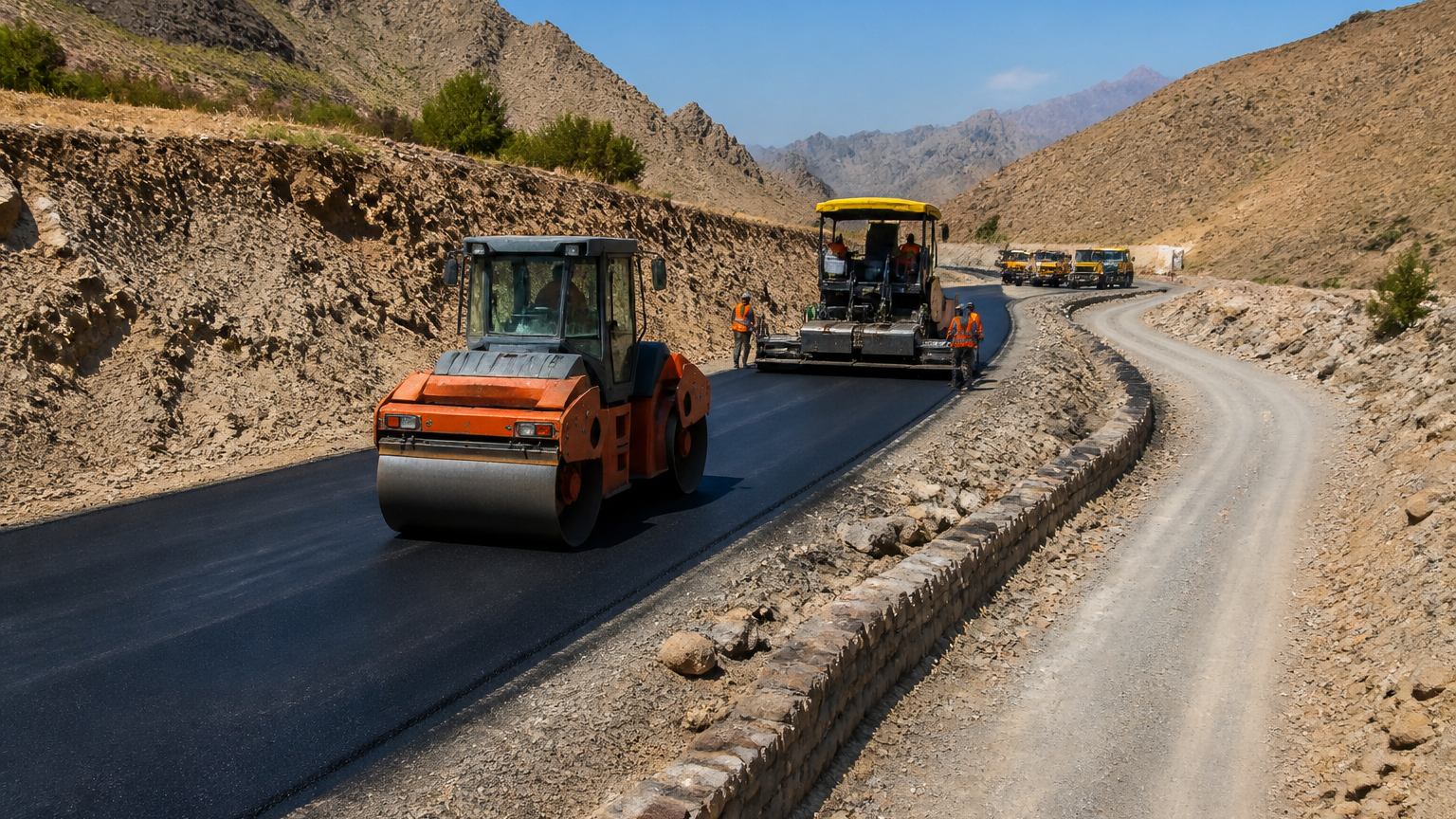
روپے 644 ارب کے بلوچستان ہائی وے منصوبے 2028 تک مکمل ہوں گے
بلوچستان کے 10 ہائی وے منصوبے، جن کی مالیت روپے 644 ارب ہے، بہتر رابطوں کا وعدہ کرتے ہیں—تاہم ان کی تکمیل 2026 سے 2028 تک مرحلہ وار ہوگی۔
Rs 644bn Balochistan Highway Projects Due by 2028
Balochistan’s 10 highway projects, worth Rs644bn, promise better links—but completion is staggered from 2026 to 2028.
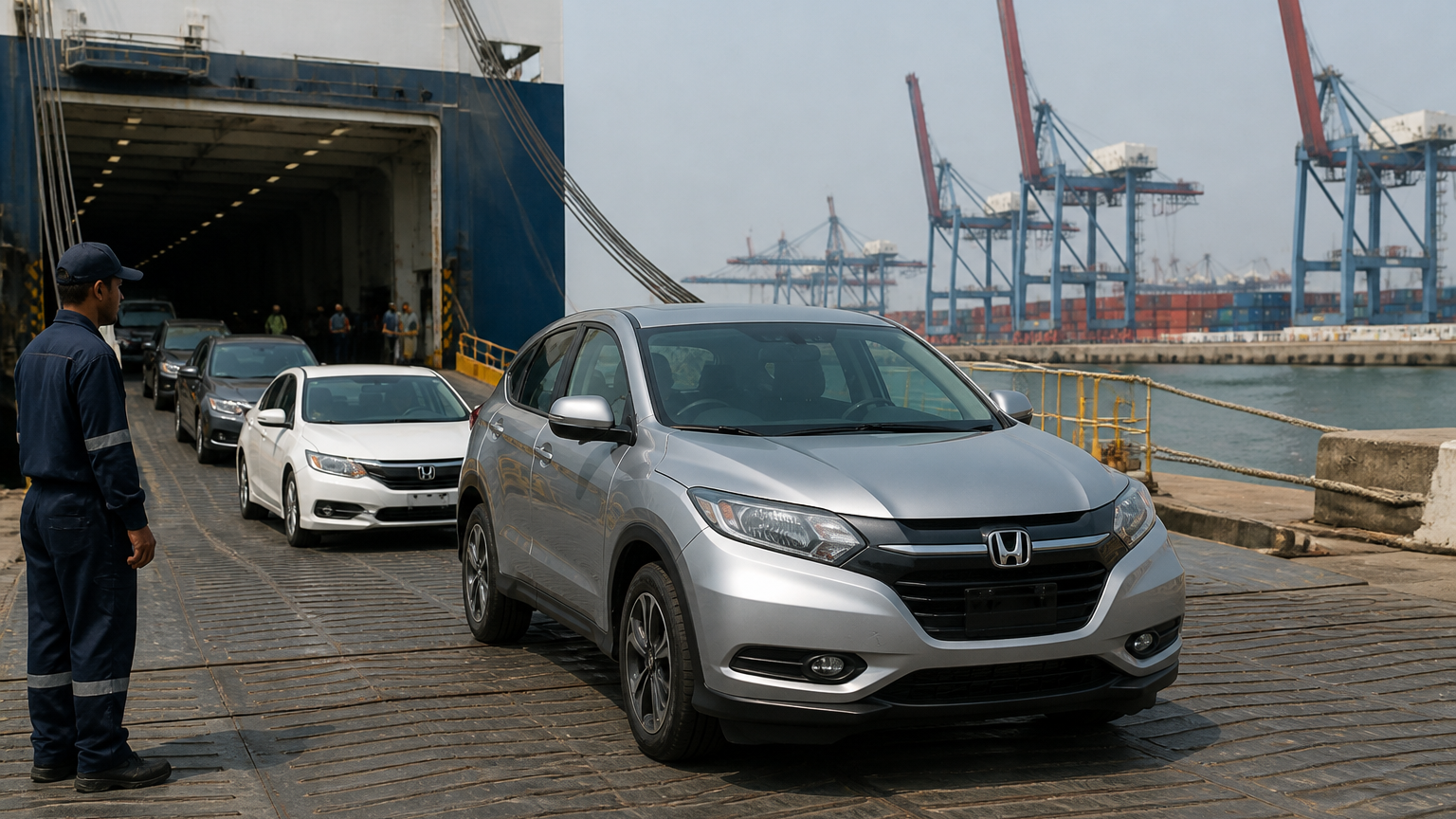
پاکستان میں گفٹ اسکیم کے تحت استعمال شدہ گاڑیوں کی درآمدات 2,238 تک پہنچ گئیں
پاکستان میں گفٹ اسکیم کے تحت استعمال شدہ گاڑیوں کی درآمدات مئی میں 7 سے بڑھ کر ستمبر میں 2,238 تک پہنچ گئیں، جو تمام استعمال شدہ گاڑیوں کی درآمدات کا تقریباً 98 فیصد تھیں۔