Pakistan Fuel Price Hike March 2026: Petrol Up Rs 8, Diesel Rs 5.16 - Reasons and Impacts
The Pakistani government hiked petrol by Rs 8 to Rs 266.17 per litre and diesel by Rs 5.16 to Rs 280.86, effective March 1, 2026. Blame global oil prices and Gulf tensions. This boosts transport costs, squeezes budgets, and fuels inflation nationwide.
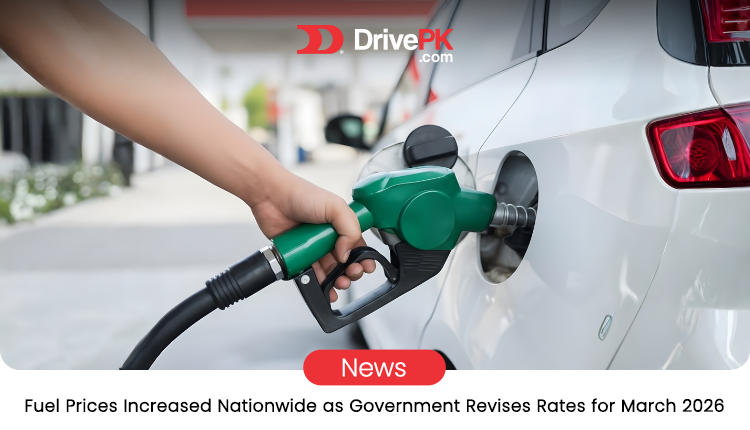
Table of Contents
- Why the Increase Now?
- How It Affects Daily Life
- Looking Back at Fuel Price Trends
- What Options Do We Have?
- Conclusion
Fuel prices just went up again in Pakistan. From March 1, 2026, petrol costs Rs 266.17 per litre, up Rs 8 from before. Diesel is now Rs 280.86, after a Rs 5.16 bump. The government points to higher global oil prices. But this hits everyone hard, from daily commuters to farmers.
Why the Increase Now?
International oil markets are the main culprit. Crude oil prices climbed due to tensions in the Gulf and stalled talks between the US and Iran. Arab Light crude rose about 2.7 per cent recently. Add in exchange rate pressures and volatility, and local prices follow suit.
The Oil and Gas Regulatory Authority (OGRA) crunched the numbers and advised the hike. The Ministry of Energy issued the notification late Saturday. It's a fortnightly review, so this holds until mid-March. But with Middle East conflicts brewing, more jumps could come.
Pakistan imports most of its oil, so we're tied to global trends. When Brent crude hits highs like $110-120 per barrel, we feel it. Recent episodes show that every $10 spike in oil adds 0.2-0.3 points to global inflation. Here, it translates directly to pump prices.
How It Affects Daily Life
Think about your commute. Petrol powers cars, bikes, and rickshaws. An Rs 8 hike means filling a 40-litre tank costs Rs 320 more. For middle-class families, that's a chunk out of the monthly budget. Salaried workers and small business owners rely on affordable transport. Now, fares for buses and taxis will likely rise.
Diesel is even trickier. It fuels trucks, buses, trains, and farm equipment. The Rs 5.16 increase pushes up logistics costs. Goods like vegetables, grains, and essentials get pricier at markets. Inflation, already a headache, gets worse. Experts say this could add fresh pressure on consumer expenses countrywide.
Agriculture takes a hit too. Farmers use diesel for tractors and tube wells. Higher costs mean slimmer profits or passed-on prices for food. In a country where many live hand-to-mouth, this strains the poor and middle class the most. And right before Ramadan? Timing couldn't be worse for household budgets.
Businesses aren't spared. Industries face escalating operational costs. The Pakistan Industrial and Traders Associations Front (PIAF) warns of supply chain disruptions. Every fuel hike ripples through manufacturing and delivery. Small enterprises might cut back or close shop if margins shrink too much.
Looking Back at Fuel Price Trends
This isn't new. Just last month, diesel jumped from Rs 11.30 to Rs 268.38, while petrol stayed put. In mid-February, petrol rose by Rs 5 and diesel by Rs 7.32. Back in September 2025, prices crossed Rs 300 for the first time, tied to an IMF deal.
The pattern? Global surges and fiscal policies drive it. Pakistan's standby agreement with the IMF often means adjusting levies and taxes on fuel. Subsidies get trimmed to balance the books. But citizens bear the brunt. Over the past year, fuel costs have swung wildly, mirroring world events like wars and negotiations.
Compared to neighbours. The UAE saw similar hikes in March 2026, blaming "war tax" from regional clashes. Indonesia worries about oil prices above $120, straining subsidies. We're in the same boat, but with less cushion.
What Options Do We Have?
The government could rethink subsidies for vulnerable groups. Targeted relief for low-income families or public transport might ease the blow. But fiscal space is tight.
On a personal level, cut back where you can. Carpool, use public transit, or switch to efficient vehicles. Electric bikes are gaining traction, though charging infrastructure lags. For farmers, solar-powered pumps could help in the long term.
Policy-wise, diversify energy sources. Boost local production or renewables to reduce import dependence. Wind and solar are promising, but investment is slow. And push for stable exchange rates to buffer against dollar swings.
Experts suggest monitoring global risks. If Iran talks fail or Afghanistan-Pakistan tensions escalate, oil could spike further. Central banks might delay rate cuts, keeping borrowing costly.
But hope lies in awareness. Track updates from reliable sources like the Petroleum Division. Voice concerns through associations or social media. Public pressure has swayed decisions before.
Conclusion
This fuel price hike in Pakistan stings. Petrol at Rs 266.17 and diesel at Rs 280.86 reflect the tough realities of the global market. Transport costs rise, inflation builds, and daily expenses mount. Yet, understanding the whys helps navigate it.
Stay informed about petrol price updates in Pakistan. Check diesel rates often. Small changes in habits can add up. And push for policies that protect the average person. After all, fuel powers more than engines; it drives our economy and lives. For more updates, visit DrivePK.com
Tags
Share this article
About the Author

Najeeb Khan
Automotive enthusiast and writer
Comments (0)
Login Required
You need to be logged in to comment on this article.
No comments yet. Be the first to share your thoughts!
Related Articles
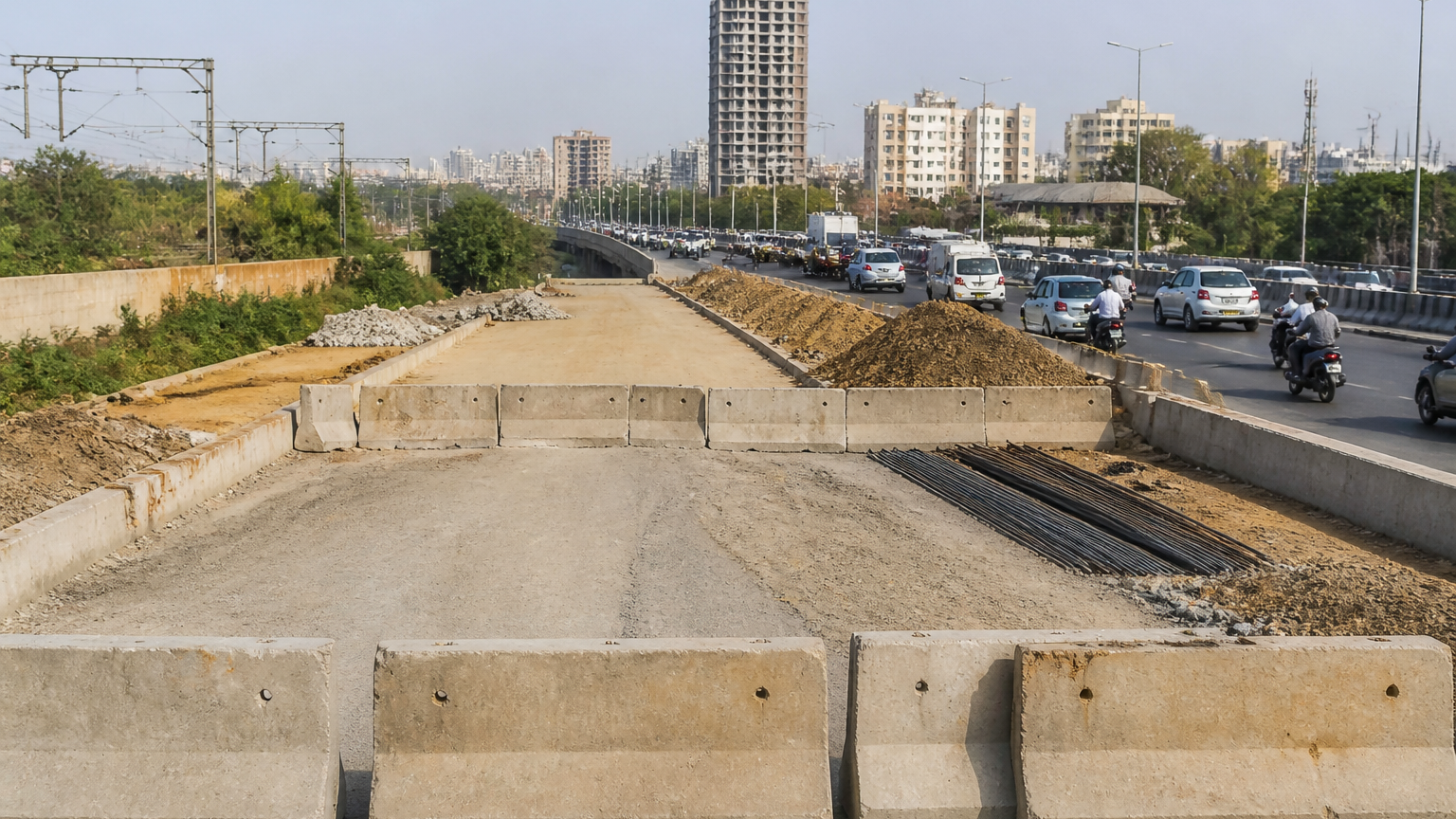
Karachi Link Road Work Halted Over KCR Land Dispute
Karachi’s Natha Khan Link Road promised faster commutes, but a land dispute between KMC and Pakistan Railways now clouds its opening.

DrivePK Sell It For Me: Let Us Handle Your Car Sale
Selling your car in Pakistan is time-consuming. Before using DrivePK’s Sell It For Me, verify its process, fees, and handover rules first.
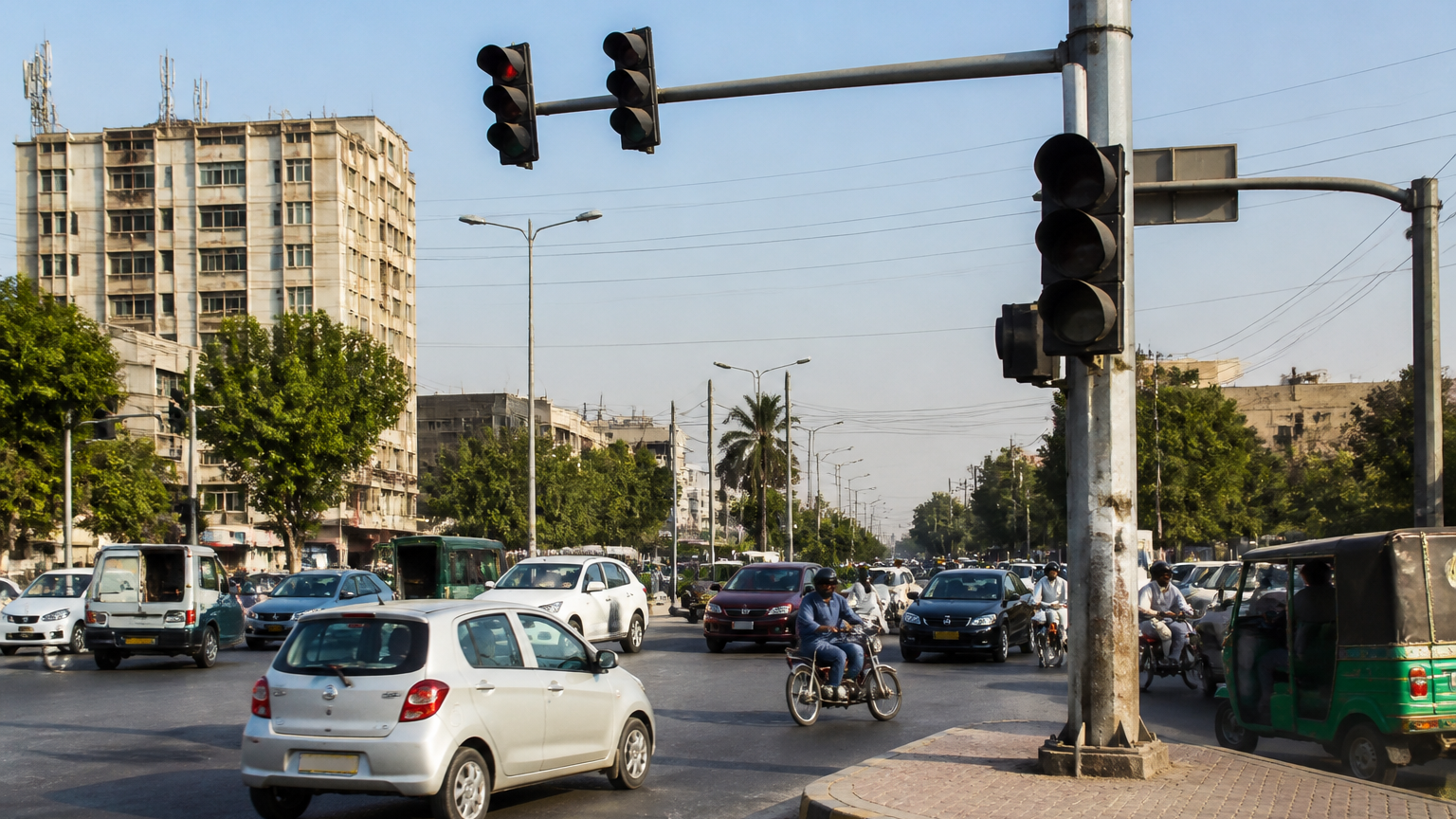
33 Karachi Traffic Signals Fail Amid Cable Theft
Karachi’s traffic chaos deepens: a report says 33 of 94 signals are down, with cable theft blamed—though the figures remain unverified.