Petrol Price Reduced by Rs 4 in Pakistan, New Rates from June 6, 2026
The government has lowered petrol prices again. From June 6, 2026, one litre of petrol will cost Rs 377.78 instead of Rs 381.78. Diesel remains at Rs 380.78. This small relief comes as global oil prices stay steady, but many wonder how much it will actually help common people facing high living costs.
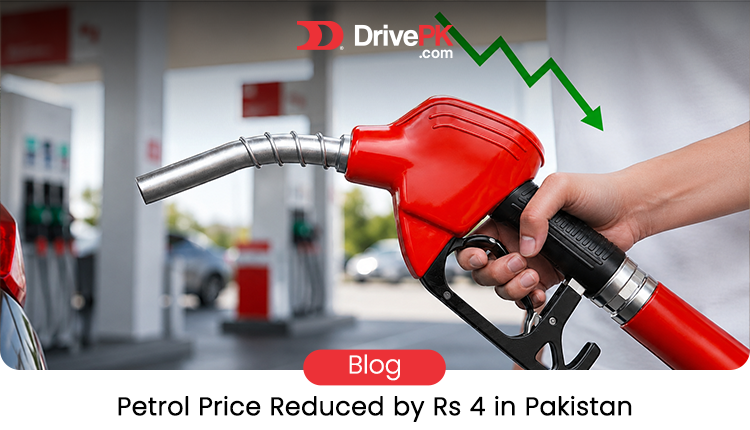
Table of Contents
- Why Did Petrol Prices Drop This Time?
- How Much Will You Actually Save?
- Recent Fuel Price Rollercoaster: Big Hikes vs Small Relief
- Diesel Price Unchanged: Impact on Transport and Inflation
- Recent Trends in Fuel Prices
- Who Benefits Most from This Cut?
- Broader Economic Picture
- What Should You Do as a Consumer?
- Looking Ahead
The federal government reduced the price of petrol by Rs 4 per litre. This brings the new ex-depot rate to Rs 377.78 from Rs 381.78. The change took effect on June 6, 2026. High-speed diesel (HSD) price stayed unchanged at Rs 380.78 per litre.
This marks another small step down after previous reductions. People who drive cars or motorcycles will notice some savings at the pump. But those who rely on buses, trucks, or goods transport might not feel much difference yet.
Why Did Petrol Prices Drop This Time?
Petroleum prices in Pakistan change every two weeks. The Ministry of Energy looks at global oil rates, exchange rates, and other costs before deciding.
In recent weeks, international crude oil prices have remained relatively stable or softened a bit. The rupee also held steady against the dollar. Because of this, the government passed on a modest relief in petrol. Diesel did not get any cut, likely due to different import calculations and demand patterns.
This is the latest in a series of adjustments. Earlier reductions brought prices down from higher levels seen in May 2026. Still, compared to a year ago, rates remain elevated for many households.
How Much Will You Actually Save?
Let's do simple math. If you fill a 20-litre tank for your bike or small car, you save Rs 80 this time. For someone who fills up twice a week, that adds up to around Rs 640 in a month. Not life-changing, but every rupee counts when budgets are tight.
Ride-hailing drivers, delivery boys, and daily commuters on two-wheelers will benefit most directly. Families with cars might see a slight drop in monthly fuel bills. Yet the real impact depends on how much you travel and whether transporters pass on any savings.
Here is the table section you requested:
Recent Fuel Price Rollercoaster: Big Hikes vs Small Relief
Fuel prices in Pakistan have seen sharp ups and downs in 2026. Earlier this year, major increases hit hard due to global oil tensions. Now the government is giving small cuts. Here’s a clear comparison:
| Period | Petrol Price (Rs/Litre) | Change (Rs) | Diesel Price (Rs/Litre) | Change (Rs) | Impact on Common Man |
|---|---|---|---|---|---|
| April 2026 (Major Hike) | Up to 458+ | +42 to +55 | Up to 520+ | +50 to +55 | Heavy burden on transport & daily expenses |
| May 2026 (Further Rise) | 414.78 | +14.92 | 414.58 | +15 | Continued pressure on budgets |
| Late May / Early June | 403.78 → 381.78 | -22 | ~402.78 → 380.78 | -22 | Some relief after big hikes |
| June 6, 2026 (Latest) | 377.78 | -4 | 380.78 | 0 (Unchanged) | Peanut relief – minor savings for bike/car owners |
This table shows how big increases earlier in the year wiped out purchasing power, while recent reductions offer only limited comfort. The latest Rs4 cut in petrol feels small compared to the earlier pain. Diesel staying the same means transport and goods prices may not ease much.
Diesel Price Unchanged: Impact on Transport and Inflation
Diesel powers most of Pakistan's heavy transport – trucks carrying vegetables, wheat, and other goods. Since its price did not change, freight costs are unlikely to fall immediately. This means food prices and other commodities might not get cheaper right away.
Economists note that diesel has a bigger effect on overall inflation. Petrol affects personal vehicles more. With diesel steady, the relief on general price levels stays limited. Transportation costs and supply chain expenses continue to put pressure on the economy.
Recent Trends in Fuel Prices
Fuel prices have gone up and down quite a bit in 2026. In May, there were bigger cuts of around Rs 22 per litre for both petrol and diesel. Before that, prices had climbed due to global factors and local adjustments.
Current rates (effective June 6, 2026):
- Petrol: Rs 377.78 per litre
- High Speed Diesel: Rs 380.78 per litre
These are ex-depot prices. Actual pump prices can vary slightly by location due to dealer margins and provincial taxes.
Over the longer term, prices remain sensitive to international events. Any tension in oil-producing regions or shifts in the dollar-rupee rate can quickly change the picture at home.
Who Benefits Most from This Cut?
- Bike and Car Owners: Direct savings on every fill-up.
- Urban Commuters: Slightly lower costs for taxis or apps like Careem and Uber if operators adjust fares.
- Middle-Income Families: Some breathing room in monthly budgets strained by food and utility bills.
Farmers and small business owners using diesel generators or machinery might not see immediate help. The agriculture sector and large logistics companies feel the diesel rates more.
Many people I talk to say they want consistent and bigger relief. Small cuts help, but they do not solve the bigger problem of high living expenses.
Broader Economic Picture
Lower fuel prices can support economic activity. They reduce input costs for some industries and improve consumer confidence. Yet experts point out that one small reduction does not shift the overall inflation trend by itself.
Pakistan imports most of its oil. Global prices, taxes (including petroleum levy), and rupee stability play major roles. The government has to balance relief for citizens with the need to manage fiscal deficits and debt.
Recent months showed a mix of increases and cuts. This latest move continues a downward trend in petrol, which offers some comfort after tougher periods.
What Should You Do as a Consumer?
- Check local pump prices when you refuel. They should reflect the new rate from June 6.
- Plan your travel efficiently. Combine trips and maintain your vehicle for better mileage.
- Keep an eye on the next price review in two weeks. Trends can shift quickly.
- For businesses, review logistics costs. Even small changes add up over time.
If you drive a lot, consider tracking your fuel expenses for a month. It gives a clear picture of how these adjustments affect your wallet.
Looking Ahead
Global oil markets remain unpredictable. Geopolitical issues, production decisions by major suppliers, and demand from big economies all matter. Here in Pakistan, the rupee's strength and government policy on taxes will decide future prices.
Many hope for more meaningful relief in coming reviews. At the same time, long-term solutions like better public transport, local energy sources, and careful economic planning can reduce dependence on imported fuel.
This Rs 4 cut brings modest good news for motorists. It shows the government is watching global trends and passing on some benefits. But with diesel unchanged, the full impact on daily life and the economy stays measured.
Fuel prices touch almost every part of life – from the rickshaw driver starting his day to the family buying groceries. Small changes matter, yet people want stability and real relief that lasts.
Stay informed. The next fortnightly review will come soon. Until then, make the most of whatever savings you get at the pump.For more updates, visit DrivePK.com
Tags
Share this article
About the Author

Najeeb Khan
Automotive enthusiast and writer
Comments (0)
Login Required
You need to be logged in to comment on this article.
No comments yet. Be the first to share your thoughts!
Related Articles
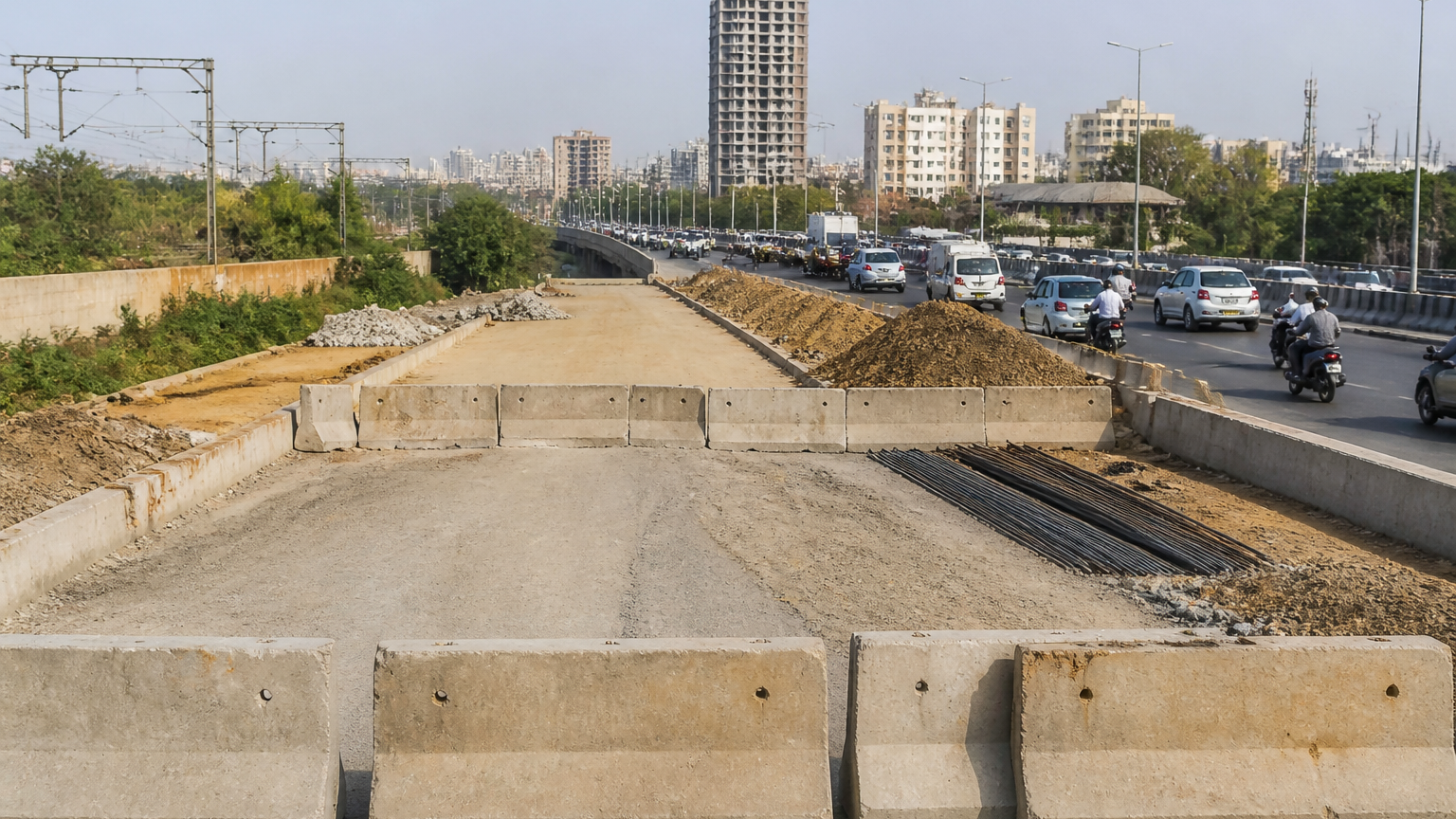
Karachi Link Road Work Halted Over KCR Land Dispute
Karachi’s Natha Khan Link Road promised faster commutes, but a land dispute between KMC and Pakistan Railways now clouds its opening.

DrivePK Sell It For Me: Let Us Handle Your Car Sale
Selling your car in Pakistan is time-consuming. Before using DrivePK’s Sell It For Me, verify its process, fees, and handover rules first.
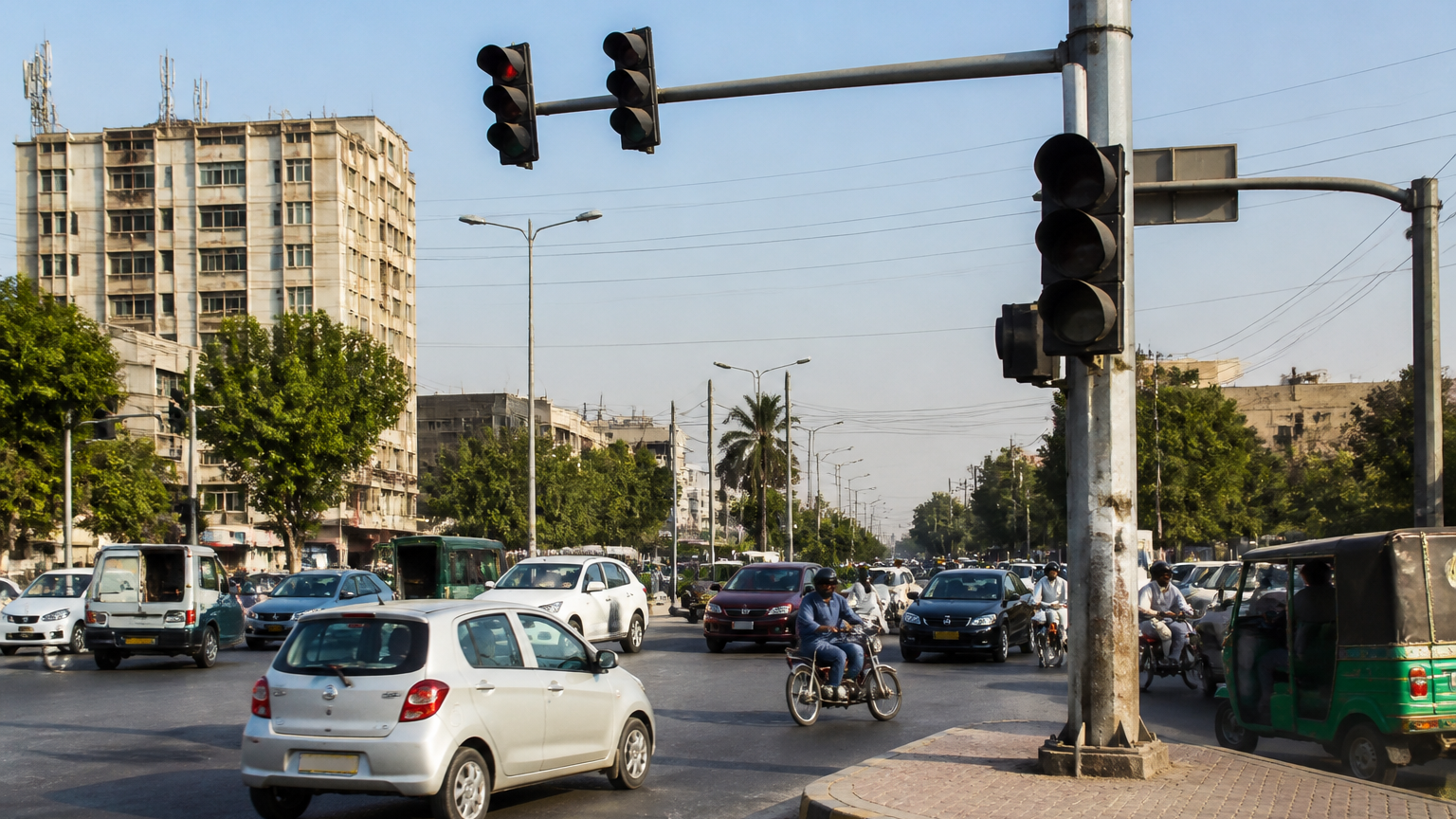
33 Karachi Traffic Signals Fail Amid Cable Theft
Karachi’s traffic chaos deepens: a report says 33 of 94 signals are down, with cable theft blamed—though the figures remain unverified.