Pakistan Global EV Expo 2026 (PGEE): 10 Mind-Blowing FAQs
Discover why Pakistan Global EV Expo 2026 (PGEE) became the historic turning point for electric vehicles in Pakistan. This ultimate FAQ reveals top EV motorcycle brands like Horwin and Jolta, lithium battery giants, charging infrastructure pioneers, and government support. Learn how PGEE 2026 is accelerating Pakistan’s green transportation revolution today.
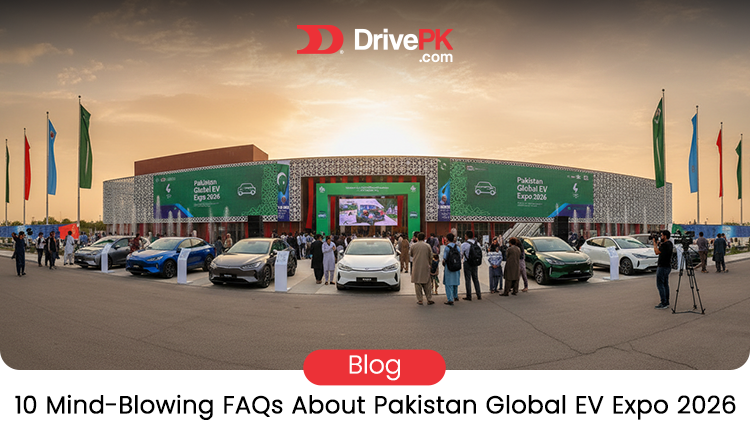
Table of Contents
- 1. Why was Pakistan Global EV Expo 2026 considered a historic moment for Pakistan’s EV industry?
- 2. Which major brands dominated PGEE 2026?
- 3. Which electric motorcycle brands attracted the most attention?
- 4. Which companies are building Pakistan’s EV charging infrastructure?
- 5. Which exhibitors surprised visitors the most at the expo?
- 6. How is the Government of Pakistan supporting EV adoption?
- 7. What role do trade and industry organisations play in EV growth?
- 8. Why are universities and research institutions important for the EV ecosystem?
- 9. What challenges still exist for EV adoption in Pakistan?
- 10. Is Pakistan truly ready for an electric vehicle revolution?
- Conclusion:
Step into the Pak-China Friendship Centre in Islamabad on 2–3 May 2026, and you immediately hear the low hum of electric motors, the glow of LED-lit booths, and thousands of people from every corner of Pakistan walking around with wide eyes and excited whispers.
The Pakistan Global EV Expo 2026 (PGEE) wasn’t just another trade show. It was the country’s first full-scale, dedicated electric mobility festival with 100+ exhibitors, over 25 major brands, government bodies, universities, and investors all under one roof. Organised by DrivePK and Eventy.pk, PGEE 2026 turned Pakistan’s electric vehicle dream into something you could touch, test-ride, and believe in.
From lithium battery giants to sleek electric motorcycles and the very first glimpses of nationwide charging networks, the expo proved one thing: Pakistan’s EV revolution isn’t coming; it has already started. Here are the 10 mind-blowing questions everyone is still asking.
1. Why was Pakistan Global EV Expo 2026 considered a historic moment for Pakistan’s EV industry?
Because it brought the entire ecosystem together for the very first time.
Over 25 leading brands, institutions, and organisations didn’t just exhibit, they built a living, breathing picture of Pakistan’s electric future. Battery makers stood shoulder-to-shoulder with motorcycle brands, charging companies, policymakers, and university researchers. For the first time, visitors could walk from a lithium battery stall straight to a test-ride zone and then to a government desk explaining tax incentives.
PGEE 2026 wasn’t about isolated products; it was about an entire industry announcing its arrival. In a country where motorcycles outnumber cars 3-to-1 and fuel prices keep climbing, this expo marked the moment Pakistan officially joined the global electric mobility race. The energy in the halls was electric in every sense, and the message was clear: the transition has begun.
2. Which major brands dominated PGEE 2026?
The Diamond Sponsors stole the spotlight and for good reason.
- ACM Group of Industries,
- Fujika Lithium Batteries,
- Osaka Lithium Batteries,
- Saga Lithium Batteries,
and
Volta Lithium Batteries didn’t just sponsor the event; they powered it. These five names became the backbone of the entire expo.
ACM brought heavyweight industrial credibility, proving that Pakistan’s established manufacturing giants are fully behind EVs. Fujika was impressed with Japanese-origin engineering and ultra-long-life cells. Osaka showed scalable solutions for everything from bikes to cars, while Saga made quality lithium batteries genuinely affordable for everyday riders. Volta, already a household name in lithium tech, proved why trust matters when you’re swapping petrol for electrons.
Their Diamond sponsorship wasn’t marketing fluff; it was a loud declaration that reliable, locally supported battery technology is now ready to fuel Pakistan’s EV market at scale.
3. Which electric motorcycle brands attracted the most attention?
Three names had crowds lining up for test rides: Horwin, Vlektra Electric Motorcycles, and Jolta Electric.
Horwin (Gold Sponsor) brought futuristic styling and performance that turned heads, perfect for young urban riders tired of noisy, expensive petrol bikes. Vlektra, the proud homegrown hero (Bronze Sponsor), stunned visitors with bikes built specifically for Pakistani roads, budgets, and riding conditions, including the jaw-dropping Bolt model that hit 0-100 km/h in seconds.
Jolta Electric, already a familiar sight on Pakistan’s streets, turned its booth into a celebration. Riders swapped stories while new customers asked about service networks. These three brands together proved that EV motorcycles in Pakistan are no longer a novelty; they’re practical, stylish, and ready to replace millions of petrol two-wheelers.
4. Which companies are building Pakistan’s EV charging infrastructure?
Orbit, Zvolta, and Zentiq Energy emerged as the unsung heroes of the expo.
Orbit wowed visitors with both home-friendly AC chargers and powerful DC fast chargers, directly answering the question every potential EV buyer asks: “Where do I charge?” Zvolta brought fresh energy and investor interest, while Zentiq Energy showcased smart energy storage and management systems that will keep the grid stable as more EVs hit the road.
Why does this matter so much? Because charging infrastructure is the single biggest barrier to EV adoption in Pakistan. Without reliable public and home charging, range anxiety wins. These companies didn’t just display hardware; they showed Pakistan how the entire energy ecosystem can evolve together.
5. Which exhibitors surprised visitors the most at the expo?
Nova Mobility and SBEEC created the biggest “wow” moments.
Nova Mobility’s booth became a magnet. Their customer-first approach, sleek designs, and passionate team kept people lingering long after they planned to leave. Visitors kept coming back, phones out, questions flying.
SBEEC, representing digital energy transformation, gave everyone a glimpse into smarter, connected grids and efficient energy systems that EVs will need. Their technology felt straight out of a sci-fi movie, yet perfectly suited for Pakistan’s growing cities.
Both brands proved that innovation isn’t only coming from giants, but smart local and regional players are already shaping the future of sustainable mobility in Pakistan.
6. How is the Government of Pakistan supporting EV adoption?
The government didn’t just send observers; it showed up with real policy muscle.
Through the New Energy Vehicle Policy and the Pakistan Accelerated Vehicle Electrification (PAVE) scheme, authorities have committed billions in subsidies (Rs 100.36 billion over five years) for electric bikes, rickshaws, cars, and more. NEECA (National Energy Efficiency & Conservation Authority) is streamlining regulations, while tax incentives and reduced import duties on qualifying EVs are already making electric options cheaper than ever.
At PGEE 2026, government representatives joined panel discussions and answered buyer questions directly. The message was unmistakable: Pakistan is serious about hitting 30% EV sales by 2030. Policy and products finally met on the same floor.
7. What role do trade and industry organisations play in EV growth?
They’re the bridge builders, and PGEE 2026 put them centre stage.
PCJCCI (Pakistan-China Joint Chamber of Commerce & Industry) facilitated crucial technology transfer and collaboration with Chinese EV leaders. The Gujranwala Chamber of Commerce highlighted local manufacturing opportunities, while PIBTIC and PCMIC focused on business incubation and helping the traditional motorcycle industry transition to electric.
These organisations turned PGEE into more than an expo; it became a powerful networking hub that connected Pakistani entrepreneurs with global know-how. The Pakistan-China collaboration in EV technology was on full display and will likely define the next decade of green transportation in the country.
8. Why are universities and research institutions important for the EV ecosystem?
Because talent and research are what turn ideas into reality.
The National Institute of Electronics, Islamabad, brought technical credibility and cutting-edge engineering insights. The University of Lahore inspired the next generation of EV engineers, with students crowding their booth, dreaming of careers in battery tech and motor design. PakEvo.com served as the knowledge hub, offering reviews, data, and community connections that every enthusiast needed.
PGEE 2026 proved that Pakistan’s EV revolution isn’t just about products, it’s about people. These institutions are building the skilled workforce and local R&D capability that will keep the industry growing for decades.
9. What challenges still exist for EV adoption in Pakistan?
The expo was honest about the road ahead.
Charging infrastructure gaps remain, especially outside major cities. Battery costs (even with local lithium battery companies in Pakistan stepping up) still feel high for many families. Consumer awareness is growing fast in urban areas, but lags in rural Pakistan. Range anxiety and after-sales service networks need rapid expansion.
Yet every challenge had a solution on display at PGEE 2026, from faster chargers to affordable battery packs and government subsidies. The difference now? Pakistan finally has the ecosystem, the will, and the momentum to solve them.
10. Is Pakistan truly ready for an electric vehicle revolution?
Yes, and PGEE 2026 proved it beyond doubt.
From Diamond Sponsors funding battery innovation to young riders test-driving their first electric motorcycle, from government policy hitting the ground to universities training the next generation of engineers, every piece of the puzzle was there.
The Pakistan EV market is no longer experimental. It’s real, it’s growing, and it’s being built by Pakistanis for Pakistanis. The expo wasn’t the finish line; it was the starting gun. Cleaner air, lower running costs, energy independence, and thousands of new green jobs are no longer distant dreams; they're already in motion.
Conclusion:
The Pakistan Global EV Expo 2026 didn’t just showcase electric vehicles; it showcased a new Pakistan. One that is moving away from imported fuel and noisy engines toward clean, smart, and proudly local electric mobility.
Whether you’re a motorcycle rider tired of petrol prices, an investor looking at the next big opportunity, a student dreaming of EV engineering, or simply someone who wants cleaner air for your children, PGEE 2026 sent one powerful message: the revolution is here, and it’s accelerating.
The future of electric vehicles in Pakistan isn’t coming in 2030. It started on 2 to 3 May 2026 in Islamabad, and every rider, buyer, and dreamer who walked through those doors became part of it. For more updates, visit DrivePK.com
Tags
Share this article
About the Author

Najeeb Khan
Automotive enthusiast and writer
Comments (0)
Login Required
You need to be logged in to comment on this article.
No comments yet. Be the first to share your thoughts!
Related Articles
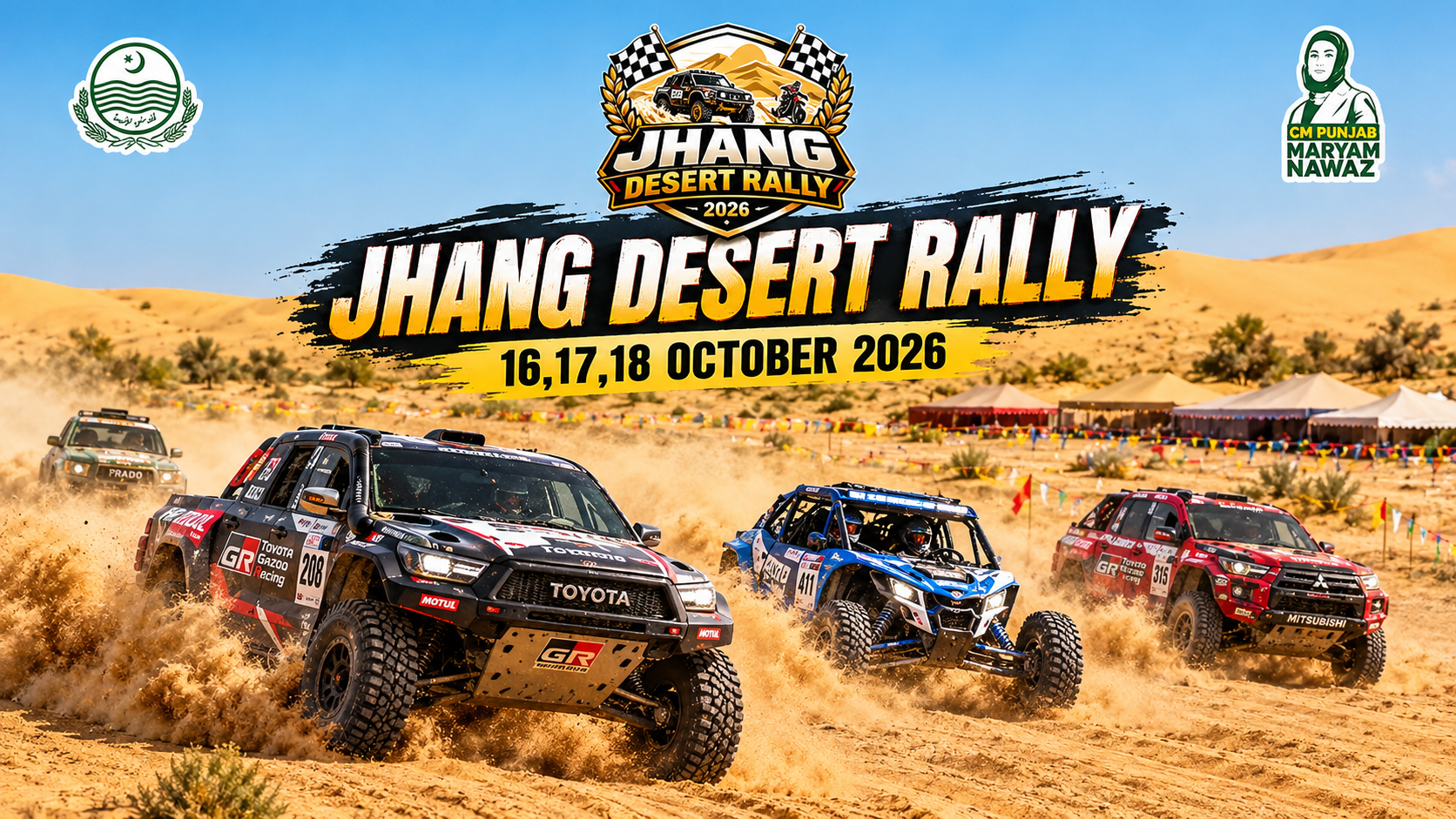
Jhang Desert Rally 2026 Set for October 16–18
Jhang may host its first desert rally and cultural festival Oct 16–18, 2026, featuring a 95km Thal Desert course and 100 racers.
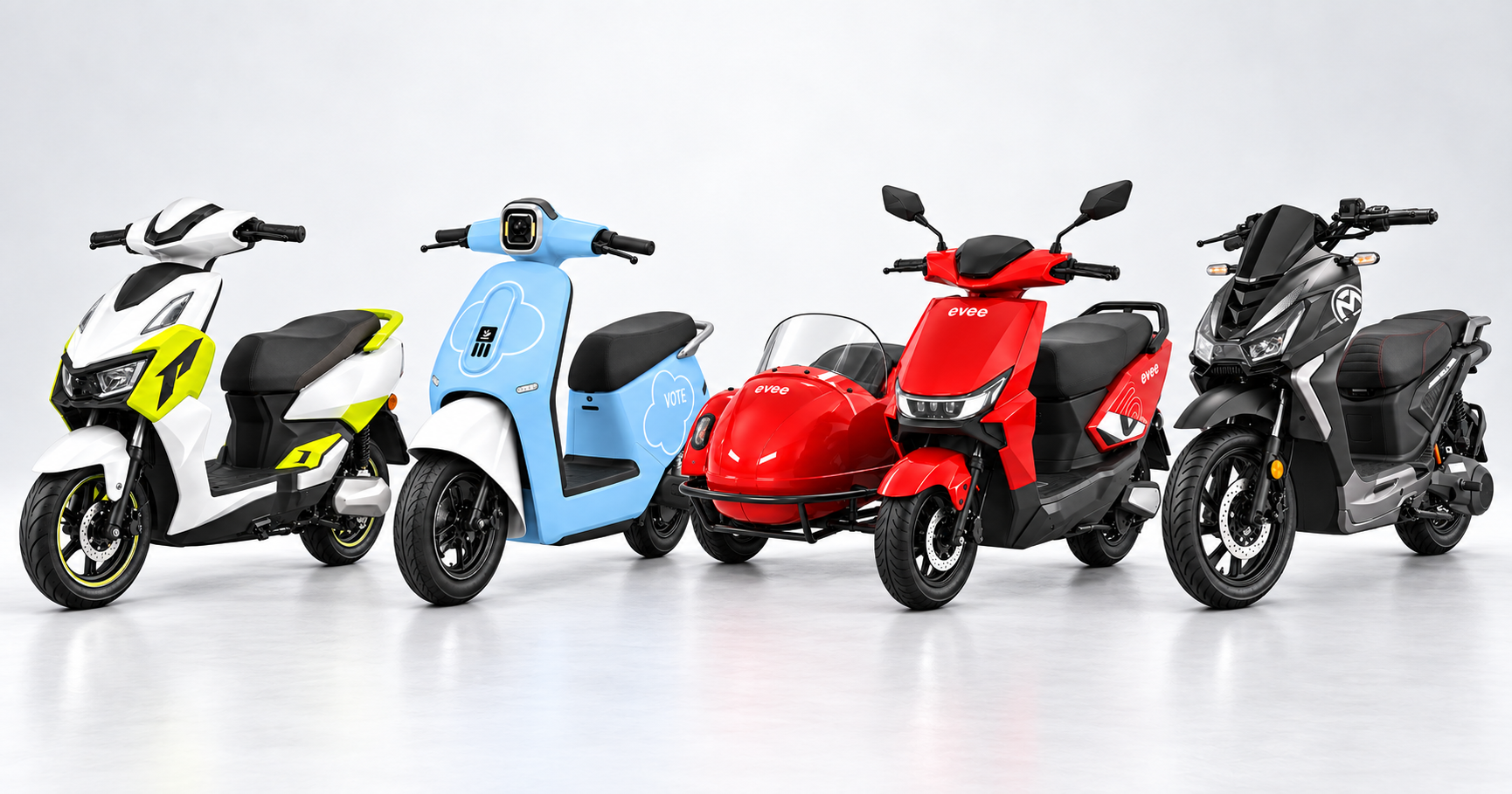
New Electric Scooters at PAPS 2026: Prices, Range & Specs
PAPS 2026 brought 14 new electric scooters from OKLA and EcoDost, with prices from Rs 199,000 to Rs 699,000. This guide lists every model with motor, battery, speed and claimed range, then shows what real riders should expect, what running costs look like and what to check before you book.
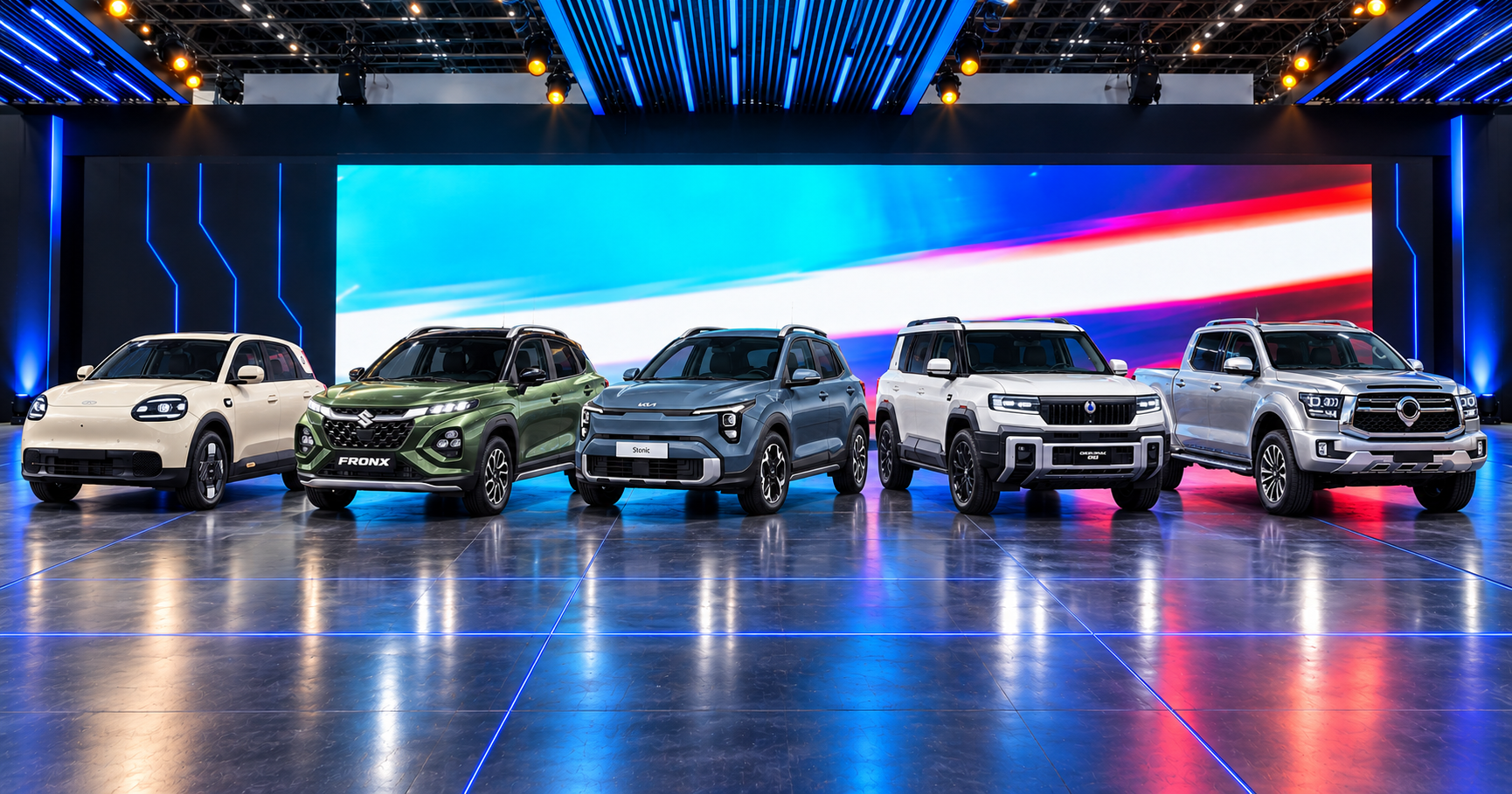
PAPS 2026: New Vehicle Launches & Reveals at Pakistan Auto Show
PAPS 2026 in Lahore brought new car reveals from Chery, Suzuki, Haval, Kia, Hyundai, Jaecoo, BYD and GWM. Here's every model shown, with confirmed prices where available and full specs for the rest.