Pakistan High-Octane Petrol Price Hike: HOBC Levy Up Rs200 to Rs300
The government has hiked the levy on high-octane petrol by Rs200 per litre, pushing HOBC prices above Rs530. Regular petrol and diesel stay the same. This targets luxury car owners and is expected to generate Rs9 billion monthly for public relief amid oil supply concerns.
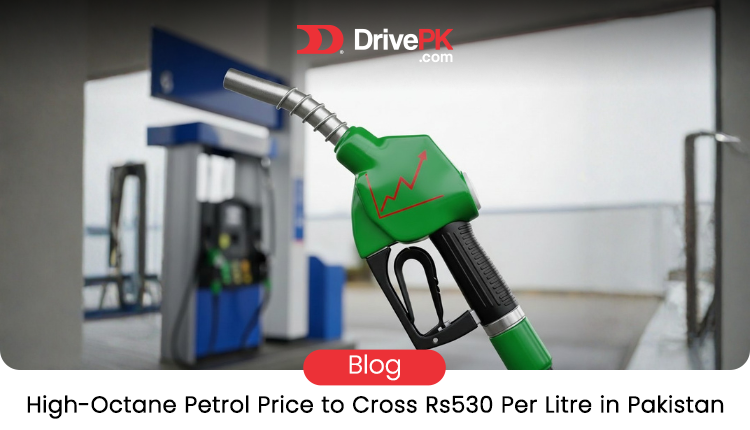
Table of Contents
- Why the government raised the high-octane levy now
- What the new high-octane petrol price means for Pakistan
- Fuel-saving steps the government wants you to take
- How does this fit the bigger picture of petrol prices in Pakistan
- Who does this high-octane price hike really affect?
- What comes next for fuel costs in Pakistan
The government of Pakistan just raised the levy on high-octane petrol by Rs200 per litre. This takes the total levy to Rs300 per litre. As a result, high-octane fuel prices are set to climb from around Rs330 to more than Rs530 per litre. The change kicked in from midnight, and it applies right away.
Prime Minister Shehbaz Sharif made this call during a high-level meeting. The aim is simple. It puts more of the fuel cost on people who drive luxury cars. Most folks who use regular petrol or diesel will see no change in their prices. That part matters because everyday drivers and public transport stay protected.
High-octane petrol, also known as HOBC (high-octane blending component), is used in high-performance, high-cost vehicles. Not many Pakistanis fill up with it. The government sees this as a fair way to ease economic pressure without hitting the majority.
Why the government raised the high-octane levy now
Pakistan faces tight oil supply issues these days. Tensions around the Strait of Hormuz have made imports costlier and less certain. Instead of spreading the burden across all fuel types, the leadership chose to target the premium segment.
This move brings in about Rs9 billion extra each month. The money will go toward public relief programs. Think subsidies or support for those who need it most. No new taxes on regular petrol or diesel. No jump in bus fares or air travel costs either.
And the Prime Minister went a step further. He banned high-octane fuel in all government vehicles. Officials who still want to use it will pay out of their own pocket. That sends a clear message about responsible spending at the top.
What the new high-octane petrol price means for Pakistan
At the pump, high-octane now costs over Rs530 per litre in most places. Exact rates can differ slightly because high-octane sits outside OGRA regulation. Oil companies set their own margins here. Still, the big jump comes straight from the higher levy.
For luxury car owners, the monthly fuel bill rises fast. Someone who drives 1,000 kilometres a month on high-octane could see hundreds of extra rupees. But for the average Pakistani filling regular petrol at around Rs321 per litre, life stays the same.
This split approach matters. It keeps inflation in check for the masses while asking wealthier users to chip in more. The government hopes the extra revenue will ease pressure on the budget and help fund relief for ordinary families.
Fuel-saving steps the government wants you to take
The announcement also reminded citizens to watch their fuel use. Supply worries linger, so small habits can help everyone.
Here is what works in real life:
- Keep tyre pressure right. Under-inflated tyres waste fuel.
- Avoid sudden braking and fast acceleration.
- Turn off the engine at long signals instead of idling.
- Combine errands so you make fewer trips.
- Service your car on time. A clean air filter and fresh oil improve mileage.
These tips cost nothing yet add up. Many drivers already follow them during past price hikes. They can stretch your tank further, whether you use regular petrol or not.
How does this fit the bigger picture of petrol prices in Pakistan
Pakistan adjusts fuel prices often because of global oil rates and the rupee’s value. Earlier this month, regular petrol and diesel went up by about Rs 55 per litre. That pushed regular petrol above Rs320. The latest high-octane change keeps the focus narrow.
No broad price shock this time. Regular fuels stay steady for now. That protects daily commuters, rickshaw drivers, and truckers who move goods across the country. Public transport fares and flight tickets hold firm too.
Still, everyone watches the global situation. If oil supply tightens further, further reviews may come. For the moment, the government drew a clear line. Luxury users pay more. Everyone else gets breathing room.
Who does this high-octane price hike really affect?
Most Pakistanis will not notice the difference at the pump. High-octane buyers usually own imported cars or sports models. These drivers form a small but visible group in big cities like Karachi, Lahore, and Islamabad.
The government calculated the numbers carefully. The Rs9 billion monthly saving comes almost entirely from this slice of the market. It shows a targeted policy. Instead of raising prices across the board and sparking public anger, they chose precision.
Critics may call it unfair to luxury owners. Supporters say it is fair because those who can afford premium cars can handle the extra cost. Either way, the decision is done, and prices have shifted.
What comes next for fuel costs in Pakistan
The government says it will keep monitoring the situation. Relief from the new revenue should start showing up soon in public programs. People can expect updates on how the Rs9 billion gets spent each month.
In the meantime, stay informed. Check local petrol pumps for exact high-octane rates because they vary. Apps and news sites track regular petrol prices in Pakistan daily, so you can plan ahead.
Fuel prices always spark debate in Pakistan. This time, the conversation centres on who pays what. The high-octane levy hike tries to balance the books without hurting the many. It targets the few who choose premium fuel and redirects the gain toward wider relief.
If you drive a regular car, your costs stay put for now. If you use high-octane, factor in the new reality. Either way, smart driving habits help everyone stretch their fuel budget further. The road ahead looks steadier for most Pakistanis because of this careful step. For more updates, visit DrivePK.com
Tags
Share this article
About the Author

Najeeb Khan
Automotive enthusiast and writer
Comments (0)
Login Required
You need to be logged in to comment on this article.
No comments yet. Be the first to share your thoughts!
Related Articles
Jetour T2 Facelift Gets 173 km EV Range in China
Jetour’s T2 facelift brings sharper looks, smarter tech and up to 173km electric range—but Pakistan launch, specs and pricing remain unconfirmed.
Honda HR-V Price Cut Up to Rs. 10.7 Lakh in Pakistan
Honda reportedly cuts HR-V prices in Pakistan by up to Rs. 10.7 lakh from Sept 25, 2026—but confirm the limited-time deal with a dealer.
Pakistan Fuel Levy: How It Raises Inflation Pressure
A fuel levy can ripple through Pakistan’s economy, raising travel, delivery and everyday costs—fueling inflation far beyond the petrol pump for families.