Pakistan Railways Digital Upgrade: Modernizing Tracks and Stations by 2026
Pakistan Railways has kicked off a big push to modernize its network. This isn't just talk, it's a real plan with clear steps. The project, called...
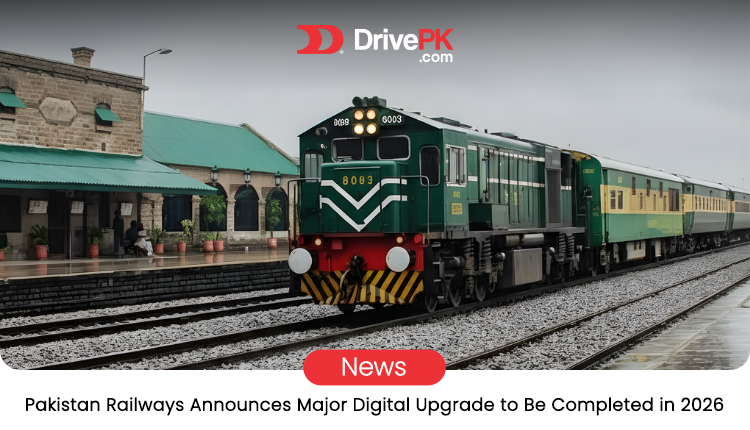
Table of Contents
- What's in the Upgrade?
- How It Gets Funded and When It Happens
- Why This Matters for Safety and Efficiency
- Building on Rawalpindi's Success
- Challenges Ahead
- Looking Forward
Pakistan Railways has kicked off a big push to modernize its network. This isn't just talk, it's a real plan with clear steps. The project, called the Railway Advanced Infrastructure Network, focuses on bringing tech to tracks and stations across the country. Phase I should wrap up by June 2026. And it's all paid for with the railway's own money, no outside loans needed.
Think about the last time you waited for a delayed train. Or worried about safety on a long trip. This upgrade aims to fix those issues head-on. It builds on what works, like the model at Rawalpindi station, and spreads it out.
What's in the Upgrade?
The project covers a lot of ground. First up is GPS tracking for every train and locomotive. That means real-time updates on where things are. No more guessing when your ride will show up. Staff can spot problems early and keep things moving.
Then there's high-speed internet at key stations. Passengers can check emails or stream shows while waiting. But it's not just for fun, it helps with ticketing and info boards too.
Smart and secure stations are a big part. Major cities will get setups based on Rawalpindi's design. These include better lighting, cameras, and easy access points. The goal is to make stations feel safe and modern, not outdated.
Another key part is fiberizing 1,700 kilometers of the ML1 route. That's the main line from Karachi to Peshawar. Fiber optics means faster data flow. It supports all the new tech without glitches.
Command and control centers come next. One at Lahore headquarters, plus others at divisional offices. These hubs will monitor everything from one spot. Like a nerve center for the whole system.
How It Gets Funded and When It Happens
Pakistan Railways is using its own revenue for this. That's smart, it keeps control in-house and avoids debt. The timeline is tight but doable. Phase I ends in mid-2026, setting up for more phases later.
Minister Hanif Abbasi shared the details. He pointed out how these changes will cut delays. Trains run on time more often. Accidents drop because of better tracking and quick responses.
But it's not all about operations. Passengers win too. Smoother rides, safer trips, and nicer stations make travel less of a hassle.
Why This Matters for Safety and Efficiency
Railways in Pakistan have faced challenges. Old systems lead to mix-ups and risks. This digital shift changes that. GPS spots issues like track problems or slow spots right away. Control centers can reroute or alert crews fast.
Accidents have been a worry. Better tech means fewer human errors. Think automated signals and real-time data. It's like giving the railway a smart brain.
Efficiency jumps up, too. Less downtime for trains. More reliable schedules. That attracts more riders, which in turn generates more revenue. It's a cycle that helps the railway grow.
For passengers, it's about the experience. Fast internet kills boredom. Secure stations ease worries. And knowing your train is tracked builds trust.
Building on Rawalpindi's Success
Rawalpindi station sets the bar. It's already got some smart features. Clean layouts, good security, and tech touches. Now, that's rolling out to Lahore, Karachi, and other big spots.
Fiber on ML1 ties it all together. Data zips along without lag. That supports apps for booking or updates on the go.
Control centers in Lahore and divisions mean decisions happen quickly, with no waiting for calls or papers. Everything's digital and connected.
Challenges Ahead
No project is perfect. Rolling this out nationwide takes coordination. Training staff on new tech is key. And keeping it all secure from hacks matters.
But the minister sounds confident. He stressed how this boosts the whole system. Fewer delays mean happier users. Safer tracks save lives.
Looking Forward
This upgrade puts Pakistan Railways on a new path. By 2026, Phase I will deliver real changes. GPS, internet, smart stations, it's all there.
And it doesn't stop. Future phases could add more. Like app-based ticketing or AI for maintenance.
For now, it's about getting the basics right. Modern tech meets old tracks. The result? A railway that's ready for tomorrow.
Travelers notice the difference first. Staff work smarter. The country moves better.
Minister Abbasi nailed it: These steps reduce risks and lift service. It's straightforward progress.
In a world where tech rules, railways can't lag. This project keeps Pakistan connected and safe.
For more updates, visit DrivePK.com
Share this article
About the Author

Najeeb Khan
Automotive enthusiast and writer
Comments (0)
Login Required
You need to be logged in to comment on this article.
No comments yet. Be the first to share your thoughts!
Related Articles
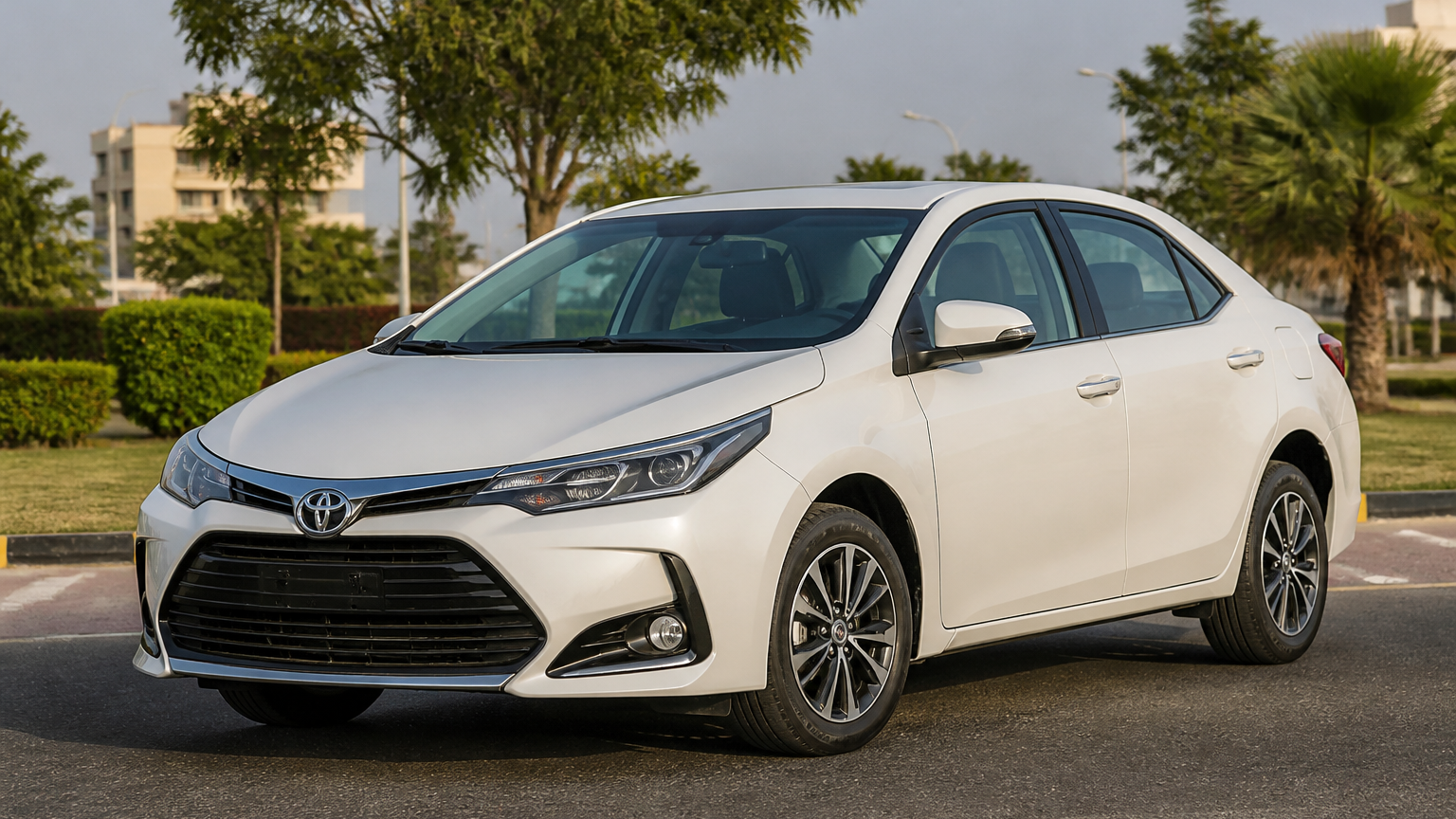
Toyota Corolla Discontinued Before Pakistan Facelift
Pakistan’s pre-facelift Toyota Corolla is reportedly discontinued, hinting at a facelift. Prices, bookings, specs and launch timing remain unconfirmed.
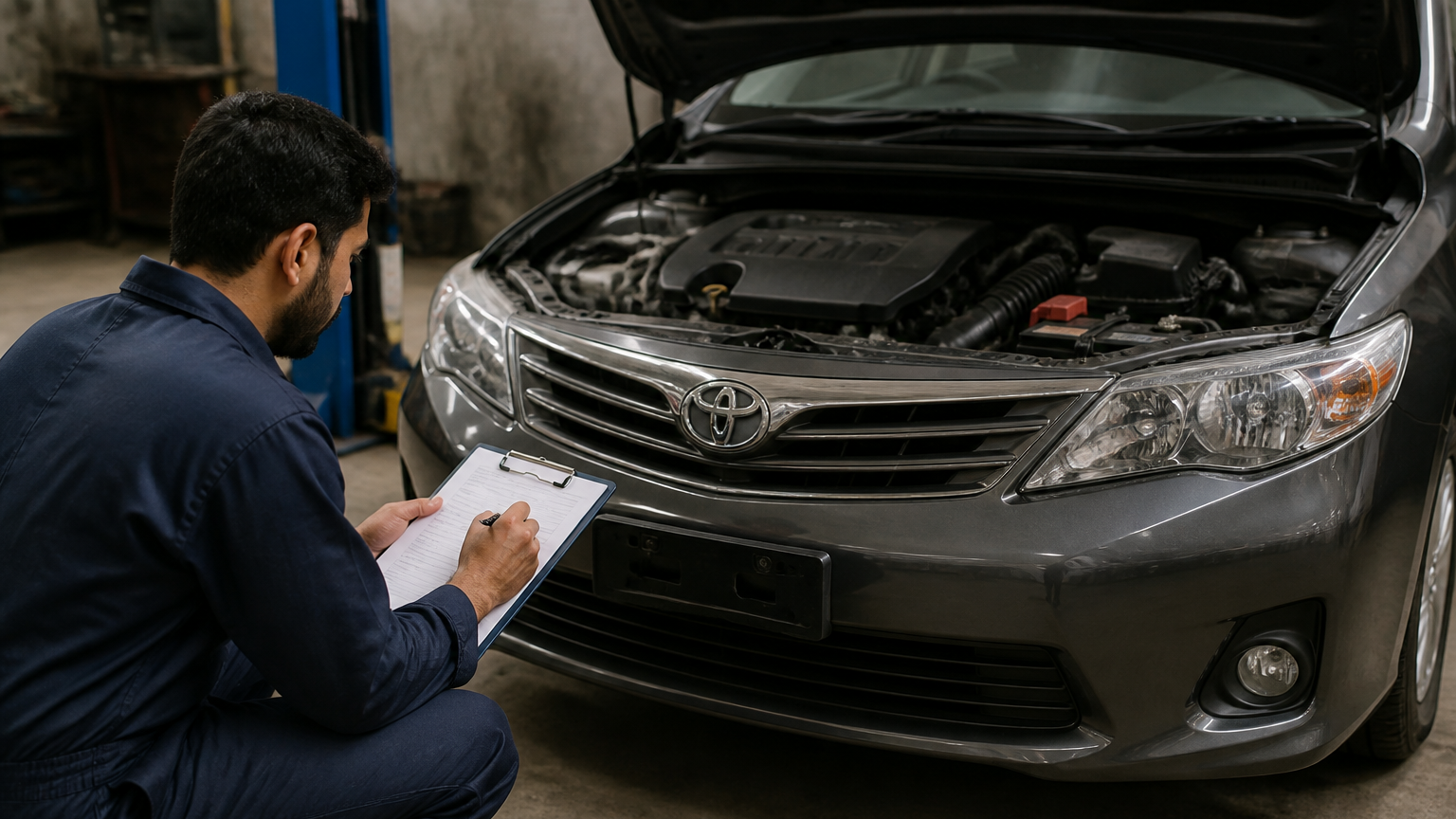
DrivePK Car Inspection Reports: Buy with Confidence
Buying a used car in Pakistan? A pre-purchase inspection can reveal hidden damage, engine issues and red flags before you pay—but it’s not enough alone.
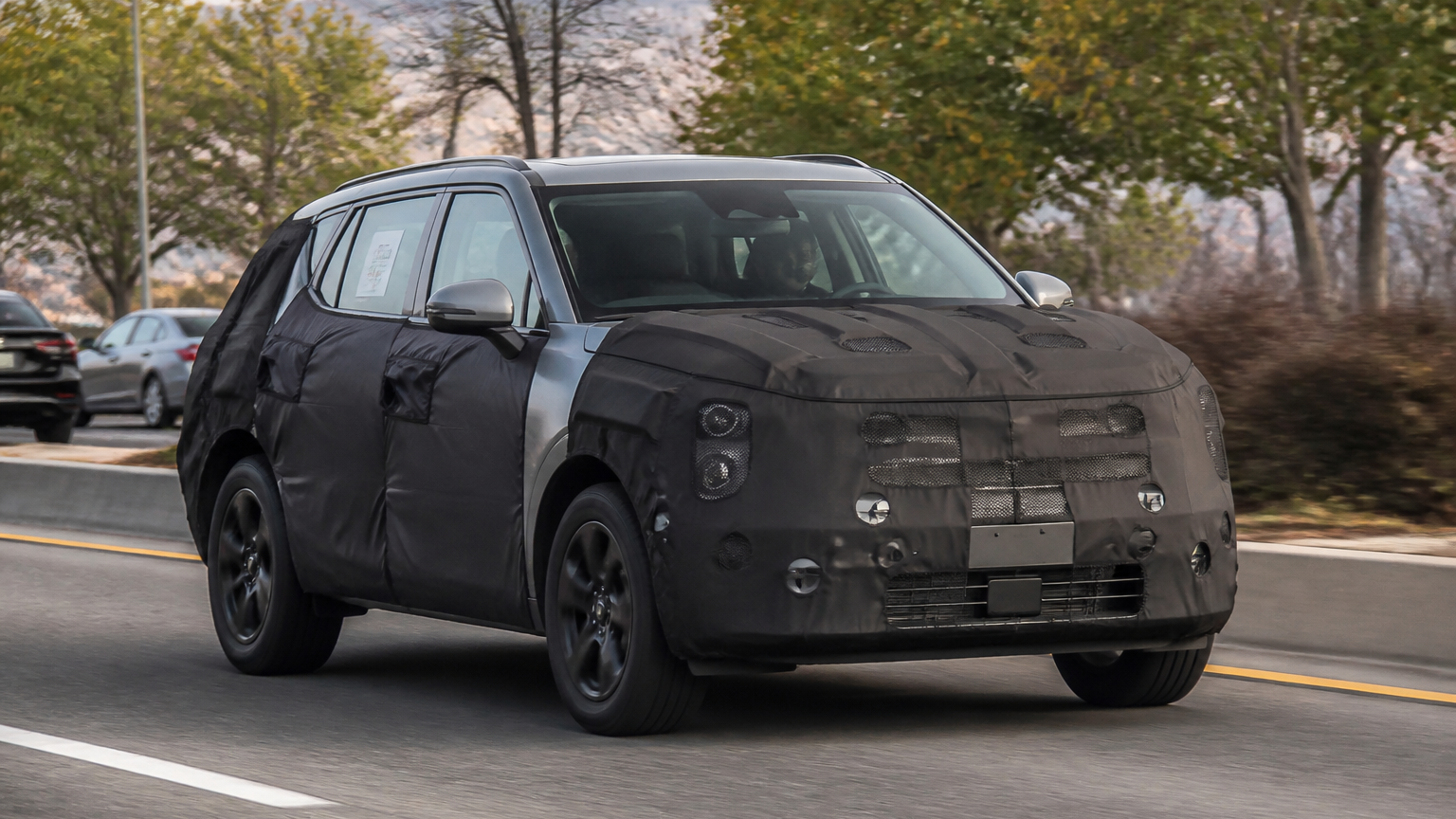
2028 Kia Sportage: Major Design Changes Spotted
Kia’s next Sportage may get a bolder, boxier redesign, with an upright profile, sharper lines, wider grille and split headlights hinted by spy shots.