Pakistan's Auto Financing Hits Rs 328 Billion in January 2026: Signs of Economic Recovery
Pakistan's consumer auto financing rose to Rs 328 billion in January 2026, the highest in nearly three years. Up 2.8% from December 2025, this growth signals improving economic conditions, stable rates, and better consumer confidence amid a recovering automotive sector.
Table of Contents
- Breaking Down the Latest Figures
- Factors Fueling the Growth
- The Bigger Picture: From Slump to Surge
- What This Means for You as a Consumer
- Future Outlook for Pakistan's Auto Financing
Fresh data from the State Bank of Pakistan reveals consumer auto financing climbed to Rs 328 billion in January 2026. That's the highest it's been in almost three years. It points to a slow turnaround in the automotive industry after tough times.
I recall how the sector struggled not long ago. High inflation and a weak rupee made cars feel out of reach for many. But now, things look brighter. This uptick suggests people feel more secure about taking on loans for vehicles.
The numbers come at a good time. With the economy stabilizing, more folks in places like Rawalpindi and Islamabad might think about upgrading their rides. If you're in Punjab, this could mean easier access to financing for that new car or bike.
Breaking Down the Latest Figures
Let's look at the details. In January, auto loans grew 2.8 percent from Rs 319 billion in December 2025. On a year-over-year basis, it's up a solid 35.8 percent from Rs 242 billion in January 2025.
This isn't a one-off. It's the 14th straight month of growth, starting back in October 2024. Before that, financing dropped due to economic pressures.
Here's a quick table of recent trends:
| Month | Amount (Rs Billion) | MoM Change (%) |
|---|---|---|
| Dec 2025 | 319 | - |
| Jan 2026 | 328 | 2.8 |
And over the year:
| Period | Amount (Rs Billion) | YoY Change (%) |
|---|---|---|
| Jan 2025 | 242 | - |
| Jan 2026 | 328 | 35.8 |
These figures show momentum building. The State Bank's cap on loans at Rs 3 million helps middle-income buyers get in the game.
The graph above illustrates the three-year trend, with a dip in mid-2024 and a steady climb since.
Factors Fueling the Growth
Several things drive this rise. Interest rates have held steady, making loans less scary. The rupee isn't swinging as wildly, which helps with import costs for car parts.
Consumer confidence is picking up too. People see the economy improving, so they're more willing to commit to monthly payments. Plus, new model years often spur demand January saw a boost from that.
Despite challenges like high car prices and loan limits, demand stays strong. Banks are lending more, betting on recovery.
For everyday folks, this means better options. If you've eyed a locally assembled SUV or sedan, now might be the moment to check financing deals.
But it's not all smooth. Inflation lingers, and fuel costs add up. Still, the trend suggests easing pressures.
The Bigger Picture: From Slump to Surge
Rewind to 2023-2024. Auto financing peaked then plunged as inflation hit hard and the currency devalued. Purchasing power tanked, and sales slowed.
The turnaround started in late 2024. Economic measures kicked in, stabilizing things. By October 2024, financing began rising again.
This recovery mirrors broader trends. House building loans also grew, up 11 percent year-over-year to Rs 222 billion. It shows consumers borrowing more across the board.
In Pakistan, the auto industry supports jobs and growth. More financing means more sales, which boosts manufacturing and related sectors.
Yet, some worry about debt levels. If rates rise or the economy dips, repayments could strain households.
What This Means for You as a Consumer
If you're thinking about a car loan, timing matters. With growth steady, banks might offer competitive rates. Check your eligibility good credit helps.
Tips: Compare offers from multiple banks. Look at total cost, not just monthly EMI. Factor in insurance and maintenance.
For ride-hailing drivers or small business owners, this could open doors to fleet upgrades.
In areas like Rawalpindi, where traffic is heavy, a reliable vehicle makes a difference. This financing boost might help more people afford one.
But act wisely. Don't overextend. Economic recovery is gradual, not guaranteed.
Future Outlook for Pakistan's Auto Financing
Looking ahead, experts see continued growth if stability holds. The State Bank might tweak policies to encourage more lending.
Watch for interest rate cuts; they could accelerate demand. Currency strength will play a role, too.
The sector faces hurdles like global supply chains and local regulations. But the current trajectory is positive.
Stay informed via SBP updates. If you're in the market, monitor monthly data for trends.
This rise in auto financing signals hope for Pakistan's economy. It's a step toward stronger consumer spending and industrial revival. For more updates, visit DrivePK.com
Tags
Share this article
About the Author

Najeeb Khan
Automotive enthusiast and writer
Comments (0)
Login Required
You need to be logged in to comment on this article.
No comments yet. Be the first to share your thoughts!
Related Articles
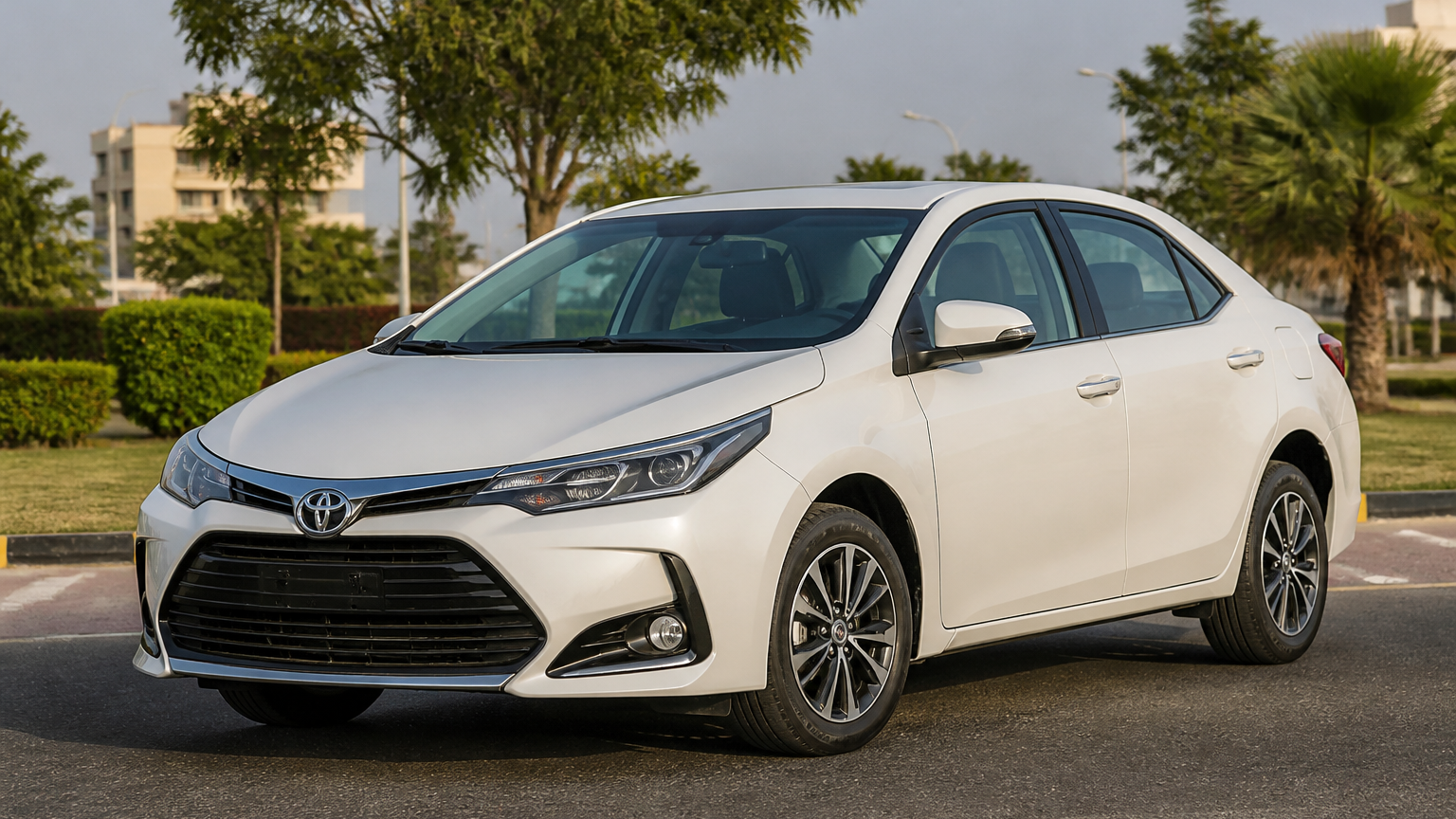
Toyota Corolla Discontinued Before Pakistan Facelift
Pakistan’s pre-facelift Toyota Corolla is reportedly discontinued, hinting at a facelift. Prices, bookings, specs and launch timing remain unconfirmed.
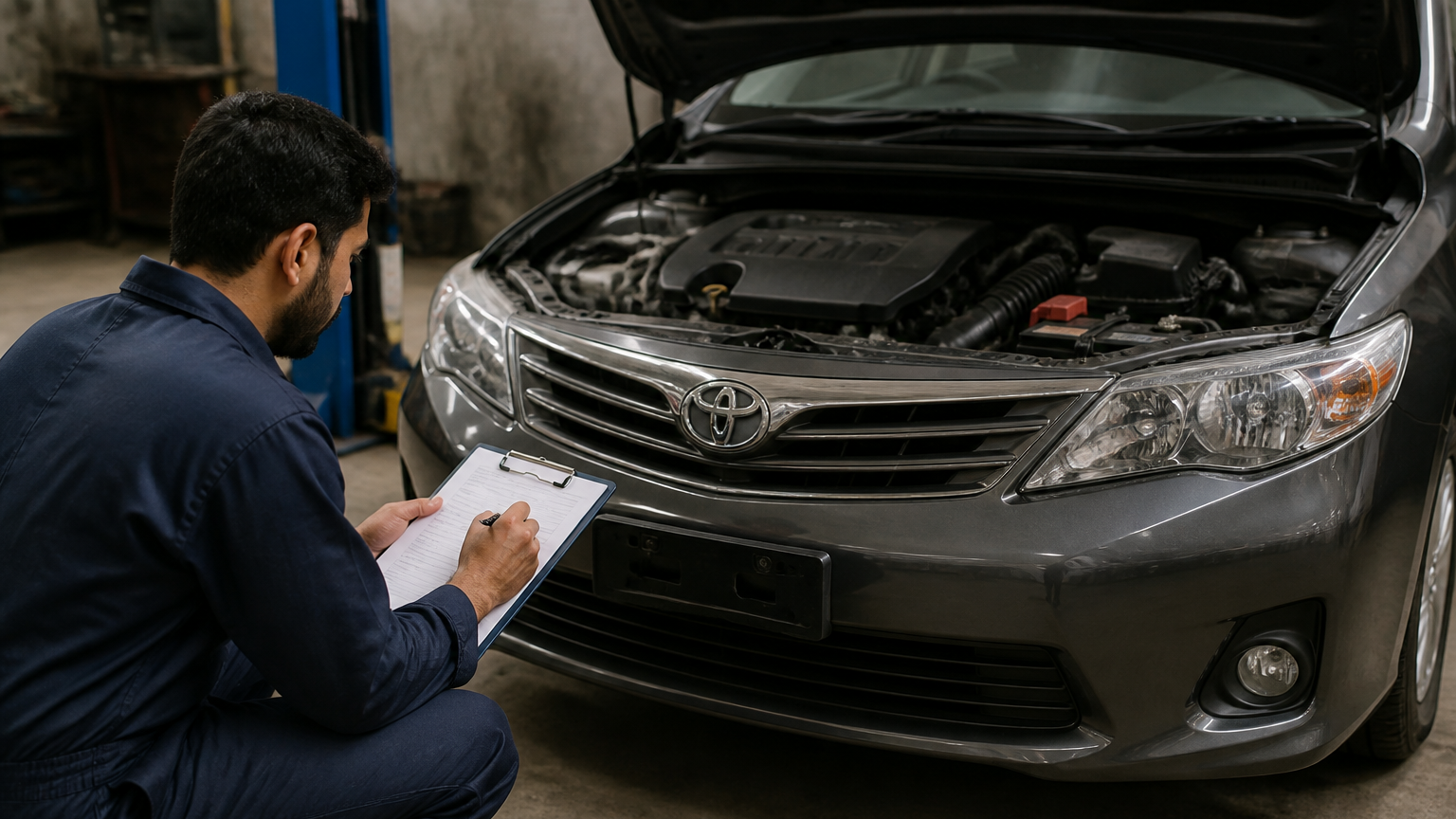
DrivePK Car Inspection Reports: Buy with Confidence
Buying a used car in Pakistan? A pre-purchase inspection can reveal hidden damage, engine issues and red flags before you pay—but it’s not enough alone.
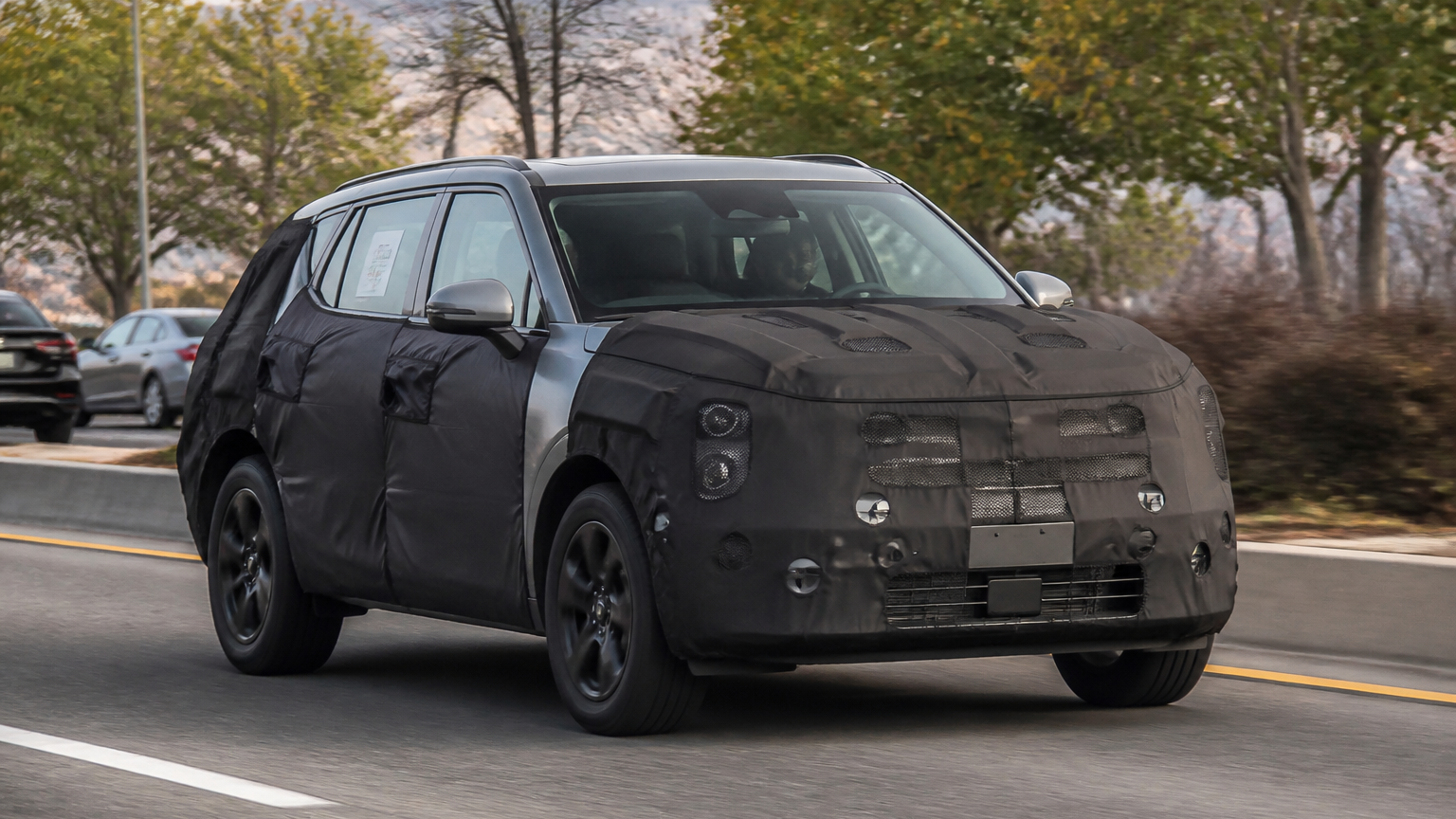
2028 Kia Sportage: Major Design Changes Spotted
Kia’s next Sportage may get a bolder, boxier redesign, with an upright profile, sharper lines, wider grille and split headlights hinted by spy shots.