Pakistan's Car Ownership Drops: Insights from Indus Motor CEO Ali Asghar Jamali
Car ownership in Pakistan has dropped from 18 to 11 per 1,000 people, says Indus Motor CEO Ali Asghar Jamali. He points to weak income growth and policy problems as causes, urging stable rules for growth. Production may hit 275,000 units this year with new models ahead.
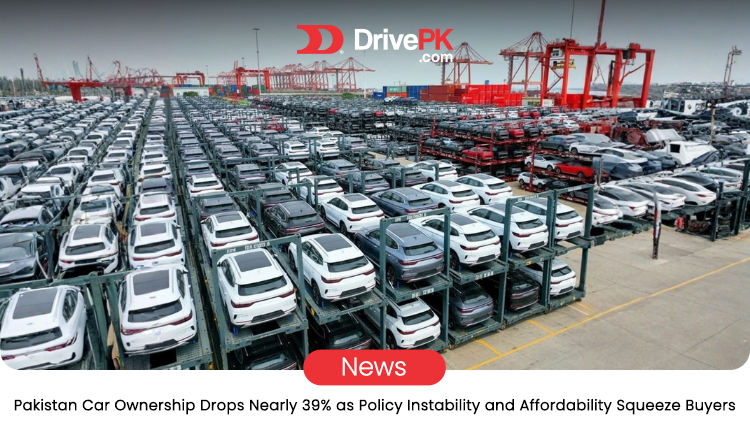
Table of Contents
- The Sharp Drop in Car Owners
- Key Reasons for the Decline
- A Call for Stable Long-Term Policies
- Outlook: Production and New Models Ahead
- What This Means for Pakistan's Future
Car ownership in Pakistan is shrinking. That's the stark message from Ali Asghar Jamali, CEO of Indus Motor Company. He shared this during a recent talk. Numbers show owners per 1,000 people fell from 18 to 11. It's a big drop. And it tells a story about bigger problems in the economy.
People aren't buying cars like before.
Why?
Incomes aren't growing fast enough. Prices are high. Policies change too often. Taxes make things worse. Jamali laid it out plain. These issues hold back the auto sector. But there's hope if things change.
Think about it. Owning a car means freedom for many. It helps with work and family. When fewer people can afford one, it affects everyone. Jamali's words shine a light on this. He wants us to see the need for fixes.
The Sharp Drop in Car Owners
Back in the day, 18 out of every 1,000 Pakistanis owned a car. Now it's down to 11. That's a 39% fall. Jamali didn't mince words. He said this slide started years ago. And it's speeding up.
Data backs him up. The auto industry tracks these stats. Fewer sales mean fewer owners. New buyers can't keep up with the population growth. Pakistan's population is booming. But car numbers aren't.
This isn't just about cars. It's about how people live. Fewer cars on the road might mean more public transport use. Or it could mean folks stick with old vehicles longer. Either way, it's a sign of strain.
Jamali pointed to surveys and reports. They show ownership peaking around 2018. Then it dipped. COVID hit hard. But even before that, trends were down. Now, with inflation high, it's tougher.
Key Reasons for the Decline
Jamali listed clear causes. First, weak income growth. Wages aren't rising with costs. People earn less in real terms. A car payment eats up too much of the budget.
Next, affordability pressures. Cars cost more due to imports and duties. Local parts help, but not enough. Fuel prices add to the pain. Maintenance too.
Policy inconsistency is a big one. Rules change with governments. One year, incentives for buyers. Next, they're gone. Investors get scared. Factories slow down.
Taxation distortions twist the market. High taxes on new cars push people to used ones. Or none at all. Smuggling rises in some cases. It's a mess.
These aren't new problems. But Jamali says they've worsened. He urged a look at the big picture. Without fixes, the drop continues.
And that's the hook. If incomes don't grow, nothing else matters. Policies must support that.
A Call for Stable Long-Term Policies
Jamali didn't just complain. He offered solutions. Stable policies top the list. Long-term ones. Not flip-flops every few years.
Why? Investors need certainty. Auto companies plan for decades. They build plants. Hire workers. Develop tech. Without stable rules, they hold back.
He called on the government. Make policies that last. Cut distortions in taxes. Encourage local production. That brings jobs and growth.
Localization is key here. Making more parts in Pakistan cuts costs. Reduces imports. Strengthens the economy. Jamali mentioned talks on this. More to come.
But he warned. Policies alone aren't enough. Incomes must rise. People need money to buy cars. Tie it all together.
It's practical advice. From someone in the trenches. Jamali runs a major player in the market. His voice carries weight.
Outlook: Production and New Models Ahead
Despite the gloom, there's some good news. Jamali expects vehicle production to top 275,000 units this year. That's up from recent lows.
Indus Motor plans 2-3 new models. Details aren't out yet. But they're coming. Focus on what buyers want. Affordable, reliable rides.
More localization discussions are on. Partner with suppliers. Build local chains. This could lower prices over time.
But Jamali cautioned. The market stays constrained without changes. No income growth? No big sales jump. Policy stability? Essential.
He sees potential. Pakistan has young people. Growing cities. Demand exists. Tap it with right moves.
Production rise is a start. New models excite. But real growth needs broader fixes.
What This Means for Pakistan's Future
The auto sector mirrors the economy. Jamali's insights show challenges. But also paths forward.
Fix incomes. Stabilize policies. Cut tax issues. Boost localization. Then, car ownership might climb again.
It's not just about cars. It's about progress. More owners mean better lives. Easier commutes. Economic spin-offs.
Jamali's message is clear. Act now. Or the slide continues.
People in Pakistan feel this. High costs hurt. But with smart steps, things can turn.
Watch for those new models. And policy shifts. They could signal better days.
In the end, it's about making cars reachable. For more than just a few. For more updates, visit DrivePK.com
Tags
Share this article
About the Author

Najeeb Khan
Automotive enthusiast and writer
Comments (0)
Login Required
You need to be logged in to comment on this article.
No comments yet. Be the first to share your thoughts!
Related Articles
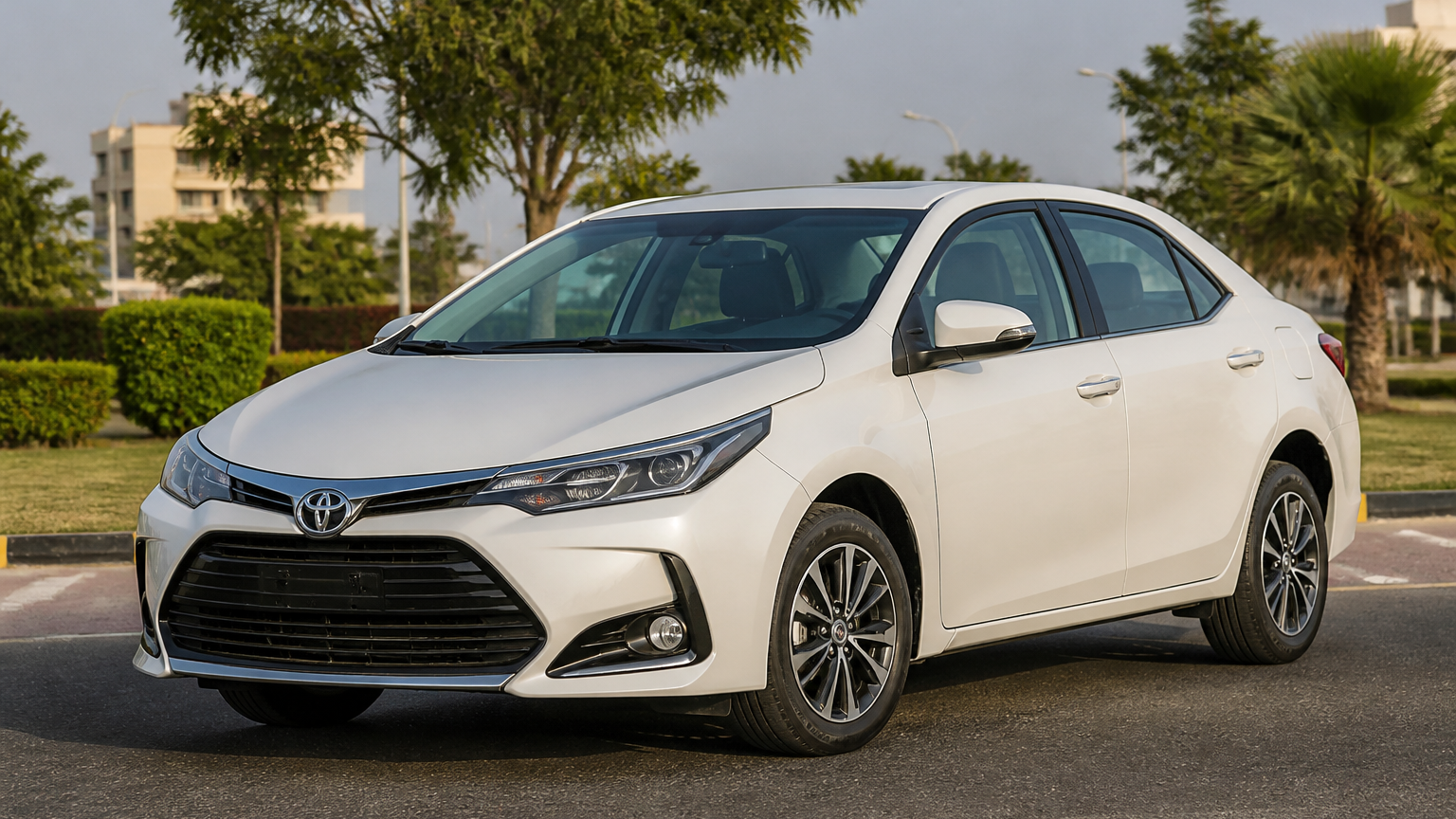
Toyota Corolla Discontinued Before Pakistan Facelift
Pakistan’s pre-facelift Toyota Corolla is reportedly discontinued, hinting at a facelift. Prices, bookings, specs and launch timing remain unconfirmed.
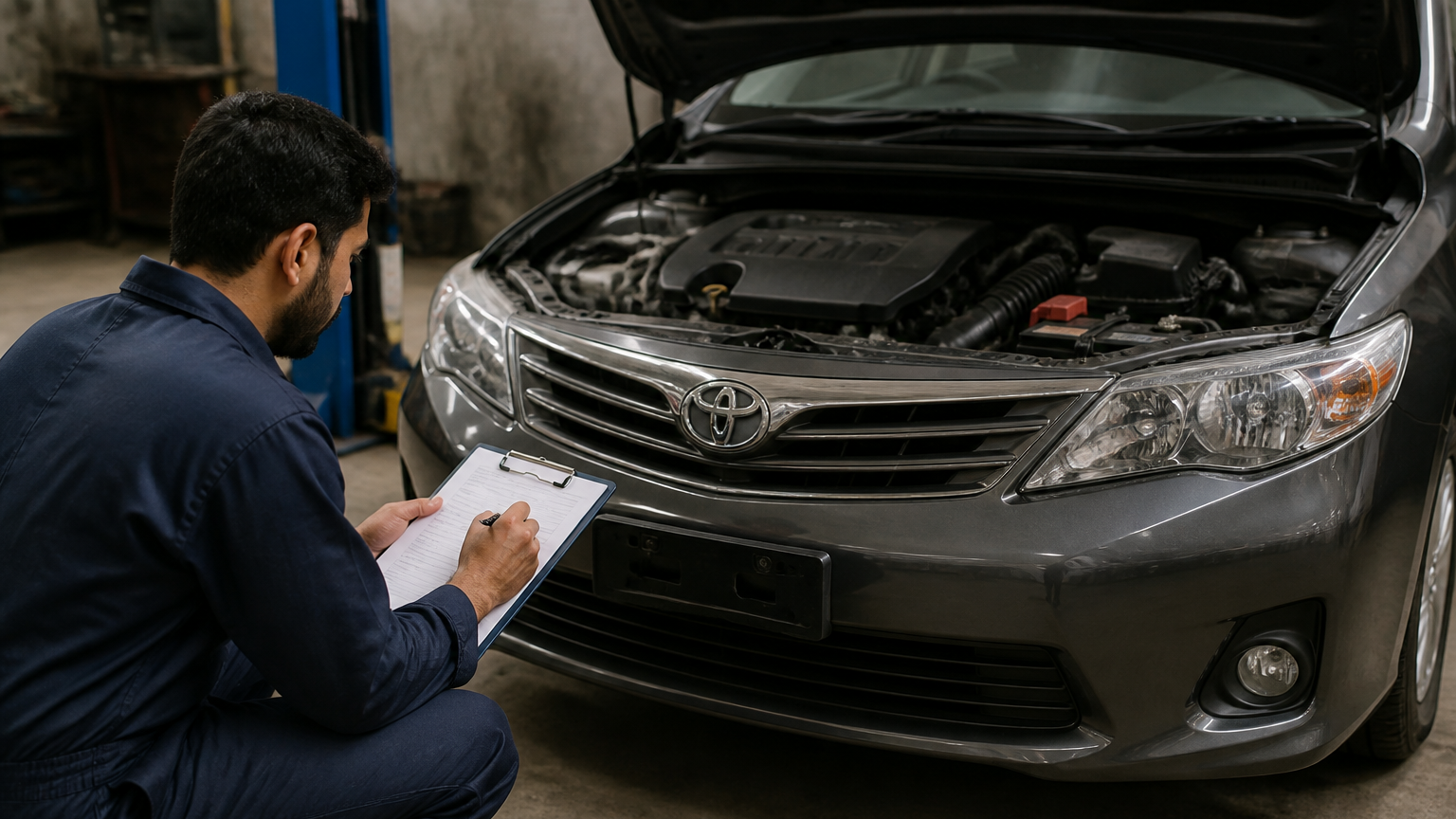
DrivePK Car Inspection Reports: Buy with Confidence
Buying a used car in Pakistan? A pre-purchase inspection can reveal hidden damage, engine issues and red flags before you pay—but it’s not enough alone.
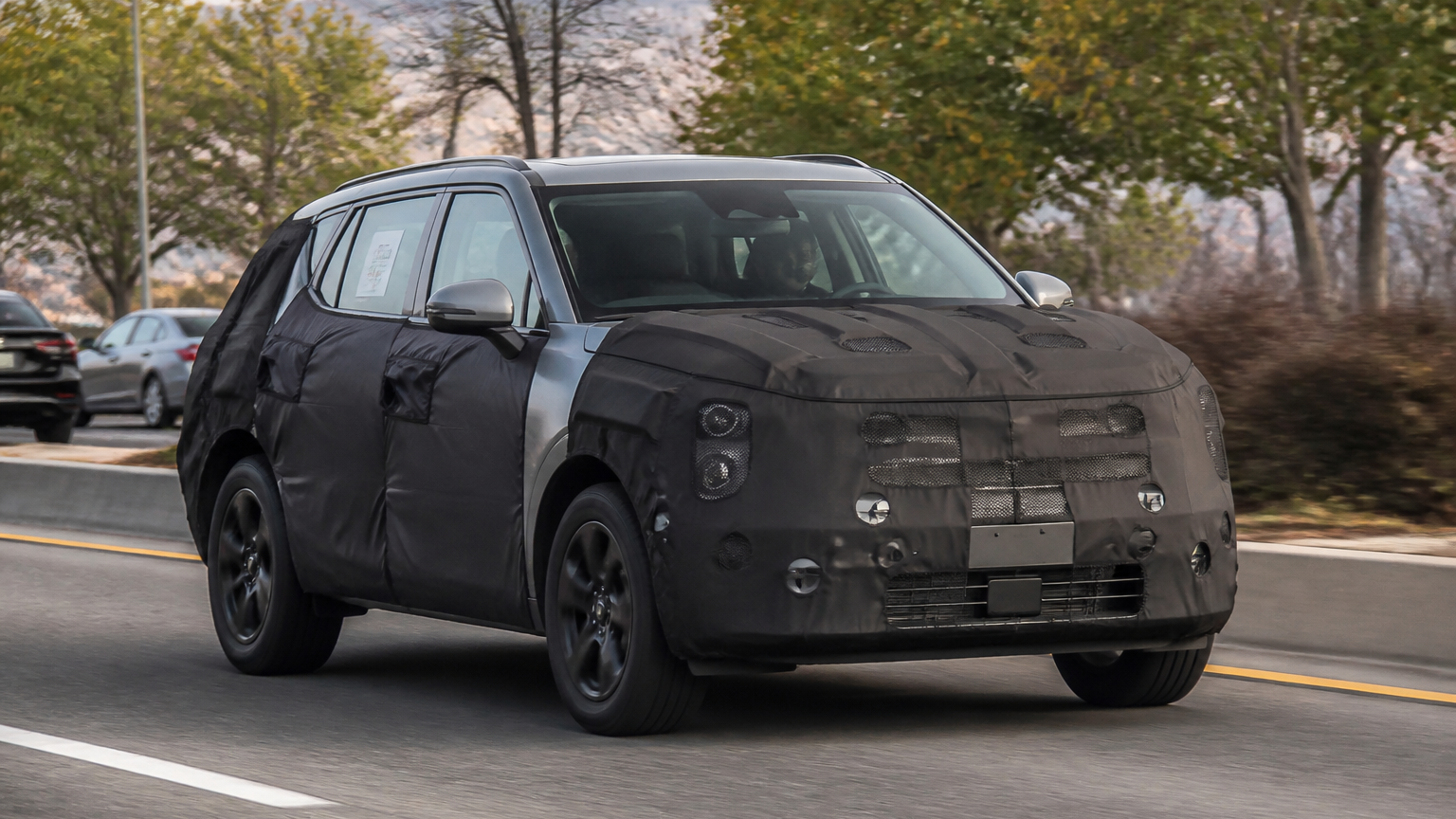
2028 Kia Sportage: Major Design Changes Spotted
Kia’s next Sportage may get a bolder, boxier redesign, with an upright profile, sharper lines, wider grille and split headlights hinted by spy shots.