Pakistan Transport Fares Surge Up to 30% After Fuel Price Hike: What It Means for You
Transport fares across Pakistan jumped after the recent petroleum price increase. Inter-city routes now cost up to 30% more, while freight charges rose by up to 40%. This is pushing up prices of vegetables, flour, rice, and construction materials. Here’s how the fuel shock is affecting everyday life and what families can do about it.}

Table of Contents
- What Caused the Sudden Fare Increases
- How Much More Are You Paying Now
- Impact on Daily Essentials and Households
- Some Relief Measures Already Announced
- What You Can Do Right Now
- Broader Picture for Pakistan’s Economy
- Final Thoughts
Petrol now sits at around Rs 378 per litre after a recent adjustment, and diesel is much higher. The big jump in fuel costs hit hard. Transporters quickly raised fares because they could not absorb the extra expense. Inter-city bus tickets went up by 25 to 30 percent in many places. Freight charges climbed even more, sometimes by 40 percent or higher depending on the route and goods.
This change did not stay on the roads. It moved straight into markets. Vegetables, flour, rice, and building materials all started costing more because moving them became expensive. For families already managing tight budgets, the timing feels especially tough.
What Caused the Sudden Fare Increases
The government announced a major rise in petroleum prices on April 2, 2026. Petrol climbed sharply due to global oil trends linked to Middle East tensions. Diesel, which powers most trucks and buses, saw an even bigger jump. Transporters said the government subsidy did not cover the full gap. They had no option but to pass the extra cost to passengers and businesses.
In Lahore, Rawalpindi, and other major cities, bus operators announced the new rates almost immediately. Some routes saw fares go up by 30 percent right away. In certain areas, freight for goods reached 40 percent higher. A few regions reported even steeper increases for specific long-haul trips.
And that’s why the effect spread so fast. Trucks carry cement, steel, and vegetables every day. When their running cost rises, the price at the end of the trip rises too.
How Much More Are You Paying Now
Here is the practical picture:
- Inter-city bus fares: Up by 25-30% on most routes
- Local transport (rickshaws, taxis, bike rides): Increases of 20-35% reported
- Freight charges: Up to 40% higher, with some goods transporters pushing 65% in specific cases like Khyber Pakhtunkhwa
A family traveling from Rawalpindi to Lahore for a wedding or medical visit now pays noticeably more. Small businesses that move goods daily feel the pinch even harder. A bag of vegetables that used to reach the market at one cost now arrives with added transport expenses built in.
Construction sites are also affected. Cement and crushed stone prices are climbing because trucks cost more to operate. This feeds into higher building costs at a time when many people are already struggling to afford homes or repairs.
Impact on Daily Essentials and Households
The chain reaction is clear. Higher freight means higher shop prices. Flour, rice, and fresh vegetables are getting more expensive in local markets. Families in cities like Rawalpindi notice it first at the vegetable cart or the flour mill.
Economists and business leaders have warned that this could slow down industrial work. Factories and exporters face higher costs to move raw materials and finished goods. If productivity drops, jobs and incomes can come under pressure too.
Households feel it in two ways. First, direct travel costs go up. Second, everything brought by truck costs a bit more. For daily wage workers and middle-income families, the combined effect adds real strain.
Some Relief Measures Already Announced
The government did step in with a few steps. In Islamabad, public transport is free for one month starting early April. Punjab also announced some targeted help for certain operators. Prime Minister Shehbaz Sharif cut the petrol levy by Rs 80 per litre, bringing the price down to around Rs 378 from the initial higher figure.
These moves help, but many transporters still say the support falls short for long-term operations. They continue to adjust fares based on actual diesel costs.
What You Can Do Right Now
If you travel often, plan. Book inter-city tickets a bit earlier when possible. Check different operators because not everyone raises fares at the same rate. For short local trips, see if carpooling or shared rides can cut the extra cost.
For businesses moving goods, review routes and loads. Sometimes, combining shipments or adjusting schedules helps manage the new freight rates.
On the household side, buy staples in slightly larger quantities if you can store them safely. Compare prices at different markets because the increase is not uniform everywhere yet.
And keep an eye on official announcements. Fuel prices can change again in the coming weeks since they are reviewed regularly.
Broader Picture for Pakistan’s Economy
This fuel shock comes at a time when the country is already dealing with inflation pressures. Motorcycle prices also rose recently due to production costs. Now transport adds another layer.
The good news is that demand for movement never stops. People still need to travel for work, family, and business. The challenge is keeping costs reasonable so that ordinary families and small traders are not squeezed too hard.
Transporters argue they are only covering real expenses. Passengers and consumers feel the burden directly. Finding the right balance remains difficult, especially when global oil prices keep shifting.
Final Thoughts
The rise in transport fares is not surprising after such a big fuel price jump. Inter-city travel costing 30% more and freight up to 40% higher will show up in monthly budgets and market bills. Some relief steps are in place, but the overall pressure on households is real.
If you commute daily or run a small business, track your expenses closely over the next few weeks. Small adjustments in planning can help ease the impact. Prices may settle as the situation stabilizes, but for now, every rupee counts more than before.
Stay updated with your local transport associations and government notifications. The coming days will show how deeply these changes settle into daily life across Pakistan. For more updates, visit DrivePK.com
Tags
Share this article
About the Author

Najeeb Khan
Automotive enthusiast and writer
Comments (0)
Login Required
You need to be logged in to comment on this article.
No comments yet. Be the first to share your thoughts!
Related Articles
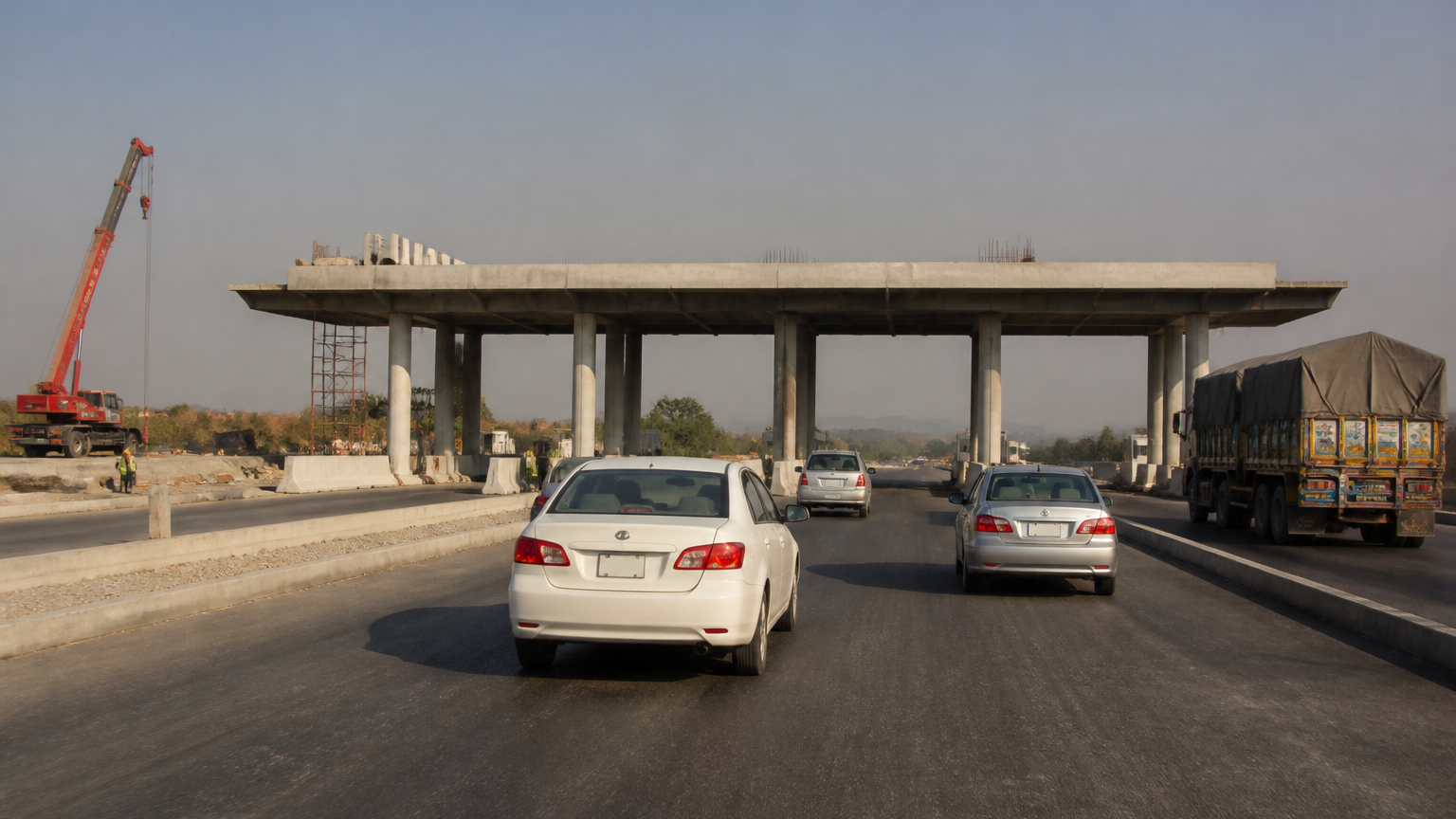
Rawalpindi Ring Road Opening Delayed by Toll Plaza Work
Rawalpindi Ring Road is structurally complete, but toll plazas and e-toll systems remain unfinished—delaying opening, toll rates and traffic relief.
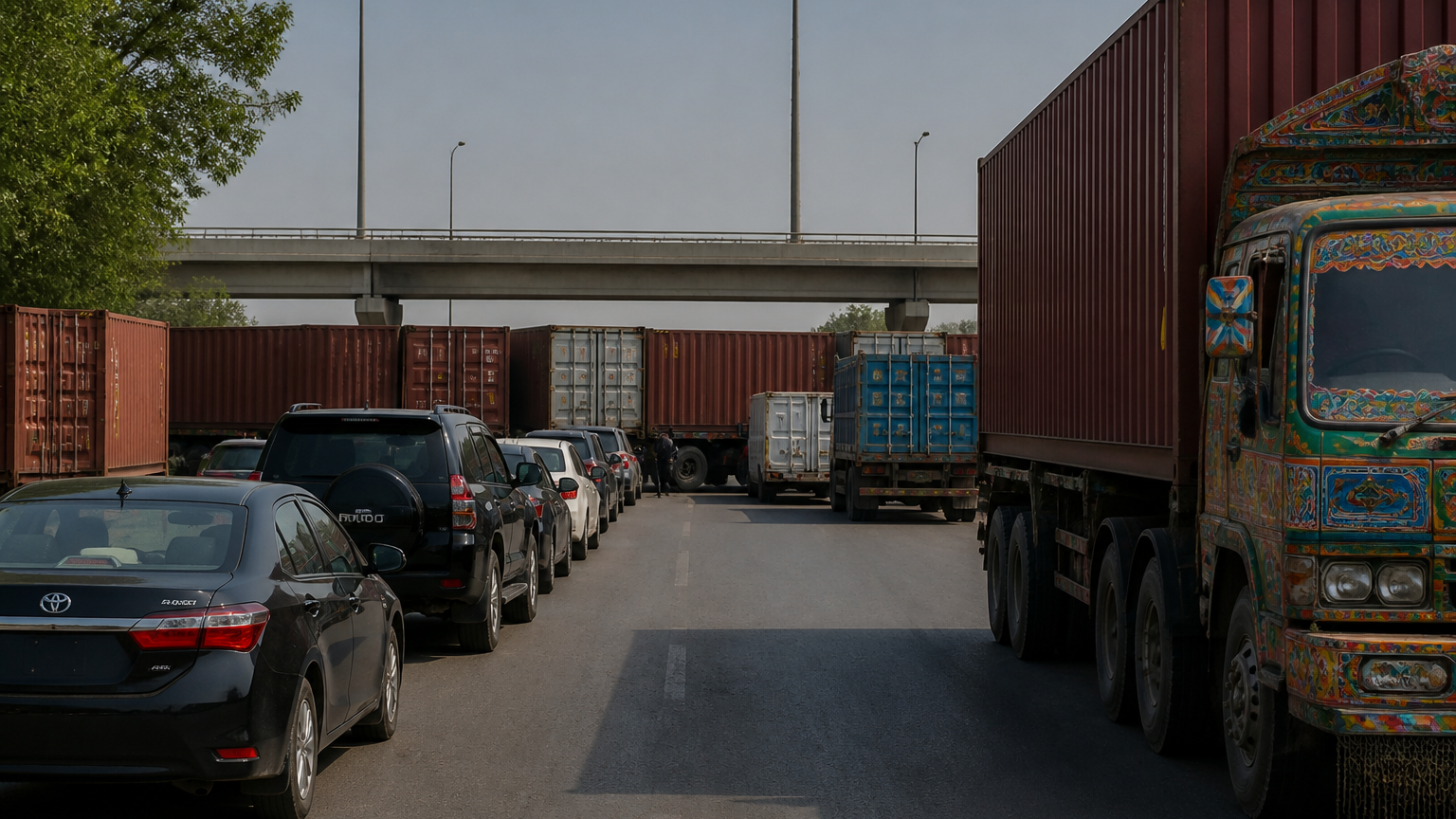
Islamabad Blockades Delay Karachi Freight Before PTI Protest
PTI’s Oct. 4 march may delay northbound freight from Karachi, affecting car parts, tyres and workshop supplies—but the scale remains unclear.
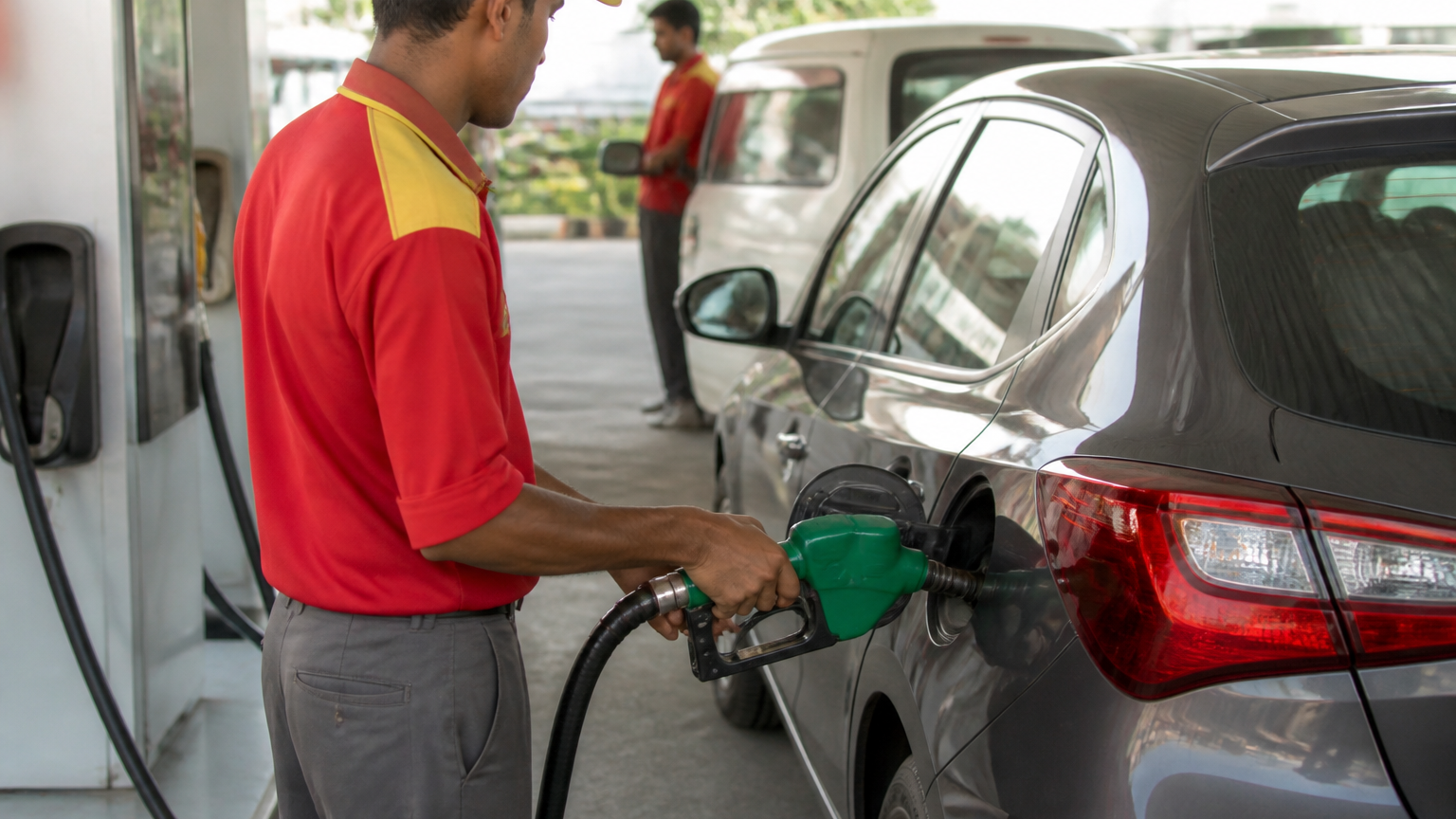
Oil Prices Near $100: Impact on Pakistan
Brent nears $100 after a sharp swing linked to China’s fuel-export curbs—but Pakistan’s petrol and diesel prices remain unchanged for now.