PAMA Urges PM for New Auto Policy Now
Pakistan’s auto makers have written to the prime minister. They want the new auto policy announced without delay. The letter warns that more waiting could hurt local factories, jobs and the parts industry that supports millions of families. The focus must stay on building cars here, not bringing in ready-made ones.
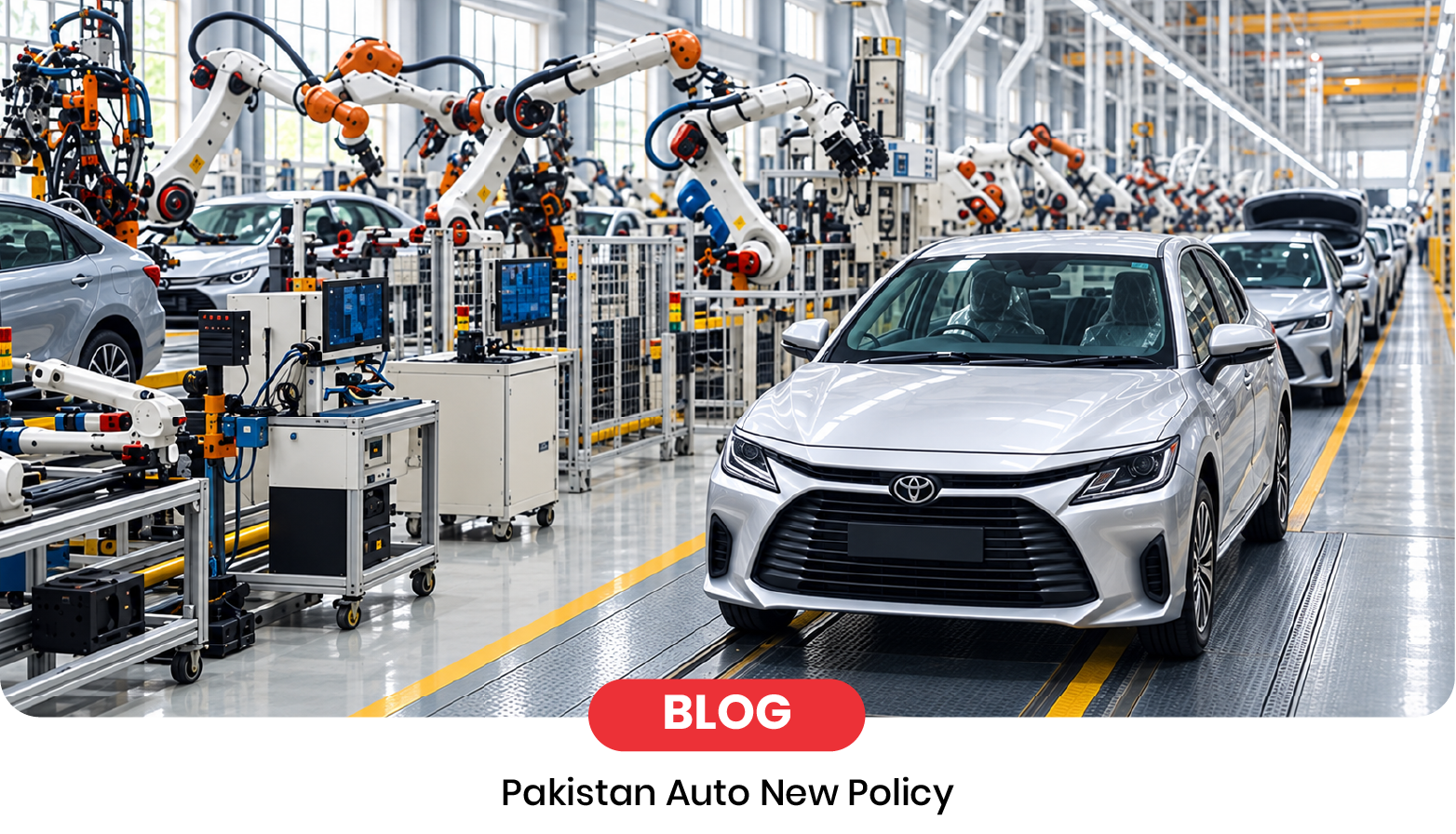
Table of Contents
- Why the Delay Hurts So Much
- Local Manufacturing Versus Ready-Made Imports
- What Exports Really Need
- The Stakes for Jobs and Investment
- What a Sensible Policy Should Contain
- The Clock Is Ticking
The Pakistan Automotive Manufacturers Association has sent a clear message to Prime Minister Shehbaz Sharif. Announce the new auto policy soon. Further delays put the whole industry at risk.
This is not a casual request. The association says the wait already threatens the future of local car and parts production. Factories that spent years building capacity now face uncertainty. Workers and suppliers feel the same pressure.
PAMA represents the main assemblers. These companies make more than 100 models under dozens of international brands. Over the years they have put more than $5 billion into plants, tools, training and vendor networks. The wider chain supports the livelihoods of nearly 2.5 million Pakistani families. When the rules stay unclear, all of that sits on hold.
Why the Delay Hurts So Much
The previous policy ended in mid-2026. A replacement was expected. Months later it is still not out. Meanwhile, tariff changes and talk of easier imports have unsettled the sector.
Local plants currently run well below half their installed capacity. That capacity sits at around half a million vehicles a year. Average output has hovered near 250,000 units in recent periods. Empty production lines mean higher costs per car and less incentive to localise more parts.
Used-car and fully built unit imports already take a visible share of the market. Roughly 45,000 CBU vehicles arrive each year and pull nearly 18 percent of demand away from local makers. If policy tilts further toward cheaper ready-made imports, the pressure grows.
PAMA is direct on this point. Any framework that makes Completely Built Units more attractive than local assembly will damage capacity use, localisation efforts, jobs and investment. Subsidised or liberalised used-car imports under lower tariffs would hit even harder. Thousands of parts factories and the jobs tied to them would face real danger.
Local Manufacturing Versus Ready-Made Imports
Pakistan has spent decades trying to move from simple assembly toward deeper manufacturing. Successive policies brought in new brands and pushed localisation. Results are mixed but real. Many Japanese-linked plants reached solid local content levels. Motorcycle and tractor makers went further and even export.
The parts sector is the backbone. Around 1,300 auto-parts makers supply the assemblers. They employ hundreds of thousands directly and support many more indirectly. These companies need steady demand from local plants to justify new machines and skills. If assemblers start importing finished cars instead, the parts makers lose orders.
PAMA wants the new policy to keep the priority on local production and value addition. Incentives for CBU imports, especially used ones, work against that goal. Other countries protect their industries more firmly. Vietnam keeps tariffs up to 70 percent on imported vehicles. Thailand goes as high as 80 percent. Pakistan cannot ignore those examples if it wants its own plants to survive.
A sudden shift that favours imports also risks reversing the industrial gains already made. Plants that were built under earlier promises of protection could sit idle. Capital already spent would lose value. New investment would dry up.
What Exports Really Need
The government wants more exports. The industry agrees. But exports do not appear just because someone sets a target. They need competitive costs first.
Energy prices in Pakistan remain high compared with regional rivals. Financing costs stay elevated. Many raw materials for parts must still be imported, adding freight and duties. The combined effect creates roughly a 34 percent cost disadvantage against competitors in nearby countries.
Better infrastructure and clearer access to foreign markets also matter. Without those basics, forcing export targets on manufacturers will not deliver sustainable results. It may simply raise costs further.
PAMA notes that a balanced policy supporting local manufacturing will serve long-term industrial and export goals better than one that opens the door wide to ready-made vehicles.
The Stakes for Jobs and Investment
Nearly 2.5 million families depend on this sector in some way. That number includes direct factory workers, parts suppliers, transporters, dealers and service networks. A policy that weakens local production puts those livelihoods under strain.
Investment already in the ground exceeds $5 billion. More capital sits ready if the rules become clear and stable. Prolonged uncertainty freezes decisions on new models, deeper localisation and plant upgrades.
The association has asked for an early meeting with the prime minister. It wants to present the full picture and work toward a path that protects the industry.
What a Sensible Policy Should Contain
A workable auto policy needs a few core elements. It should favour local manufacturing where capacity already exists. It should keep a meaningful gap between duties on finished imports and duties on kits and local parts. That gap gives assemblers a reason to produce here and buy from Pakistani vendors.
It should also address the cost side. Competitive energy, simpler taxation and better logistics would help more than temporary protection alone. Clear localisation targets linked to real incentives work better than sudden liberalisation.
Used-car imports need careful handling. Unchecked volumes under soft rules undercut local demand and create parallel markets that are hard to track.
The goal is not permanent high walls. It is enough stability and support for the industry to reach scale, improve quality and eventually compete more openly. Jumping straight to low tariffs without fixing underlying costs risks the opposite outcome: fewer local plants and more dependence on imports.
The Clock Is Ticking
Every month of delay adds to the uncertainty. Pricing decisions stay on hold. Localisation projects pause. Workers wonder about future shifts. Parts makers cut orders or delay equipment purchases.
PAMA’s letter is a warning, not a complaint. The industry has invested heavily and employs large numbers of people. It wants a policy that builds on that base rather than undermines it.
Prime Minister Shehbaz Sharif now faces a choice. Announce a framework that keeps local manufacturing at the centre, or let the delay continue and watch the risks grow. The association has asked for the earliest possible decision and a chance to explain the details face to face.
Pakistan’s auto sector has shown it can produce vehicles and parts at scale when the rules are clear. It has also shown how quickly momentum fades when policy stays in limbo. The next steps will decide whether the factories keep running and the jobs stay local, or whether more of the market shifts to imported metal. For more updates, visit DrivePK.com
Tags
Share this article
About the Author

Najeeb Khan
Automotive enthusiast and writer
Comments (0)
Login Required
You need to be logged in to comment on this article.
No comments yet. Be the first to share your thoughts!
Related Articles
N-45 اپ گریڈ: چکدرہ–تیمرگرہ منصوبہ، مالیت 17 ارب روپے
N-45 کے 17 ارب روپے کے چکدرہ–تیمرگرہ توسیعی منصوبے سے دیر اور چترال کا سفر آسان ہو سکتا ہے—لیکن تعمیرات اور آغاز کی تاریخ تاحال غیر مصدقہ ہیں۔
N-45 Upgrade: Rs17bn Chakdara–Timergara Project
N-45’s Rs17bn Chakdara–Timergara widening plan could ease Dir and Chitral travel—but construction and a start date remain unconfirmed.
کشمیر چوک اسلام آباد بند: متبادل راستے
کشمیر چوک زیرِگزر کے کام کی وجہ سے مزید اطلاع تک بند ہے۔ بھارہ کہو، راول ڈیم چوک اور قریبی علاقوں کی جانب جانے والے ڈرائیورز متبادل راستے اختیار کریں۔