Peshawar BRT Shortlisted for Decarbonizing Transport Awards 2026: A Win for Sustainable Mobility
Peshawar's BRT has earned a spot as a finalist in the Decarbonizing Transport Awards 2026. This recognition, shared by KP Finance Adviser Muzammil Aslam, underscores its impact on cleaner transport. With five prior global awards, it's Pakistan's leading metro bus system for sustainability
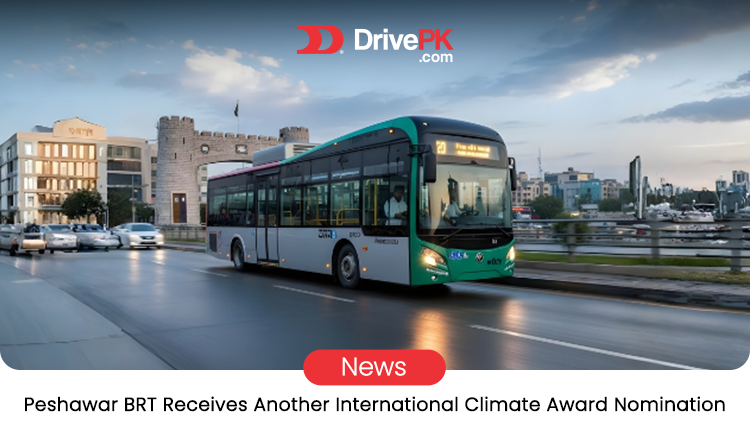
Table of Contents
- What Makes This Award Stand Out
- A Quick Look at Past Wins
- How the BRT Transformed Peshawar's Mobility
- Cutting Emissions and Cleaning the Air
- Social and Economic Ripples
- What's Next for Peshawar's Transit
Peshawar's streets used to be a mess. Old buses belched smoke, traffic crawled, and getting around felt like a chore. But the Bus Rapid Transit system changed that. Now, it's picking up yet another international honor. TransPeshawar, the team behind it, just got shortlisted as a finalist for the Decarbonizing Transport Awards 2026. And that's big news for Pakistan.
Khyber Pakhtunkhwa Finance Adviser Muzammil Aslam broke the word. He called it a key win in the fight against climate change. At a time when the world pushes for cleaner rides, this puts Peshawar on the map. Aslam pointed out that the BRT already holds five international awards. No other metro bus in Pakistan comes close.
The Decarbonizing Transport Awards come from the UK. They spotlight people, teams, and projects slashing carbon in transport. Peshawar's nod falls under Best Behaviour Change and People Engagement. It shows how the system gets folks to ditch cars for buses. And that cuts emissions while easing city life.
What Makes This Award Stand Out
These awards aren't just pats on the back. They highlight real leaders in going green. For Peshawar, it's about more than buses. It's proof that smart planning can tackle urban woes. The BRT replaces old, dirty vehicles with hybrid ones. It pulls in riders who once drove alone. That shift matters. Transport accounts for a large share of global CO2 emissions. Awards like this push others to follow suit.
Peshawar's entry beat out tough competition. Finalists include spots from around the world. Being here means the system sets a benchmark. It shows emerging cities can build sustainable transit without breaking the bank.
A Quick Look at Past Wins
This isn't Peshawar's first rodeo. The BRT has already racked up five global awards. First came the Gold Standard BRT from the Institute for Transportation and Development Policy. That made it South Asia's top system and seventh worldwide.
Then, in 2022, it grabbed an Honorable Mention in the Sustainable Transport Award. The same group praised its inclusive design. Women and people with disabilities got better access. That year, it also won Best Smart Ticketing Programme from Transport Ticketing Global. Easy payments mean more riders.
Fast forward to 2024. Another Honorable Mention in the Sustainable Transport Award, this time for the Bus Industry Restructuring Program. They scrapped old buses and brought in clean ones. Plus, it was a finalist in the World Resources Institute's Prize for Cities.
Each win builds on the last. They show steady progress in making transport better for everyone.
How the BRT Transformed Peshawar's Mobility
Before the BRT, Peshawar's roads were chaotic. Rickshaws, wagons, and cars jammed up everywhere. Travel times dragged on. Now, the system spans 27.6 kilometers from Chamkani to Karkhano Market. Dedicated lanes keep buses moving fast. Express routes cut a two-hour trip to 45 minutes.
It serves 250,000 to 300,000 people daily. That's a lot of folks skipping traffic. Stations are modern, with ramps and security. Bike shares at stops encourage cycling for short hops. Footpaths got upgrades, too. It's not just buses; it's a full mobility makeover.
And it's inclusive. Female ridership jumped from 2% to 30%. Safe spaces on buses and stations help. Women now reach jobs and schools more easily. People with disabilities find ramps and audio aids. Young folks bike to class. The system opens doors for all.
But challenges linger. Some women report harassment at stops. Younger riders face it more. The team works on it with guards and awareness drives. Still, the shift is real. More people move freely.
Cutting Emissions and Cleaning the Air
Environmentally, the BRT shines. It runs 158 hybrid buses that sip fuel and spit less pollution. Estimates say it cuts 30,988 tonnes of CO2 yearly. Plus, 3 tonnes of fine particles, 160 tonnes of NOx, and 5 tonnes of SO2.
Fewer cars on the roads help. Park-and-ride spots let drivers switch to buses. Bike lanes promote zero-emission trips. Overall, air quality improves. Peshawar's smog eases a bit.
Experts agree. University folks note less black smoke from old vehicles. But they say more needs to be done. Better traffic checks and vehicle inspections would boost gains. Still, the BRT leads the way in green urban transport.
Social and Economic Ripples
Beyond the environment, the BRT boosts lives. Jobs came from building and running it. Operators trained locals. Women joined as staff. It links poor areas to city centers. That means better access to work and education.
Low fares keep it affordable. A ride costs less than the old options. For lower-income folks, that's huge. It saves time and money. Businesses see more foot traffic near stops.
The Bus Industry Restructuring Program stands out. It phased out 600 old buses. Owners got fair pay to scrap them. New contracts brought stability. It's a model for other cities.
What's Next for Peshawar's Transit
This shortlist could lead to a win in March 2026. But even without it fuels momentum. Plans for Phase 2 expand routes. More feeders connect the outskirts. Electric buses might join the fleet.
Pakistan watches closely. Lahore and Karachi could learn. Sustainable transit isn't a luxury; it's needed. Peshawar proves it works.
In a world heating up, systems like this matter. They cut carbon while lifting people. Peshawar's BRT isn't perfect, but it's progressing. And that's worth celebrating. For more updates, visit DrivePK.com
Tags
Share this article
About the Author

Najeeb Khan
Automotive enthusiast and writer
Comments (0)
Login Required
You need to be logged in to comment on this article.
No comments yet. Be the first to share your thoughts!
Related Articles
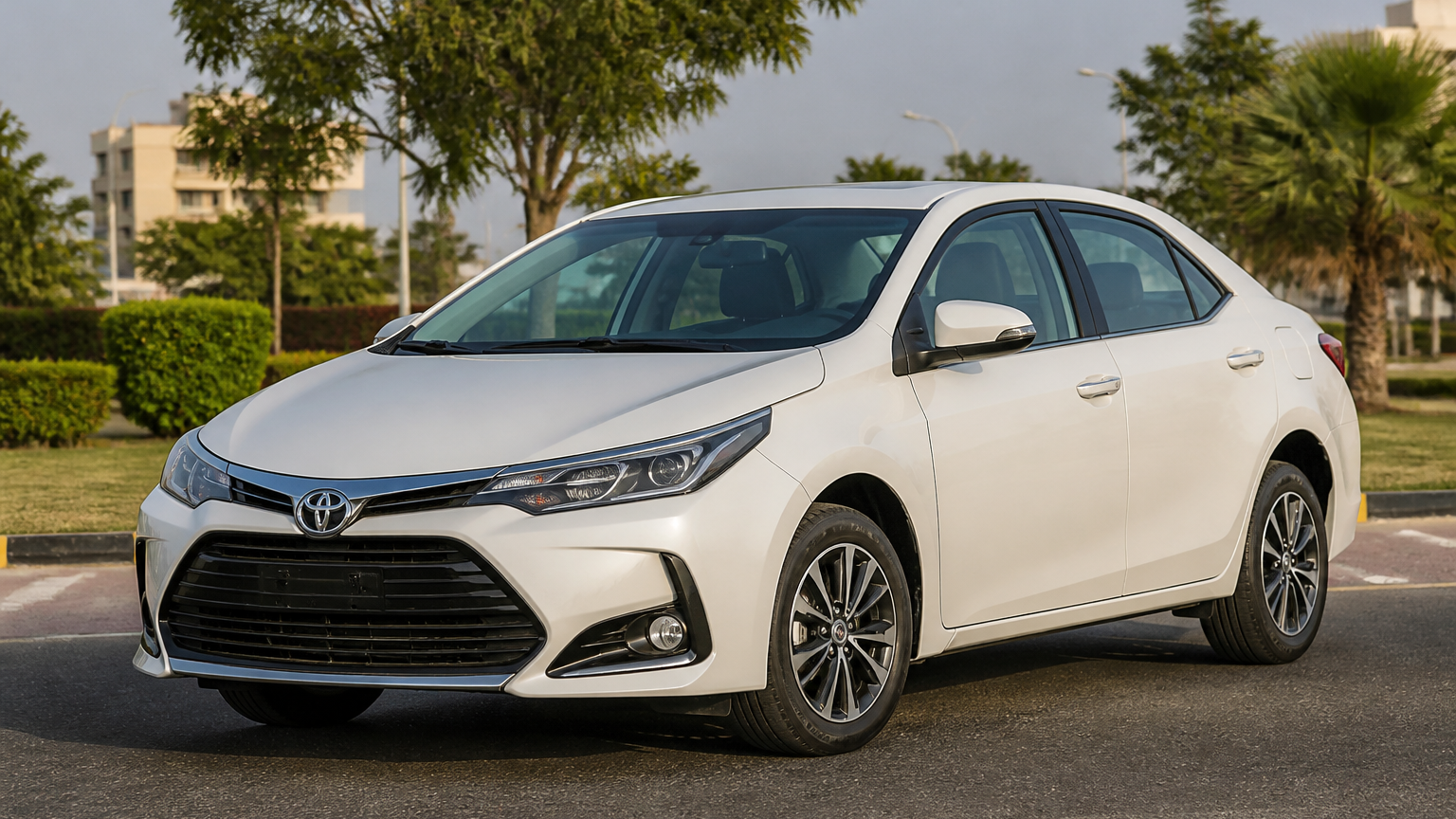
Toyota Corolla Discontinued Before Pakistan Facelift
Pakistan’s pre-facelift Toyota Corolla is reportedly discontinued, hinting at a facelift. Prices, bookings, specs and launch timing remain unconfirmed.
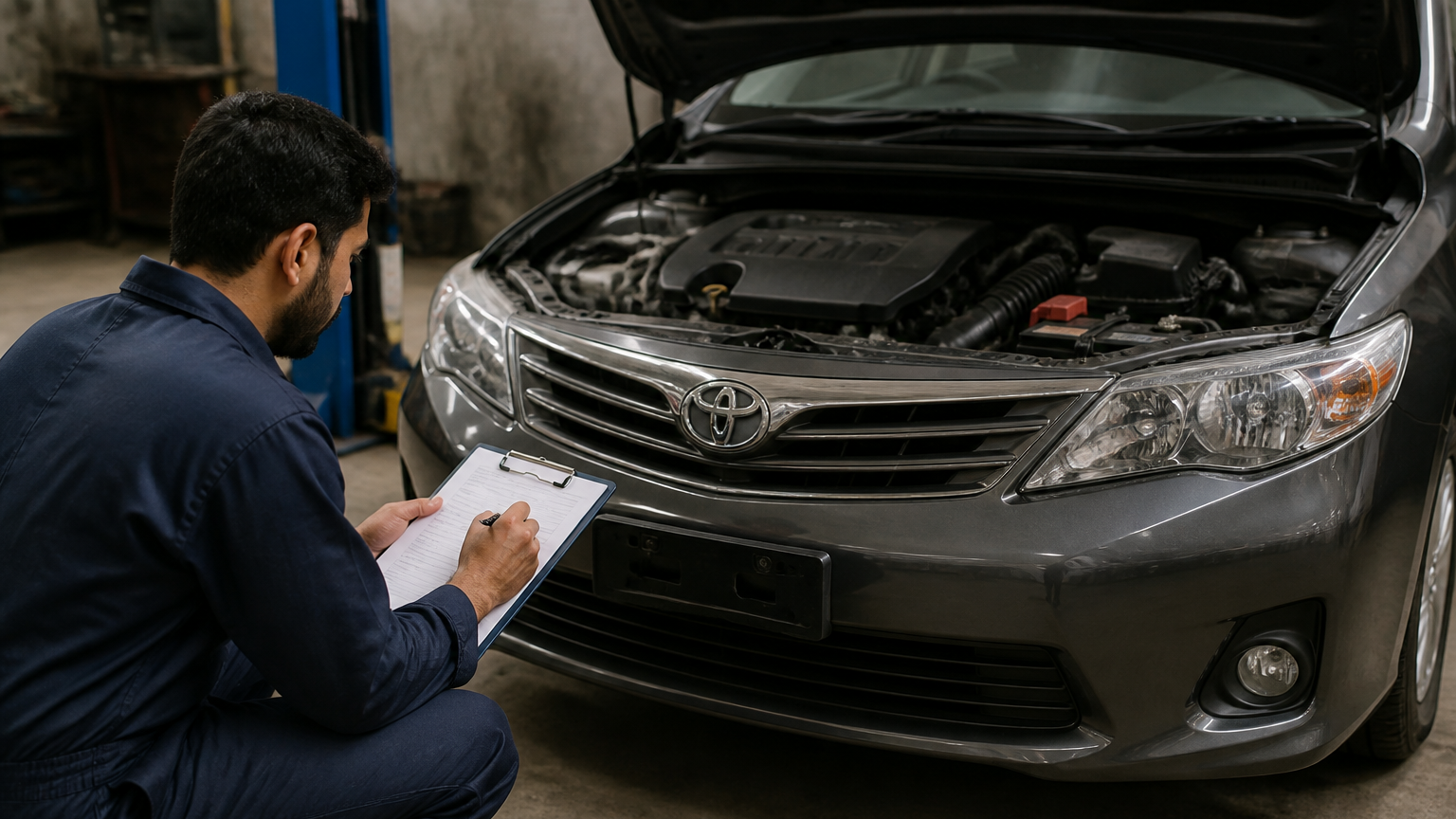
DrivePK Car Inspection Reports: Buy with Confidence
Buying a used car in Pakistan? A pre-purchase inspection can reveal hidden damage, engine issues and red flags before you pay—but it’s not enough alone.
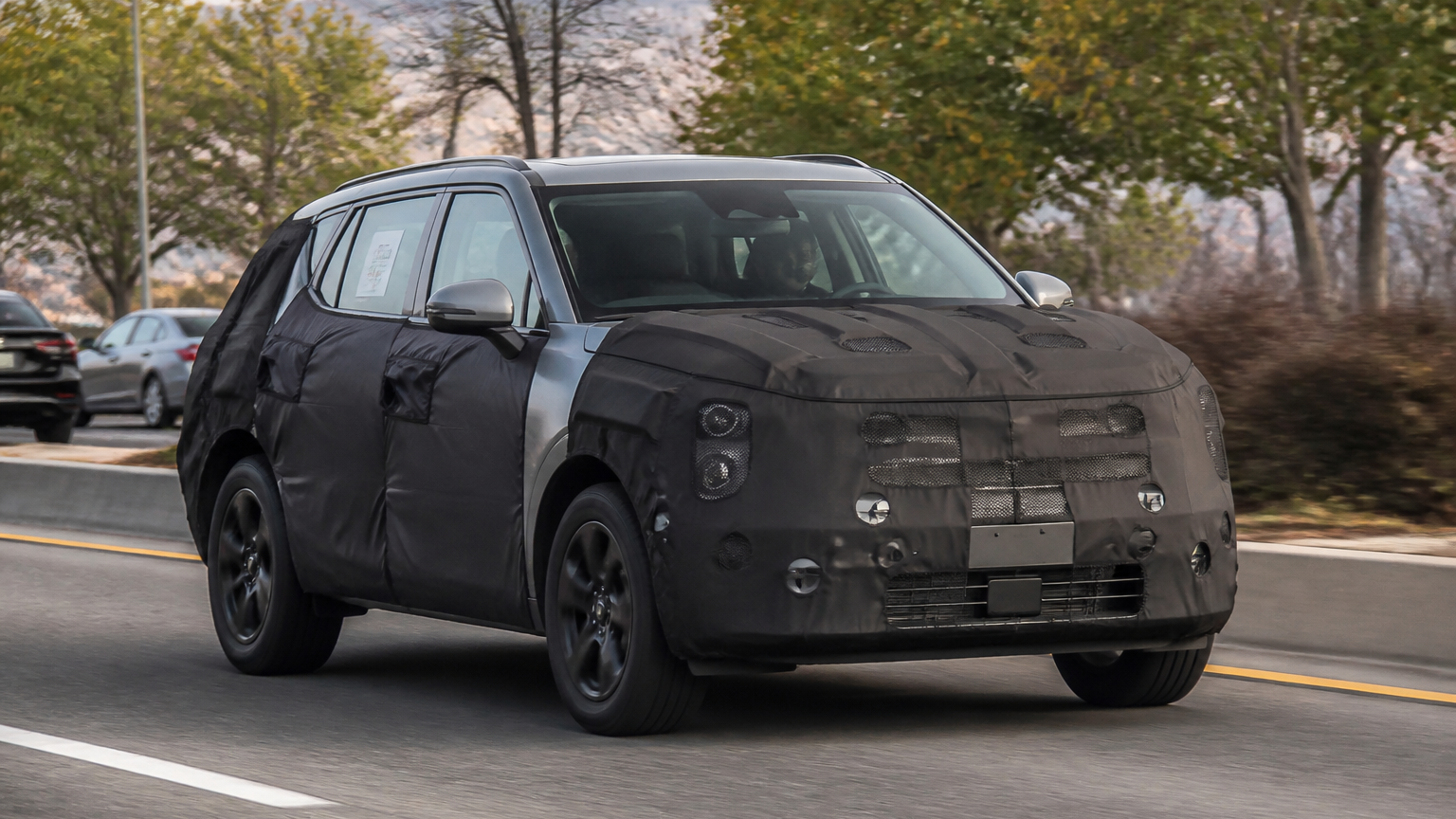
2028 Kia Sportage: Major Design Changes Spotted
Kia’s next Sportage may get a bolder, boxier redesign, with an upright profile, sharper lines, wider grille and split headlights hinted by spy shots.