Petrol and Diesel Prices Cut by Rs1.97 in Pakistan
The government has lowered petrol and diesel prices by Rs1.97 per litre this week. Petrol now costs Rs297.53 and diesel Rs309.50 per litre until July 10. This small relief comes amid fluctuating global oil rates and offers modest savings for commuters and businesses.
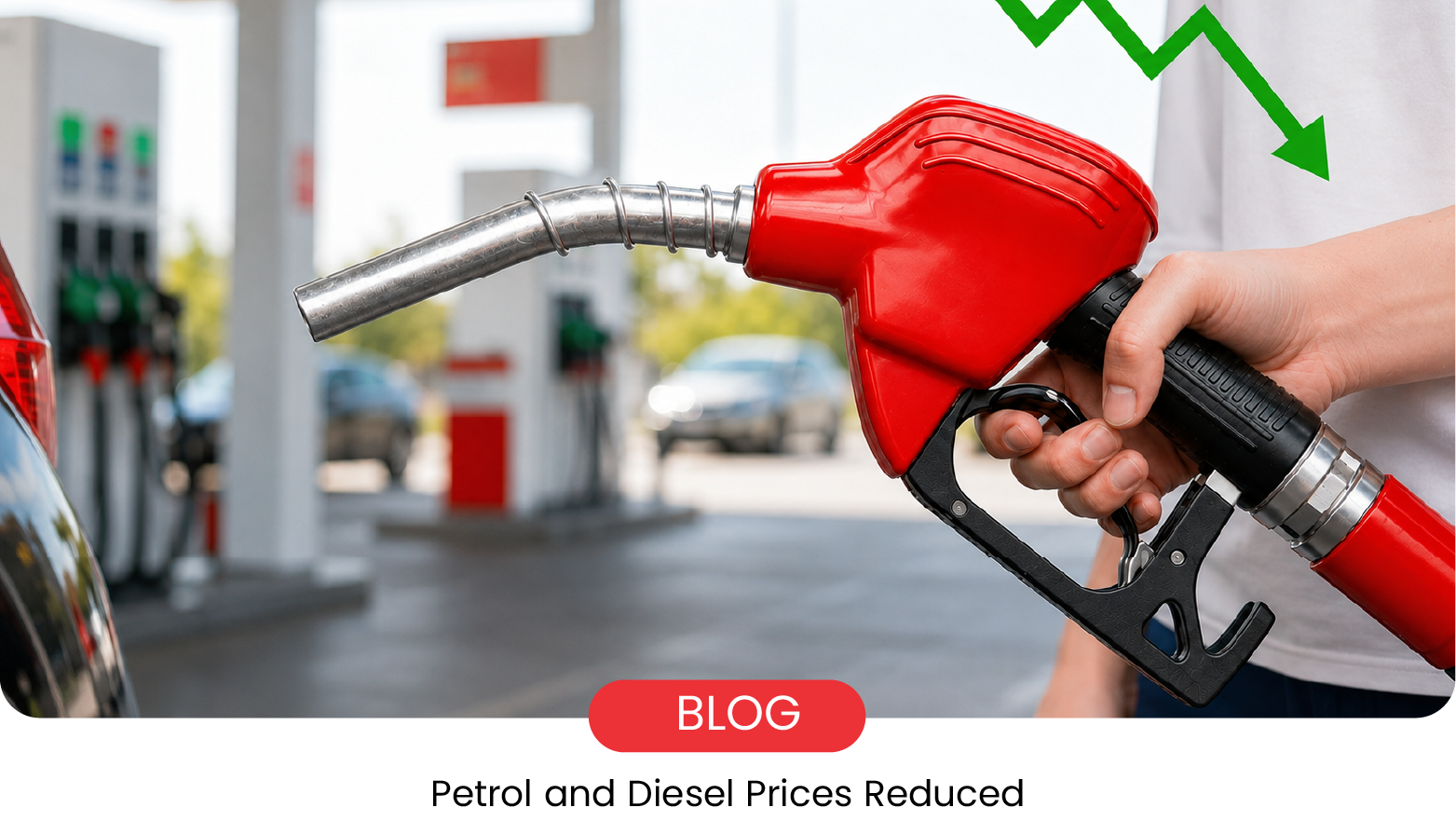
Table of Contents
- Recent Price Trends in 2026
- How Fuel Prices Affect Everyday Life
- The Bigger Picture: Economy and Policy
- What to Expect Next
- Final Thoughts
The federal government announced a reduction in the prices of both petrol and diesel. Effective from July 4 to July 10, 2026, petrol now stands at Rs297.53 per litre, down from Rs299.50. Diesel is now Rs309.50 per litre, also down Rs1.97.
This change follows the regular weekly review by authorities. They look at international oil prices, the exchange rate, and other factors before adjusting local rates.
Why this reduction happened:
Global crude oil prices have eased recently. Brent crude hovered around $71-72 per barrel, and WTI near $68-69 in early July. Pakistan imports most of its oil, so lower global prices help bring down local costs. The Oil and Gas Regulatory Authority (OGRA) and the Ministry of Energy review these trends every week and recommend adjustments.
The government passes on only part of the benefit sometimes, keeping levies in balance. This time, the cut is modest but direct.
Recent Price Trends in 2026
Fuel prices have swung a lot this year. Here's a clear picture:
| Date | Petrol (Rs/litre) | Diesel (Rs/litre) | Change Notes |
|---|---|---|---|
| Early Jan 2026 | ~253 | ~260s | Lower baseline |
| April 2026 peak | 458.41 | 520+ | Sharp hike due to global tensions |
| Mid-May 2026 | 403-414 | ~400s | Reductions begin |
| June 13, 2026 | 373.78 | 378.78 | Post-budget cuts |
| Late June 2026 | 299.50 | 311.47 | Major relief |
| July 4-10, 2026 | 297.53 | 309.50 | Latest Rs1.97 cut |
Prices peaked sharply in April amid international events but came down significantly by late June. The current levels are much better than the highs but still above early 2026 levels.
And that matters. A full tank of petrol (say 40 litres) now costs about Rs79 less than last week. For diesel users, similar savings apply. It adds up for daily commuters, rickshaw drivers, and truck operators.
How Fuel Prices Affect Everyday Life
Transport costs touch almost everything. Higher fuel prices raise bus and rickshaw fares, increase the cost of moving goods, and push up food and other item prices.
Diesel powers trucks, buses, tractors, and generators. Even small changes ripple through the supply chain. Petrol affects cars, motorcycles, and daily commuting.
With inflation at 11.0% in June 2026 (down from 11.7% in May), this cut offers some breathing room. Transport inflation has eased, but food prices remain a concern.
For a middle-class family in Lahore or Karachi, lower fuel means slightly cheaper travel to work or market. Shopkeepers see a bit less pressure on goods transport. Farmers and transporters feel it in diesel costs.
But the relief is limited. Many hoped for a bigger cut given the drop in global prices. Still, any reduction helps when money is tight.
The Bigger Picture: Economy and Policy
Pakistan relies heavily on imported fuel. Changes in global prices and the rupee-dollar rate directly hit the import bill and inflation.
The government uses tools like the Petroleum Levy to manage revenue and prices. Recently, there were adjustments between the Petroleum Levy and a new Climate Support Levy to keep pump prices stable in some weeks.
Studies show oil price shocks strongly affect Pakistan's inflation, especially through transport and production costs. A rise in fuel quickly spreads to consumer prices. Reductions help ease that pressure, though the effect takes time.
This weekly pricing system tries to balance consumer relief with government revenue needs. It is not perfect, but it responds faster than older methods.
What to Expect Next
Global oil markets remain volatile. Geopolitical issues, demand from major economies, and supply factors can change prices quickly.
Advisers have hinted at more relief if international trends continue favorably. But nothing is guaranteed. Watch for the next weekly review around July 10-11.
Tips for consumers:
- Fill up early in the week if prices might rise later.
- Track official notifications from the Ministry of Energy or reliable news sources.
- For businesses, factor in fuel costs when planning transport and pricing.
- Consider fuel-efficient driving or vehicle maintenance to stretch every litre.
Final Thoughts
This Rs1.97 cut per litre is a small but real step. It won't solve all economic pressures, but it shows the government responding to global trends and trying to ease the burden on people.
Prices are still high compared to a few months ago. Families, transporters, and small businesses continue to feel the pinch. Yet every reduction counts when costs add up quickly.
Stay informed. Small changes at the pump can make a difference in weekly budgets. Keep an eye on how this plays out in the coming days and weeks.For more updates, visit DrivePK.com
Tags
Share this article
About the Author

Najeeb Khan
Automotive enthusiast and writer
Comments (0)
Login Required
You need to be logged in to comment on this article.
No comments yet. Be the first to share your thoughts!
Related Articles
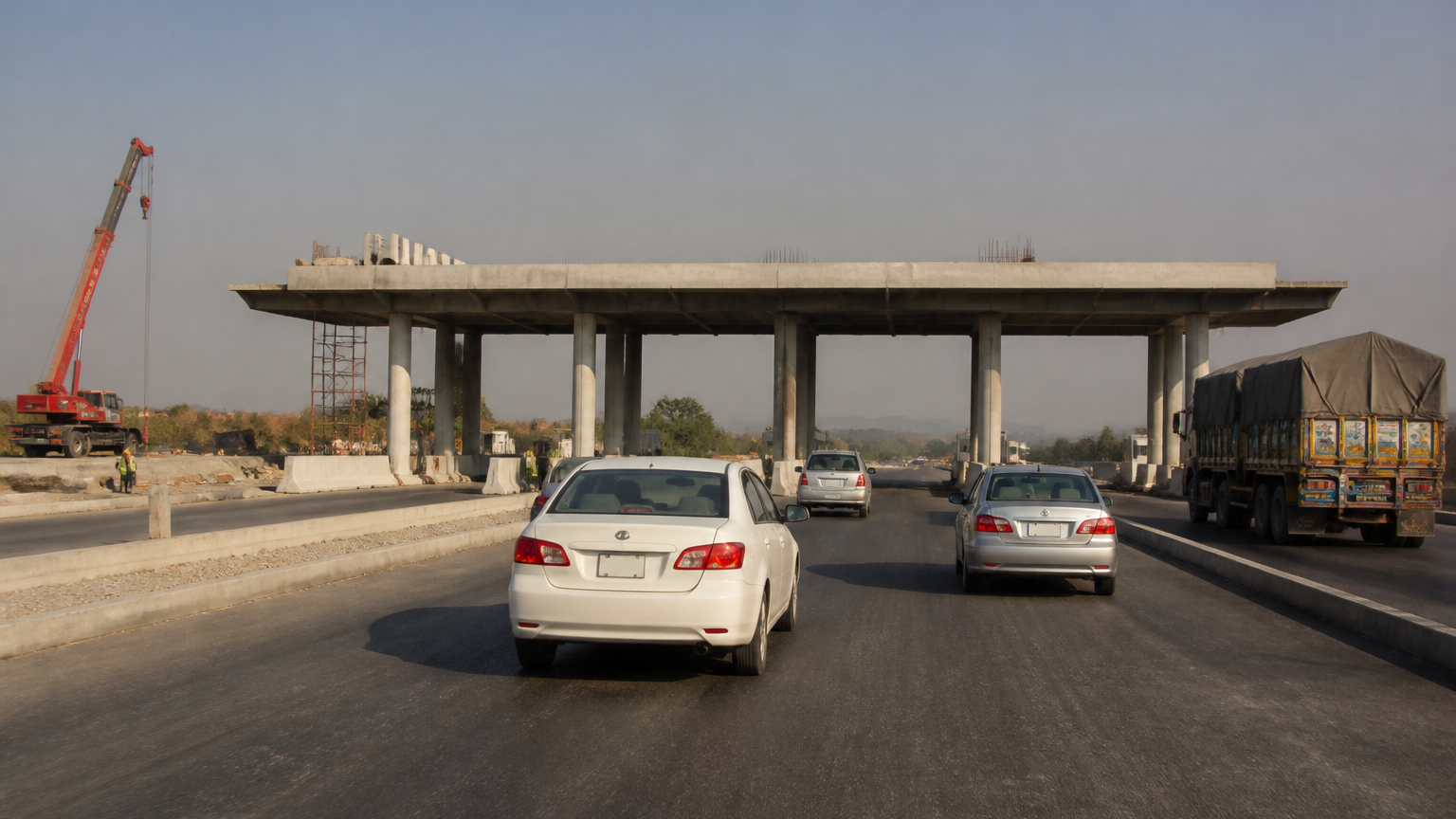
Rawalpindi Ring Road Opening Delayed by Toll Plaza Work
Rawalpindi Ring Road is structurally complete, but toll plazas and e-toll systems remain unfinished—delaying opening, toll rates and traffic relief.
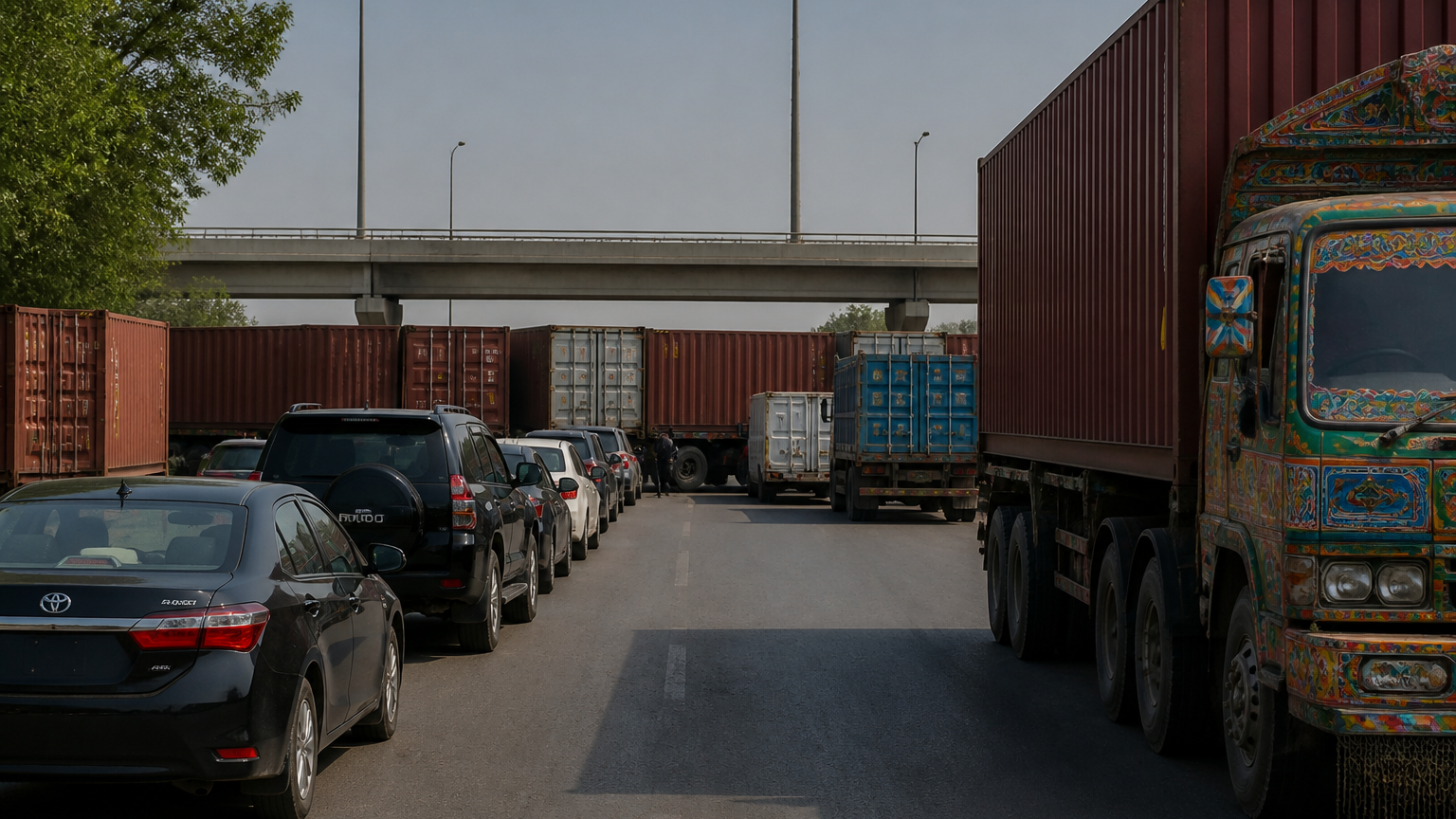
Islamabad Blockades Delay Karachi Freight Before PTI Protest
PTI’s Oct. 4 march may delay northbound freight from Karachi, affecting car parts, tyres and workshop supplies—but the scale remains unclear.
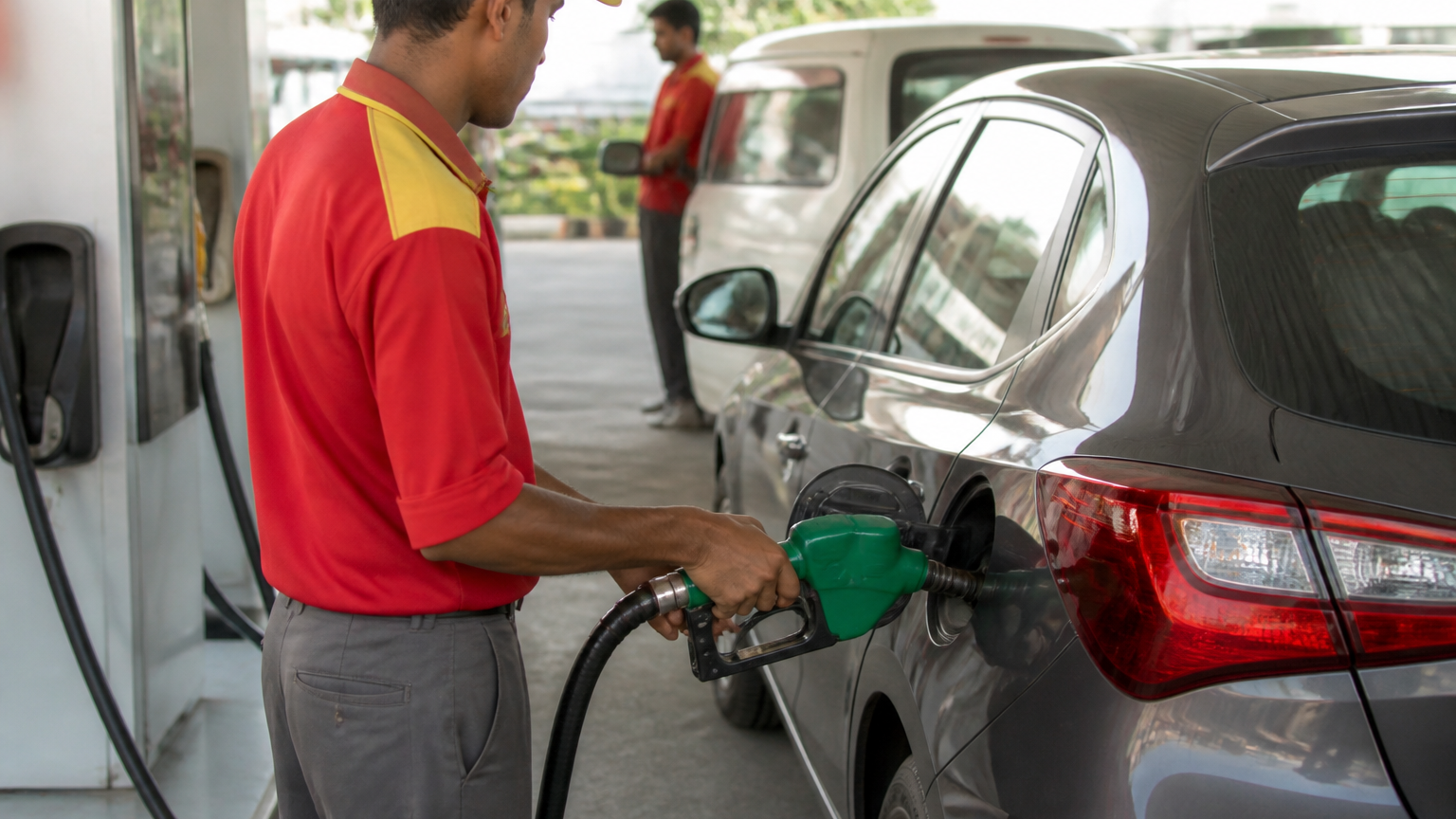
Oil Prices Near $100: Impact on Pakistan
Brent nears $100 after a sharp swing linked to China’s fuel-export curbs—but Pakistan’s petrol and diesel prices remain unchanged for now.