Punjab Token Tax Hike 2026: Cars 1000cc+ Affected
From July 1, 2026, Punjab has increased annual token tax for petrol vehicles over 1000cc. 1001-2000cc cars now pay 0.3% while engines above 2000cc pay 0.4% of invoice value. Know how it affects you.
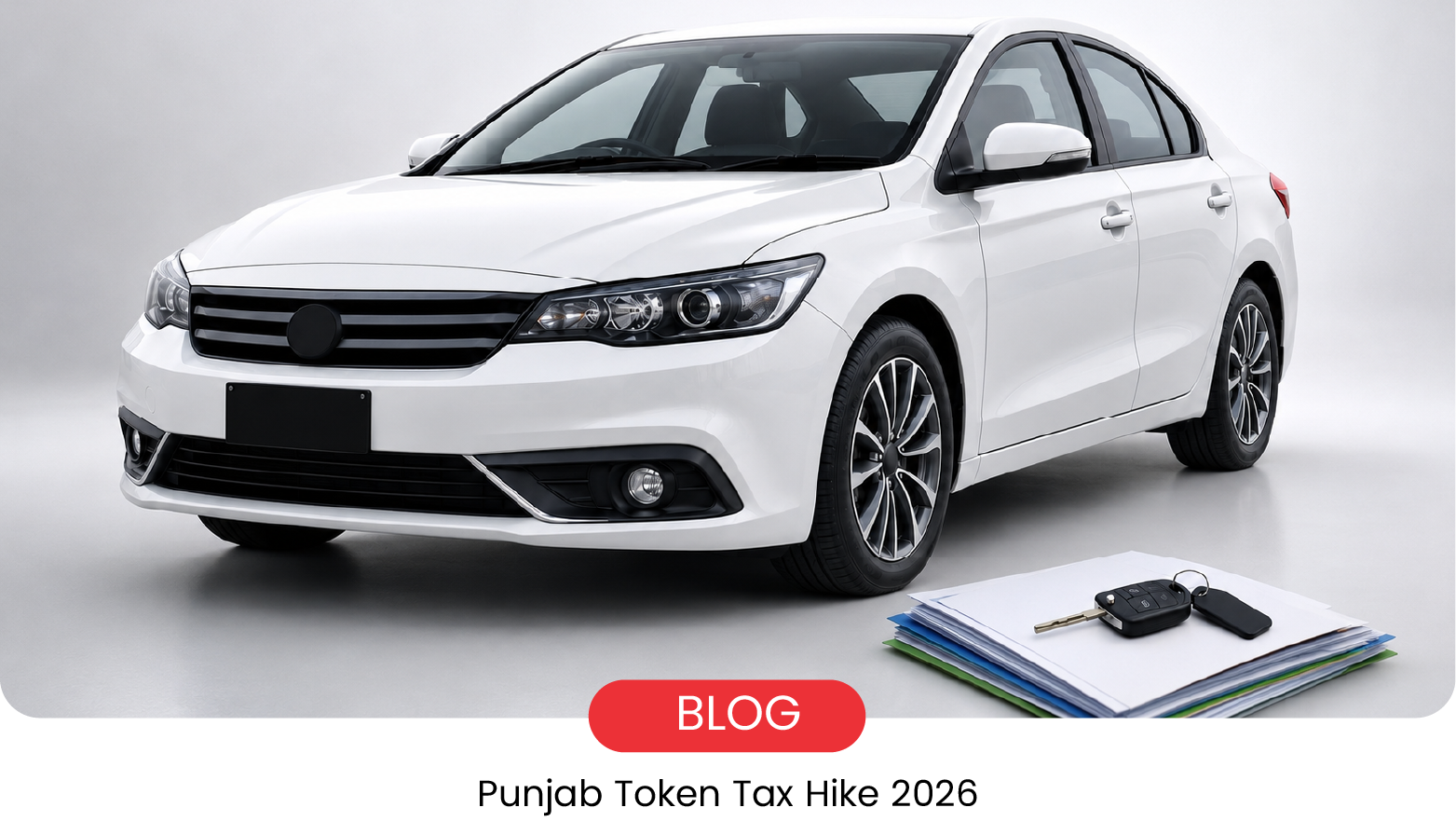
Table of Contents
- What Exactly Changed?
- Commercial Vehicles Face Bigger Jumps
- Why Did the Government Do This?
- How This Hits Different Car Owners
- What Should You Do Now?
- Broader Picture: Revenue, Roads, and Choices
- Tips to Minimize the Impact
- Final Thoughts
If you own a car with an engine bigger than 1000cc in Punjab, you probably felt the news. From July 1, 2026, the annual token tax went up. The Punjab Finance Bill 2026 made this official. It affects petrol vehicles mainly, while leaving income tax and advance tax the same.
Many people drive cars in the 1001-2000cc range. Think popular models like Corolla, Civic, or City. Others have bigger engines in SUVs or luxury cars. This hike comes after nearly two decades without major changes to these rates. It aims to bring in more revenue for the province.
What Exactly Changed?
The key shift is in how token tax is calculated for private petrol cars:
- 1001cc to 2000cc engines: Now 0.3% of the vehicle's invoice value (was 0.2%).
- Above 2000cc engines: Now 0.4% of the invoice value (was 0.3%).
Token tax is part of your annual vehicle charges. You pay it to keep your car legally registered. It does not replace other taxes.
For example, take a car with an original invoice value of Rs. 5 million (50 lakh). Under the old rate, a 1500cc car might pay around Rs. 10,000 yearly (0.2%). Now it would be Rs. 15,000 (0.3%). For a bigger 2500cc vehicle with Rs. 8 million invoice, it jumps from Rs. 24,000 to Rs. 32,000. Actual amounts depend on your specific invoice value, which the excise department uses.
These percentages apply to the original invoice value at first registration. Older cars often use notified flat rates or adjusted values, but the percentage shift hits newer and mid-age vehicles harder.
Commercial Vehicles Face Bigger Jumps
The bill also raised rates for commercial loaders and heavy vehicles, sometimes up to three times.
Examples include:
- Loaders 4,060kg to 8,120kg: From Rs. 2,200 to Rs. 6,600.
- Higher weight categories see similar proportional increases, up to Rs. 24,000 for the heaviest.
This targets businesses that use trucks and delivery vehicles. It affects transport costs, which can pass on to goods prices.
Why Did the Government Do This?
Punjab needs more revenue without new broad taxes. Provincial budgets face pressure from development projects, salaries, and services. Vehicle taxes offer a way to collect from owners who benefit from roads and infrastructure.
Officials note these rates had not seen major updates for a long time, even as vehicle prices and numbers grew. The changes also include rules like dealers registering vehicles before delivery to improve compliance.
On the positive side, electric vehicles get a big boost: up to 99% concession on token tax. This encourages cleaner options and fits environmental goals.
How This Hits Different Car Owners
Middle-class families: Many rely on 1300-1800cc cars for daily commutes, school runs, and family trips. The extra few thousand rupees per year adds up, especially with fuel costs and inflation.
Business users: Taxi, ride-hailing, or small delivery fleets with multiple cars above 1000cc will see noticeable increases in operating expenses.
Luxury and SUV owners: Bigger engines mean higher absolute amounts. A premium vehicle could cost tens of thousands more annually.
Public reaction shows frustration. Many feel squeezed by rising living costs. Some worry it could slow car sales or affect the auto sector.
But not everyone is equally hit. Smaller cars under 1000cc have different fixed rates, and EVs get relief.
What Should You Do Now?
- Check your current status: Visit the Punjab Excise website or their tax calculator. Enter your registration number to see what you owe. Pay on time to avoid penalties or issues with vehicle transfer.
- Budget for it: Add the new amount to your yearly expenses. For many, it is a few thousand rupees more.
- Consider your options:
- If buying new, compare total ownership costs, including token tax.
- Look at EVs or hybrids where incentives apply.
- Maintain good records of your invoice value and payments.
- For transfers or sales: Clear all dues first. Buyers always check token tax status.
The excise department provides online services for payments and verification. Use them to save time.
Broader Picture: Revenue, Roads, and Choices
This hike is one piece of the Punjab Finance Bill 2026. It also touches agriculture taxes and other areas. The goal seems to be steady revenue growth to fund public services without shocking the wider economy.
Roads in Punjab see heavy use. More vehicles mean more wear. Taxes help maintain them. Still, timing matters. With economic pressures, people feel every extra cost.
Over time, clearer enforcement and digital systems could make tax payment smoother. The EV push is a forward-looking step that could reduce pollution and fuel imports if adoption grows.
Tips to Minimize the Impact
- Drive efficiently: Better mileage stretches your fuel budget, indirectly helping offset tax.
- Service regularly: A well-maintained car lasts longer and holds value, making ownership costs more predictable.
- Stay informed: Follow official excise notifications. Rules can have clarifications.
- Plan ahead: If your car is due for renewal soon, calculate the new rate now.
- Explore alternatives: For urban use, smaller cars or public transport might save money long-term. For families needing space, weigh EV incentives carefully.
Final Thoughts
The token tax increase is real and effective now. It raises costs for many petrol car owners in Punjab, particularly those with engines above 1000cc. But it is not the end of the world. Understand your specific vehicle’s impact, pay promptly, and plan smartly.
If you own such a car, take a moment to verify your dues today. Small steps like this keep things under control. For businesses, review fleet costs and adjust where possible.
Changes like this remind us that vehicle ownership involves ongoing expenses. Stay updated through official channels. Drive safe, and manage your costs wisely in the months ahead.For more updates, visit DrivePK.com
Tags
Share this article
About the Author

Najeeb Khan
Automotive enthusiast and writer
Comments (0)
Login Required
You need to be logged in to comment on this article.
No comments yet. Be the first to share your thoughts!
Related Articles
Rawalpindi Ring Road Opening Delayed by Toll Plaza Work
Rawalpindi Ring Road is structurally complete, but toll plazas and e-toll systems remain unfinished—delaying opening, toll rates and traffic relief.
Islamabad Blockades Delay Karachi Freight Before PTI Protest
PTI’s Oct. 4 march may delay northbound freight from Karachi, affecting car parts, tyres and workshop supplies—but the scale remains unclear.
Oil Prices Near $100: Impact on Pakistan
Brent nears $100 after a sharp swing linked to China’s fuel-export curbs—but Pakistan’s petrol and diesel prices remain unchanged for now.