Petrol and Diesel Prices in Pakistan to Rise from March 1, 2026 What You Need to Know
Petrol and diesel prices in Pakistan will likely rise from March 1, 2026. Petrol could reach Rs 263.30 per litre after a Rs 5.13 increase, while diesel may hit Rs 282.50 with a Rs 6.80 jump. This stems from global oil surges and Middle East tensions, affecting consumers and transport.
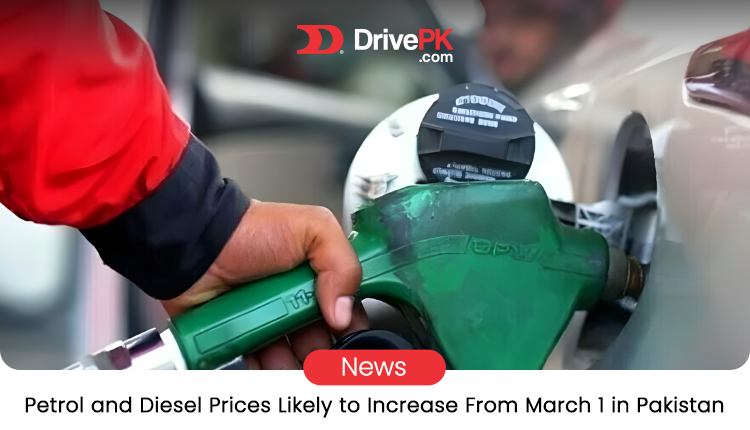
Table of Contents
- What's Behind the Price Jump?
- How This Affects Everyday Life
- Broader Context: Oil Markets and Pakistan's Role
- What Can Individuals and Policymakers Do?
- Looking Ahead
Fuel prices shape how we live every day. In Pakistan, they're about to go up once more. From March 1, 2026, expect higher costs at the pump. This isn't new, but it stings each time. Arif Habib Research shared estimates showing petrol might climb by Rs 5.13 per litre. That puts it at Rs 263.30. Diesel could see a bigger bump Rs 6.80 more, landing at Rs 282.50 per litre.
Why does this matter? For many, it's the difference between affording a commute or cutting back elsewhere. Families plan budgets around these numbers. Businesses feel it too, especially in transport and farming. And with inflation already a worry, this adds fuel to the fire—pun intended.
But let's step back. These hikes don't happen in a vacuum. Global events pull the strings. Oil isn't just a local issue; it's tied to world markets. When tensions rise abroad, we pay more here.
What's Behind the Price Jump?
The main driver is higher global oil prices. Crude oil benchmarks have been on a steady rise. Think Brent crude or West Texas Intermediate these set the tone worldwide. Lately, they've gained ground due to supply worries.
Geopolitical tensions play a big role. Iran and the United States are at odds again. Their disputes ripple through the Middle East, a key oil-producing region. When conflicts heat up, fears of disrupted supplies push prices higher. Ships might avoid certain routes, or exports could slow. It's like a chain reaction.
Refined products aren't immune either. Petrol and diesel come from processing crude oil. When global prices for these jump, import costs soar for countries like Pakistan. We rely heavily on imports to meet demand. Domestic production covers some, but not enough. So, international shifts hit us hard.
Arif Habib's report points to these factors. They've crunched the numbers based on recent trends. It's not guesswork; it's data from market watchers. And while the exact increase might shift slightly before the official announcement, the direction is clear: upward.
Remember, Pakistan adjusts fuel prices every 15 days. This keeps them in line with global changes. The government factors in exchange rates, too. If the rupee weakens against the dollar, that amplifies the pain. Right now, with oil climbing, we're in for it.
How This Affects Everyday Life
Higher fuel prices touch everything. Start with transport. Commuters in cities like Karachi or Lahore might rethink their drives. Public buses and rickshaws could charge more. For truckers hauling goods, diesel hikes mean tighter margins. That leads to pricier food and essentials at markets.
Farmers face tough choices. Diesel powers tractors and irrigation pumps. In Punjab's fields or Sindh's farms, costs rise, squeezing profits. Some might delay planting or cut back on fertilizer. Down the line, that could mean higher food prices for all.
Households feel the pinch directly. Cooking gas might not change, but transport costs add up. A family trip to the grocery store gets pricier. Students biking to school save some, but most rely on vehicles. And in rural areas, where alternatives are few, it's even harder.
The economy as a whole slows a bit. Inflation ticks up, eroding purchasing power. Businesses pass on costs, but consumers buy less. It's a cycle we've seen before. During past hikes, like in 2022 or 2023, growth dipped. This time, with recovery still fragile post-floods and pandemics, it's unwelcome.
But it's not all doom. Some sectors adapt. Electric vehicles gain appeal, though they're still niche here. Solar pumps help farmers in spots. And government subsidies sometimes soften the blow for the poorest.
Broader Context: Oil Markets and Pakistan's Role
Pakistan isn't a big oil producer. We import about 80% of our needs. That makes us vulnerable to swings. OPEC decisions matter a lot. If they cut output to boost prices, we pay. Saudi Arabia and the UAE are key suppliers.
Lately, demand from China and India has grown. As economies rebound, they suck up more oil. That tightens supply globally. Add US sanctions on Iran, and the mix gets volatile. Iran's oil flows unofficially, but tensions disrupt that.
Climate change lurks in the background. Extreme weather hits refineries or shipping. Think hurricanes in the Gulf or droughts affecting ports. These aren't daily headlines, but they build pressure over time.
For Pakistan, energy security is key. We've pushed for more local exploration. Fields in Balochistan or Khyber Pakhtunkhwa hold promise. Refineries like PARCO upgrade to handle more. But progress is slow. Pipelines from Iran or Central Asia face delays due to politics.
What Can Individuals and Policymakers Do?
On a personal level, conserve fuel. Drive less, carpool more. Maintaining your vehicle's proper tire pressure saves gas. Switch to efficient bulbs or appliances to cut overall energy use.
For the government, diversify sources. Invest in renewables like solar and wind. Hydro projects help too. Tax reforms could stabilize prices. And building strategic reserves buffers shocks.
Long-term education on energy matters. Schools could teach basics of global markets. That way, people understand hikes aren't just arbitrary.
Businesses might hedge against rises. Buy futures or stock up. But that's for bigger players.
Looking Ahead
This hike starts on March 1, but it's part of a pattern. Oil prices fluctuate. If tensions ease, relief might come next cycle. Watch for official Petroleum Division announcements when they finalize it.
In the end, fuel prices remind us of our connected world. What happens in the Middle East echoes here. Stay informed, plan ahead, and adapt. That's how we navigate these changes. For more updates, visit DrivePK.com
Tags
Share this article
About the Author

Najeeb Khan
Automotive enthusiast and writer
Comments (0)
Login Required
You need to be logged in to comment on this article.
No comments yet. Be the first to share your thoughts!
Related Articles
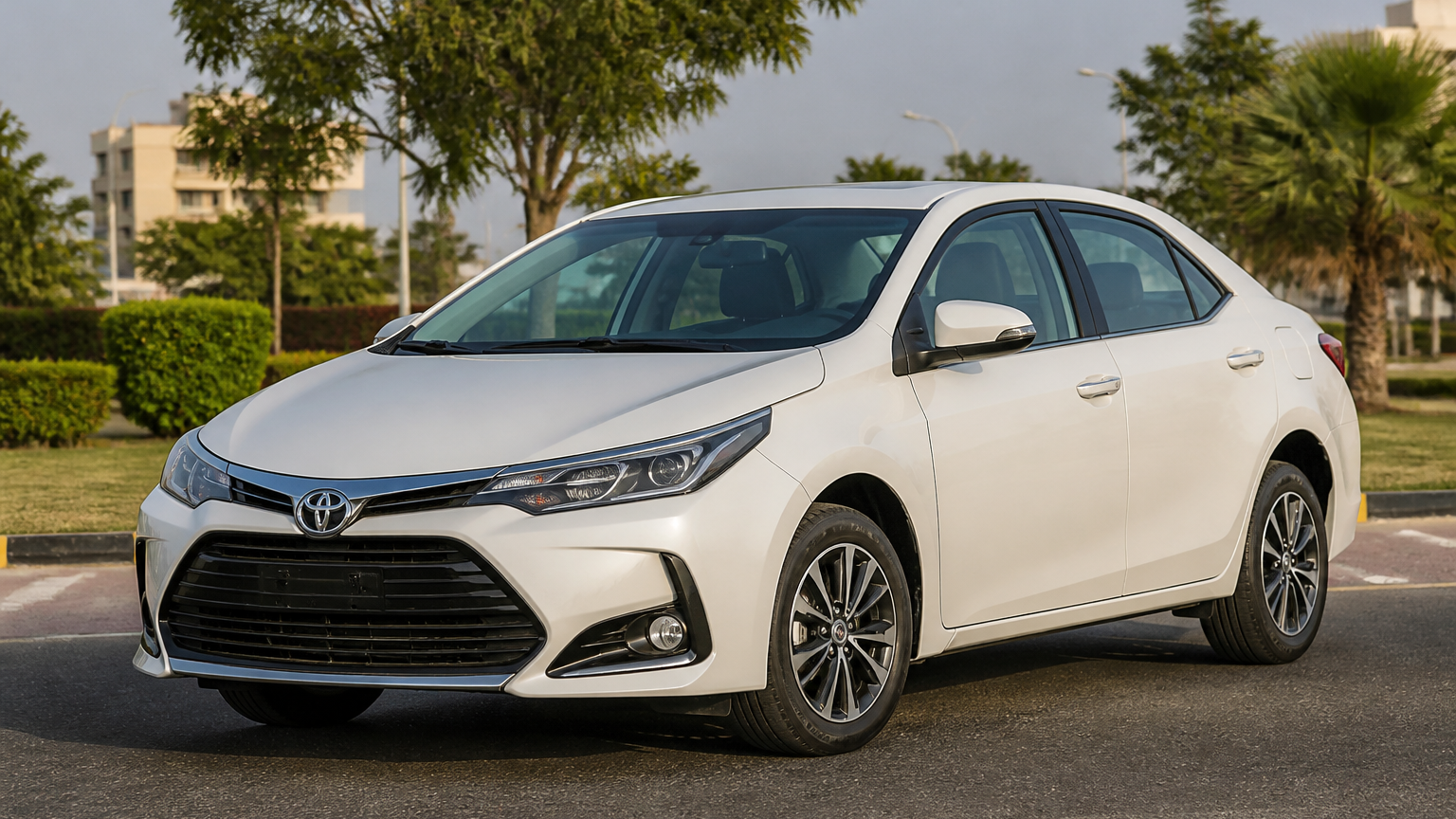
Toyota Corolla Discontinued Before Pakistan Facelift
Pakistan’s pre-facelift Toyota Corolla is reportedly discontinued, hinting at a facelift. Prices, bookings, specs and launch timing remain unconfirmed.
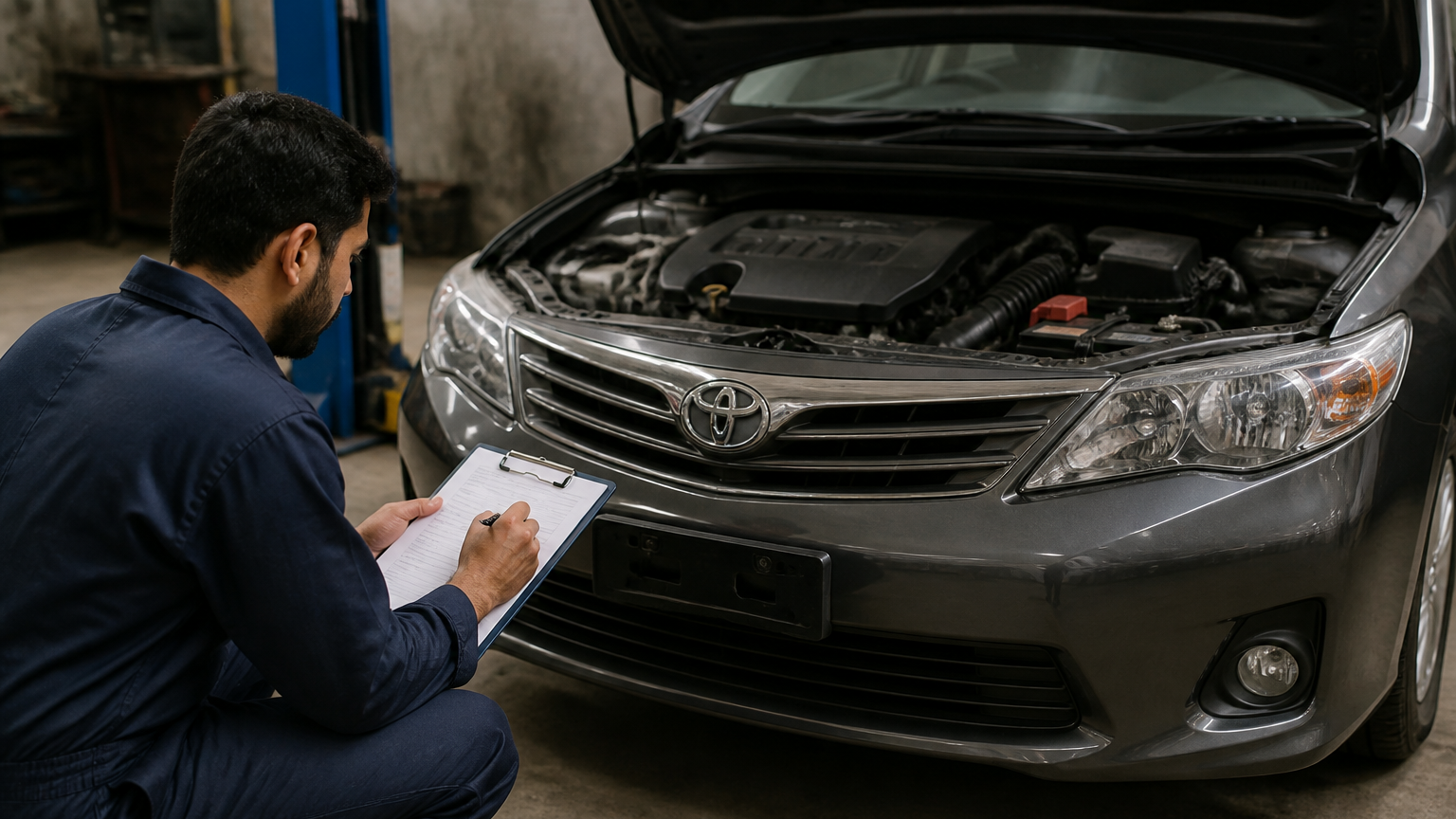
DrivePK Car Inspection Reports: Buy with Confidence
Buying a used car in Pakistan? A pre-purchase inspection can reveal hidden damage, engine issues and red flags before you pay—but it’s not enough alone.

2028 Kia Sportage: Major Design Changes Spotted
Kia’s next Sportage may get a bolder, boxier redesign, with an upright profile, sharper lines, wider grille and split headlights hinted by spy shots.