Petrol and Diesel Prices Up in Pakistan: New Rates from February 16, 2026
The government has increased petrol and diesel prices for the fortnight starting February 16, 2026. Petrol is up by Rs 5 to Rs 258.17 per litre, while diesel rose by Rs 7.32 to Rs 275.70. This move, driven by international oil prices and exchange rates, will likely push up transportation costs and contribute to inflation across the country.
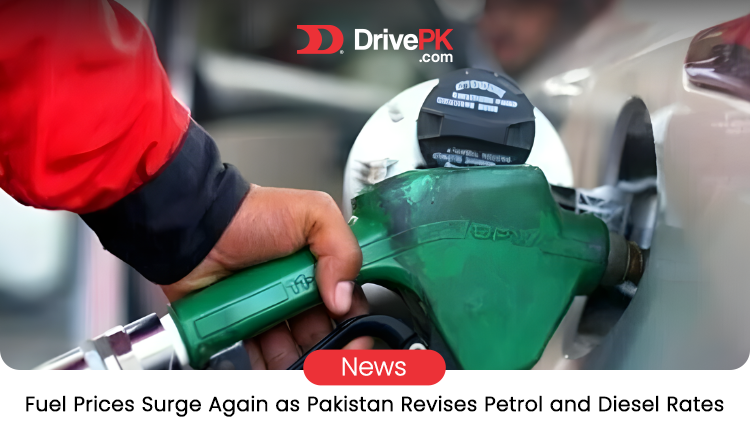
Table of Contents
- The New Rates at a Glance
- Why Did Prices Go Up?
- How It Hits Your Pocket
- Transportation Costs Will Climb
- Agriculture Feels the Pressure
- Inflation Is Likely to Tick Up
- What Can You Do to Manage?
- What to Expect Next
- The Bottom Line
The government just announced another increase in fuel prices. It starts today, February 16, 2026, and it will last for the next two weeks. Petrol now costs Rs 258.17 per litre. That’s Rs 5 more than before. Diesel is at Rs 275.70 per litre, up by Rs 7.32.
These changes come from the Oil and Gas Regulatory Authority, or OGRA. They review prices every fortnight based on what’s happening in the global market and with the rupee.
The New Rates at a Glance
| Fuel Type | Old Price (Rs/litre) | New Price (Rs/litre) | Increase (Rs/litre) |
|---|---|---|---|
| Petrol | 253.17 | 258.17 | 5.00 |
| High-Speed Diesel | 268.38 | 275.70 | 7.32 |
The diesel hike is bigger. That matters because most trucks, buses, and farm machines run on diesel.
Why Did Prices Go Up?
It boils down to two things: international oil prices and the exchange rate.
Global crude oil costs moved up recently. Add in the value of the rupee against the dollar, and the landed cost of fuel in Pakistan went higher. The government passed on most of that increase.
This is how the system works here. Prices adjust every 15 days. Sometimes they go down. This time, they went up.
How It Hits Your Pocket
If you drive a car or bike for work, you’ll notice it right away. A full tank might cost Rs 200–300 extra. Rickshaw and taxi fares could rise soon.
But the real pain comes from diesel. It moves almost everything in the country.
Transportation Costs Will Climb
Think about the buses you take or the goods that reach your local market. Most heavy transport runs on diesel. When its price goes up, operators pass the cost on to passengers and customers.
In cities like Rawalpindi, Lahore, and Karachi, daily commutes might get pricier. Small delivery bikes and vans that use petrol will also feel the pinch, but diesel trucks carry the bulk of freight.
Food items that travel long distances—vegetables from farms in Punjab, fruits from Sindh—will likely cost more in the coming weeks.
Agriculture Feels the Pressure
Farmers use diesel for tractors, tube-wells, and threshers. A Rs 7.32 increase per litre adds up fast when you run machinery for hours.
Higher input costs often mean higher prices for wheat, rice, vegetables, and milk. That hits everyone, but especially families who spend a big part of their income on food.
Inflation Is Likely to Tick Up
Fuel is the backbone of the economy. When its price rises, the effect spreads.
Transport companies raise fares. Shops increase prices of goods. Factories that use energy see their costs go up. All of this feeds into overall inflation.
The government is already charging a high petroleum levy—around Rs 105 on petrol and Rs 97 on diesel. This helps fill the budget, but it also means consumers bear most of the burden when global prices move.
What Can You Do to Manage?
Small changes help.
- Plan your trips better. Combine errands instead of making separate runs.
- Keep your vehicle tuned. Good air pressure and clean filters can save 5–10% on fuel.
- Use public transport when possible. Many people in Pakistan already rely on buses and trains.
- For businesses, look at route planning or load sharing to cut diesel use.
These steps won’t erase the hike, but they soften the blow.
What to Expect Next
The next review comes in two weeks. If global prices fall or the rupee strengthens, we might see some relief. If not, another increase is possible.
Pakistan’s fuel prices have gone through many ups and downs in recent years. This one follows the usual fortnightly pattern.
The Bottom Line
Higher fuel prices are never good news. They make daily life a bit harder and add to the cost of running a household or business.
Still, understanding why it happened and how it spreads helps you prepare. Keep an eye on the next announcement. In the meantime, drive smart and spend wisely.For more updates, visit DrivePK.com
Tags
Share this article
About the Author

Najeeb Khan
Automotive enthusiast and writer
Comments (0)
Login Required
You need to be logged in to comment on this article.
No comments yet. Be the first to share your thoughts!
Related Articles
Toyota Corolla Discontinued Before Pakistan Facelift
Pakistan’s pre-facelift Toyota Corolla is reportedly discontinued, hinting at a facelift. Prices, bookings, specs and launch timing remain unconfirmed.
DrivePK Car Inspection Reports: Buy with Confidence
Buying a used car in Pakistan? A pre-purchase inspection can reveal hidden damage, engine issues and red flags before you pay—but it’s not enough alone.
2028 Kia Sportage: Major Design Changes Spotted
Kia’s next Sportage may get a bolder, boxier redesign, with an upright profile, sharper lines, wider grille and split headlights hinted by spy shots.