Punjab Electric Buses Expand to Smaller Districts 2026
Punjab is pushing electric buses into smaller towns like Khanewal, Khushab, and Bhakkar. With more districts joining soon and hundreds of new vehicles on the way, this shift promises cleaner air, cheaper rides, and better access for everyday commuters. Here's what it means for you.
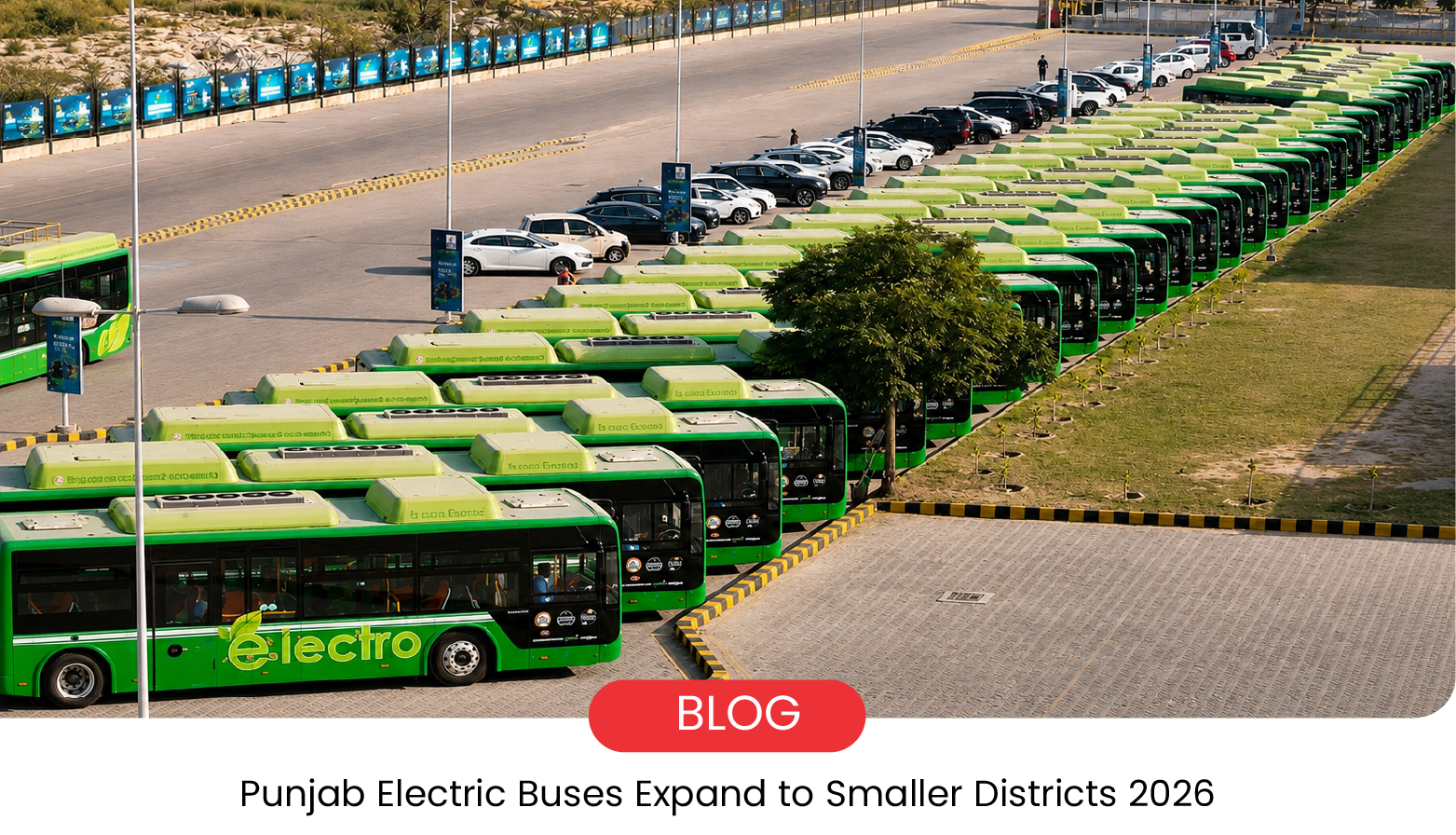
Table of Contents
- What the Expansion Looks Like Right Now
- Why This Matters for Everyday Life
- Cleaner Air and Real Environmental Gains
- Challenges on the Road Ahead
- How It Connects to Daily Pain Points
- Looking Forward
- Final Thoughts
You know how daily travel in Punjab can feel exhausting. Dusty roads, high fuel costs, and crowded old buses make commutes tough. But things are changing. The provincial government is bringing electric buses to towns that rarely see modern transport.
Electric buses now run on 13 routes across Khanewal, Khushab, Bhakkar, Attock, Mandi Bahauddin, and Hafizabad. In Khushab, 15 buses operate from the General Bus Stand to places like Girot Chowk and Mangowal. Khanewal has nine buses on routes to Jahanian and Kabirwala. People there like the quiet ride and clean feel.
This is not just for big cities anymore. The plan takes green transport to tehsils and smaller areas. It directly helps students, workers, and families who depend on public options every day.
What the Expansion Looks Like Right Now
By the end of July 2026, services will start in 14 more districts. Lahore, Gujranwala, and Multan will each get 12 buses. Chiniot, Layyah, Okara, and Sialkot get 10 each. Murree, Gujrat, Sheikhupura, Vehari, Kasur, Lodhran, Nankana Sahib, and Narowal will receive 11 buses apiece.
The government expects 488 more electric buses to arrive by the end of August 2026. This will help reach the target of 1,500 buses across the province. Longer term, plans go up to 5,000 electric buses in five years.
In Gujrat, 11 buses have already arrived. Charging stations at the General Bus Stand on Old GT Road are getting ready. Officials aim to start services around mid-July. New routes and proper infrastructure should make it smooth for local commuters.
These buses come with air conditioning, USB charging points, wheelchair access, and separate spaces for women. They feel modern and safe compared to older options.
Why This Matters for Everyday Life
Fuel prices keep rising. Many families spend a big chunk of their income just getting around. Electric buses charge at a fixed low fare, usually around Rs 20 per trip. Women, students, senior citizens, and persons with disabilities often ride free. This changes things for students heading to college or women going to work.
The buses run quieter and smoother. No more loud engines or thick smoke at stops. That alone makes waiting and traveling less stressful.
Cleaner Air and Real Environmental Gains
Punjab faces serious air pollution from traffic and old vehicles. Diesel buses pump out CO2, particulate matter, and nitrogen oxides that harm lungs and the environment. Electric buses produce zero tailpipe emissions. Studies on similar shifts show big drops in daily CO2, sometimes 30% or more on busy routes when fleets go electric.
One analysis of Pakistani urban routes found that full-electric fleets could significantly cut emissions compared to all-diesel setups. Less pollution means fewer respiratory issues and a healthier environment for kids and older people.
Noise drops too. Electric motors run much quieter than diesel engines. Cities and towns feel calmer. Over time, this supports broader goals like better air quality and lower dependence on imported fuel.
Challenges on the Road Ahead
No big project is perfect. Charging infrastructure requires reliable power and careful planning, especially in smaller towns. Battery performance in hot weather and maintenance skills for local teams matter. The government is setting up dedicated depots and command centers to track buses in real time.
Importing buses costs money, but local assembly and manufacturing could grow jobs and cut future expenses. Success depends on keeping services reliable, fares affordable, and routes useful for real needs.
People in pilot areas already show positive response. Riders appreciate the comfort and punctuality. Word spreads fast in towns where options used to be limited.
How It Connects to Daily Pain Points
Think about a student in Bhakkar or a worker in Mandi Bahauddin. Before, travel meant unreliable schedules and high costs. Now, safe, air-conditioned rides with free options for many make life easier. Women feel more secure with dedicated spaces. Families save money that can go toward food, education, or other needs.
This is not flashy hype. It is practical change that touches routines. Better transport opens doors to jobs, schools, and markets, especially in areas outside Lahore or Multan.
Looking Forward
The 1,500-bus target for the first phase covers 91 tehsils across multiple divisions. It pairs with other green moves like electric bikes and taxis. Punjab Transport Company and district teams handle operations with central monitoring.
As more buses arrive and routes expand, the network should grow stronger. Integration with existing transport, more charging points, and public feedback will shape the next steps.
This expansion shows a clear direction: make public transport reliable, clean, and reachable for ordinary Punjabis. It addresses traffic, pollution, and cost issues head-on.
Final Thoughts
Punjab's electric bus rollout is moving fast. From Khanewal and Khushab today to dozens more districts soon, the shift brings tangible benefits. Lower costs, cleaner air, comfortable rides, and wider access matter to students, workers, families, and the environment.
Watch for updates in your area. If you live in one of the new districts, try the service when it starts. Share your experience. Small steps like these add up to real change in how we move around.
The coming months will test and improve the system. With steady progress on buses, charging, and routes, Punjab could set an example for greener public transport across Pakistan. It is a practical effort worth following. For more updates, visit DrivePK.com
Tags
Share this article
About the Author

Najeeb Khan
Automotive enthusiast and writer
Comments (0)
Login Required
You need to be logged in to comment on this article.
No comments yet. Be the first to share your thoughts!
Related Articles
Toyota Corolla Discontinued Before Pakistan Facelift
Pakistan’s pre-facelift Toyota Corolla is reportedly discontinued, hinting at a facelift. Prices, bookings, specs and launch timing remain unconfirmed.
DrivePK Car Inspection Reports: Buy with Confidence
Buying a used car in Pakistan? A pre-purchase inspection can reveal hidden damage, engine issues and red flags before you pay—but it’s not enough alone.
2028 Kia Sportage: Major Design Changes Spotted
Kia’s next Sportage may get a bolder, boxier redesign, with an upright profile, sharper lines, wider grille and split headlights hinted by spy shots.