Punjab Excise Stops Fines for Private Vehicle Number Plates
Punjab Excise has instructed traffic police to stop fining for privately manufactured vehicle number plates that comply with approved formats. The February 19, 2026, letter ends centralized production, easing rules for citizens.
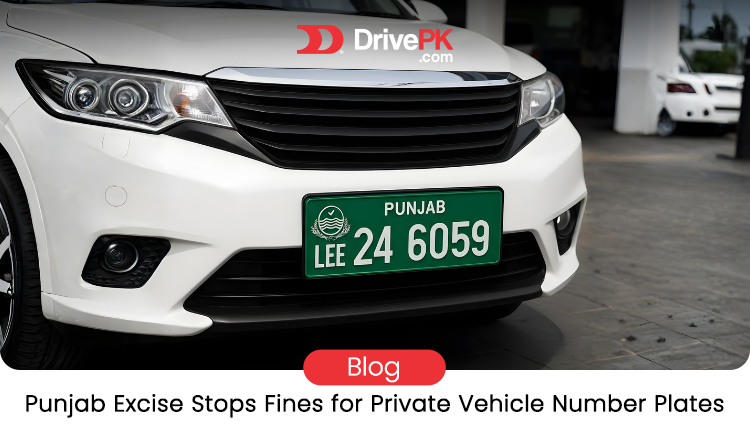
Table of Contents
- The Big Shift in Number Plate Rules
- What the Letter Says Exactly
- How This Affects Drivers in Punjab
- Punjab Number Plate Specs You Must Know
- Tips for Getting New Plates Without Hassle
- Potential Downsides and What’s Next
- Final Thoughts: Drive Freely in Punjab
Driving in Punjab just got a bit easier. The Excise, Taxation, and Narcotics Control Department has told traffic police to stop fining people for using privately made number plates. As long as they match the official Punjab design, you're good. This change came in a letter on February 19, 2026. It ends the old rule where only government plates were allowed. Now, folks can get plates from anywhere without worry. This cuts red tape and saves time for everyone on the road.
The Big Shift in Number Plate Rules
For years, drivers in Punjab had to get "original" plates from the government. That meant lines, fees, and hassle. But centralized production is over. The department stopped making them and collecting charges. Traffic cops used to pull people over and fine them for private plates. Not anymore. The letter makes it clear: check if the plate follows specs, but don't penalize for where it came from.
This fixes a common complaint. Many got tickets during routine stops, even if the plates looked right. It caused frustration and extra costs. Now, the focus is on compliance, not origin. If your plate has the right size, font, and details, officers should leave you alone. It's a win for vehicle owners across cities like Lahore, Rawalpindi, and Faisalabad.
Why the change? Demand outgrew supply. Private makers filled the gap, but rules lagged. This update brings policy in line with reality. It also reduces burden on government offices. Expect smoother registrations and fewer disputes at checkpoints.
What the Letter Says Exactly
The directive went to Punjab Traffic Police from the Director General of Excise. It highlights issues during road checks. Some officers demanded government plates and fined on the spot. That's done. Instructions are straightforward: verify format only. No fines or harassment for private ones.
Key points from the letter:
- Centralized plate production halted.
- No more fees for official plates.
- Citizens are free to use private manufacturers.
- Police must avoid inconvenience to the public.
This applies to cars, bikes, and other vehicles. If you're in Rawalpindi or Multan, this means less stress during inspections. The change took effect right away, so it's active now.
How This Affects Drivers in Punjab
Picture this: you're heading to work in Rawalpindi, and a cop stops you. Before, a private plate might mean a fine. Now, if it meets standards, you drive on. That's relief for daily commuters. New buyers can skip government waits and go private from day one.
For bike owners, it's huge. Motorcycles flood Punjab roads, and plates were a pain point. No more rushing to excise offices. Private shops are everywhere, often faster and cheaper. Just ensure they follow Punjab rules—white background, black letters, specific dimensions.
Businesses benefit too. Fleet owners can standardize plates without government delays. It speeds up operations in transport hubs like Lahore. And for rural areas, access improves since local makers are closer.
From a safety view, proper plates help identify vehicles. The rule keeps that intact. Non-compliant ones still get fined, so standards stay high. This balances freedom with order.
But watch out. Not all private plates qualify. Check specs on the excise website. Wrong font or size? That's still a ticket. Ignorance won't help.
Punjab Number Plate Specs You Must Know
To stay safe, know what makes a plate legal. Punjab has clear guidelines:
- Cars: Front and rear plates, 500mm x 120mm, reflective white with black embossed letters.
- Bikes: Rear plate 200mm x 150mm, same colors.
- Font: Specific style, no fancy scripts.
- Details: Registration number, authority name, all visible.
No stickers or covers that obscure. Plates must be fixed properly, not loose. If yours matches, no issues.
Unsure? Visit an excise office or check online. They have samples. Private makers should know how to ask for compliant ones.
Tips for Getting New Plates Without Hassle
Ready for new plates? Go private. Find a reputable shop in your area. In Rawalpindi, markets have plenty. Bring your registration book and ID.
Steps:
- Choose a maker who guarantees Punjab compliance.
- Provide vehicle details.
- Pay usually less than government fees.
- Install right away.
If replacing lost ones, report to the police first. Then get duplicates privately.
Spread awareness. Tell the family in Punjab about this. It prevents unnecessary fines.
This isn't temporary. It's a permanent shift unless rules change. Keep an eye on excise updates.
Potential Downsides and What’s Next
Every change has catches. Some worry about fake plates rising. But police still check authenticity via databases. Focus on format, not maker.
Over time, this could lead to more innovations, like eco-friendly materials. The government might partner with the private sector for quality control.
For now, enjoy the ease. Punjab roads are busy; less time on paperwork means more time on driving safely.
Final Thoughts: Drive Freely in Punjab
This directive from Excise is practical. No fines for compliant private plates end a long-standing issue. Issued February 19, 2026, it's helping motorists now. Check your plates, follow specs, and hit the road without fear. Safer, simpler travel for all. For more updates, visit DrivePK.com
Tags
Share this article
About the Author

Najeeb Khan
Automotive enthusiast and writer
Comments (0)
Login Required
You need to be logged in to comment on this article.
No comments yet. Be the first to share your thoughts!
Related Articles
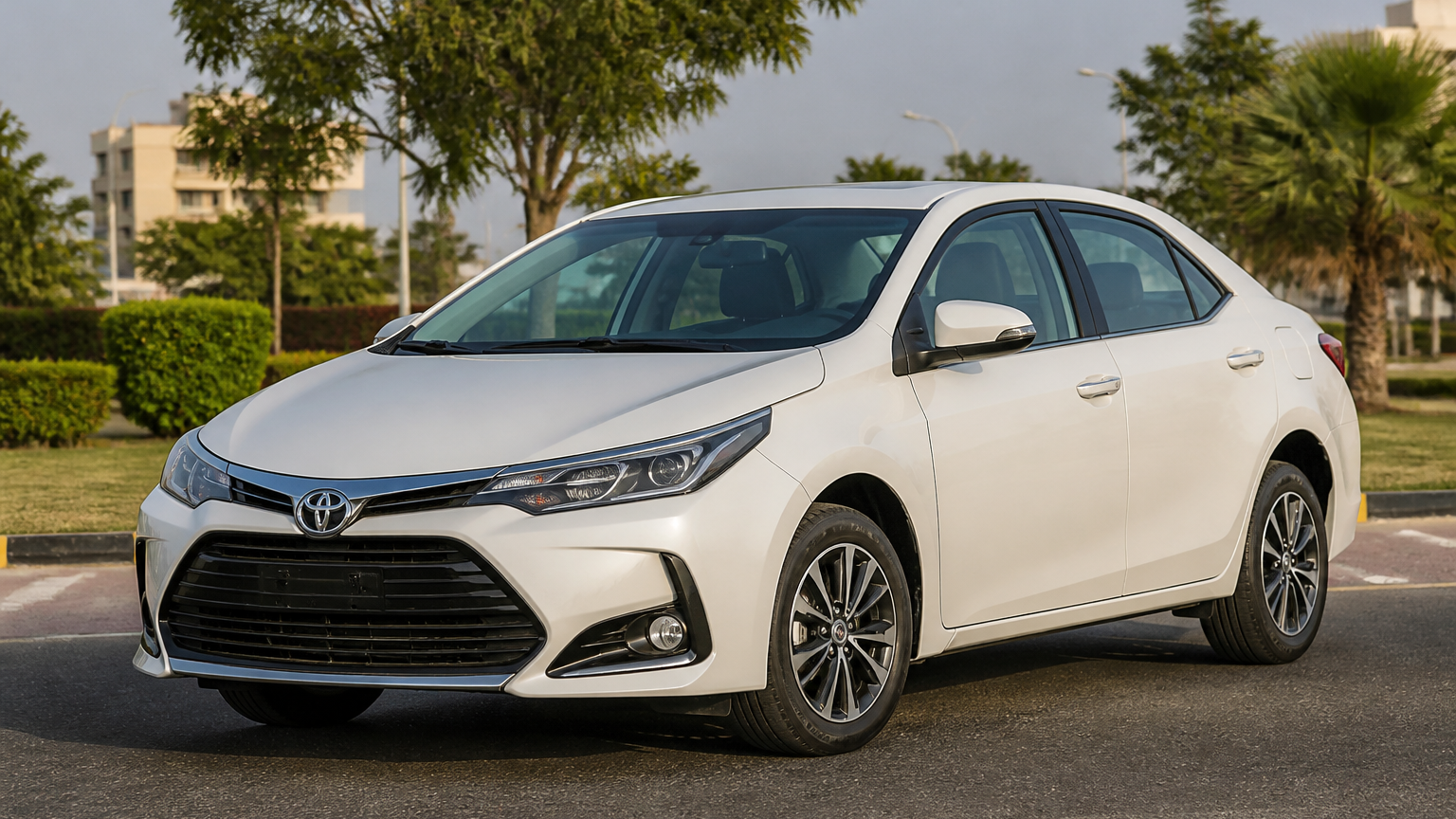
Toyota Corolla Discontinued Before Pakistan Facelift
Pakistan’s pre-facelift Toyota Corolla is reportedly discontinued, hinting at a facelift. Prices, bookings, specs and launch timing remain unconfirmed.
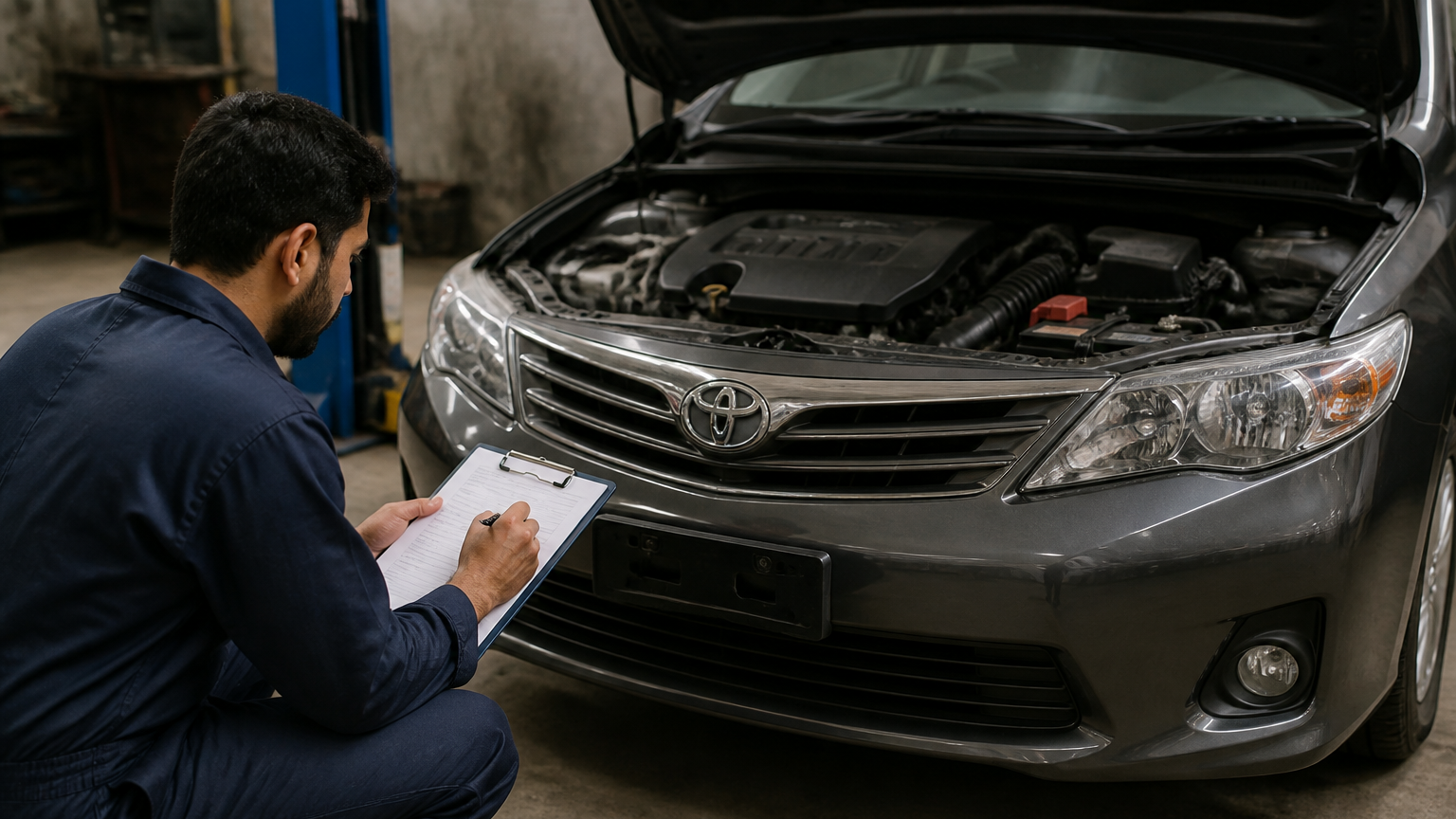
DrivePK Car Inspection Reports: Buy with Confidence
Buying a used car in Pakistan? A pre-purchase inspection can reveal hidden damage, engine issues and red flags before you pay—but it’s not enough alone.
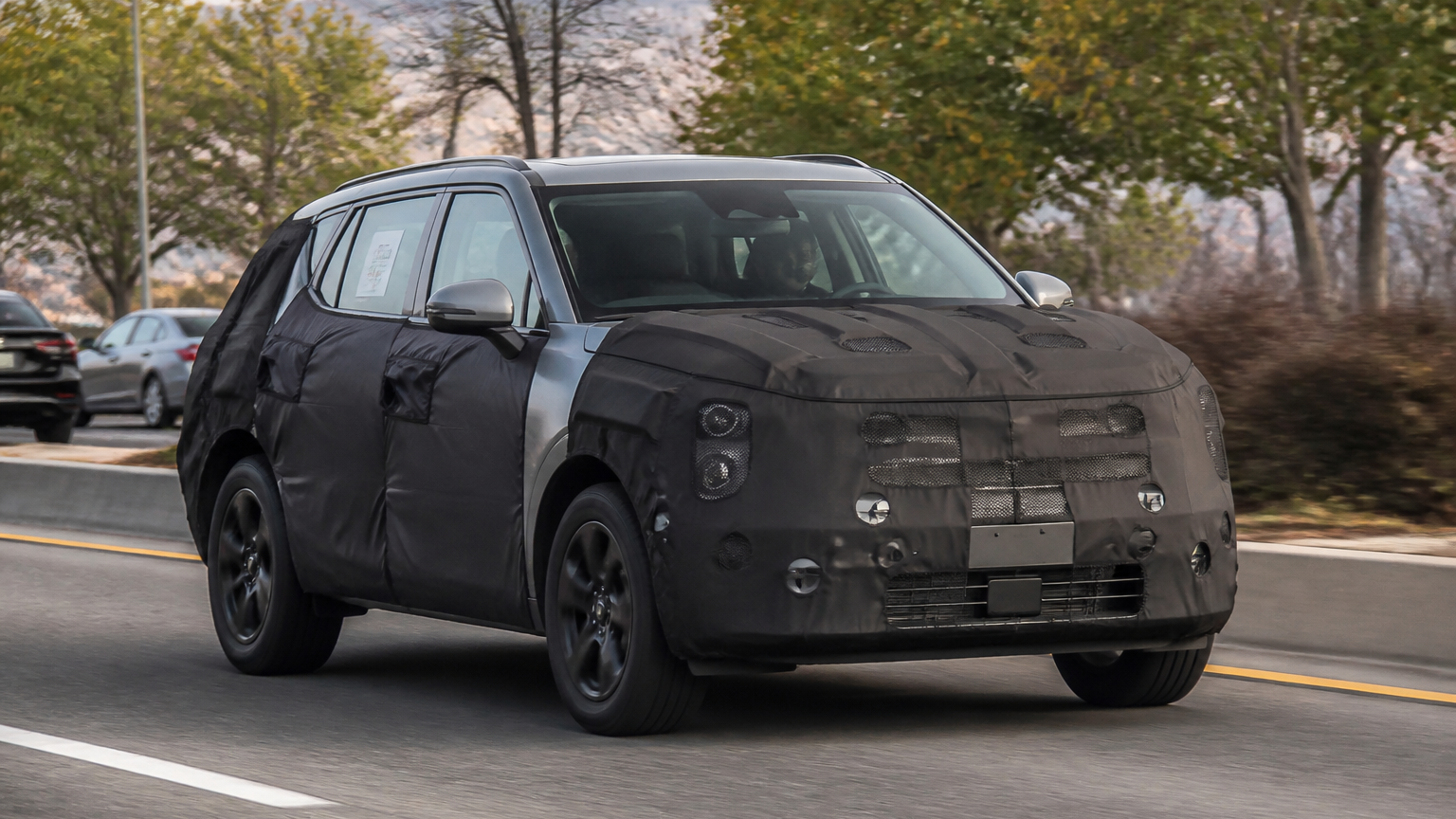
2028 Kia Sportage: Major Design Changes Spotted
Kia’s next Sportage may get a bolder, boxier redesign, with an upright profile, sharper lines, wider grille and split headlights hinted by spy shots.