Punjab Approves 50 AI Electric Vehicles for Police
Punjab approves 50 AI-powered EVs for police, plus 10 Murree vehicles—but models, costs, charging, delivery and “AI” details remain unclear.
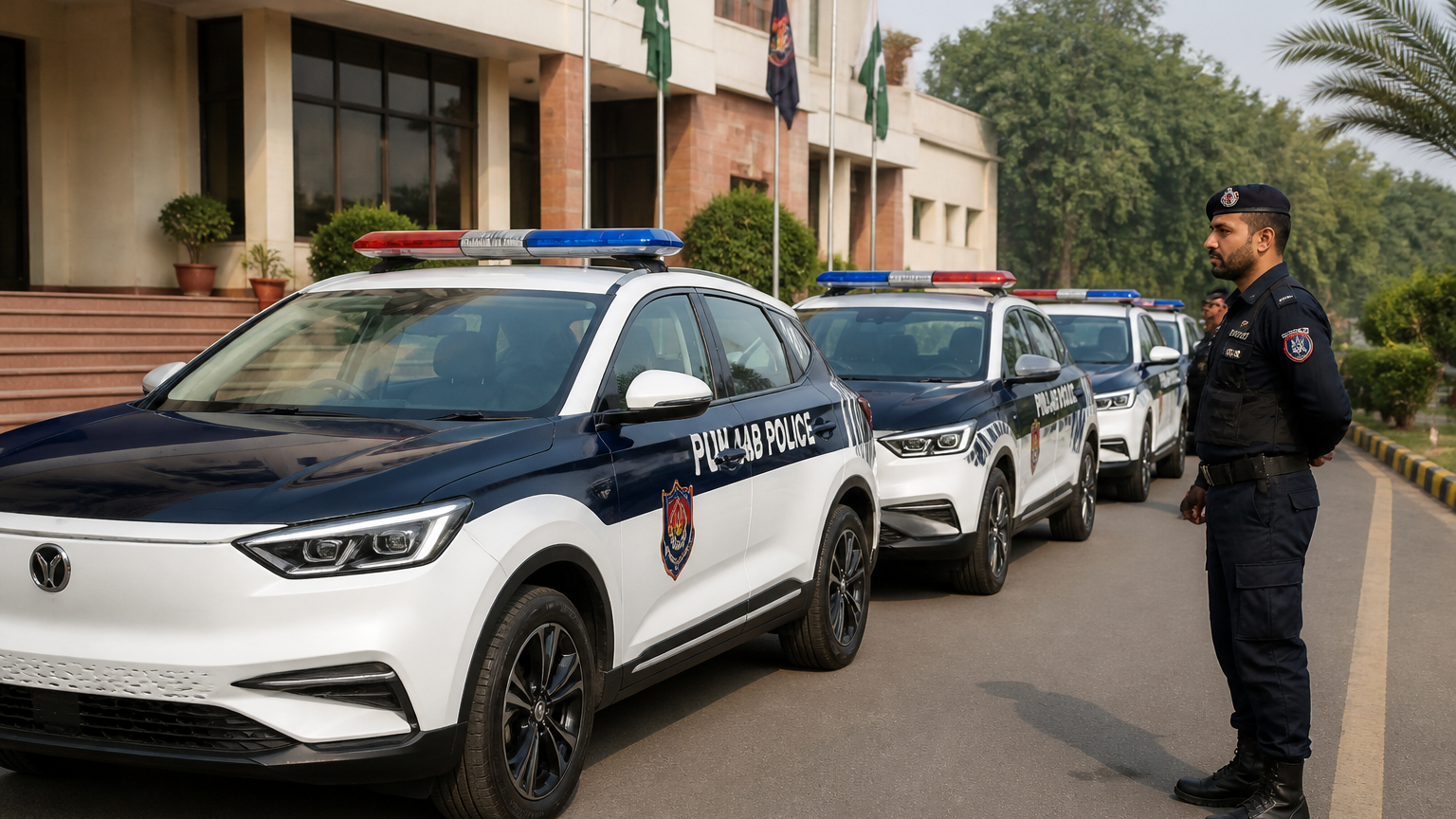
Business Recorder reported that the Punjab Cabinet approved procurement of 50 AI-powered electric vehicles for Punjab Police in its 38th meeting on November 25, 2026, chaired by Chief Minister Maryam Nawaz. The same reported decision also included 10 additional operational vehicles for Murree Police. What’s still missing is the part Pakistani readers actually need: the models, prices, charging plan, delivery date, and what “AI-powered” really means.
What did the Punjab Cabinet approve for the police?
The key point is simple. This was an approval to move ahead with procurement, not proof that the vehicles have already been bought or sent to police units.
Business Recorder’s reported claim, as carried by a source report, says the cabinet approved:
- 50 AI-powered electric vehicles for Punjab Police
- 10 additional operational vehicles for Murree Police
- the decision in the 38th cabinet meeting held on November 25, 2026
- the meeting chaired by Chief Minister Maryam Nawaz
That is a real policy step. But it still leaves a lot open. For background, read our earlier coverage: Punjab Makes EV Charging Stations Mandatory at New Petrol Pumps.
What is still unknown?
Right now, the public does not know the most important details. No official document in the supplied material gives:
- the vehicle maker or model
- the body type, such as car, SUV, van, or mixed fleet
- the total procurement cost
- battery size and driving range
- charging equipment and charging locations
- delivery timeline
- which police units will get them
- warranty and maintenance terms
- what “AI-powered” means in practice
- data handling, privacy, and cybersecurity rules
That last point matters a lot. “AI-powered” sounds modern, but it does not tell us whether the vehicles have driver-assist tools, fleet tracking, camera systems, or something else entirely. Until a tender or technical sheet appears, it’s just a broad label.
If you follow EV policy closely, you may want to read DrivePK’s explainer on What Are Electric Vehicles and How Do They Work?. It helps make sense of the basics before jumping to conclusions about any government fleet.
Why this is a bigger test than a normal fleet purchase
A police vehicle has to do more than look modern. It needs to start every time, cover long duty hours, and get back on the road fast after a shift.
That’s where EVs face the real test:
- Charging access must be reliable, especially for vehicles on duty for long hours.
- Uptime matters more than private use, because police fleets can’t afford long gaps.
- Range planning will depend on patrol distance, traffic, weather, and payload.
- Maintenance support has to be local and quick.
- Spare parts and trained technicians will decide how long the vehicles stay useful.
- If software is part of the package, officials will need clear rules for updates and data security.
So yes, the approval is newsworthy. But the operational value will only be clear after the government shows how these vehicles will actually work on the ground.
What about Murree Police?
The 10 vehicles reportedly approved for Murree Police are a separate decision, and the available information does not say whether they are electric, hybrid, or petrol-powered.
That matters because Murree is not an easy place for fleet planning. Steeper roads, colder weather, tourist traffic, and emergency response needs can all affect what kind of vehicle makes sense. But those are planning concerns, not confirmed reasons behind the approval.
How does this fit Punjab’s wider EV plan?
a source report also reported a separate government commitment to introduce 5,000 electric buses across Punjab. That should be seen as a different public transport promise, not proof that the police vehicles share the same supplier, budget, or charging network.
And no, this police approval does not automatically mean cheaper EVs for private buyers or a sudden rise in public charging across Pakistan. For that, you’d need a separate, official policy with clear timelines and funding.
What should readers watch next?
The next real clues will come from:
- the tender notice
- technical specifications
- supplier selection
- procurement value
- charging and workshop plans
- warranty and maintenance terms
- any official deployment or handover notice
Until then, treat model names, AI features, and delivery claims as unconfirmed.
Conclusion
Punjab’s reported approval of 50 AI-powered electric vehicles for police is an interesting move, but it’s still only the first step. The real story starts when the government tells us which vehicles it wants, how they will charge, who will maintain them, and what the AI label actually means.
For now, the big question is not whether Punjab wants electric police vehicles. It’s whether those vehicles can handle real duty without charging delays, long downtime, or vague technical promises.
Explore DrivePK services
Buying or selling a vehicle? Explore DrivePK services, including car inspection, Sell It For Me and Featured Listings, and choose the option that fits your needs.
For more updates, visit DrivePK.com
Share this article
About the author
Dr Khan
Automotive expert and content strategist
Comments (0)
Sign in required
Sign in to comment on this article.
No comments yet. Be the first to share your thoughts!